Causes of Scalp FAQ: Understanding Itchy Scalp & Dryness
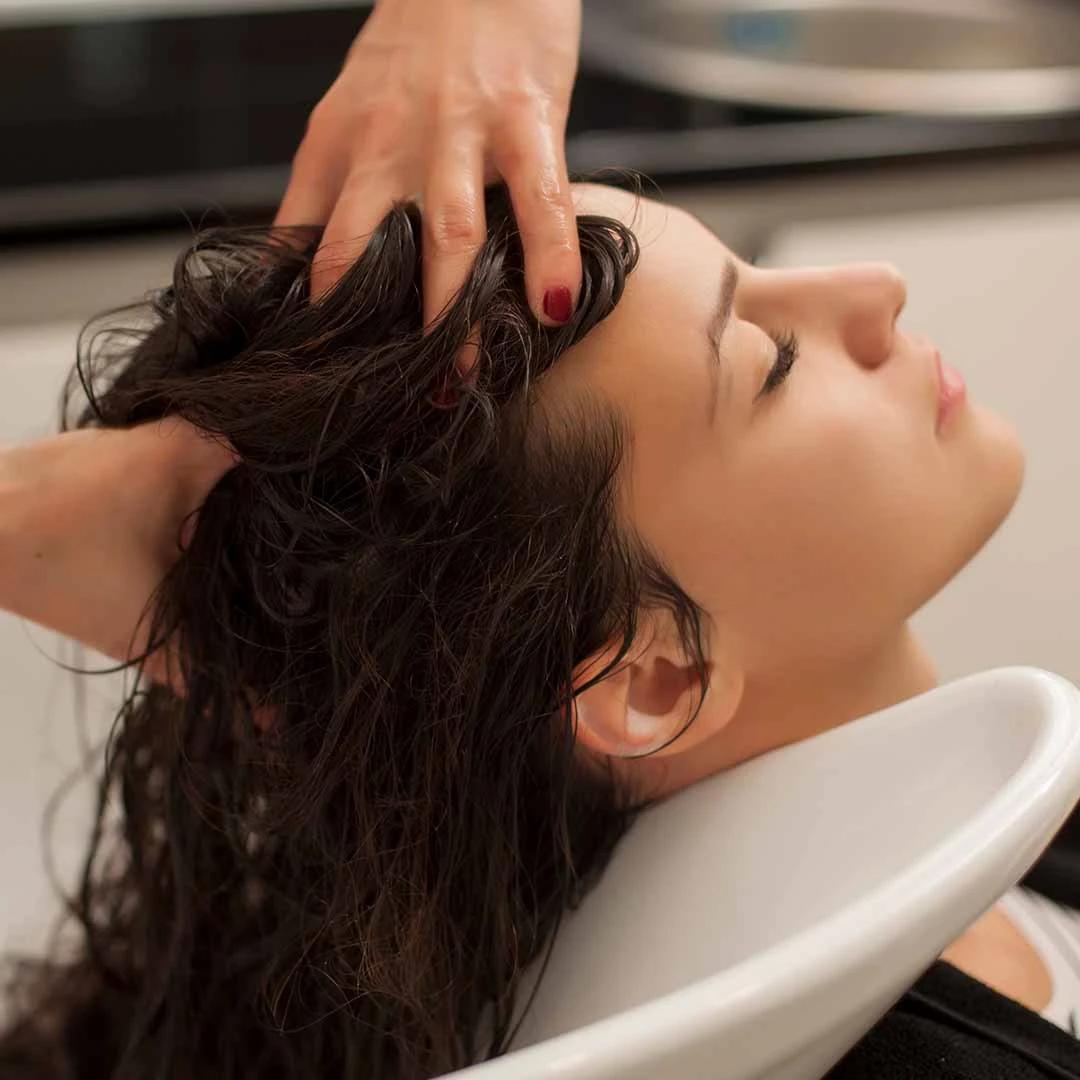

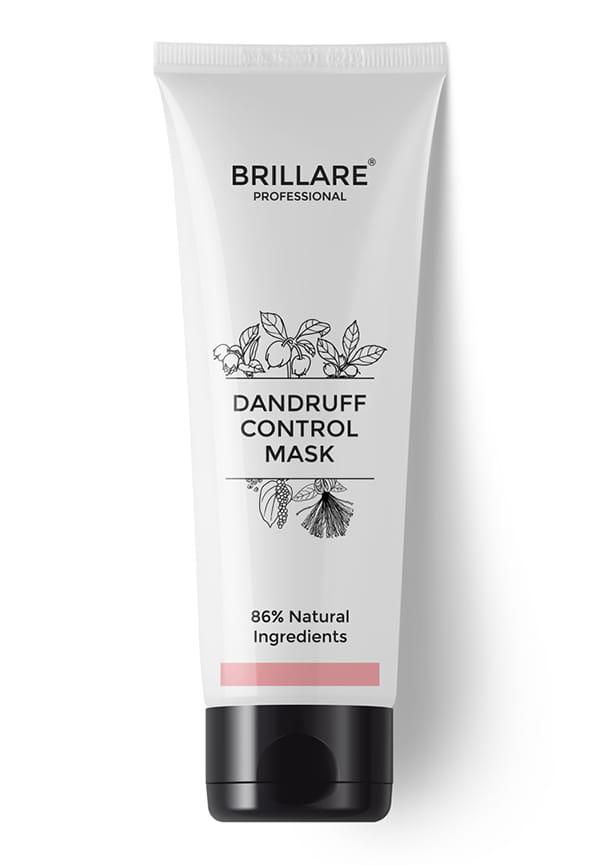
Conditioner For Itchy, Flaky Scalp
That annoying itch that makes you scratch your scalp in the middle of a meeting. The flakes that show up on your black shirt right before an important presentation. The tight, uncomfortable feeling that follows you around all day. If any of this sounds familiar, you're definitely not alone. Scalp issues affect millions of people, and understanding what's actually causing your discomfort is the first step towards finding real relief. Let's dive into the most common causes of scalp problems and figure out what might be going on up there.
Real talk—your scalp is basically an extension of your facial skin, just with a lot more hair follicles. And just like your face, it can react to everything from hormones and stress to the products you use and the weather outside. The causes of scalp issues usually fall into a few main categories: fungal overgrowth, dryness, autoimmune conditions, infections, and allergic reactions.
Research shows that about 50% of adults deal with some form of scalp condition at least once in their lives. The tricky part? Many scalp problems share similar symptoms—itching, flaking, redness—which makes it tough to figure out what's actually happening without digging deeper.
Your scalp health directly impacts your hair health too. When your scalp is inflamed or irritated, it can affect hair follicle function, leading to weaker hair growth or even temporary hair loss. Think of your scalp as the soil for your hair—if the foundation isn't healthy, your hair won't thrive either.
The most common culprits include seborrheic dermatitis (fancy name for a specific type of dandruff), dry scalp from overwashing or environmental factors, contact dermatitis from hair products, and various fungal or bacterial infections. Autoimmune conditions like psoriasis can also show up on the scalp, creating their own unique set of challenges.
Let's start with the big one—seborrheic dermatitis. This condition is responsible for most cases of persistent dandruff and affects areas of your body that produce a lot of oil, including your scalp. Unlike regular dry scalp flakes, seborrheic dermatitis creates yellowish, greasy scales that can be pretty stubborn.
The main villain here is a yeast called Malassezia, which naturally lives on everyone's scalp but can overgrow in certain people. This yeast feeds on the oils your scalp produces, and when it multiplies too much, it triggers scalp inflammation and that characteristic flaking. Some people are just more sensitive to this yeast than others—it's partly genetic, partly environmental.
Hormonal changes can trigger flare-ups, which is why many people notice their dandruff gets worse during puberty, pregnancy, or times of stress. Cold, dry weather often makes symptoms worse, while warm, humid conditions might provide some relief. Men tend to experience seborrheic dermatitis more frequently than women, possibly due to higher oil production.
Stress is another major trigger. When you're stressed, your immune system can become less effective at keeping the Malassezia yeast in check, leading to overgrowth and inflammation. This creates a frustrating cycle—stress causes flare-ups, and flare-ups cause more stress.
Dry scalp is often confused with dandruff, but they're actually quite different. With dry scalp, you'll notice small, white flakes that fall easily from your hair, along with tightness and itching. The flakes are usually smaller and less oily than those from seborrheic dermatitis.
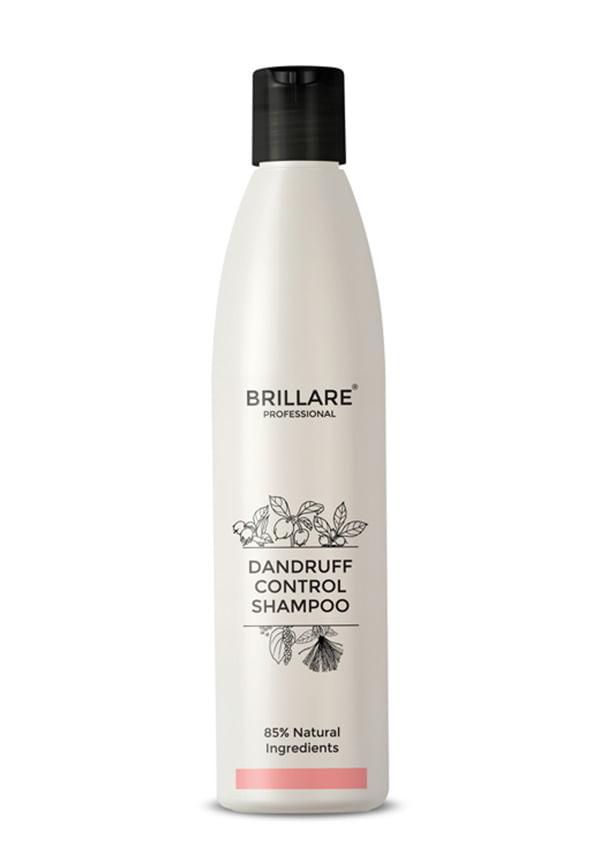
Dandruff Control Shampoo For Itchy, Flaky Scalp
Common dry scalp causes include overwashing your hair, using harsh shampoos with sulfates, hot water, cold weather, and indoor heating. When you strip away too much of your scalp's natural oils, it can become dehydrated and start flaking. Hair follicle issues can also develop when the scalp becomes too dry, as the follicles need adequate moisture to function properly.
Nutritional deficiencies can contribute to dry scalp too. Low levels of omega-3 fatty acids, zinc, or B vitamins can affect your skin's ability to maintain proper moisture levels. Dehydration from not drinking enough water also shows up on your scalp eventually.
On the flip side, an overly oily scalp can cause its own problems. Excess oil production can clog hair follicles, leading to scalp acne or folliculitis. It can also create the perfect environment for yeast overgrowth, contributing to seborrheic dermatitis. Finding the right balance is key—your scalp needs some oil to stay healthy, but not so much that it becomes problematic.
Psoriasis scalp is another common cause of scalp irritation that's often mistaken for severe dandruff. With scalp psoriasis, you'll see thick, silvery scales and well-defined red patches that can extend beyond your hairline onto your forehead, neck, and ears. The scaling is usually much thicker than what you'd see with seborrheic dermatitis.
This autoimmune condition causes your skin cells to multiply much faster than normal, creating those characteristic thick patches. About 50% of people with psoriasis develop it on their scalp at some point. The exact cause isn't fully understood, but genetics play a major role—if you have family members with psoriasis, you're more likely to develop it too.
Stress, infections, certain medications, and even minor injuries to the scalp can trigger psoriasis flare-ups. Unlike fungal conditions, psoriasis isn't contagious and doesn't respond to antifungal treatments. It requires specific therapies designed to slow down skin cell production and reduce scalp inflammation.
Other autoimmune scalp conditions include alopecia areata, which causes patchy hair loss, and eczema on the scalp. These conditions often come with additional symptoms beyond just itching and flaking, such as hair loss or extremely sensitive skin.
While less common in adults, infections can definitely cause scalp problems. Fungal infections like tinea capitis (scalp ringworm) are more frequent in children but can affect adults too, especially those with compromised immune systems. This creates circular patches of hair loss with scaling and sometimes inflammation.
Bacterial folliculitis happens when bacteria infect your hair follicles, creating small, pus-filled bumps that can be itchy and tender. This often occurs after activities that cause friction or sweating, like wearing tight hats or helmets for extended periods. Hair follicle issues from bacterial infections can lead to temporary or even permanent hair loss if left untreated.
Viral infections can occasionally affect the scalp too, though this is pretty rare. Parasitic infestations like head lice create intense itching and are highly contagious, spreading through direct contact or shared personal items like combs and hats.
The key with infectious scalp conditions is getting proper diagnosis and treatment quickly. Many of these conditions won't resolve on their own and can spread to other people or other parts of your body if not addressed properly.
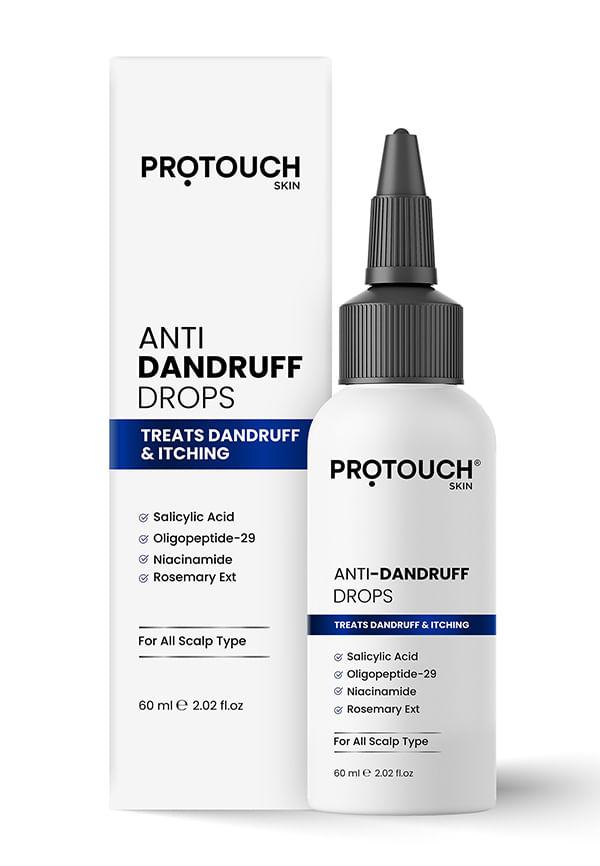
SKIN Anti Dandruff Drops Serum Soothes Itchy, Inflamed Scalp
Your scalp can develop allergic reactions to ingredients in hair products, creating contact dermatitis. This type of scalp irritation usually shows up as redness, swelling, and intense itching that develops within hours or days of using a new product.
Common scalp allergies include reactions to fragrances, preservatives like parabens, hair dyes (especially those containing PPD), and sulfates in shampoos. Even natural ingredients like essential oils can trigger allergic reactions in sensitive people. The tricky part is that you can develop an allergy to something you've used for years without problems.
Chemical processing from perms, relaxers, or frequent hair colouring can also damage the scalp and create ongoing irritation. These treatments can disrupt your scalp's natural barrier, making it more susceptible to other problems like infections or increased sensitivity to products.
If you suspect a product allergy, the best approach is to stop using all new products and gradually reintroduce them one at a time to identify the culprit. Patch testing with a dermatologist can help pinpoint specific allergens.
Most scalp issues can be managed with over-the-counter treatments and lifestyle changes, but some situations definitely warrant a trip to the dermatologist. Persistent symptoms that don't improve after 4-6 weeks of consistent treatment should be evaluated by a professional.
Red flag symptoms include sudden, severe hair loss, scalp pain or tenderness, open sores or bleeding, thick scales that don't respond to medicated shampoos, and symptoms that spread beyond your scalp to other parts of your body. Fever along with scalp symptoms could indicate an infection that needs prescription treatment.
If you're experiencing significant hair loss along with scalp inflammation, this could indicate an autoimmune condition or severe infection that requires specific medical treatment. Early intervention often leads to better outcomes, especially with conditions that can cause permanent hair loss.
Scalp problems can stem from various factors including fungal overgrowth (like Malassezia yeast), autoimmune conditions (psoriasis, eczema), allergic reactions to hair products, bacterial or fungal infections, hormonal changes, stress, nutritional deficiencies, and environmental factors like cold weather or overwashing. Often, multiple factors combine to create scalp issues.
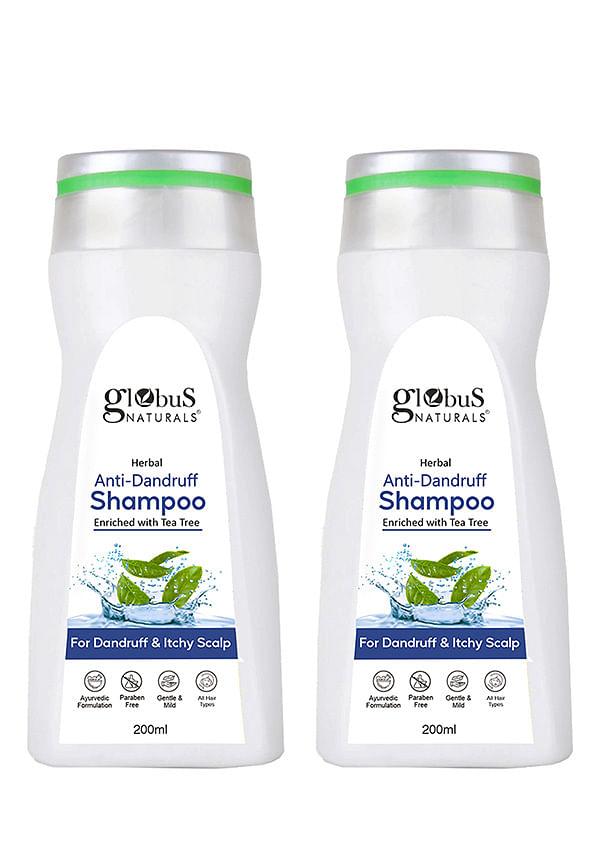
Anti Dandruff Shampoo, For Dandruff and Itchy Scalp
Seek medical attention if you experience sudden hair loss, persistent symptoms lasting more than 6 weeks, scalp pain or bleeding, thick scales that don't improve with treatment, fever along with scalp symptoms, or if the condition spreads to other body areas. Most scalp issues are manageable, but early professional evaluation prevents complications.
Itchy scalp without visible flakes often indicates dry scalp, early-stage seborrheic dermatitis, allergic reactions to products, or scalp sensitivity. It can also result from overwashing, harsh products, stress, or even tight hairstyles that create tension. The itching might precede visible symptoms by days or weeks.
Absolutely. Stress affects your immune system's ability to control naturally occurring scalp yeast, can trigger autoimmune flare-ups, increases oil production, and can lead to habits like excessive scratching. Chronic stress also affects nutrient absorption and sleep quality, both of which impact scalp health.
Dry scalp produces small, white flakes that fall easily and feels tight or itchy. Dandruff (seborrheic dermatitis) creates larger, yellowish, oily flakes that stick to hair and scalp, often accompanied by redness and inflammation. Dry scalp responds to moisturising treatments, while dandruff needs antifungal ingredients.
Most scalp conditions show improvement within 2-4 weeks of consistent, appropriate treatment. However, chronic conditions like psoriasis or seborrheic dermatitis may require ongoing management. Severe infections might need 6-8 weeks of treatment. If you don't see improvement after 6 weeks, consult a dermatologist for evaluation.
Understanding the causes of scalp problems is your first step towards finding relief. Whether you're dealing with the fungal overgrowth of seborrheic dermatitis, the autoimmune response of psoriasis, or simple dryness from environmental factors, identifying the root cause helps you choose the right treatment approach.
Remember that scalp health is connected to your overall wellbeing—stress, nutrition, and lifestyle all play roles in how your scalp feels and functions. Most scalp conditions are manageable with the right care, but don't hesitate to seek professional help if symptoms persist or worsen.
When you're ready to address your scalp concerns, Smytten's curated selection includes gentle, effective products from trusted brands that can help restore scalp health. Not sure which approach works best for your specific scalp condition? Smytten also offers trial-size versions of many scalp care products—a smart way to test different formulations before committing to full-size bottles.
