Causes of Rainy Hair FAQ: Understanding Humidity and Frizz

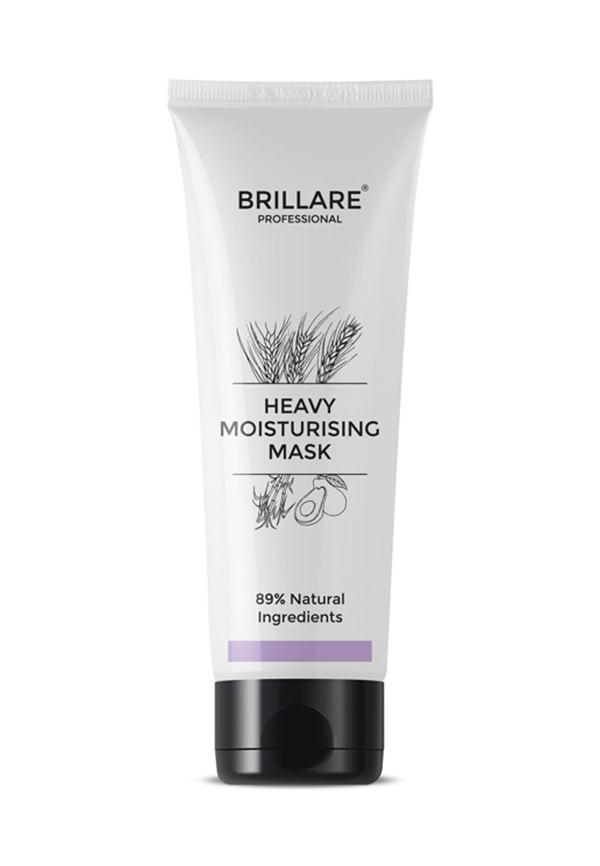
Conditioner For Dry, Frizzy Hair
You step out feeling like your hair game is on point, and then the first hint of humidity hits. Within minutes, your sleek blowout transforms into something that looks like you've been wrestling with a hairdryer in a sauna. Sound familiar? You're definitely not alone in this daily battle against the elements. Understanding what actually happens to your hair when the weather gets moody is the first step to winning this fight.
Let's get real about what's actually happening up there when the weather turns against you. Your hair is basically a sponge made of protein, and humidity is like that friend who overstays their welcome – it just keeps pushing its way in whether you want it or not.
The main culprit behind those causes of rainy hair disasters is your hair's structure. Each strand has three layers: the medulla (the core), cortex (the middle bit), and cuticle (the outer protective layer). When humidity levels spike, moisture sneaks through tiny gaps in the cuticle and makes itself at home in the cortex. This uninvited guest disrupts the hydrogen bonds that keep your hair's shape intact, leading to that dreaded frizz and volume you never asked for.
Here's where it gets interesting – not everyone's hair reacts the same way to humidity. If your hair has high porosity (think damaged, chemically treated, or naturally coarse hair), it's basically rolling out the red carpet for moisture. Low porosity hair, on the other hand, has tightly sealed cuticles that resist moisture absorption. The irony? Sometimes low porosity hair can look even frizzier because the moisture sits on top instead of being absorbed.
Environmental factors beyond just rain play a massive role too. Pollution particles can rough up your cuticles, making them more susceptible to humidity. Temperature changes cause your hair to expand and contract, weakening its structure over time. Even the minerals in your water supply can affect how your hair responds to humidity and hair texture changes.
The molecular drama happening on your head during humid weather is actually quite fascinating. When moisture penetrates your hair shaft, it causes the cortex to swell unevenly. Think of it like a sponge that's been squeezed on one side – it doesn't expand uniformly, which creates those irregular bumps and waves we call frizz.
This hair swelling humidity effect is particularly noticeable if you have a protein and moisture imbalance. Hair that's protein-deficient becomes overly elastic and stretchy when wet, leading to unpredictable curl patterns and limpness. Conversely, hair that's moisture-starved becomes brittle and prone to breakage, especially when it suddenly absorbs humidity from the environment.
Different hair textures have their own unique relationships with humidity. Straight hair tends to become limp and lose volume, while wavy hair often becomes frizzy and undefined. Curly and coily hair types might experience shrinkage, where the hair appears shorter as the curls tighten up in response to moisture. The key is understanding your hair's specific humidity fingerprint so you can work with it rather than against it.
Damaged hair is particularly vulnerable to frizzy hair humidity because the cuticle layer has been compromised. Chemical treatments, heat styling, and environmental damage create microscopic holes in the cuticle, making it easier for moisture to penetrate and harder to maintain a smooth appearance.
Monsoon season brings its own unique set of challenges that go way beyond just bad hair days. The constant exposure to moisture creates the perfect storm for various hair humidity problems that can affect both your hair's appearance and health.
The constant cycle of your hair getting wet and drying out weakens the hair shaft significantly. This repeated swelling and contracting puts stress on the protein bonds, making your hair more prone to breakage. Your scalp also becomes more sensitive during humid weather, and the follicles can become stressed from the constant moisture exposure.
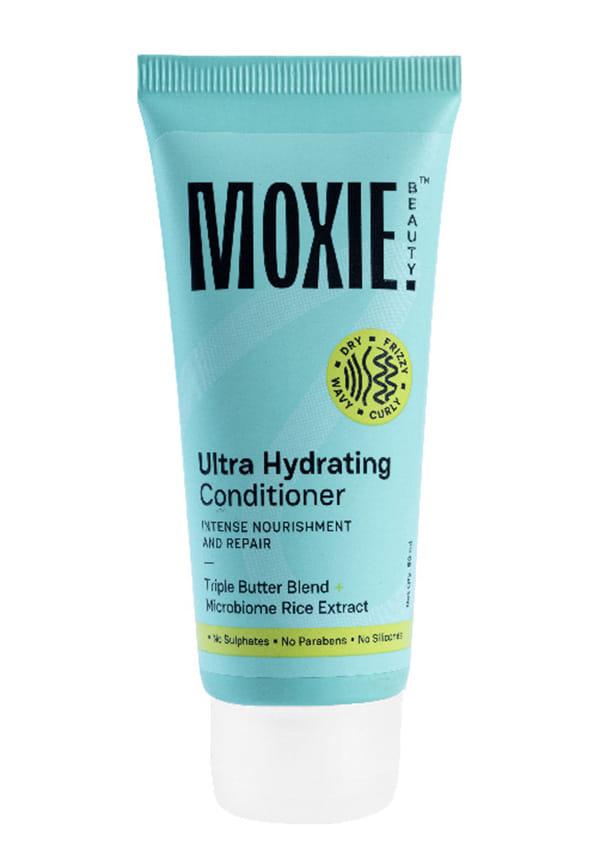
Ultra Hydrating Conditioner for Dry and Frizzy Hair
Humid environments are like five-star resorts for fungi and bacteria. If your scalp stays damp for extended periods, you might notice increased itching, flaking, or even develop conditions like seborrheic dermatitis. These damp hair issues aren't just uncomfortable – they can actually contribute to hair loss if left untreated.
Your usual styling routine might completely fail during humid weather. Products that normally provide hold and definition can become heavy and greasy, while your hair's natural texture might seem to have a mind of its own. Curl patterns can become unpredictable, and straight hair might develop unwanted waves or kinks.
Humidity affects how products perform on your hair. Some ingredients become less effective in high moisture environments, leading you to use more product, which can cause buildup. This creates a vicious cycle where your hair becomes heavier and more prone to humidity-related issues.
Now that we've covered the why, let's talk about the how – specifically, how to prevent frizzy hair in rain and manage the chaos when humidity strikes. The key is having a multi-pronged approach that addresses preparation, damage control, and recovery.
Think of this as your hair's insurance policy. Start with a humidity-blocking base – this could be a leave-in conditioner with silicones or a dedicated anti-humidity serum. Apply these products to damp hair, focusing on the mid-lengths and ends where damage is typically most severe. Protective styling is your friend here – loose braids, buns, or twists can shield your hair from direct moisture exposure.
When you're caught in unexpected humidity, damage control is about minimising the impact. Keep a small bottle of diluted leave-in conditioner or a travel-size anti-frizz serum in your bag. A quick spritz and gentle scrunching can help redistribute moisture and tame emerging frizz. Avoid touching your hair too much – the oils from your hands can make humidity problems worse.
Once you're out of the humid environment, resist the urge to brush wet hair aggressively. Instead, gently squeeze out excess moisture with a microfibre towel or cotton t-shirt. Apply a small amount of leave-in treatment and let your hair air dry when possible. If you must use heat, always use a heat protectant and keep temperatures moderate.
Creating a solid haircare for humid weather routine is like building a fortress around your hair. It requires consistency and the right products, but the payoff is worth it when you can step out confidently regardless of what the weather's doing.
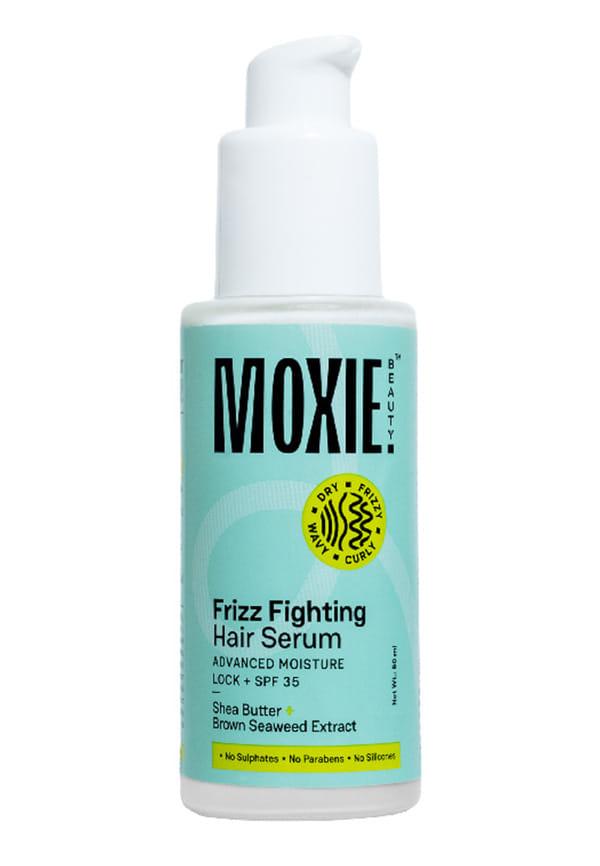
Frizz Fighting Hair Serum For Dry and Frizzy Hair
Start with clean, well-conditioned hair. Apply a lightweight leave-in conditioner while your hair is still damp, followed by a humidity-blocking serum or cream. The key is layering products in the right order – water-based products first, then oil-based ones to seal everything in. Don't forget your scalp – a light application of dry shampoo at the roots can help absorb excess oil that humidity tends to bring out.
Keep a small emergency kit handy: a travel-size anti-frizz serum, a wide-tooth comb, and some hair ties. If your hair starts acting up, a quick trip to the loo for a gentle finger-comb and a tiny bit of product can work wonders. Sometimes, pulling your hair back into a loose bun or braid is the best solution when humidity gets overwhelming.
This is when you undo the day's damage and prep for tomorrow. Start with a gentle cleanse if needed, followed by a deep conditioning treatment once or twice a week. Focus on protein-moisture balance – if your hair feels mushy, it needs protein; if it feels brittle, it needs moisture. A silk or satin pillowcase can help prevent friction damage while you sleep.
Dedicate one day a week to giving your hair some extra love. This might be a protein treatment, a deep moisturising mask, or a clarifying shampoo to remove product buildup. Pay attention to your scalp too – a gentle exfoliating treatment can help prevent the fungal issues that thrive in humid conditions.
Not all anti frizz hair products are created equal, especially when it comes to battling humidity. Understanding the different categories and their functions can help you build an effective arsenal against frizzy hair humidity.
Humidity blockers work by creating a barrier on your hair shaft that prevents moisture from penetrating. These typically contain silicones or waxes and are best applied to damp hair. Moisture sealers, on the other hand, help lock in the right amount of moisture while keeping excess humidity out. Leave-in treatments and serums provide ongoing protection and can be reapplied throughout the day as needed.
Silicones get a bad rap, but they're actually brilliant for humidity control. Cyclomethicone and dimethicone create a protective film without weighing hair down. Natural alternatives like argan oil, coconut oil, and shea butter can also provide humidity protection, though they work differently than silicones. Protein ingredients like hydrolysed wheat protein or keratin help strengthen the hair shaft, making it more resistant to humidity damage.
The order in which you apply products matters enormously. Start with the lightest, most water-based products and work your way up to heavier, oil-based ones. Apply products in sections to ensure even distribution, and always work from mid-lengths to ends first before addressing the roots. Less is often more – it's easier to add more product than to remove excess.
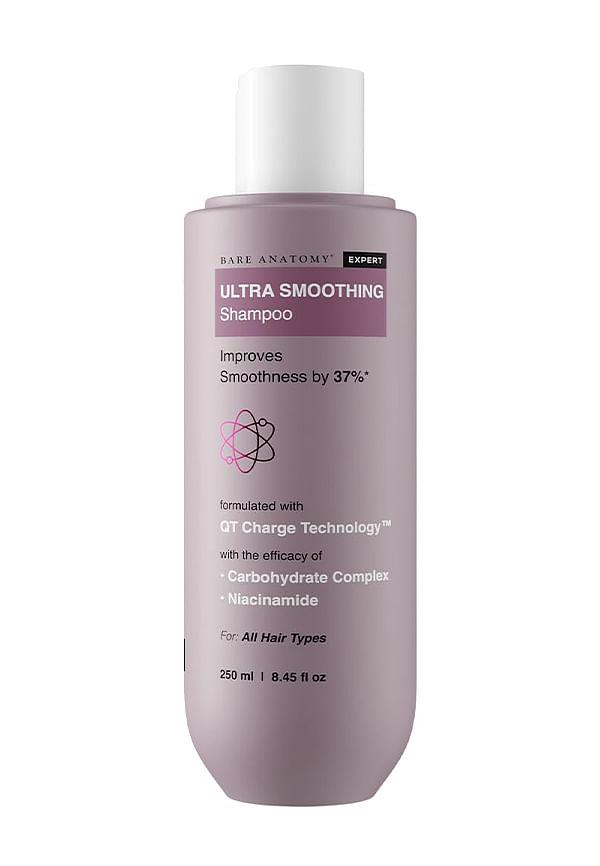
Ultra Smoothing Shampoo for Dry and Frizzy Hair
Rain-related hair fall is often due to the weakening of hair shafts from constant moisture exposure. Focus on gentle handling techniques – avoid aggressive towel drying and use a wide-tooth comb on wet hair. Incorporate strengthening treatments with protein into your routine, and consider scalp massages to improve circulation. The key is being extra gentle when your hair is wet and vulnerable.
Most monsoon-related hair fall is temporary and should resolve once the weather stabilises. However, if you're losing more than 100 hairs per day or notice bald patches, it's worth consulting a professional. Normal seasonal hair fall typically regrows within 2-3 months, but this can vary based on your overall hair health and how well you care for your scalp during humid weather.
Some increase in hair fall during monsoon season is completely normal. The combination of humidity, temperature changes, and increased washing frequency can temporarily disrupt your hair's growth cycle. However, excessive hair fall accompanied by scalp irritation, itching, or visible thinning might indicate an underlying issue that needs attention.
Prevention is your best bet. Keep your scalp clean and dry, avoid tight hairstyles that put stress on follicles, and maintain a balanced diet rich in vitamins and minerals. Use gentle, sulphate-free shampoos and don't overwash your hair. If you're experiencing significant hair fall, consider incorporating scalp treatments or consulting a trichologist for personalised advice.
Frizz happens when moisture from the air penetrates your hair shaft and disrupts its internal structure. Hair with damaged cuticles or high porosity is particularly susceptible. The uneven absorption of moisture causes different parts of your hair to swell at different rates, creating that characteristic frizzy texture.
While you can't completely humidity-proof your hair, you can significantly minimise its effects. The key is creating a protective barrier with the right products and maintaining healthy hair that's better equipped to handle environmental stressors. Consistency in your routine is crucial for seeing results.
Understanding the causes of rainy hair problems is the first step towards developing an effective strategy for managing humidity-related hair issues. Remember, it's not about fighting your hair's natural response to moisture – it's about working with it and providing the right support and protection.
The key takeaway is that humidity affects everyone differently, so what works for your friend might not work for you. Pay attention to how your hair responds to different products and techniques, and don't be afraid to adjust your routine based on the weather forecast. Building a solid humidity hair care routine takes time and experimentation, but the confidence that comes from knowing your hair will behave regardless of the weather is absolutely worth it.
For those looking to experiment with different anti-frizz formulations and humidity-blocking products, Smytten offers trial-size versions of many popular haircare brands. This allows you to test how different products work with your hair's unique humidity response before committing to full-size purchases – particularly helpful when building your monsoon-ready haircare arsenal.
