Causes of Hair Loss in Women FAQ: Your Questions Answered

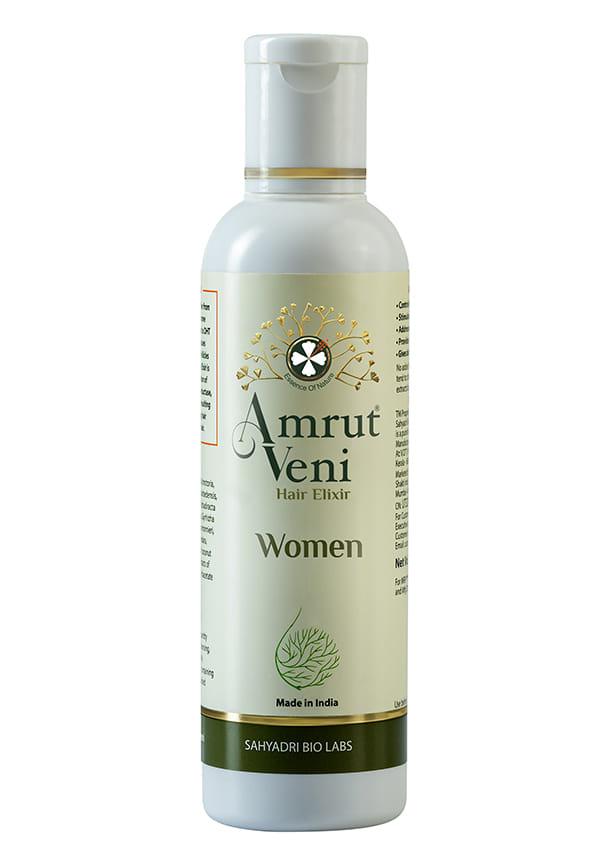
Hair Elixir Women
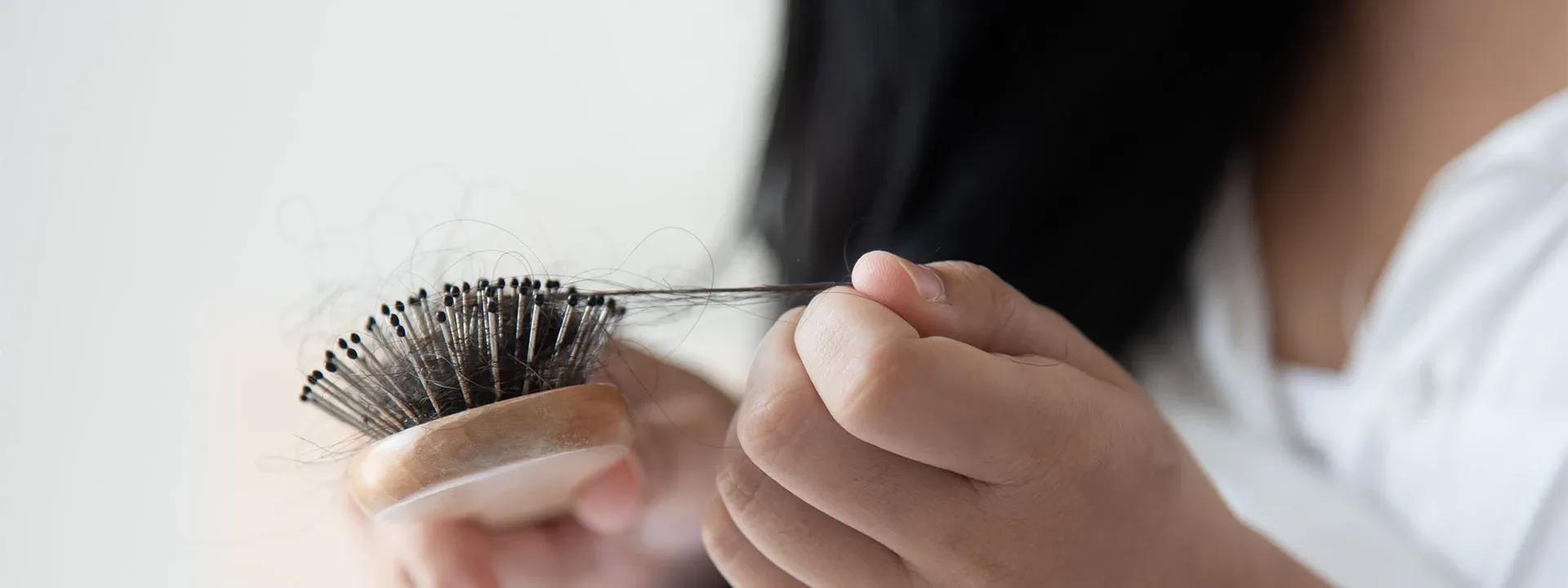
You're standing in front of the mirror, running your fingers through your hair, and there's that sinking feeling again. More strands than usual are coming away in your hands, and your ponytail feels noticeably thinner than it did six months ago. If this sounds familiar, you're definitely not alone. Hair loss affects millions of women worldwide, yet it's still wrapped in confusion and worry. Let's get real about what's actually happening up there and why your hair might be saying goodbye faster than you'd like.
The biggest culprit behind female hair loss is something called androgenetic alopecia, also known as female pattern hair loss. This genetic condition affects around 50% of women over 50, but here's the thing that might surprise you—it can start much earlier than that. Unlike the receding hairline pattern you see in men, women typically experience diffuse thinning across the crown and top of the scalp.
This type of hair loss happens when hair follicles become sensitive to dihydrotestosterone (DHT), a hormone that's perfectly normal but can wreak havoc on genetically predisposed follicles. The follicles gradually shrink, producing thinner and shorter hairs before eventually stopping production altogether. What makes this particularly frustrating is that you inherit this sensitivity from both sides of your family tree—so even if your mum has thick hair, you might still be dealing with thinning if it runs in your dad's family.
The progression follows what's called the Ludwig scale, which maps out how female pattern hair loss typically develops. It starts with subtle widening of the part line and gradually progresses to more noticeable thinning across the crown. The good news? Unlike some other causes of hair loss, this one is well-understood and there are proven treatments that can help slow the process and sometimes even encourage regrowth.
While androgenetic alopecia might be the most common reason for hair loss, it's definitely not the only one. Understanding the various causes of hair loss women face can help you figure out what might be behind your own hair concerns and, more importantly, what you can do about it.
Your hormones are basically the puppet masters of your hair growth cycle, and when they go haywire, your hair often follows suit. Pregnancy brings a lovely surge of oestrogen that keeps hair in its growth phase longer—which is why many women have the most gorgeous hair of their lives whilst pregnant. But postpartum hair loss hits like a ton of bricks around three months after delivery, when those hormone levels crash and all that hair that was hanging on finally decides to shed at once.
Menopause is another major hormonal shift that can trigger hair thinning. As oestrogen levels decline, the protective effects on hair follicles diminish, and any underlying genetic predisposition to hair loss becomes more apparent. PCOS (polycystic ovary syndrome) creates its own set of challenges, with elevated androgen levels that can accelerate hair loss patterns. Thyroid disorders—both overactive and underactive—can also disrupt the hair growth cycle, leading to diffuse thinning or even patchy hair loss.
Your hair follicles are some of the most metabolically active cells in your body, which means they're also some of the first to suffer when you're not getting adequate nutrition. Iron deficiency is the most common nutritional cause of hair loss in women, particularly those with heavy menstrual periods or restrictive diets. Your body prioritises iron for essential functions like oxygen transport, so hair growth gets put on the back burner when supplies run low.
Protein deficiency can also trigger significant hair shedding, since hair is essentially made of protein. Crash diets, eating disorders, or simply not consuming enough protein-rich foods can push hair follicles into a resting phase. Vitamin D deficiency has been linked to various types of alopecia, whilst B-vitamin deficiencies—particularly B12, biotin, and folate—can affect hair structure and growth. Zinc plays a crucial role in hair tissue growth and repair, and deficiency can lead to hair loss that's often reversible with proper supplementation.
This is probably the most frustrating type of hair loss because it shows up months after the actual stressful event. Telogen effluvium occurs when a significant physical or emotional stress pushes a large number of hair follicles into the resting phase simultaneously. The stress could be anything from surgery, severe illness, or extreme weight loss to emotional trauma like divorce or job loss.
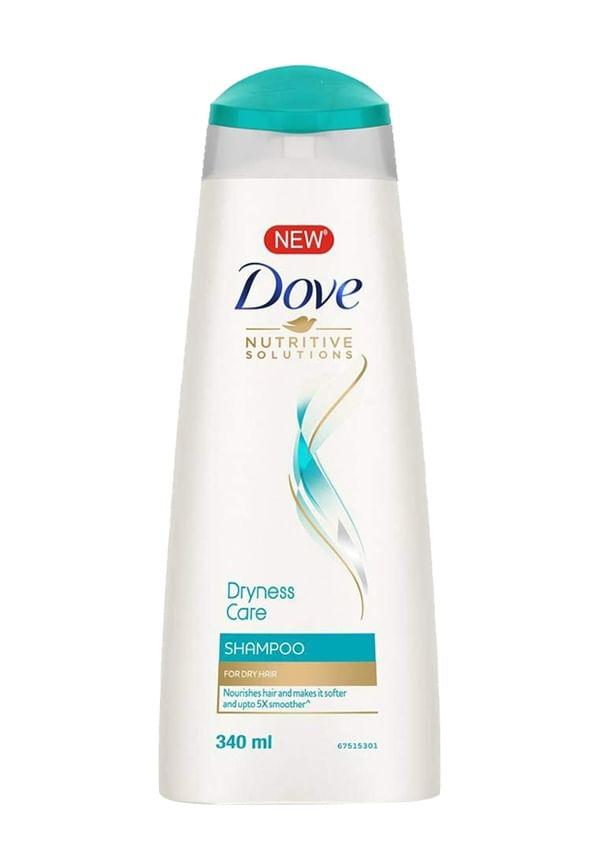
Dryness Care Shampoo
The timeline is what makes this particularly confusing—you'll typically notice increased shedding two to three months after the stressful event, just when you thought you were getting back to normal. The silver lining? This type of hair loss is usually temporary, and hair typically starts regrowing once the underlying stress is addressed and your body has had time to recover.
Several autoimmune conditions can target hair follicles directly. Alopecia areata causes round patches of hair loss and can progress to total scalp hair loss (alopecia totalis) or complete body hair loss (alopecia universalis). These types of alopecia occur when your immune system mistakenly attacks healthy hair follicles, treating them as foreign invaders.
Scalp conditions like seborrhoeic dermatitis, psoriasis, or fungal infections can create an environment that's hostile to healthy hair growth. Trichotillomania, a psychological condition involving compulsive hair pulling, can also lead to noticeable hair loss and requires specialised treatment approaches that address both the physical and psychological aspects.
Certain medications can trigger hair loss as a side effect, and it's worth reviewing your prescriptions if you've noticed increased shedding. Chemotherapy is the most well-known culprit, but blood pressure medications, antidepressants, blood thinners, and even excessive vitamin A supplementation can all contribute to hair loss. The good news is that medication-induced hair loss is usually reversible once the medication is stopped or adjusted.
This is completely preventable but surprisingly common, especially among women who regularly wear tight hairstyles. Constant tension from tight ponytails, braids, hair extensions, or even heavy hair accessories can gradually damage hair follicles. Chemical processing, excessive heat styling, and aggressive brushing can also weaken hair shafts and contribute to breakage that mimics hair loss.
Even without any underlying conditions, hair naturally changes as we age. Hair follicles gradually become less active, producing thinner, shorter hairs. The growth phase of the hair cycle also shortens, meaning hair doesn't grow as long as it used to. This is a normal part of ageing, but understanding it can help set realistic expectations for hair care and treatment goals.
Finding yourself dealing with hair thinning in your twenties can feel particularly devastating, but you're not imagining things, and you're definitely not alone. Early-onset androgenetic alopecia can begin as early as the late teens or early twenties, particularly if there's a strong family history of hair loss. Hormonal fluctuations during this life stage—whether from starting or stopping birth control, PCOS, or other endocrine issues—can also trigger hair loss.
University stress, restrictive dieting, eating disorders, and the general lifestyle chaos that often comes with your twenties can all contribute to hair shedding. Many young women also experiment heavily with hair styling, chemical treatments, and tight hairstyles during this period, which can lead to traction alopecia or chemical damage. The key is getting a proper evaluation early—the sooner you identify and address the underlying cause, the better your chances of preventing further loss and potentially encouraging regrowth.
If you're experiencing significant hair loss, your doctor will likely recommend several blood tests to rule out underlying medical causes. A complete blood count (CBC) can identify anaemia or other blood disorders that might affect hair growth. Iron studies, including serum ferritin levels, are crucial since iron deficiency is such a common cause of hair loss in women.
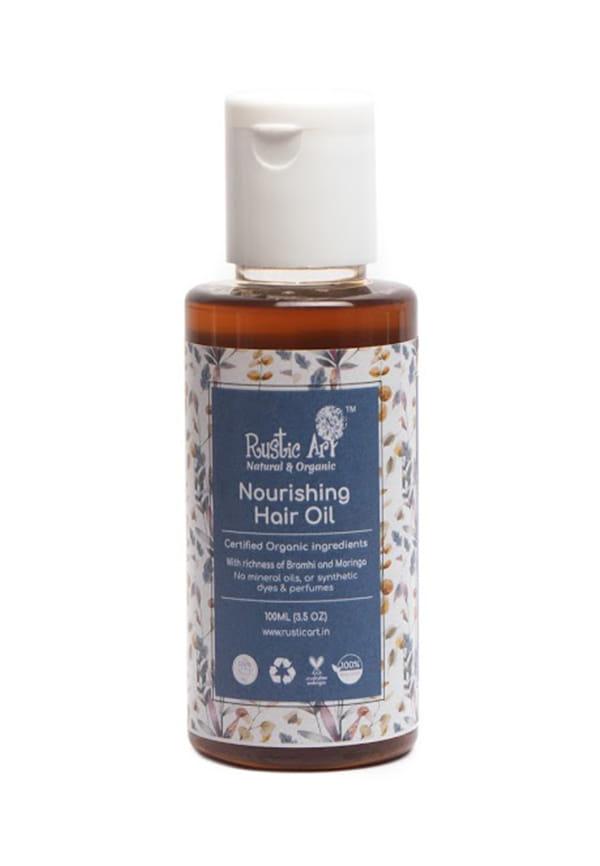
Organic Nourishing Hair Oil
Thyroid function tests (TSH, T3, and T4) can identify both overactive and underactive thyroid conditions that disrupt hair growth cycles. Hormone panels might include testosterone, DHEA-S, and other androgens, particularly if you have symptoms suggesting PCOS or other hormonal imbalances. Vitamin D and B12 levels are often checked, as deficiencies in these nutrients can contribute to hair loss.
Your doctor might also test for autoimmune markers if alopecia areata is suspected, or check for inflammatory markers if there are signs of scalp inflammation. The specific tests recommended will depend on your symptoms, medical history, and physical examination findings.
The good news about understanding the various reasons for hair loss is that many of them are treatable. The key is identifying the underlying cause and choosing treatments that address your specific situation rather than trying a one-size-fits-all approach.
Minoxidil (commonly known as Rogaine) is the only FDA-approved topical treatment for female pattern hair loss. It works by extending the growth phase of hair follicles and can help slow hair loss and encourage regrowth in many women. For hormonal causes, medications like spironolactone can help block the effects of androgens on hair follicles.
If you're dealing with postpartum hair loss or menopause-related thinning, hormone replacement therapy might be worth discussing with your doctor. Professional scalp treatments, including platelet-rich plasma (PRP) therapy and low-level laser therapy, are also showing promising results for certain types of hair loss.
Prevention is always better than treatment, and there's a lot you can do to protect your hair from unnecessary damage. Gentle hair care routines that avoid excessive heat, harsh chemicals, and tight styling can prevent traction alopecia and breakage. Stress management through exercise, meditation, or therapy can help prevent stress-related hair loss.
Maintaining a balanced diet rich in protein, iron, and essential vitamins supports healthy hair growth from the inside out. Regular scalp massage can improve circulation to hair follicles, whilst protecting your hair from environmental damage with UV protection and gentle handling can prevent unnecessary breakage.
Certain red flags warrant immediate professional attention: sudden, severe hair loss, patchy bald spots, scalp pain or inflammation, or hair loss accompanied by other symptoms like fatigue, weight changes, or irregular periods. A dermatologist can provide specialised diagnosis and treatment, whilst a trichologist focuses specifically on hair and scalp health.
For severe cases of androgenetic alopecia, hair transplant procedures designed specifically for women might be an option, though this requires careful evaluation to ensure you're a good candidate.
Let's be honest about something important: there's no magic solution that will stop hair loss overnight. Hair growth cycles take months, not days, so any effective treatment requires patience and consistency. However, you can take immediate steps to prevent further damage and create the best possible environment for hair recovery.

Grooming Hair Combfor Men and Women (1264)
Stop any harsh styling practices immediately—put away the tight elastics, step back from the heat tools, and give your hair a break from chemical processing. If you suspect nutritional deficiencies, start addressing them with proper diet and supplements, but remember that it takes time for these changes to show up in your hair.
For excessive shedding, gentle scalp massage with nourishing oils can provide immediate comfort and potentially improve circulation. Building sustainable hair care routines focused on gentle cleansing, adequate conditioning, and protective styling will set the foundation for long-term hair health.
Multiple hormones can contribute to female hair loss, but dihydrotestosterone (DHT) is the primary culprit in androgenetic alopecia. Declining oestrogen levels during menopause can also accelerate hair loss, whilst elevated androgens from conditions like PCOS can trigger male-pattern hair loss in women. Thyroid hormones, when imbalanced, can disrupt the entire hair growth cycle.
Natural approaches to hair regrowth include regular scalp massage to improve circulation, maintaining a nutrient-rich diet with adequate protein and iron, managing stress through relaxation techniques, and using gentle hair care practices. Essential oils like rosemary and peppermint have shown some promise in studies, whilst ensuring adequate sleep and staying hydrated support overall hair health.
The reversibility of female hair loss depends entirely on the underlying cause. Temporary conditions like telogen effluvium, nutritional deficiencies, or medication side effects often resolve completely once the trigger is addressed. However, androgenetic alopecia is progressive, though treatments can slow the process and sometimes encourage regrowth. Autoimmune conditions like alopecia areata can be unpredictable, with some cases resolving spontaneously whilst others require ongoing treatment.
Lifestyle modifications can significantly impact hair health: stress reduction techniques, regular exercise, adequate sleep, and a balanced diet rich in hair-supporting nutrients. Professional treatments like scalp massage, low-level laser therapy, and PRP treatments offer non-pharmaceutical options. Proper hair care techniques, protective styling, and avoiding damage from heat and chemicals can prevent further loss.
Iron deficiency is the most common nutritional cause of hair loss in women, particularly those with heavy menstrual periods. Vitamin D deficiency is increasingly recognised as a contributor to various types of alopecia, whilst B-complex vitamins—especially B12, biotin, and folate—play crucial roles in hair structure and growth. Zinc deficiency can also cause hair loss that's typically reversible with proper supplementation.
Understanding the causes of hair loss women experience is the first step towards finding effective solutions. Whether you're dealing with genetic predisposition, hormonal changes, nutritional deficiencies, or stress-related shedding, identifying the root cause helps determine the most appropriate treatment approach. Remember that hair loss is incredibly common—you're not alone in this journey, and there are more treatment options available now than ever before.
The most important thing is to be patient with the process and realistic about timelines. Hair growth takes time, and sustainable results come from consistent, gentle care rather than quick fixes. If you're concerned about hair loss, don't hesitate to seek professional guidance—early intervention often leads to better outcomes.
When you're ready to explore hair care products that support healthy hair growth, Smytten's curated selection includes trusted brands with proven ingredients for various hair concerns. Not sure which products might work for your specific hair type and concerns? Smytten also offers trial-size versions of many hair care products—a smart way to test different formulations before committing to full-size bottles.
