Caffeine for Hair Growth FAQ: Your Questions Answered

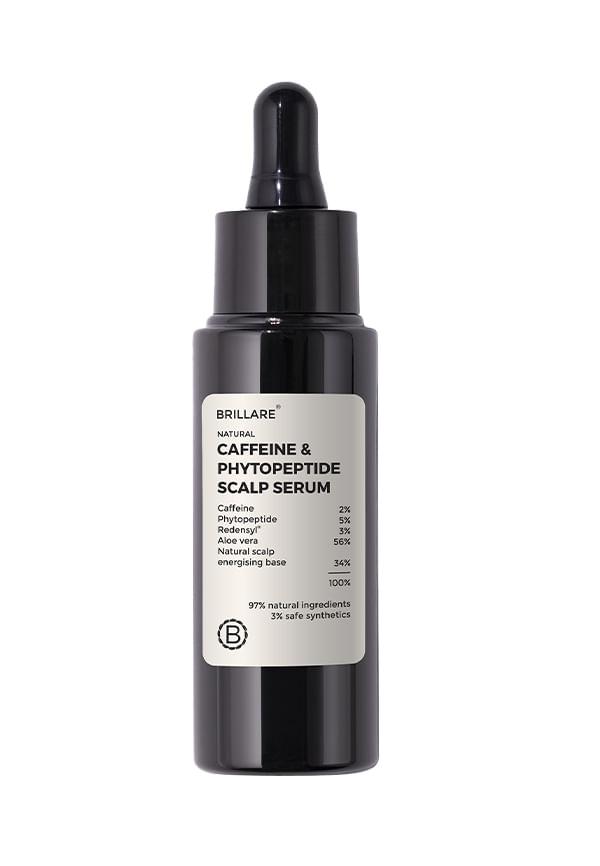
Caffeine & Phytopeptide Scalp Serum with Redensyl for Hair Growth
Lightweight, Non-Greasy
 4
4“It's so light weighted that my hair is not getting greasy”
Lightweight, Non-Greasy
4“It's so light weighted that my hair is not getting greasy”
Effective Hair Fall Solution
5“this is my second purchase... hair fall stops”
You've probably scrolled past countless posts about caffeine shampoos and wondered if your morning coffee habit could somehow translate to thicker hair. Real talk — the caffeine buzz for hair growth isn't just another beauty trend that'll disappear next month. There's actual science behind why this stimulant might just become your scalp's new best friend. But let's cut through the noise and get to what you really want to know: does it actually work, how do you use it, and what should you realistically expect?
Here's where things get interesting. Caffeine doesn't just wake up your brain — it can actually wake up your hair follicles too. When applied topically to your scalp, caffeine works by extending what's called the anagen phase, which is basically your hair's active growth period. Think of it as giving your follicles a longer shift at work.
The magic happens at a cellular level. Caffeine blocks a hormone called DHT (dihydrotestosterone), which is often the culprit behind hair thinning and loss. It's like having a bouncer at your follicle's door, keeping the troublemakers out. Plus, caffeine improves blood circulation to your scalp, which means better nutrient delivery to your hair roots. More nutrients equal healthier, stronger hair growth.
Research shows that caffeine can penetrate the scalp within just two minutes of application. Studies have found that hair follicles treated with caffeine showed increased growth activity compared to untreated ones. One particular study demonstrated that caffeine could counteract the suppressive effects of testosterone on hair growth, which is pretty impressive for something you might already have in your kitchen cupboard.
DHT is basically the villain in most hair loss stories, especially for those dealing with androgenetic alopecia (pattern baldness). This hormone binds to hair follicles and gradually shrinks them until they stop producing hair altogether. Caffeine steps in as the hero by blocking DHT's ability to attach to these follicles.
What's particularly interesting is that this benefit works for both men and women, though the mechanisms might vary slightly. For blokes, it's often about preventing male pattern baldness, while for women, it can help with overall hair thinning and post-pregnancy hair loss.
Let's be clear about one thing first — drinking more coffee won't magically give you Rapunzel-level locks. The caffeine needs to be applied directly to your scalp to be effective. Topical application is where the real magic happens because it delivers concentrated caffeine exactly where your hair follicles need it.
The sweet spot for caffeine concentration in hair products is typically between 0.2% and 2%. Any less and you might not see results; any more and you risk scalp irritation. When applying caffeine treatments, focus on your scalp rather than the hair lengths. Massage gently in circular motions to boost circulation and help the caffeine penetrate better.
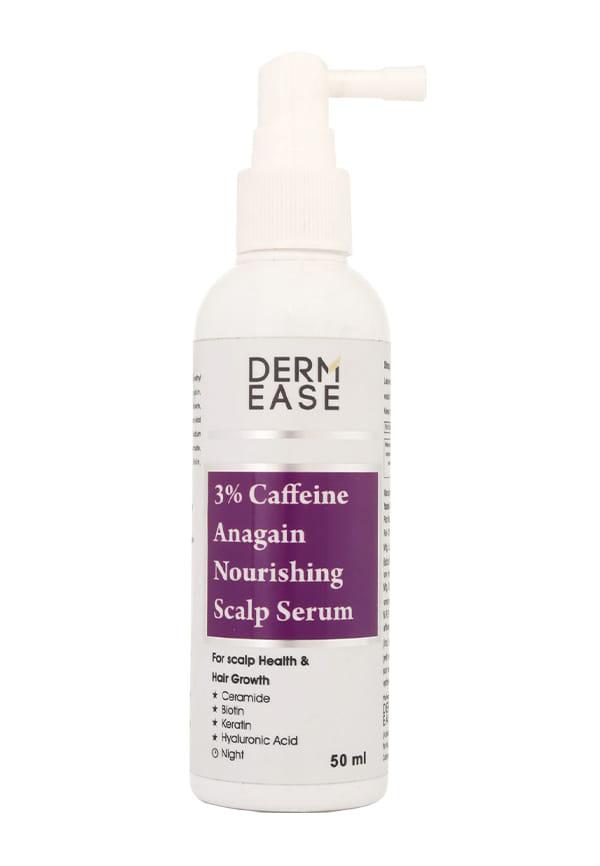
3% Caffeine Anagain Nourishing Scalp Serum
Timing matters too. Most caffeine hair treatments work best when left on the scalp for at least 2-5 minutes before rinsing. If you're using a leave-in treatment, apply it to clean, slightly damp hair for better absorption. Consistency is key — sporadic use won't give you the results you're after.
Each type of caffeine hair product has its place in your routine, and the best choice depends on your specific needs and lifestyle. Caffeine shampoos are brilliant for daily use and prevention. They're convenient because they fit seamlessly into your existing routine, but the contact time is limited, so the concentration needs to be higher to be effective.
Serums and leave-in treatments pack more punch because they stay on your scalp longer. These typically contain higher concentrations of caffeine and often include complementary ingredients like biotin or keratin. They're your go-to if you're dealing with noticeable thinning or want more intensive treatment.
Intensive treatments or masks are like the weekend spa day for your scalp. They usually have the highest caffeine concentrations and are designed for weekly use. These work well if you want to give your hair growth routine a proper boost or if you're just starting to notice changes in your hair density.
When shopping for caffeine hair products, look beyond just the caffeine content. The best formulations combine caffeine with other hair growth stimulants like niacinamide, biotin, or peptides. These ingredients work together to create a more comprehensive approach to hair health.
Quality matters more than quantity here. A well-formulated product with 1% caffeine will outperform a poorly made one with 2%. Look for products that mention clinical testing or have transparent ingredient lists. Avoid anything with harsh sulphates or alcohol high up in the ingredients list, as these can counteract caffeine's benefits by irritating your scalp.
Budget-wise, you don't need to break the bank to see results. Many effective caffeine hair products fall in the ₹500-1500 range. The key is finding something you'll actually use consistently rather than the most expensive option that sits unused in your bathroom cabinet.
Let's set realistic expectations here. Hair growth is a slow game, and caffeine isn't going to transform your hair overnight. Most people start noticing subtle changes around the 4-8 week mark — things like reduced hair fall during washing or slightly more volume at the roots.
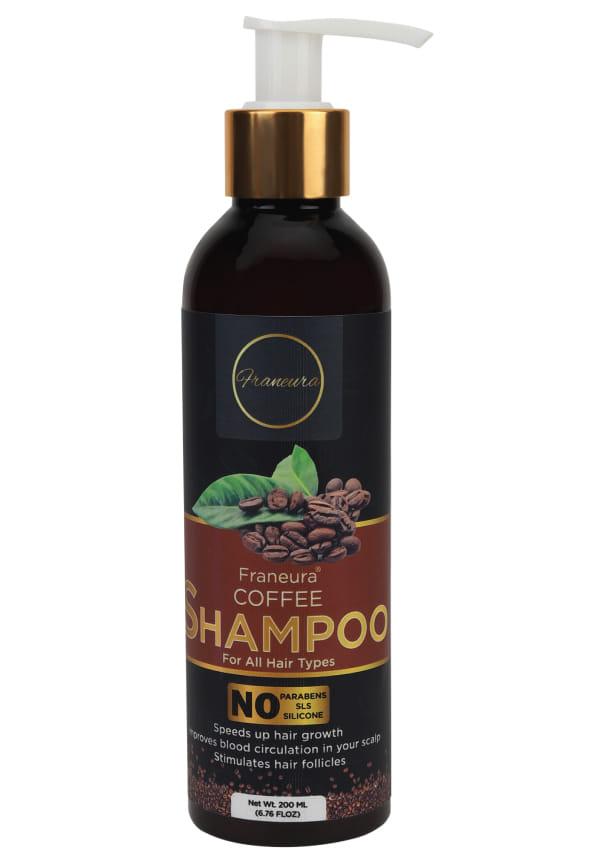
Daily Use Natural Coffee Shampoo - Revitalize and Strengthen Hair
Great Product at Low Price
5“coffe shampoo at such low price is awesome”
Great Product at Low Price
5“coffe shampoo at such low price is awesome”
Great Product at Low Price
5“coffe shampoo at such low price is awesome”
The real improvements typically show up between 3-6 months of consistent use. This might include new baby hairs along your hairline, increased overall density, or stronger, healthier-looking hair. Remember, hair grows about half an inch per month on average, so patience is essential.
Your results will depend on several factors: your starting point, the underlying cause of your hair concerns, your overall health, and how consistently you use the products. If you're dealing with severe hair loss or medical conditions affecting your hair, caffeine treatments work best as part of a broader approach rather than a standalone solution.
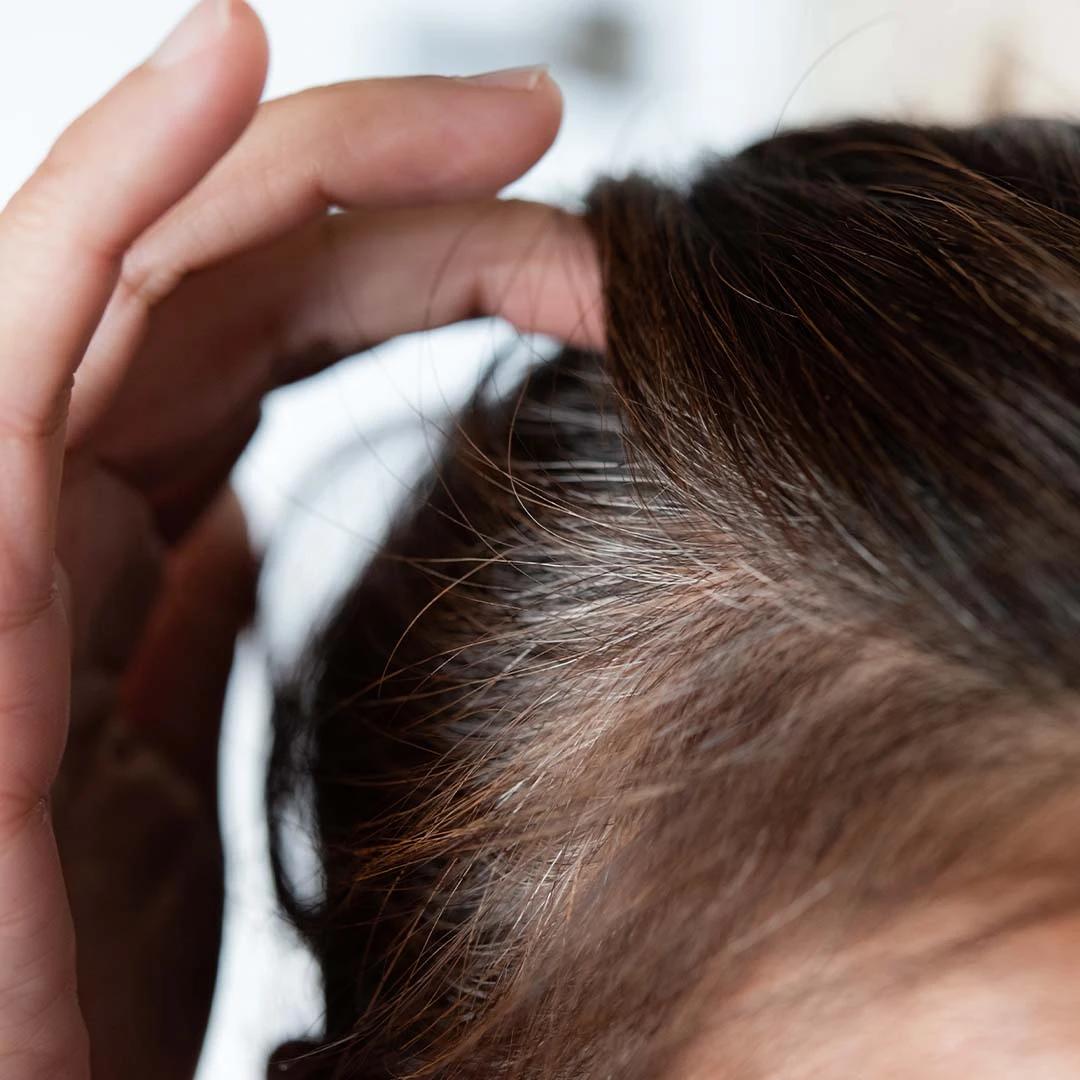
Caffeine hair treatments work best for people in the early stages of hair thinning or those looking to prevent future hair loss. If you've noticed your ponytail getting thinner or more scalp showing through your parting, caffeine could be worth a try. It's also brilliant for post-pregnancy hair loss, which many new mums experience.
Both men and women can benefit, though the approach might differ slightly. Women often see good results with caffeine shampoos for overall hair health, while men dealing with receding hairlines might benefit more from targeted serums or treatments.
However, if you have sensitive skin or are prone to scalp irritation, start slowly with lower concentrations. Pregnant or breastfeeding women should check with their healthcare provider before using caffeine hair products, even though topical absorption is minimal.
Yes, research shows that topically applied caffeine can stimulate hair follicles and extend the growth phase of hair. It works by blocking DHT, improving scalp circulation, and providing antioxidant protection to hair follicles. However, results vary between individuals and require consistent use over several months.
Apply caffeine-containing products directly to your scalp, not just your hair lengths. Massage gently to improve absorption and leave on for the recommended time (usually 2-5 minutes for shampoos, longer for treatments). Use consistently — sporadic application won't give you the results you want.
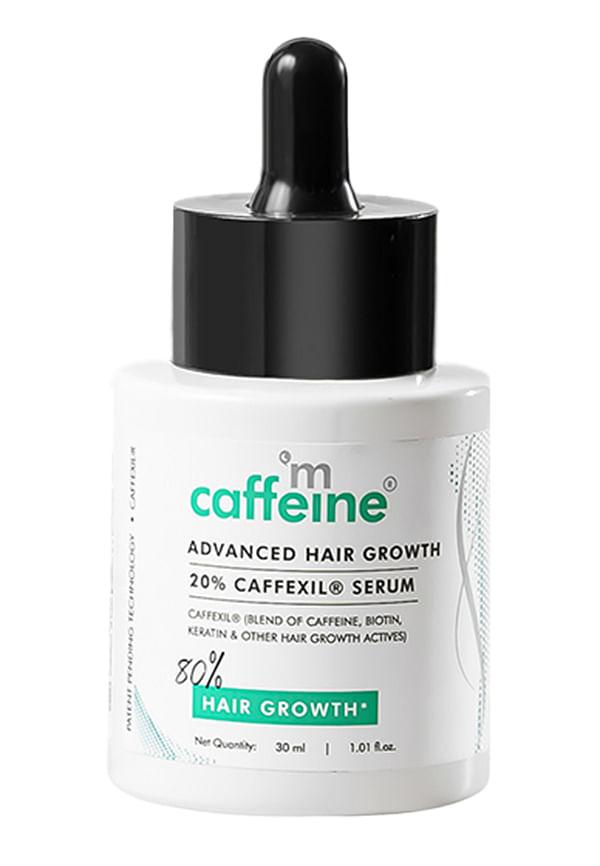
20% Caffexil® Advanced Hair Growth Serum With Keratin, Biotin & Rosemary
Good for hair growth
5“very good product for hair growth”
Effective for Hair Growth
5“this is my second time. but best result for hair growth”
Loved product, useful for hair growth
5“I loved it and use. full to hair growth”
Unfortunately, no. While drinking coffee provides caffeine to your system, it doesn't deliver concentrated amounts directly to your hair follicles where it's needed. Topical application is essential for hair growth benefits.
Most people notice initial changes like reduced hair fall within 4-8 weeks. Significant improvements in hair density and growth typically appear after 3-6 months of consistent use. Remember, hair growth is naturally slow, so patience is key.
Some people might experience mild scalp irritation, especially with higher concentrations or if they have sensitive skin. Start with lower concentrations and patch test new products. If irritation persists, discontinue use and consider consulting a dermatologist.
Caffeine and minoxidil work differently and aren't directly comparable. Minoxidil is a proven medical treatment for hair loss, while caffeine is more of a preventative and supportive ingredient. Some people use both together under professional guidance.
Generally yes, but it's wise to introduce new products gradually to avoid overwhelming your scalp. If you're using medical hair loss treatments, consult your dermatologist before adding caffeine products to ensure they complement rather than interfere with your existing routine.
Caffeine for hair growth isn't just hype — there's solid science backing its benefits for stimulating hair follicles and preventing hair loss. The key is using it correctly: topically, consistently, and with realistic expectations. Whether you choose a daily caffeine shampoo or a weekly intensive treatment, the most important factor is sticking with your routine long enough to see results.
Remember, hair growth is a marathon, not a sprint. While caffeine can be a valuable addition to your haircare routine, it works best as part of a holistic approach that includes good nutrition, stress management, and proper hair care practices. If you're dealing with significant hair loss, don't hesitate to consult a dermatologist for a comprehensive treatment plan.
Not sure which caffeine hair product might work for your specific hair type and concerns? Smytten offers trial-size versions of many caffeine-infused haircare products from trusted brands — a smart way to test what works for your hair before committing to full-size bottles.
