Bond Repair for Damaged Hair: What It Actually Does (and Who Needs It)
%20(1)-505c996e-8eba-4d82-8552-7eadff3d6972.webp&w=3840&q=75)

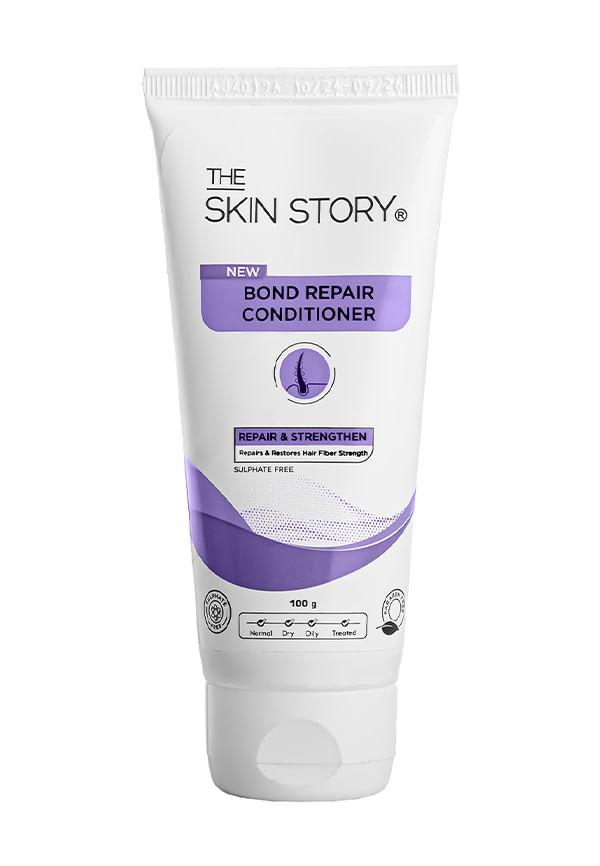
Sulphate Free Bond Repair Conditioner For Damage Repair Hair
"Bond repair" is on the front of half the hair products on the shelf right now, but almost nobody explains what a bond actually is or what these treatments really do. If your hair has been bleached, coloured, straightened or simply heat-styled into exhaustion, understanding bonds is the difference between buying the right fix and wasting money on a fancy conditioner. Here is what bond repair means, who genuinely needs it, and what it can and cannot do.
Hair gets its strength from internal bonds that hold the structure of each strand together. Bleaching, colouring, chemical straightening and repeated heat break these bonds, which is why damaged hair feels weak, snaps easily and looks dull. Bond repair treatments work inside the strand to relink some of those broken bonds, restoring strength and flexibility. They genuinely help, but they manage damage, they do not erase it.
Each hair strand is built from keratin proteins held in place by chemical bonds. There are a few types, and they matter differently.
The strongest are disulfide bonds. These are the permanent links that give your hair its core strength and shape. They are tough, and they only break through chemical processes or serious heat. When people talk about "broken bonds" and bond repair, this is mostly what they mean.
Then there are hydrogen and salt bonds, which are weaker and temporary. These break and reform every time you wet, dry or style your hair, which is how a blow-dry or curling iron sets a shape that lasts until your next wash.
Healthy hair has its disulfide bonds intact, so it stays strong and springy. Damaged hair has lost a chunk of them, so the structure is compromised. No amount of surface conditioning fixes that, because the problem is inside the strand, not on top of it. That is the gap bond repair is designed to fill.
Not all damaged hair is damaged in the same way. Sometimes the problem is deep inside the strand, and sometimes it is on the surface. Knowing the type of damage makes it easier to understand whether you need bond repair, moisture, protein or just a better routine.
Chemical damage
This is the kind of damage bond repair is most closely linked to. It happens when you bleach, colour, smoothen, straighten or perm your hair. These treatments change the internal structure of the strand and can break disulfide bonds, which is why chemically treated hair often feels weak, stretchy, gummy or prone to snapping.
Heat damage
Straighteners, curling irons, blow dryers and hot brushes can slowly weaken the hair, especially when used often or at very high temperatures. Heat-damaged hair may look frizzy, feel rough, lose its natural pattern and break easily. Bond repair can help when heat has weakened the internal structure, but a heat protectant is essential to prevent the damage from continuing.
Mechanical damage
This comes from everyday friction and force. Rough brushing, tight hairstyles, towel rubbing, sleeping with wet hair and constantly tying your hair too tightly can all cause breakage. You may notice short broken strands around the hairline or crown. Bond repair can support weak hair, but gentler handling is what stops this type of damage from getting worse.
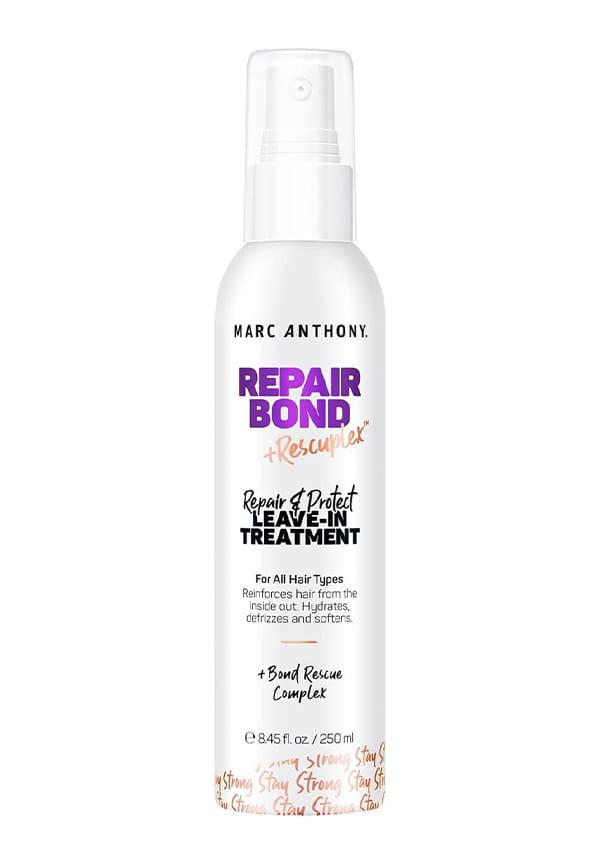
Repair Bond +Rescueplex Repair & Protect Leave-In Treatment
UV and environmental damage
Sun exposure, pollution, humidity and dust can make hair look dull, dry and faded over time. UV exposure can also weaken the hair fibre and make coloured hair lose vibrancy faster. This type of damage usually needs protection, conditioning and leave-in care, along with bond repair if the hair is also chemically treated.
Hard-water damage
In many Indian cities, hard water can leave mineral buildup on the scalp and hair. This can make hair feel rough, heavy, dry or difficult to manage, even when you are using good products. Hard water does not “break bonds” the same way bleach does, but it can make damaged hair feel worse and stop products from working properly.
Over-washing damage
Washing too often, using harsh shampoos or skipping conditioner can strip the hair of natural oils. This usually shows up as dryness, frizz, roughness and dullness. If the hair is still strong and does not snap easily, moisture and conditioning may be more useful than bond repair. But if over-washing is combined with colour, bleach or heat, bond repair can help rebuild strength.
Bond repair treatments contain ingredients that travel into the strand and help relink broken disulfide bonds, or form new supporting links where bonds are missing. The honest version: they restore a meaningful portion of lost strength and elasticity, so hair feels firmer, breaks less and holds colour and style better.
What they do not do is turn damaged hair back into virgin hair. They cannot rebuild every broken bond, and they cannot repair a split end, because a split is a physical tear, not a chemical one. The only fix for split ends is a trim. Treat bond repair as ongoing structural maintenance, not a one-time cure, and you will not be disappointed by it.
Used consistently, the effect builds. One application helps; a few weeks of regular use is where most people notice hair that snaps less and feels genuinely stronger.
These three get confused constantly, and using the wrong one wastes time. Here is the simple split.
Bond repair works on the internal structure, relinking broken bonds. Reach for it when hair is chemically or heat damaged, feels weak, and snaps with little tension.
Protein treatment fills gaps in the outer cuticle to add temporary strength and body. Reach for it when hair feels soft, mushy and over-elastic but is not necessarily chemically damaged.
Moisture and conditioning smooth and hydrate the surface. Reach for it when hair is dry, rough and dull but still strong.
Damaged hair often needs bond repair first to rebuild the foundation, then moisture to keep it flexible. Layering all three blindly is how people end up with stiff, overloaded hair.
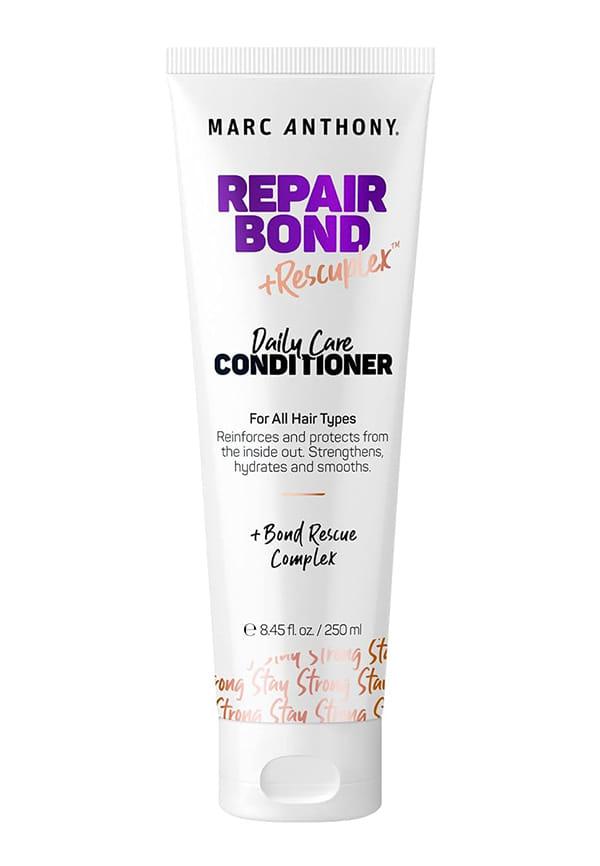
Repair Bond +Rescueplex Daily Care Conditioner
You probably need it if your hair has been bleached, heavily coloured or chemically treated and now shows some of these:
Strands snap easily when wet, sometimes with a slight stretch first
Hair feels weak or gummy rather than just dry
Colour fades fast and unevenly
Ends look frayed and the hair will not hold a style
Breakage shows up as short broken pieces around the crown and hairline
If your hair is simply dry but still strong and elastic, you likely need moisture, not bond repair.
Most bond treatments are used in the shower as a pre-shampoo or in-shower step, with timing on the pack. Follow it, because longer is not better here.
A practical routine for damaged hair: use a bond treatment once or twice a week, follow with a gentle shampoo and a moisturising conditioner, and keep a heat protectant on hand for any styling. Ease off bleaching and high heat while the hair recovers, since no treatment can outpace ongoing damage.
If hair starts to feel stiff, scale back frequency and lean more on moisture. Strength and flexibility have to stay in balance.
What is the difference between a bond repair treatment and a regular conditioner?
A conditioner smooths and softens the outside of the hair temporarily. A bond treatment works inside the strand to relink broken bonds and restore strength. They solve different problems, and damaged hair usually needs both.
Can bond repair fix split ends?
No. A split end is a physical tear in the strand, and nothing can seal it back permanently. Bond repair strengthens the hair and can slow new splits forming, but the only real fix for existing ones is a trim.
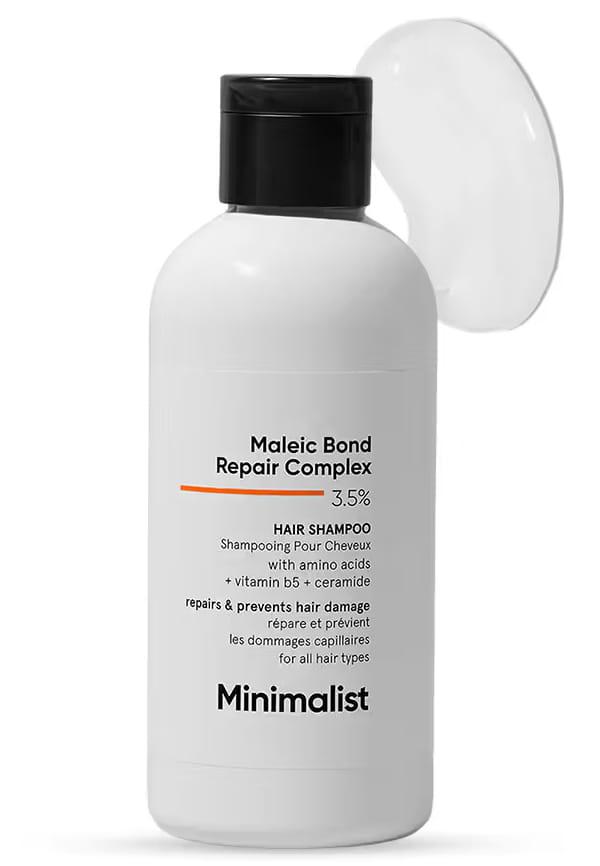
Maleic Bond Repair Complex 3.5% Hair Shampoo
Causes Hair Frizz
 5
5“m regular user of it it gives frizz to my hair”
Causes Hair Frizz
5“m regular user of it it gives frizz to my hair”
Causes Hair Frizz
5“m regular user of it it gives frizz to my hair”
How often should I use a bond treatment?
For most damaged hair, once or twice a week is enough. Very bleached or fragile hair may need it slightly more often. Watch for stiffness, which is a sign to cut back and add moisture instead.
Is bond repair only for bleached or coloured hair?
It is most useful for chemical and heat damage, so bleached, coloured and chemically straightened hair benefit most. If your hair is healthy and just dry, moisture will help more than bond repair.
How do I know which bond treatment is right for my hair?
There is some trial and error, because hair at different damage levels responds differently. This is where trying before you buy helps. On Smytten you can try bond and repair treatments as minis and trials, so you can judge how your hair responds before paying for a full bottle. Start with the damage signs above to pick a starting point.
Are pricier bond treatments always better?
Not necessarily. Fit matters far more than price, and an expensive treatment that does not suit your hair is wasted money. Trying a couple of options as minis and trials on Smytten before committing is the easiest way to find what actually works for you rather than guessing by price.
Here is the good news: damaged hair is fixable, and you do not need a ten-step routine to get there. If your hair has been snapping, feeling weak or just looking tired after colour or heat, you are not stuck with it.
Keep it simple. Use a bond treatment once or twice a week, follow with a conditioner to keep things soft, go easy on the heat and bleach for a while, and trim off any split ends, because those will not heal on their own. Stick with it for a few weeks and your hair will start feeling stronger before it even looks it.
The only tricky part is working out which treatment your hair actually likes. That is where it helps to test a few before you commit. On Smytten you can try bond and repair treatments as minis or trial size first, so you can find your match without gambling on a full-size bottle. Strengthen it, protect it, and your hair will stop fighting you back.
