Body Hair Trimmer FAQ: Your Questions Answered

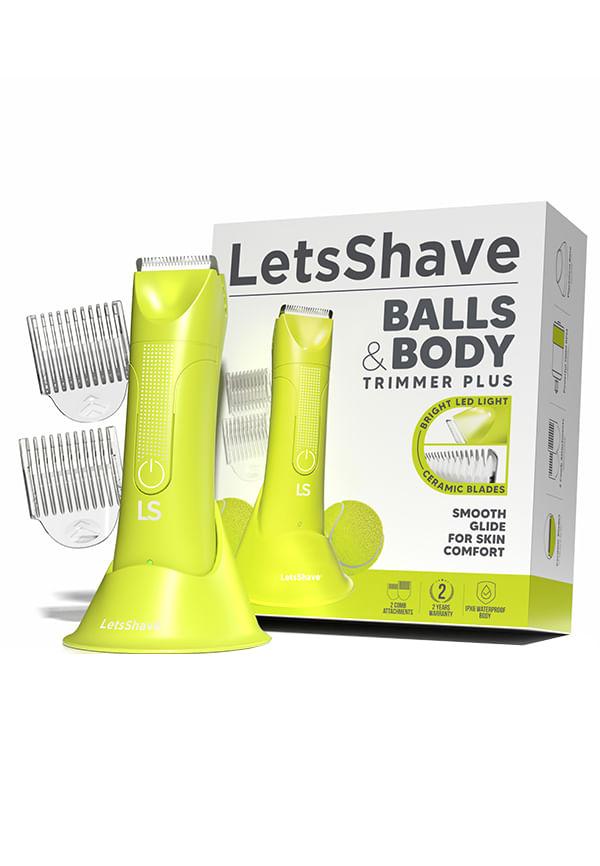
LetsShave Trimmer Men for Private Parts | Waterproof Body Groomer with Skin-Safe Ceramic Blades | LED Spotlight | Groin Trimmer, Body Trimmer for Man
Ever stood in front of the mirror with a body hair trimmer in hand, wondering if you're about to make a complete mess of things? You're not alone. Whether it's your first time tackling chest hair or you've been winging it for years, using a body groomer can feel like navigating uncharted territory. The good news? It's way less complicated than it seems once you know the basics. Let's sort through all those burning questions about body hair trimming – from choosing the right tool to avoiding those cringe-worthy nicks and cuts.
Think of a body hair trimmer as the gentler cousin of your regular hair clippers. While both might look similar, body groomers are specifically designed for the delicate skin below your neck. They typically feature rounded blade tips, multiple guard lengths, and often come with waterproof capabilities – because let's be real, trimming in the shower just makes sense sometimes.
The main difference lies in the blade design and motor power. Regular clippers are built for thick scalp hair and can be too aggressive for body use. Body groomers, on the other hand, are engineered to handle different hair textures and sensitive skin areas without causing irritation. Many also come with specialised attachments for different body zones – because your chest hair needs different treatment than your leg hair.
When you're looking at electric body groomer instructions, you'll notice they often mention wet and dry use. This versatility is a game-changer, especially if you prefer trimming during your shower routine. The waterproof design also makes cleaning much easier – just rinse under running water and you're sorted.
Picking the right body groomer isn't just about grabbing the first one you see. Your choice depends on several factors: your hair type, skin sensitivity, budget, and how often you plan to use it. Let's break down what actually matters when you're shopping around.
If you're someone who prefers multitasking in the shower, look for trimmers that explicitly mention wet use. These models have sealed motors and waterproof housing. Just remember that wet trimming often gives a closer cut, so you might want to start with longer guard settings.
Nothing's more annoying than your trimmer dying mid-session. Look for models with at least 60 minutes of runtime. Quick-charge features are worth considering too – some modern trimmers give you enough power for a full session with just a 5-minute charge.
A good guard system should offer multiple length options, typically ranging from 1mm to 20mm. The guards should click on securely – loose guards are a recipe for uneven trimming. As for blades, stainless steel or ceramic options tend to stay sharper longer and are easier to clean.
Each part of your body needs a slightly different approach. Your chest hair grows differently than your leg hair, and what works for your arms might be completely wrong for more sensitive areas. Here's how to tackle each zone like a pro.
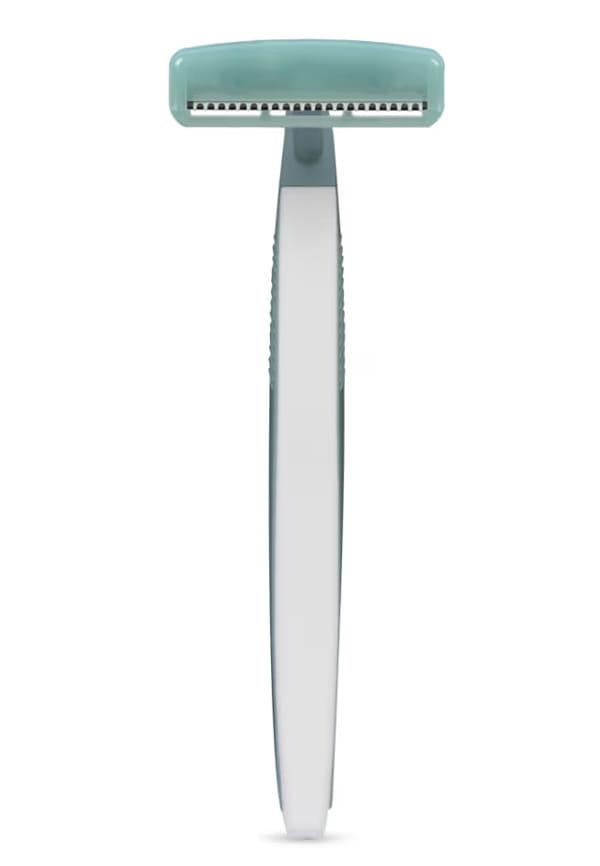
FURR By Pee Safe Bikini Line Triming Razor
Start with a longer guard length – you can always go shorter, but you can't add hair back. Work in sections, moving the trimmer against the grain of hair growth for an even cut. For chest hair, this usually means working upward from your stomach toward your shoulders. Take your time around the nipple area and use shorter strokes.
Arms and legs are generally the easiest areas to trim. Work in long, smooth strokes, following the natural contours of your limbs. For legs, start from the ankle and work upward. Pay extra attention around bony areas like shins and knees – the skin is closer to the bone here, so use lighter pressure.
Back hair trimming is tricky if you're going solo. Consider investing in a trimmer with an extendable handle or ask someone to help. If you're determined to DIY, use mirrors strategically and work in small sections. Start with the areas you can reach comfortably and gradually work toward the more challenging spots.
Preparation is half the battle when it comes to gentle body hair trimming. Proper prep not only makes the trimming process smoother but also reduces the risk of irritation and ingrown hairs. Here's your pre-trimming checklist.
Start with clean, dry skin if you're doing a dry trim. A warm shower beforehand helps soften the hair and opens up the pores, making trimming easier. If you're planning to trim wet, make sure your trimmer is designed for it. Pat your skin dry but leave it slightly damp – completely soaked skin can clog the trimmer.
Exfoliate gently a day before trimming to remove dead skin cells and help prevent ingrown hairs. On trimming day, check your skin for any cuts, irritation, or unusual spots – avoid trimming over these areas. If you have particularly sensitive skin, consider applying a pre-shave oil or gel designed for body use.
Even with the best intentions, it's easy to mess up body hair trimming. Here are the mistakes that trip up most people, and more importantly, how to avoid them.
Your trimmer should glide over your skin, not press into it. Excessive pressure can cause nicks, cuts, and irritation. Let the blades do the work – if you're having to push hard, either your trimmer needs cleaning or the guard length is too short for your hair length.

Letsshave Evior 4-in-1 Face & Body Trimmer for Women | Skin-Safe Trimmer for Woman Private Part, Bikini Line, Sensitive Areas, Facial Hair & Eyebrows
The golden rule of body hair trimming: always start longer than you think you need. You can always trim more, but growing hair back takes weeks. Start with a longer guard and gradually work your way down to your desired length.
Trimming is just the first step. Proper aftercare prevents irritation, ingrown hairs, and keeps your skin healthy. Use a gentle, fragrance-free moisturiser after trimming, and avoid tight clothing for a few hours to let your skin breathe.
A well-maintained trimmer not only lasts longer but also performs better and stays hygienic. Body hair trimmer maintenance isn't complicated, but it does require consistency.
After each use, remove any hair clippings from the blades and guards. If your trimmer is waterproof, rinse it under warm running water. For non-waterproof models, use the cleaning brush that came with your trimmer. Some models come with cleaning stations or self-cleaning features – use them.
Oil the blades regularly according to your manufacturer's instructions. This keeps them sharp and prevents rust. Most trimmers come with a small bottle of blade oil, but you can also use clipper oil from beauty supply stores. Store your trimmer in a dry place, and if it's rechargeable, don't let the battery completely drain before charging.
Blades typically need replacing every 6-12 months, depending on usage. Signs it's time for new blades include pulling or tugging during trimming, uneven cuts, or visible nicks in the blade. Guards should be replaced if they crack or no longer fit securely.
This depends on your hair growth rate and personal preference. Most people find trimming every 2-4 weeks keeps things manageable. Faster-growing areas like underarms might need attention weekly, while slower areas like chest hair can go longer between sessions.
Yes, but hygiene is key. Clean your trimmer thoroughly between different body areas, especially when moving from feet to more sensitive regions. Some people prefer separate attachments or even separate trimmers for different zones.
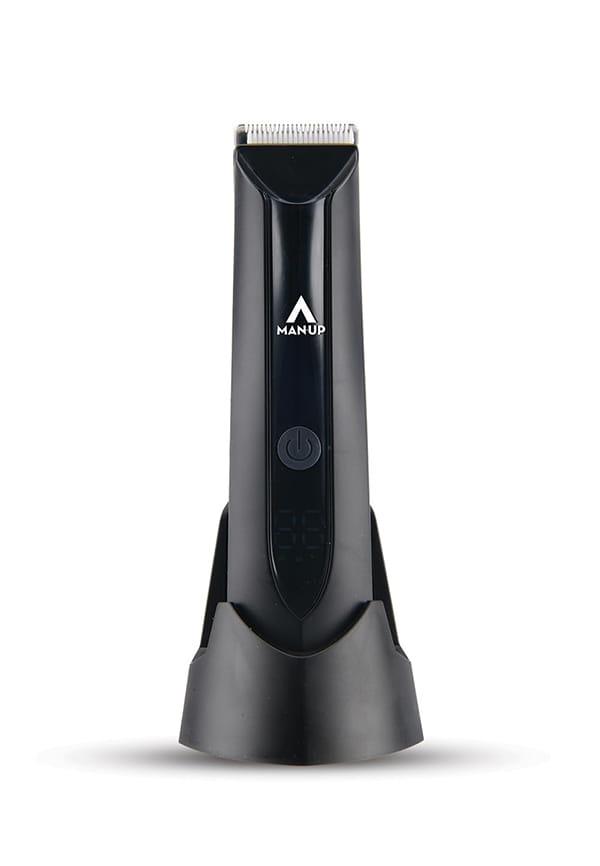
Man-Up Waterproof Trimmer for Men
Only if your trimmer is specifically designed for wet use. Check the manual – it should clearly state if wet trimming is safe. Wet trimming can give a closer cut but also increases the risk of nicks if you're not careful.
Start with a longer guard – around 6-9mm for most body areas. This gives you room to experiment and find your preferred length without going too short too quickly. You can always trim shorter in subsequent sessions.
Use a gentle, alcohol-free moisturiser immediately after trimming. Avoid tight clothing for a few hours, and don't trim the same area multiple times in one session. If you're prone to irritation, trim less frequently and always use the longest guard that gives you your desired look.
Absolutely. The main difference between men's and women's body groomers is often just marketing and colour schemes. Focus on the features that matter: blade quality, guard options, and whether it suits your specific needs rather than the gender it's marketed toward.
The terms are often used interchangeably, but personal groomers sometimes refer to smaller, more precise tools designed for facial hair or detailed work. Body groomers are typically larger with wider cutting heads for covering more area quickly.
Use mirrors strategically, take your time, and consider asking for help with areas like your back. Some trimmers come with extendable handles or angled heads that make solo trimming easier. Never rush or force awkward angles – it's better to leave some areas longer than risk injury.
Getting comfortable with body hair trimming is all about starting slow, being consistent with maintenance, and listening to what your skin tells you. Remember that everyone's hair grows differently, so what works for your mate might not work for you – and that's completely normal.
The most important thing is choosing a quality trimmer that suits your needs and taking the time to learn proper technique. Don't be discouraged if your first few attempts aren't perfect – like any skill, body grooming gets easier with practice.
Whether you're looking to try different grooming tools or find the perfect trimmer for your routine, Smytten's curated selection includes top grooming brands with trial-size options. It's worth exploring what works best for your skin and hair type before committing to full-size products – because finding your perfect grooming routine shouldn't involve guesswork.
