Biotin Hair Growth Benefits FAQ: Your Questions Answered


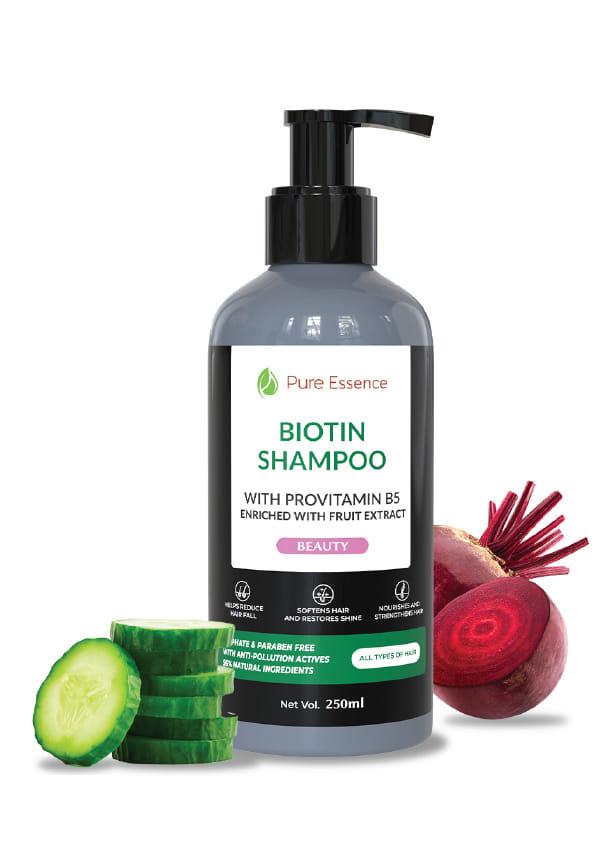
Biotin Shampoo | Softens Hair | Nourishes Scalp | Lowers Hairfall
You've probably heard the buzz about biotin for hair growth, but let's be real — scrolling through endless supplement ads and conflicting advice can leave you more confused than confident. One minute you're reading about miracle transformations, the next you're wondering if it's all just clever marketing. If you're sitting there with a bottle of biotin tablets in your hand, questioning whether they'll actually do anything for your hair, you're not alone. The good news? We're about to break down everything you need to know about biotin hair growth benefits, backed by actual science rather than just social media hype.
Biotin, also known as Vitamin B7 or Vitamin H, is a water-soluble vitamin that plays a crucial role in your body's metabolic processes. Think of it as one of the behind-the-scenes workers that keeps your cellular machinery running smoothly. When it comes to hair health, biotin's main job is supporting the production of keratin — the protein that makes up about 95% of your hair structure.
Here's where it gets interesting: biotin acts as a coenzyme in several metabolic pathways that are essential for healthy hair growth. It helps your body process amino acids, which are the building blocks of proteins like keratin. Without adequate biotin, your hair follicles might struggle to produce strong, healthy strands. The vitamin also supports cellular metabolism within hair follicles, ensuring they get the energy and nutrients needed for the hair growth cycle.
Your hair grows in cycles — anagen (growth phase), catagen (transition phase), and telogen (resting phase). Biotin for hair works by potentially extending the anagen phase and supporting the overall health of hair follicles during this critical growth period. It's worth noting that biotin benefits extend beyond just hair; it also supports nail strength and skin health, which is why you'll often see it marketed as a beauty vitamin.
Let's cut through the noise and talk facts. The research on biotin hair growth benefits is actually quite specific, and the results might surprise you. Most clinical studies show that biotin supplementation is most effective for people who have an actual biotin deficiency. If your biotin levels are already normal, taking extra biotin might not give you the dramatic hair transformation you're hoping for.
A key study published in the Journal of Clinical and Aesthetic Dermatology found that women with thinning hair who took biotin supplements for 90 days showed significant improvement in hair growth and thickness. However, many of these participants had underlying biotin deficiency or metabolic issues affecting biotin absorption. For healthy individuals with normal biotin levels, the evidence is less compelling.
The reality is that hair growth is influenced by multiple factors — genetics, hormones, nutrition, stress levels, and overall health. Biotin is just one piece of the puzzle. While biotin supplements won't hurt (they're generally safe), they're not a magic solution for everyone. If you're dealing with significant hair loss or thinning, it's worth exploring whether biotin deficiency might be a contributing factor before expecting dramatic results.
Biotin deficiency is relatively rare in healthy individuals, but certain groups are more likely to benefit from supplementation. People with genetic disorders affecting biotin metabolism, those taking certain medications, or individuals with digestive issues that affect nutrient absorption might see real improvements. Pregnant and breastfeeding women also have higher biotin needs and might benefit from supplementation under medical guidance.
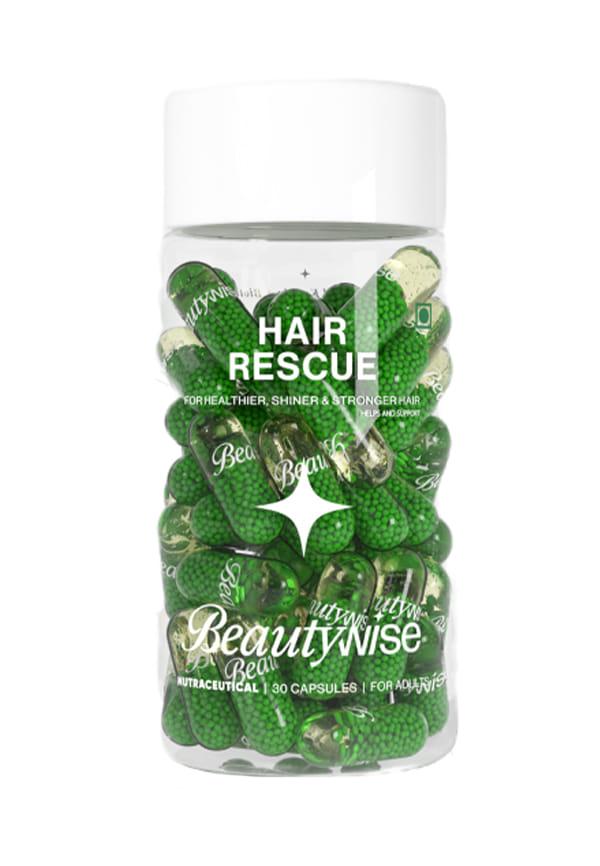
Hair Rescue, Hair Aminos, Vitamins, DHT Blocker for Hairfall Control & Growth
If you've decided to try biotin supplements, understanding proper dosage and realistic timelines is crucial. The recommended daily intake for biotin is quite low — about 30 mcg for adults. However, hair growth vitamins typically contain much higher doses, ranging from 1,000 to 10,000 mcg. Most studies showing positive results for hair health use doses between 2,000 to 5,000 mcg daily.
Here's the timeline reality check: hair grows slowly, about half an inch per month on average. Even if biotin starts working immediately at the cellular level, you won't see visible results for at least 6-8 weeks. Most people who do see improvements notice changes around the 3-month mark. If you're expecting results after a week or two, you're setting yourself up for disappointment.
When choosing biotin supplements, look for reputable brands that provide third-party testing results. The supplement industry isn't as tightly regulated as pharmaceuticals, so quality can vary significantly. Some people prefer biotin gummies for convenience, but tablets often provide more precise dosing and better value.
While biotin is generally considered safe, it's not completely without potential issues. The most common side effects are mild and include digestive upset, skin rashes, or changes in blood sugar levels. However, there's one significant concern that many people don't know about: biotin can interfere with certain blood tests.
High-dose biotin supplementation can affect lab results for thyroid function tests, cardiac markers, and hormone levels. This interference can lead to false readings that might cause unnecessary worry or incorrect medical decisions. If you're taking biotin supplements and need blood work done, inform your healthcare provider and consider stopping supplementation for a few days before testing.
Some people worry about biotin causing hair loss, but this is typically only a concern if you suddenly stop taking high doses after long-term use. Your body might temporarily adjust, but this isn't permanent hair loss. As with any supplement, it's wise to consult with a healthcare provider before starting biotin, especially if you have underlying health conditions or take other medications.
Before reaching for supplements, consider whether you can meet your biotin needs through food. Egg yolks are one of the richest sources of biotin — just one cooked egg provides about 10 mcg. Nuts and seeds, particularly almonds and sunflower seeds, are excellent sources. Whole grains, legumes, and certain vegetables like sweet potatoes also contribute to your biotin intake.
Your gut bacteria actually produce some biotin, which is another reason why maintaining good digestive health supports hair health. Eating a diverse range of fiber-rich foods helps maintain a healthy gut microbiome. Avoiding excessive alcohol consumption and managing stress levels also support your body's ability to absorb and utilise biotin effectively.
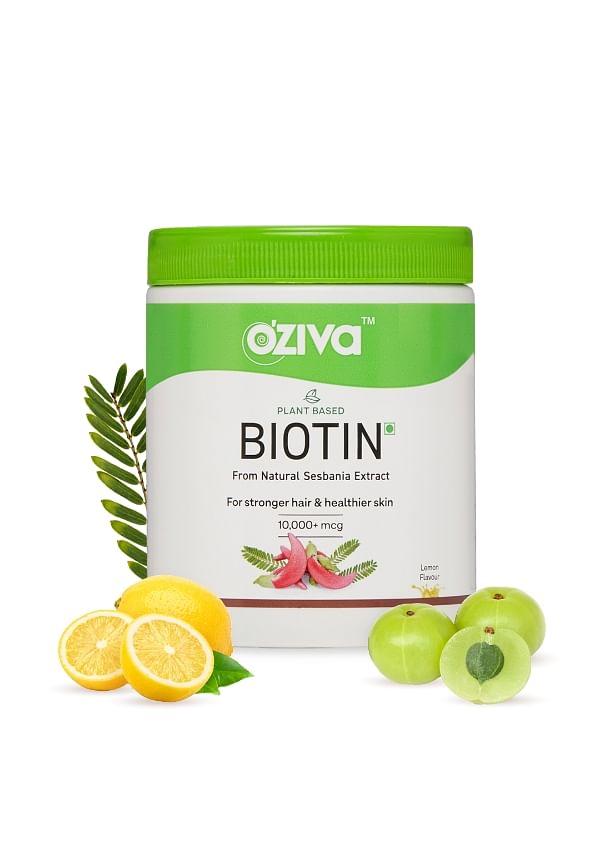
OZiva Plant Based Biotin for Hair Growth| Biotin Powder
For comprehensive hair health, consider combining biotin-rich foods with other nutrients that support hair growth. Iron, zinc, vitamin D, and omega-3 fatty acids all play important roles in maintaining healthy hair. A balanced approach to nutrition is often more effective than focusing on a single nutrient.
When it comes to hair loss treatment, biotin is just one option among many. For androgenetic alopecia (male or female pattern baldness), treatments like minoxidil or finasteride have much stronger clinical evidence. These treatments target the hormonal and genetic factors that cause pattern hair loss, which biotin cannot address.
However, biotin can be a useful complementary treatment. If you're using other hair growth treatments, adding biotin might support overall hair health, especially if you have any underlying nutritional deficiencies. The key is having realistic expectations and understanding that different types of hair loss require different approaches.
For temporary hair loss due to stress, illness, or nutritional deficiencies, addressing the underlying cause is more important than any single supplement. Biotin might help if deficiency is part of the problem, but it won't solve hair loss caused by hormonal imbalances, autoimmune conditions, or genetic factors.
The standard recommended daily amount is 30 mcg, so 40 mcg covers your basic nutritional needs. However, most studies showing hair growth benefits use much higher doses (2,000-5,000 mcg). If you're looking for therapeutic effects rather than just meeting basic requirements, 40 mcg is likely too low.
Most people who do see results notice improvements around 8-12 weeks of consistent use. Hair growth is slow, and it takes time for new, healthier hair to grow long enough to be visible. Don't expect dramatic changes in the first month.
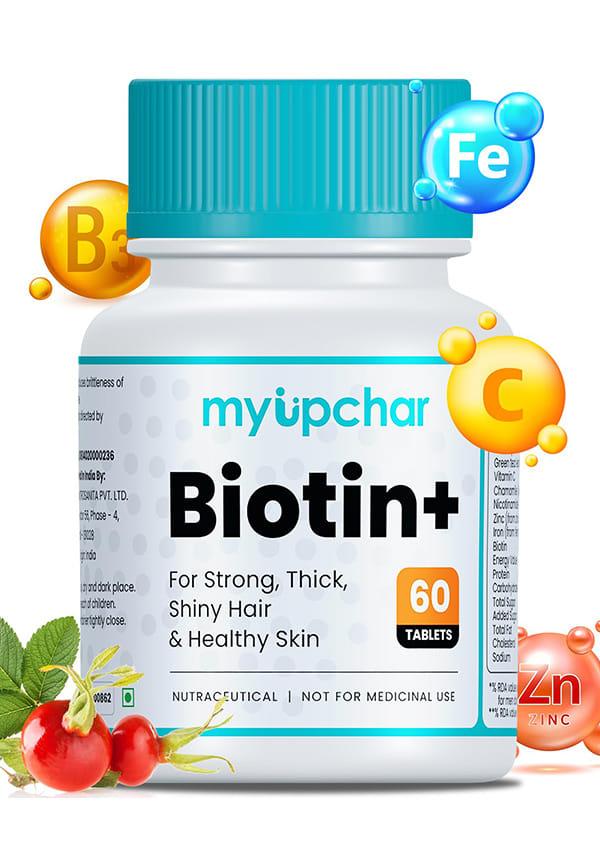
Ayurveda Biotin+ Tablet | Supplement For Strong & Thick Hair
Biotin itself doesn't cause hair loss. However, if you suddenly stop taking high doses after long-term use, you might experience temporary changes as your body adjusts. This isn't permanent hair loss but rather a temporary disruption in your hair growth cycle.
The evidence for biotin benefits in people with normal biotin levels is limited. While it's generally safe, you might not see dramatic results. Consider whether addressing other aspects of hair health (nutrition, stress, underlying conditions) might be more beneficial.
Tablets typically provide more precise dosing and better value for money. Gummies are more convenient and taste better, but they often contain added sugars and may have less consistent biotin content. Both can be effective if they provide adequate dosing.
For basic nutritional needs, yes. Eggs, nuts, seeds, and whole grains provide adequate biotin for most people. However, if you're looking for therapeutic doses for hair concerns, food alone typically won't provide the higher amounts used in clinical studies.
No, biotin is most effective for hair issues related to nutritional deficiencies or poor hair quality. It won't address genetic pattern baldness, autoimmune hair loss, or hormonal hair loss. Understanding the cause of your hair concerns is crucial for choosing the right treatment approach.
The truth about biotin hair growth benefits is more nuanced than the marketing suggests. While biotin plays an important role in hair health and can be beneficial for people with deficiencies or certain health conditions, it's not a universal solution for hair loss or slow growth. The most compelling evidence supports biotin supplementation for people who actually have biotin deficiency or absorption issues.
If you're considering biotin for hair concerns, start with realistic expectations and give it at least 3 months to see potential results. Focus on overall hair health through good nutrition, stress management, and addressing any underlying health issues. Remember that dramatic hair transformations usually require addressing multiple factors, not just adding one supplement to your routine.
For those curious about trying biotin or other hair health products, Smytten offers trial-size versions of many hair growth vitamins and treatments — a smart way to test what works for your hair before committing to full-size bottles. After all, when it comes to hair health, finding what actually works for you is worth the exploration.
