Biotin for Hair Strength FAQ: All Your Questions Answered

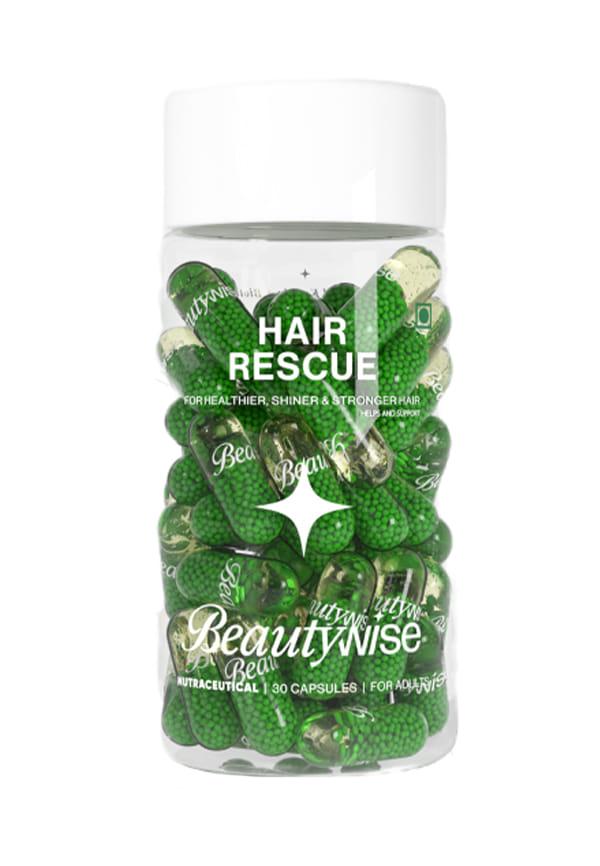
Hair Rescue, Hair Aminos, Vitamins, DHT Blocker for Hairfall Control & Growth
You've probably scrolled past countless posts claiming biotin is the magic pill for stronger, thicker hair. Maybe you've even stood in the supplement aisle, staring at bottles promising dramatic hair transformation. But here's the thing — whilst biotin does play a role in hair health, the reality is a bit more nuanced than those before-and-after photos suggest. If you're dealing with brittle strands, thinning hair, or just want to understand whether biotin is worth adding to your routine, you're in the right place. Let's break down everything you need to know about biotin for hair strength, from the science behind it to what you can realistically expect.
Real talk — biotin benefits for hair aren't as universal as social media makes them seem. The science shows that biotin supplements primarily help people who are actually deficient in this B vitamin. If your biotin levels are already normal, popping extra supplements might not give you the dramatic hair transformation you're hoping for.
Clinical studies reveal an interesting pattern: people with biotin deficiency often experience brittle hair, hair loss, and weak nails. When they start supplementing, their hair strength genuinely improves. However, research on biotin's effects in people with normal biotin levels shows much more modest results. A 2017 study found that whilst biotin supplementation can improve hair quality in deficient individuals, the benefits for those with adequate biotin levels are limited.
Here's where it gets interesting though. Some people do report stronger, healthier-looking hair after taking biotin supplements, even when they're not technically deficient. This might be because modern diets and lifestyle factors can affect how well our bodies absorb and utilise biotin. Stress, certain medications, and even frequent hair washing can impact biotin levels.
The key is understanding that biotin works best as part of a comprehensive approach to hair health. It's not a standalone miracle cure, but it can be a useful piece of the puzzle, especially when combined with other vitamins for hair and proper haircare practices.
The recommended daily intake of biotin for adults is actually quite small — just 30 micrograms. But here's where things get confusing: most hair growth supplements contain doses that are 100 to 300 times higher than this baseline recommendation.
Common biotin dosages in supplements range from 2,000 to 5,000 micrograms (or 2-5 milligrams). Some products even go as high as 10,000 micrograms. The question is: do you actually need these mega-doses for stronger hair naturally?
Most dermatologists suggest starting with lower doses around 2,500 micrograms if you suspect you might benefit from biotin supplementation. This amount is generally considered safe and may provide benefits without going overboard.
If you're wondering whether 40 micrograms of biotin is enough for hair growth, the answer depends on your individual needs. For someone with adequate biotin levels, even this small amount might be sufficient when combined with a balanced diet rich in biotin-containing foods like eggs, nuts, and leafy greens.
The truth is, more isn't always better with biotin. Your body can only absorb and use so much at once, and excess amounts are simply excreted through urine. Plus, extremely high doses can actually interfere with lab tests, which we'll discuss in the next section.
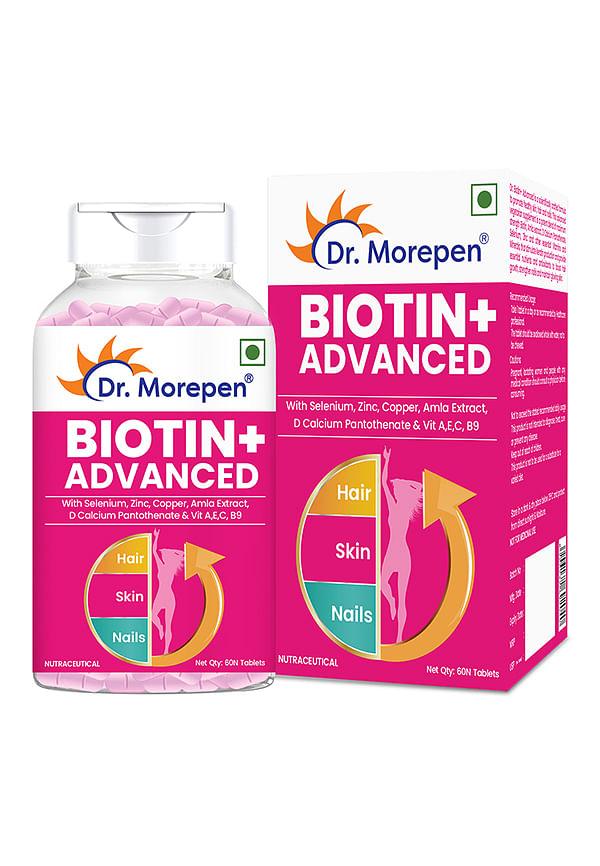
Biotin+ Advanced Tablets for Hair Growth, Glowing Skin & Healthy Nails with Multivitamins & Natural Extracts - 60 Tablets
Whilst biotin is generally considered safe, there are some important things to know before you start supplementing. The most significant concern isn't about toxicity — it's about how biotin can mess with medical test results.
High-dose biotin supplements can interfere with various lab tests, including thyroid function tests, cardiac markers, and hormone levels. This interference can lead to falsely high or low results, potentially affecting medical diagnoses. If you're taking biotin supplements, always inform your healthcare provider before any blood work.
Most people tolerate biotin well, but some may experience mild side effects like digestive upset, skin rashes, or changes in sleep patterns. These effects are typically dose-dependent and resolve when the dosage is reduced.
Pregnant and nursing women should be particularly cautious about biotin supplementation. Whilst biotin is important during pregnancy, it's best to get it from food sources or prenatal vitamins rather than high-dose supplements unless specifically recommended by a healthcare provider.
One of the most common questions about biotin for hair strength is: when will I see results? The honest answer is that it varies significantly from person to person, but there are some general patterns to expect.
Hair grows at an average rate of about half an inch per month, so any improvements in hair strength and quality will take time to become visible. Most people who benefit from biotin supplementation start noticing changes after about 3-4 months of consistent use.
In the first month, you're unlikely to see dramatic changes in your hair. However, some people report that their nails become stronger during this period, which can be an early indicator that the biotin is working.
By month two or three, you might notice that new hair growth feels slightly stronger or that you're experiencing less breakage when styling. The key word here is 'might' — not everyone will see these changes, especially if they weren't biotin deficient to begin with.
After three to six months of consistent use, any benefits from biotin supplementation should be apparent. If you haven't noticed improvements by this point, biotin might not be the right solution for your hair concerns.
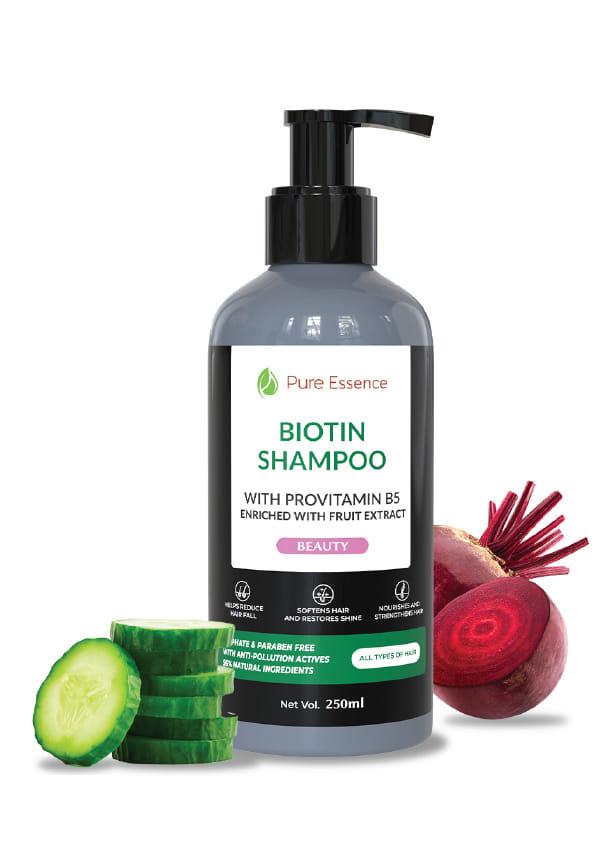
Biotin Shampoo | Softens Hair | Nourishes Scalp | Lowers Hairfall
Whilst biotin gets a lot of attention, it's just one of many nutrients that support healthy hair. A comprehensive approach to hair loss treatment often involves multiple vitamins for hair working together.
Iron deficiency is actually one of the most common nutritional causes of hair loss, particularly in women. Vitamin D, zinc, and protein are also crucial for hair health. Some people find that a well-rounded hair supplement containing multiple nutrients is more effective than biotin alone.
Vitamin C helps with iron absorption and collagen production, both important for hair strength. B-complex vitamins, including biotin, work synergistically to support hair growth. Omega-3 fatty acids can help with scalp health and may reduce inflammation that contributes to hair loss.
If you prefer to strengthen hair naturally without supplements, focus on a nutrient-dense diet. Foods rich in biotin include eggs (especially the yolks), nuts, seeds, salmon, and sweet potatoes. A balanced diet that includes adequate protein, healthy fats, and a variety of vitamins and minerals often provides better results than isolated supplements.
For people with normal biotin levels, the evidence for increased hair strength is limited. Biotin supplements are most effective for those who are actually deficient in this vitamin. However, some individuals may still experience modest improvements in hair quality, possibly due to better absorption or utilisation of the nutrient.
Most experts recommend starting with 2,500 micrograms daily if you choose to supplement. This dose is generally safe and may provide benefits without the risks associated with extremely high doses. Always consult with a healthcare provider before starting any new supplement regimen.
Look for biotin supplements that are third-party tested for purity and potency. The 'best' supplement depends on your individual needs, but generally, products containing 2,500-5,000 micrograms of biotin along with other hair-supporting nutrients like zinc and iron tend to be more effective than biotin-only formulations.
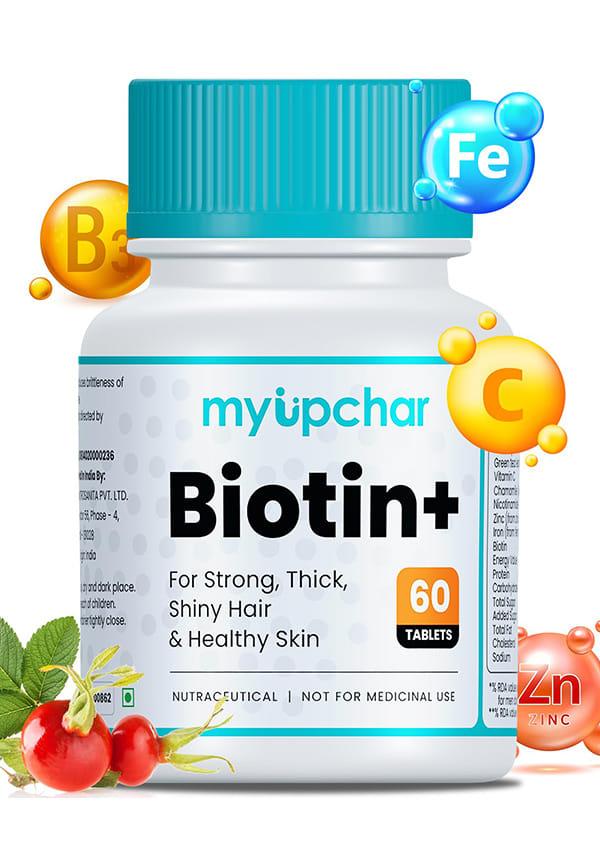
Ayurveda Biotin+ Tablet | Supplement For Strong & Thick Hair
Biotin primarily improves the strength and quality of existing hair rather than preventing hair loss from genetic or hormonal causes. If your hair loss is due to biotin deficiency, supplementation may help reduce shedding. However, for androgenetic alopecia or other types of hair loss, biotin alone is unlikely to be effective.
Biotin supports the production of keratin, the protein that makes up hair strands. In people with biotin deficiency, supplementation can lead to stronger, less brittle hair that may appear thicker due to reduced breakage. However, biotin doesn't actually increase the number of hair follicles or change the diameter of individual hair strands.
Yes, many foods contain biotin naturally. Egg yolks are one of the richest sources, along with nuts (especially almonds and peanuts), seeds, salmon, sweet potatoes, and leafy greens. A varied diet that includes these foods can help maintain adequate biotin levels without supplementation.
If you haven't seen any improvements after 6 months of consistent use, biotin supplementation probably isn't beneficial for you. Also, stop taking biotin at least 72 hours before any medical lab work to avoid test interference. Always consult your healthcare provider if you experience any side effects.
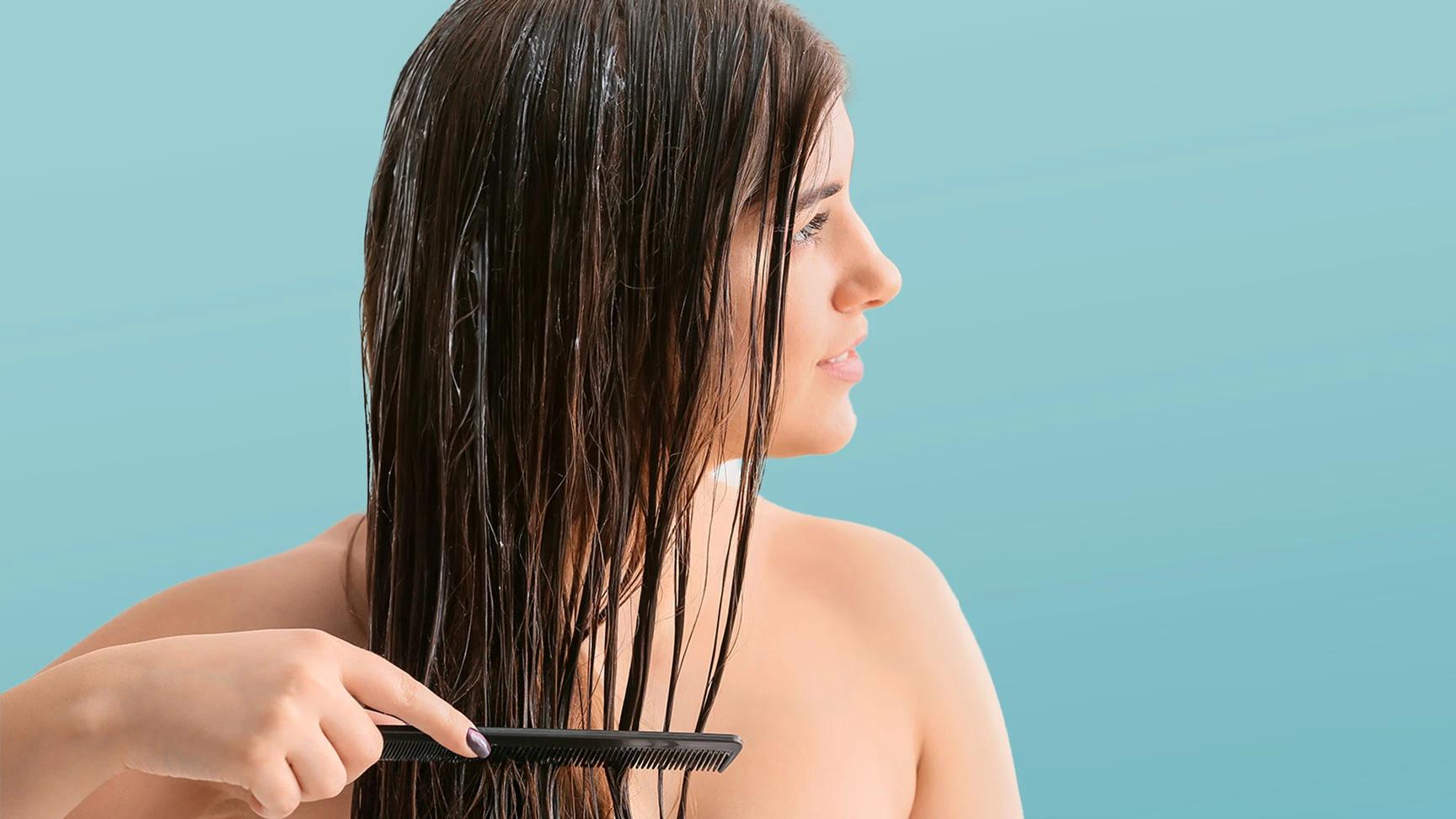
Biotin supplements work best when combined with proper haircare practices. Gentle handling is crucial — avoid tight hairstyles that pull on your hair, use a wide-tooth comb on wet hair, and limit heat styling when possible.
Your scalp health plays a huge role in hair strength. Regular scalp massage can improve circulation, and using products with ingredients like salicylic acid or tea tree oil can help maintain a healthy scalp environment. Protecting your hair from environmental damage with UV-protective products and silk pillowcases can also make a difference.
Stress management is often overlooked but incredibly important for hair health. Chronic stress can disrupt the hair growth cycle and contribute to hair loss. Regular exercise, adequate sleep, and stress-reduction techniques can support your hair health goals alongside any supplements you choose to take.
Biotin for hair strength isn't a one-size-fits-all solution, but it can be helpful for certain people, particularly those with biotin deficiency. The key is having realistic expectations and understanding that hair health is influenced by multiple factors including genetics, diet, stress levels, and overall health.
If you're curious about trying biotin or other hair growth supplements, consider exploring the curated selection available through platforms that let you test products before committing to full sizes. This approach lets you see how your hair responds to different formulations without the financial risk of purchasing large bottles that might not work for you.
