Biotin for Hair Growth: Your FAQ Answered

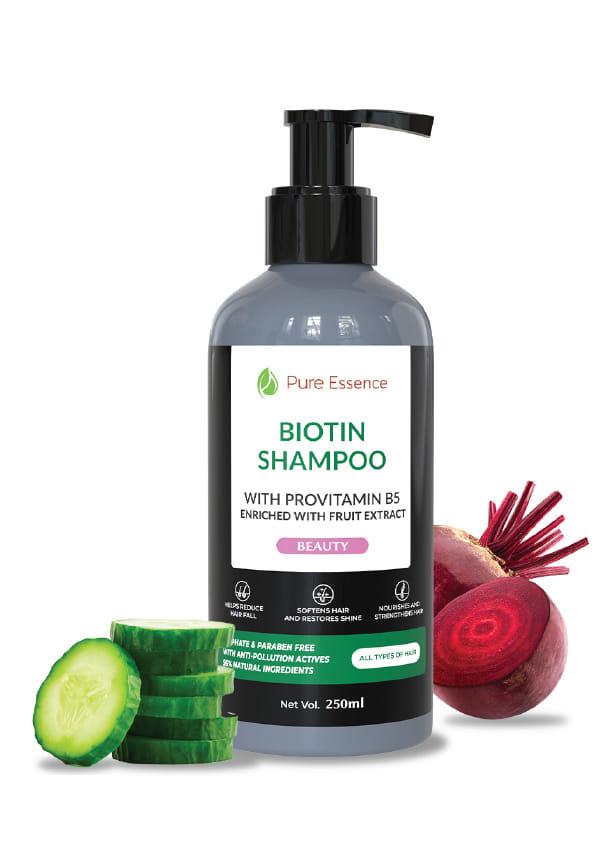
Biotin Shampoo | Softens Hair | Nourishes Scalp | Lowers Hairfall
Positive Product Review
 5
5“Good product, thank you for the support”
Positive Product Experience
5“it's better experience everything in this product is soo nice good worth it ❤️”
You've probably scrolled past countless before-and-after photos of people claiming biotin transformed their hair from thin to thick in just weeks. Maybe you've even added biotin supplements to your cart, wondering if this could be the answer to your hair concerns. But here's the thing — the internet is full of mixed messages about biotin, and it's hard to know what's actually true. Let's cut through the noise and get to the real facts about whether biotin can help your hair grow.
Biotin, also known as Vitamin B7 or Vitamin H, is a water-soluble vitamin that plays a crucial role in your body's metabolism. Think of it as one of the building blocks your body uses to process fats, carbohydrates, and proteins. When it comes to hair, biotin is involved in the production of keratin — the protein that makes up your hair, skin, and nails.
Here's how it works: your hair follicles need a steady supply of nutrients to produce strong, healthy hair strands. Biotin helps convert the food you eat into energy and supports the production of amino acids, which are then used to build keratin. Without enough biotin, this process can slow down, potentially leading to weaker hair or even hair loss.
But here's where it gets interesting — biotin deficiency is actually quite rare in healthy adults. Your body only needs a small amount of biotin daily (about 30 micrograms), and it's found in many common foods. Plus, the bacteria in your gut can produce some biotin naturally. So while biotin is essential for hair health, most people already get enough from their regular diet.
The biotin-for-hair trend really took off because of a few high-profile studies and lots of marketing. But the reality is more nuanced than the hype suggests. If you're already getting enough biotin, taking more won't necessarily make your hair grow faster or thicker.
Let's be real about what the science actually says. The research on biotin for hair growth is pretty limited, and the results depend heavily on whether you're deficient in biotin to begin with.
For people with biotin deficiency, supplementation can make a genuine difference. Studies have shown that individuals with confirmed biotin deficiency who take supplements often see improvements in hair strength, thickness, and growth. There are documented cases of people with genetic conditions affecting biotin metabolism who experienced significant hair regrowth after starting biotin therapy.
But here's the catch — if you're not biotin deficient, the evidence for hair growth benefits becomes much weaker. Most clinical studies on biotin and hair growth have been small, short-term, or conducted on people with underlying deficiencies. There aren't many robust, long-term studies showing that biotin supplementation helps hair growth in healthy individuals with normal biotin levels.
Compare this to proven hair growth treatments like minoxidil, which has decades of research and FDA approval for treating hair loss. The evidence just isn't at the same level for biotin in healthy people.
That said, some people do report positive results from biotin supplements, even without a diagnosed deficiency. This could be due to other factors — improved nutrition overall, better hair care habits, or even a placebo effect. The key is setting realistic expectations and understanding that biotin isn't a magic solution for everyone.
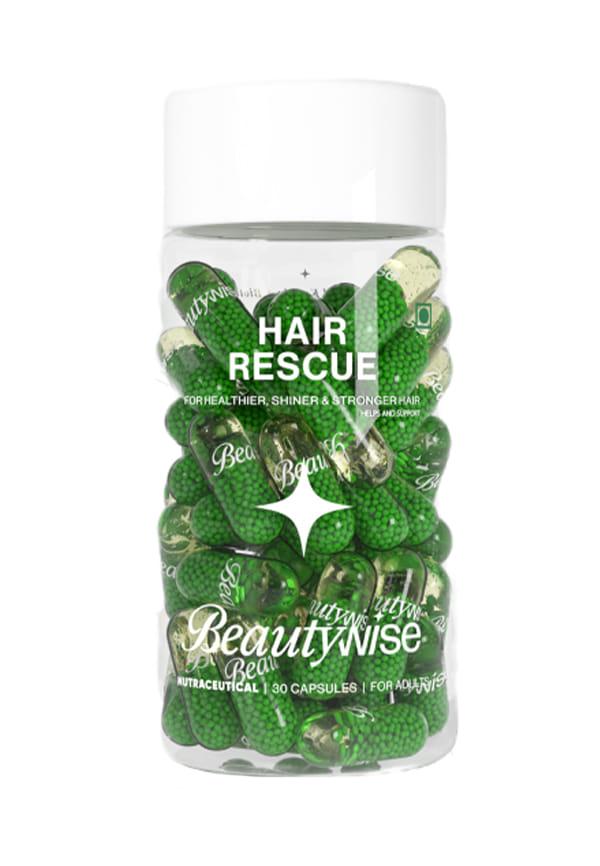
Hair Rescue, Hair Aminos, Vitamins, DHT Blocker for Hairfall Control & Growth
Good product, slow hair growth
4“good product but slow process of growth of hair”
Hair Improvement
5“my hair are improving day by day.”
Biotin supplementation makes the most sense for specific groups of people. Pregnant and breastfeeding women often have increased biotin needs and may benefit from supplementation. People taking certain medications, like anti-seizure drugs or antibiotics, can develop biotin deficiency over time.
If you're experiencing hair loss, it's worth considering whether biotin deficiency could be a factor. Symptoms include thinning hair, brittle nails, skin rashes, and fatigue. However, these symptoms can have many causes, so it's important to get proper testing rather than self-diagnosing.
For androgenetic alopecia (male or female pattern baldness), biotin alone is unlikely to be effective. This type of hair loss is primarily driven by genetics and hormones, not nutritional deficiencies. You'd likely see better results with treatments specifically designed for pattern hair loss.
If you decide to try biotin supplements, knowing the right dosage is crucial. The recommended daily allowance for biotin is 30 micrograms for adults, but hair growth supplements often contain much higher amounts — sometimes 5,000 to 10,000 micrograms (5-10 milligrams).
While biotin is generally considered safe because it's water-soluble (excess amounts are excreted in urine), there are some important considerations. High doses of biotin can interfere with certain lab tests, including thyroid function tests and cardiac markers. This interference can lead to false results, which could affect medical diagnoses. If you're taking biotin supplements, make sure to tell your doctor before any blood tests.
Some people experience mild side effects from high-dose biotin, including digestive upset, skin reactions, or sleep disturbances. These are typically rare and resolve when you stop taking the supplement.
Most experts suggest starting with a lower dose (around 1,000-2,500 micrograms) if you want to try biotin for hair health. You can always increase gradually if needed, but there's no evidence that mega-doses work better than moderate amounts.
Before reaching for supplements, consider boosting your biotin intake through food. Eggs are one of the best sources — specifically egg yolks, which contain about 10 micrograms of biotin each. Other excellent sources include nuts (especially almonds and peanuts), seeds, sweet potatoes, and organ meats like liver.
Salmon, avocados, and cauliflower also provide decent amounts of biotin. The advantage of getting biotin from food is that you're also getting other nutrients that support hair health, like protein, healthy fats, and vitamins A and C.

Hair Revive | Plant Based Biotin | Promotes Healthy Hair and Fights Hair Fall
However, there's one important note about eggs: eating raw egg whites can actually interfere with biotin absorption due to a protein called avidin. Cooking eggs eliminates this issue, so stick to cooked eggs if you're trying to boost your biotin intake.
Supplements can be useful if you have dietary restrictions that make it hard to get enough biotin from food, or if you've been diagnosed with a deficiency. But for most people, a balanced diet provides adequate biotin for healthy hair growth.
If you're serious about addressing hair loss or promoting hair growth, there are treatments with much stronger scientific backing than biotin alone. Minoxidil (available over-the-counter) has decades of research showing it can slow hair loss and promote regrowth in both men and women.
For men with male pattern baldness, finasteride is another FDA-approved option that works by blocking the hormone DHT, which contributes to hair loss. These treatments have much more robust evidence than biotin supplements.
Beyond specific treatments, focusing on overall scalp and hair health can make a real difference. This includes gentle hair care practices, protecting your hair from heat damage, managing stress, getting adequate sleep, and maintaining a nutritious diet rich in protein, iron, and vitamins.
Some people find success with topical treatments that combine multiple ingredients, including biotin along with other hair-supporting compounds. While the biotin component might not be the active ingredient, these comprehensive approaches can be more effective than single-ingredient solutions.
Biotin may help improve hair thickness if you're deficient in this vitamin, as it supports keratin production. However, for people with normal biotin levels, there's limited evidence that supplementation will make hair noticeably thicker. Hair thickness is largely determined by genetics, and biotin won't change your natural hair diameter.
Hair growth rate is primarily determined by genetics and typically averages about half an inch per month. While biotin supports the hair growth process, there's no strong evidence that supplementation significantly speeds up growth in healthy individuals. Any perceived increase in growth rate might be due to stronger, less breakage-prone hair rather than actual faster growth.
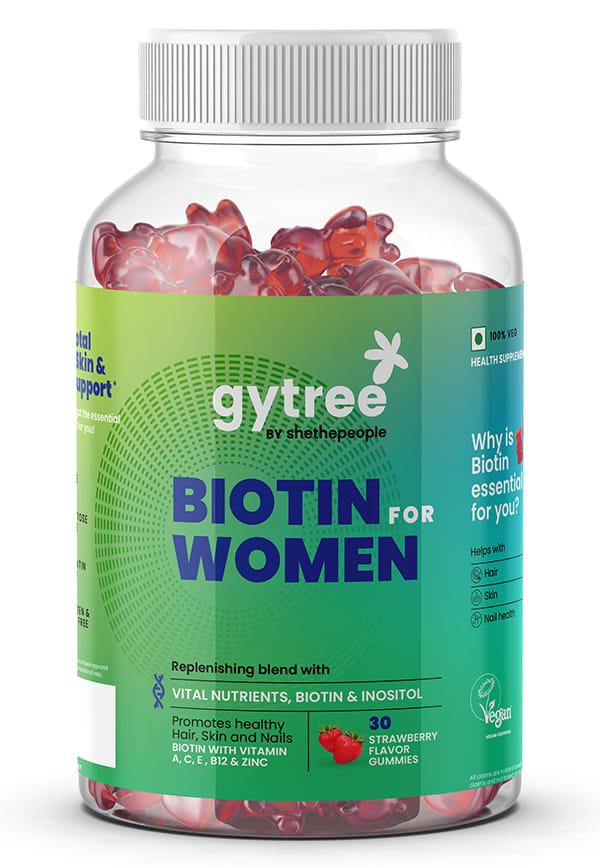
The Total Hair, Skin & Nail Support Biotin Gummies
Biotin can help women's hair growth if they have a biotin deficiency, which can occur during pregnancy, breastfeeding, or due to certain medical conditions. For women with normal biotin levels, the benefits are less clear. Women experiencing hair loss should consider other factors like hormonal changes, stress, or nutritional deficiencies beyond just biotin.
Taking biotin daily is generally safe for most people, as it's a water-soluble vitamin that your body excretes when you have excess amounts. However, high doses can interfere with lab tests and may cause minor side effects like digestive upset in some people. It's best to stick to recommended dosages and inform your doctor if you're taking biotin supplements.
If biotin is going to help your hair, you typically won't see results for at least 3-6 months. This is because hair grows slowly, and it takes time for new, healthier hair to grow out and become visible. Some people report seeing improvements in hair strength or reduced breakage sooner, but significant changes in growth or thickness take patience.
While biotin toxicity is rare due to its water-soluble nature, taking extremely high doses isn't recommended. Very high amounts can interfere with medical tests and may cause side effects. Most experts suggest staying under 10,000 micrograms daily unless specifically recommended by a healthcare provider for a diagnosed deficiency.
The truth about biotin and hair growth is more nuanced than the marketing claims suggest. While biotin is genuinely important for hair health, supplementation primarily benefits people who are deficient in this vitamin. For most healthy adults, biotin supplements are unlikely to dramatically transform their hair.
If you're dealing with hair concerns, consider getting a comprehensive evaluation to identify potential causes. This might include checking for nutritional deficiencies, hormonal imbalances, or underlying health conditions. A targeted approach based on your specific situation is likely to be more effective than taking biotin supplements alone.
That said, biotin supplements are generally safe and affordable, so there's minimal risk in trying them if you're curious. Just keep your expectations realistic and give it several months to see if you notice any changes. Not sure which hair growth supplements might work for your specific concerns? Smytten also offers trial-size versions of many hair vitamins and treatments — a good way to explore different options before committing to full bottles.
