Biotin Deficiency Hair Loss FAQ: Your Questions Answered

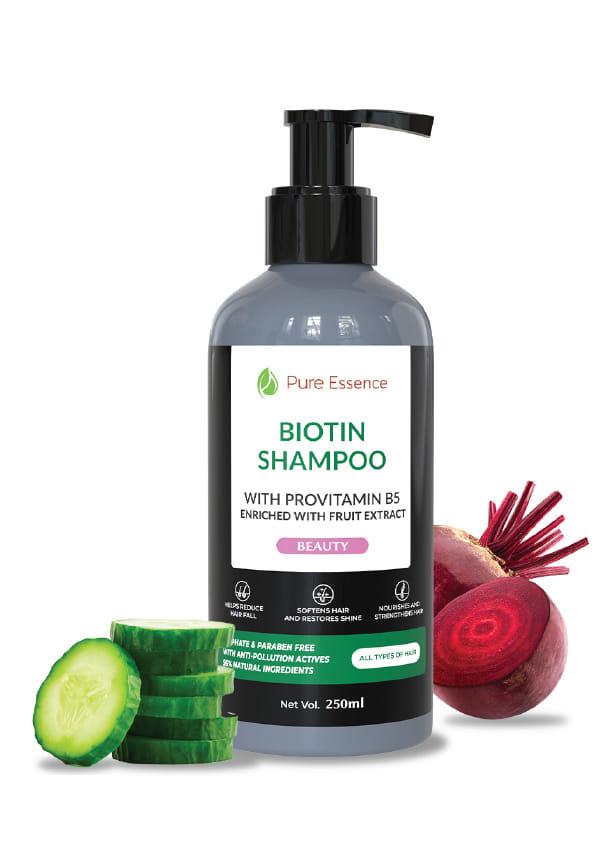
Biotin Shampoo | Softens Hair | Nourishes Scalp | Lowers Hairfall
Positive Product Review
 5
5“Good product, thank you for the support”
Positive Product Experience
5“it's better experience everything in this product is soo nice good worth it ❤️”
You've been scrolling through endless hair growth transformations on social media, and suddenly biotin supplements seem like the magic answer to your thinning hair. But here's the thing—whilst biotin deficiency can genuinely cause hair loss, true deficiency is actually pretty rare. Most of us get enough biotin from our regular diet, yet the supplement industry has convinced millions that popping biotin pills will give them Rapunzel-worthy locks. Let's dig into what's actually happening with biotin deficiency hair loss and separate the facts from the marketing hype.
Biotin, also known as vitamin B7, plays a crucial role in keratin production—the protein that makes up your hair, skin, and nails. When your body doesn't have enough biotin, it can't produce keratin properly, leading to weak, brittle hair that breaks easily and may eventually thin out. But before you blame biotin for your hair woes, it's worth understanding what true biotin deficiency actually looks like.
Your hair follicles are basically tiny factories constantly producing keratin. Biotin acts as a co-enzyme in this process, helping convert amino acids into the building blocks your hair needs. Without adequate biotin, this production line slows down, resulting in weaker hair strands that are more prone to breakage and hair thinning.
Real biotin deficiency doesn't just show up as hair loss—it comes with a whole package of symptoms that are pretty hard to miss. We're talking about scaly red rashes around your mouth, nose, and eyes, conjunctivitis, and even neurological symptoms like depression, numbness, or tingling in your hands and feet. Hair loss and brittle nails are actually among the later signs, not the first ones you'd notice.
Here's the reality check: biotin is found in loads of everyday foods, and your gut bacteria actually produce some biotin too. Plus, your body recycles biotin pretty efficiently, so deficiency is genuinely uncommon in healthy people eating a varied diet. Most hair loss has nothing to do with biotin levels.
The people who might actually develop biotin deficiency include those with rare genetic disorders like biotinidase deficiency, individuals taking certain medications (particularly anti-seizure drugs), people with gut absorption issues from conditions like IBD or after gastric surgery, and yes, those who consume loads of raw egg whites regularly—the avidin protein in raw eggs binds to biotin and prevents absorption.
The supplement aisle is packed with biotin products promising miraculous hair growth, but let's be real about when these actually work and when you're just funding expensive urine. Understanding the difference between marketing claims and medical evidence can save you both money and disappointment.
Biotin supplements genuinely help if you have confirmed biotin deficiency—which, as we've established, is pretty rare. They might also benefit people with certain genetic conditions affecting biotin metabolism or those taking medications that interfere with biotin absorption. For everyone else, you're likely already getting enough biotin from food.
If your hair loss isn't caused by biotin deficiency, taking biotin supplements won't magically restore your hair. It's like trying to fix a leaky tap by adding more water—you're not addressing the actual problem. Most hair loss in both men and women is due to genetics, hormones, or other factors that biotin can't touch.
Want treatments that actually work for common hair loss? Look into minoxidil (proven to stimulate hair growth), finasteride (blocks DHT hormone that causes male pattern baldness), and derma rolling or microneedling (stimulates blood flow to follicles). These have solid research backing them up, unlike most biotin claims.
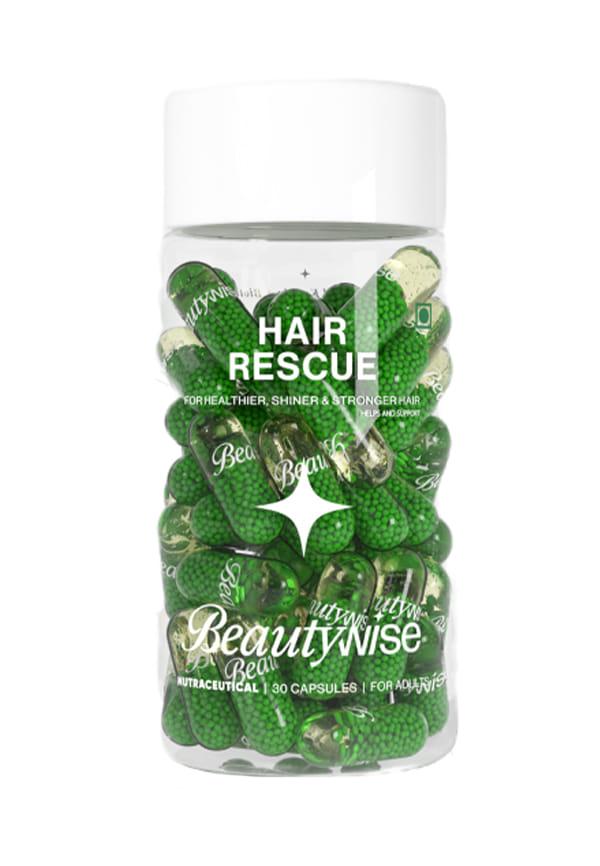
Hair Rescue, Hair Aminos, Vitamins, DHT Blocker for Hairfall Control & Growth
Good product, slow hair growth
4“good product but slow process of growth of hair”
Hair Improvement
5“my hair are improving day by day.”
Here's something your supplement bottle probably doesn't mention: high-dose biotin can mess with certain lab tests, including thyroid function tests and cardiac markers. If you're taking biotin supplements and need blood work done, tell your doctor—it could affect your results and lead to misdiagnosis.
Whilst biotin gets all the attention, B12 deficiency is actually more common and can also cause hair loss. B12 is crucial for red blood cell formation and oxygen delivery to hair follicles. If you're vegetarian or have absorption issues, B12 might be more worth your attention than biotin.
Rather than reaching for supplements, focusing on biotin-rich foods is a more balanced approach to ensuring adequate intake. Your body tends to absorb nutrients from food more effectively than from pills, plus you get other beneficial compounds along with the biotin.
Cooked egg yolks are biotin powerhouses—one large egg yolk contains about 10 micrograms of biotin. Nuts and seeds like almonds, walnuts, and sunflower seeds are excellent sources too. Sweet potatoes, avocados, salmon, and even mushrooms pack decent amounts of biotin. Notice how these are all whole foods, not processed supplements.
The adequate intake for biotin is just 30 micrograms per day for adults—that's easily achievable through food. Many biotin supplements contain 1,000 to 10,000 micrograms, which is way more than your body can use. Your kidneys will just filter out the excess, making your urine expensive but not your hair any healthier.
Healthy hair needs more than just biotin—it requires protein (hair is mostly protein, after all), iron, zinc, vitamin D, and omega-3 fatty acids. A balanced diet with lean proteins, leafy greens, fatty fish, and colourful fruits and vegetables will do more for your hair than any single supplement.
Most hair loss has nothing to do with biotin levels, so it's worth understanding what might actually be causing your hair concerns. From genetics to hormones to other nutritional factors, there are several more likely culprits behind hair thinning and hair breakage.
This is the most common cause of hair loss in both men and women, affecting up to 80% of people at some point. It's caused by sensitivity to dihydrotestosterone (DHT), a hormone that shrinks hair follicles over time. No amount of biotin will change your genetics or hormone sensitivity.
Women can experience hair loss due to pregnancy, menopause, PCOS, or thyroid disorders. These hormonal shifts affect hair growth cycles in ways that biotin supplements simply can't address. If you're experiencing sudden or significant hair loss, hormonal evaluation is far more useful than biotin testing.
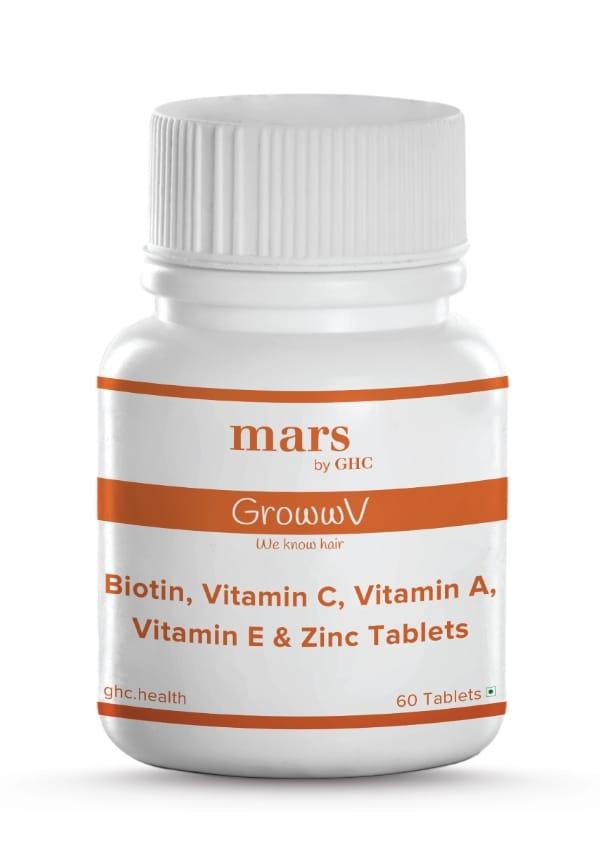
Biotin Natural Supplement to Control Hair Fall
Iron deficiency is actually much more common than biotin deficiency and can definitely cause hair loss, especially in women. Low ferritin levels (iron storage) can disrupt hair growth even before you become anaemic. Zinc deficiency can cause hair loss too, and vitamin D plays a role in hair follicle health. These are all more likely culprits than biotin.
Autoimmune conditions like alopecia areata, scalp infections, trichotillomania (hair pulling), and even stress can cause significant hair loss. Certain medications, crash diets, and physical trauma to hair from tight hairstyles or chemical treatments are also common causes that biotin won't fix.
If you don't have biotin deficiency, stopping biotin supplements won't cause hair loss. Your hair was likely growing fine before you started taking biotin, and it'll continue growing fine after you stop. Any perceived hair loss after stopping supplements is probably coincidental or due to other factors like stress, seasonal changes, or the natural hair growth cycle.
Honestly, if you're eating a balanced diet, you probably don't need biotin tablets at all. If you do have confirmed biotin deficiency, any reputable brand will work—biotin is biotin, regardless of fancy marketing. Look for third-party tested products and avoid mega-doses that are way above the recommended intake.
Yes, true biotin deficiency can cause hair loss, but it's quite rare and usually comes with other obvious symptoms like skin rashes and neurological issues. If you're only experiencing hair loss without other symptoms, biotin deficiency is unlikely to be the cause. Most hair loss has other underlying factors.
Two whole eggs provide about 20 micrograms of biotin, which is actually more than the daily adequate intake of 30 micrograms when combined with biotin from other foods in your diet. Eggs are also rich in protein and other nutrients that support hair health, making them a better choice than supplements for most people.
Most dramatic before and after photos you see are either from people who had genuine deficiency (rare), people who made multiple changes to their routine, or simply the result of better hair care and styling. Biotin alone rarely produces the dramatic transformations shown in marketing materials. Be sceptical of claims that seem too good to be true.
Whilst it's tempting to self-diagnose and try supplements first, some hair loss situations really do need professional evaluation. Knowing when to seek medical advice can save you time, money, and potentially catch underlying health issues early.
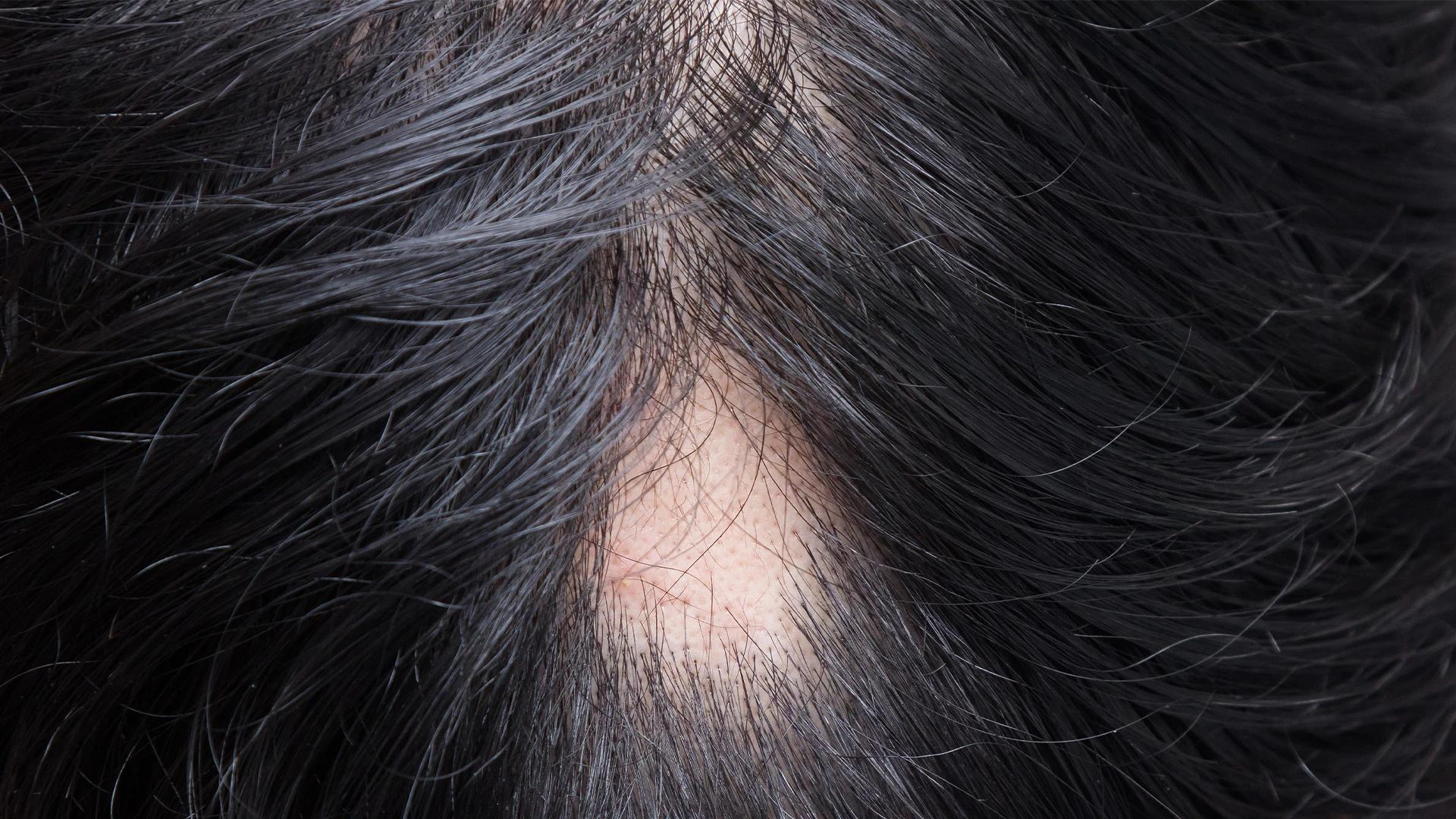
See a doctor if you're experiencing sudden, patchy hair loss, hair loss accompanied by scalp irritation or pain, hair loss along with fatigue or other systemic symptoms, or if you're losing more than 100-150 hairs per day consistently. These could indicate underlying medical conditions that need proper diagnosis and treatment.
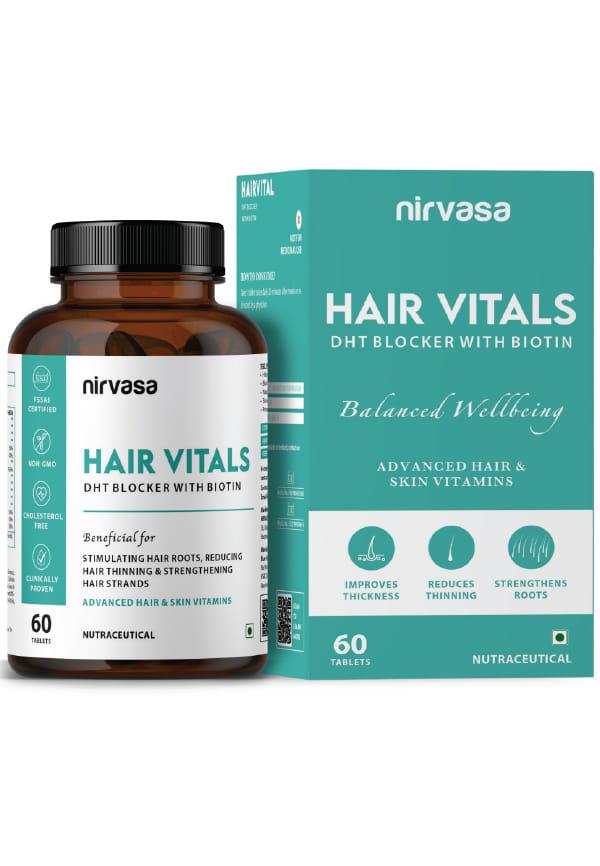
Hair Vitals DHT Blocker with Biotin Tablets | Hair Vitamins for Men & Women
Useful Nirvasa Product
4“Very useful product from Nirvasa”
Positive Product Feedback
4“good product..................”
Positive Hair Vitamin Review
5“Hair vitamins from this brand is good”
A proper hair loss evaluation might include blood tests for iron levels, thyroid function, hormone levels, and yes, sometimes vitamin levels including biotin. Your doctor might also perform a pull test, examine your scalp under magnification, or even do a scalp biopsy in some cases.
Biotin deficiency is typically diagnosed through blood tests measuring biotin levels or urinary biotin excretion. However, if you've been taking biotin supplements, you'll need to stop them for several days before testing to get accurate results. Your doctor will also look for the clinical signs we mentioned earlier.
If you do have confirmed biotin deficiency, treatment usually involves biotin supplements at therapeutic doses (much higher than over-the-counter supplements) and addressing any underlying causes like medication interactions or absorption issues. Your doctor will monitor your progress and adjust treatment accordingly.
Depending on your diagnosis, your doctor might recommend topical minoxidil, oral medications like finasteride, hormone therapy, iron supplements, or other treatments specific to your situation. These evidence-based treatments are far more effective for most types of hair loss than biotin supplements.
Building a solid haircare routine goes way beyond just taking supplements. Real hair health comes from a combination of proper nutrition, gentle hair handling, and consistent care practices that support your hair's natural growth cycle.
Gentle handling is crucial—avoid tight hairstyles, excessive heat styling, and aggressive brushing when hair is wet. Use a wide-tooth comb on damp hair and let it air dry when possible. Sleep on silk or satin pillowcases to reduce friction, and protect your hair from sun damage with UV-protective products.
If you're going to supplement, focus on nutrients that are commonly deficient and actually impact hair health. Iron (if you're deficient), vitamin D, omega-3 fatty acids, and a good quality multivitamin are more likely to benefit your hair than mega-dose biotin. Always check with your doctor before starting new supplements.
Stress management is huge for hair health—chronic stress can push hair follicles into the resting phase, leading to increased shedding. Regular exercise improves circulation to the scalp, adequate sleep supports overall health, and avoiding crash diets prevents nutritional deficiencies that can affect hair growth.
Focus on consistency rather than quick fixes. Use gentle, sulphate-free shampoos appropriate for your hair type, condition regularly to prevent breakage, and trim your hair every 6-8 weeks to prevent split ends from travelling up the hair shaft. These basic practices will do more for your hair than any supplement.
Real talk: biotin deficiency hair loss is genuine but rare, and most people experiencing hair loss don't have biotin deficiency. True deficiency comes with obvious symptoms beyond just hair issues, and if you're eating a reasonably balanced diet, you're probably getting enough biotin already. The supplement industry has done a brilliant job convincing us that biotin is the answer to all hair woes, but the science doesn't back up these claims for most people.
If you're dealing with hair loss, focus on identifying the actual cause rather than throwing supplements at the problem. Genetics, hormones, stress, and other nutritional deficiencies are far more likely culprits than biotin levels. A proper medical evaluation can help pinpoint what's really going on and guide you toward treatments that actually work.
For those curious about trying different hair care products without the commitment of full-size purchases, Smytten offers trial-size versions of many hair care products from trusted brands—a smart way to test what works for your specific hair needs before investing in full bottles. After all, finding the right products for your hair type is often more valuable than any single supplement.
