Best Shampoo for Flakes FAQ: Your Scalp Care Questions Answered

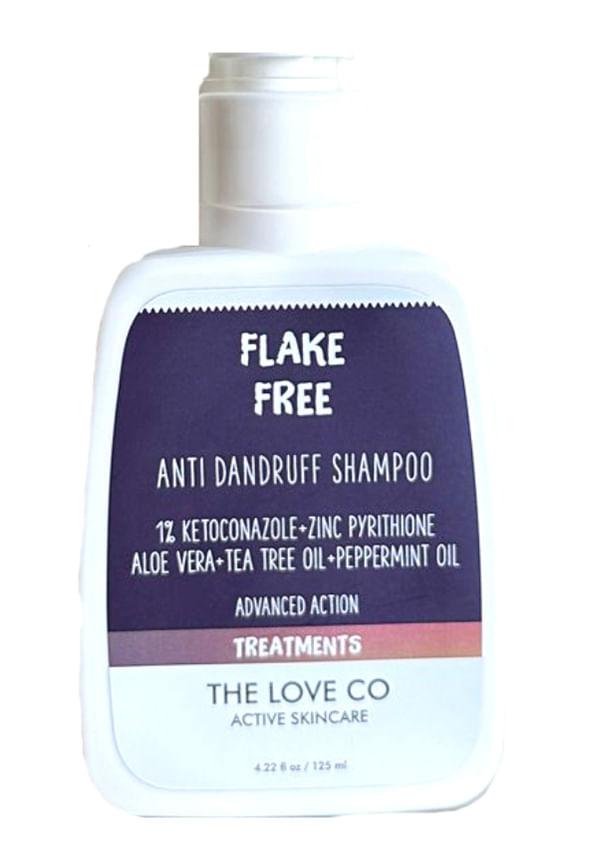
Anti Dandruff Shampoo - Flake Free - 125ml
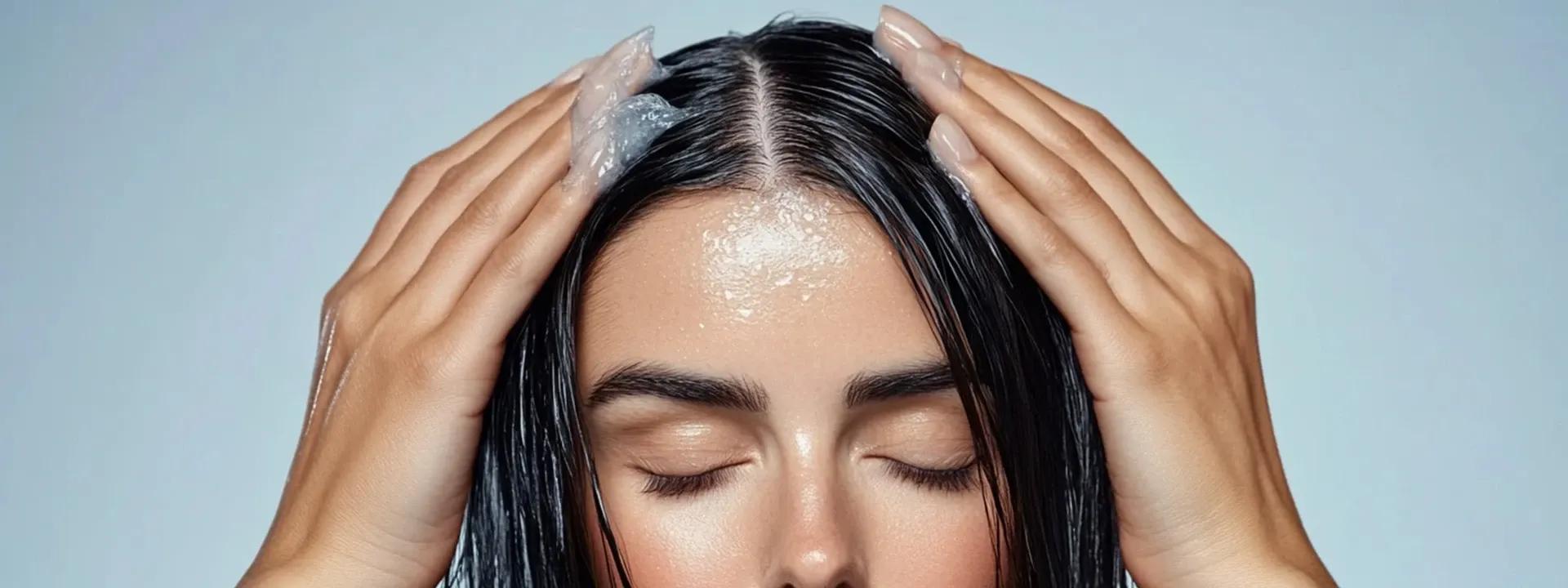
You know that moment when you're getting ready for something important and notice those tiny white flakes scattered across your shoulders? Or when your scalp feels so itchy that you can't focus on anything else? We've all been there, and honestly, it's one of those things that can really knock your confidence. The good news is that finding the best shampoo for flakes doesn't have to be a guessing game filled with trial and error. Whether you're dealing with classic dandruff, a dry scalp, or something more complex like seborrheic dermatitis, the right scalp care approach can make all the difference.
Let's be real—not all flakes are created equal. That's probably the most important thing to understand when you're trying to find the right dandruff shampoo. What looks like simple dandruff might actually be dry scalp, product buildup, or even a condition like scalp psoriasis that needs a completely different approach.
Classic dandruff usually comes from a fungus called Malassezia that lives on everyone's scalp but sometimes gets a bit too comfortable. When this happens, your scalp produces more oil, and the fungus feeds on it, causing irritation and those yellowish, oily flakes. This type responds well to antifungal ingredients in medicated shampoo for flakes.
Dry scalp flakes, on the other hand, are typically smaller, whiter, and come with tightness or irritation. This happens when your scalp isn't producing enough natural oils, often due to weather changes, over-washing, or using harsh products. A dry scalp shampoo with moisturising ingredients works better here than traditional anti dandruff treatment.
Then there's seborrheic dermatitis, which is basically dandruff's more intense cousin. You'll notice thicker, more stubborn flakes, redness, and sometimes even patches that extend beyond your hairline. This condition often requires a seborrheic dermatitis shampoo with stronger active ingredients and possibly a dermatologist's guidance.
When you're scanning ingredient lists, there are a few powerhouse components that really make the difference between a regular shampoo and an effective flake free shampoo. Understanding what each one does helps you pick the right formula for your specific situation.
Ketoconazole is probably the gold standard for fungal-related dandruff. It's an antifungal that tackles the root cause rather than just treating symptoms. You'll find this in stronger medicated shampoo for flakes, and it's particularly effective for stubborn cases that haven't responded to gentler options.
Salicylic acid works differently—it's an exfoliant that helps remove buildup and dead skin cells while controlling oil production. This makes it brilliant for people who have both flakes and oily scalp issues. It's also gentler than some other options, so it works well in an itchy scalp shampoo for sensitive skin.
Piroctone olamine is another antifungal, but it's much gentler than ketoconazole. This ingredient is perfect for people who need consistent flake control but have sensitive scalps that can't handle stronger treatments. Many scalp care shampoo formulas use this as their primary active ingredient.
For dry scalp situations, look for moisturising ingredients like hyaluronic acid, aloe vera, or jojoba oil. These help restore your scalp's natural moisture barrier while still addressing the flaking. The best shampoo for dry scalp and dandruff often combines gentle antifungals with these hydrating components.
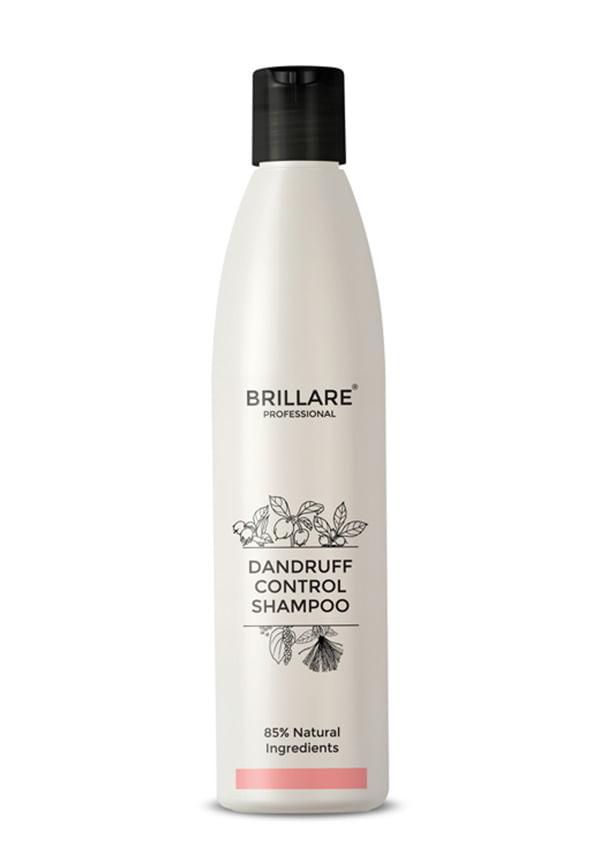
Dandruff Control Shampoo For Itchy, Flaky Scalp
Different scalp conditions need different approaches, and what works brilliantly for your friend might not be your kind of pick. Here's how to match your specific situation with the right treatment approach.
When you're dealing with classic dandruff—those yellowish, oily flakes that come with an itchy, sometimes smelly scalp—you need something with serious antifungal power. Ketoconazole-based shampoos are usually the go-to recommendation here. Use these 2-3 times per week, leaving the shampoo on your scalp for about 5 minutes before rinsing. This contact time is crucial for the active ingredients to work properly.
Dry scalp needs a completely different approach. You want a gentle formula that won't strip away what little natural oil your scalp is producing. Look for shampoos with a balanced pH around 5.5 and moisturising ingredients. These can often be used more frequently than medicated options, sometimes even daily if your scalp tolerates it well.
These conditions are more complex and often need stronger intervention. A shampoo for scalp psoriasis typically contains selenium sulfide or coal tar, which can be quite effective but also more drying. You might need to alternate between a medicated treatment and a moisturising shampoo to keep your scalp balanced.
Some people deal with both dandruff and other scalp concerns like hair fall. In these cases, you might need to rotate between different formulas or look for dual-action products that address multiple issues without being too harsh.
Here's something most people don't realise: how you use your dandruff shampoo matters just as much as which one you choose. The most common mistake is treating it like regular shampoo—applying it quickly and rinsing it straight off.
For most medicated formulas, you want to focus the shampoo on your scalp, not your hair lengths. Massage it in gently with your fingertips (not your nails), then leave it on for the recommended contact time. This is usually 3-5 minutes, but check your specific product instructions. This waiting period lets the active ingredients actually work on your scalp rather than just getting washed away immediately.
Frequency is another crucial factor. Most people assume that if a little is good, more must be better, but that's not always true with scalp care shampoo. Overuse can actually irritate your scalp and make flaking worse. Start with 2-3 times per week and adjust based on how your scalp responds.
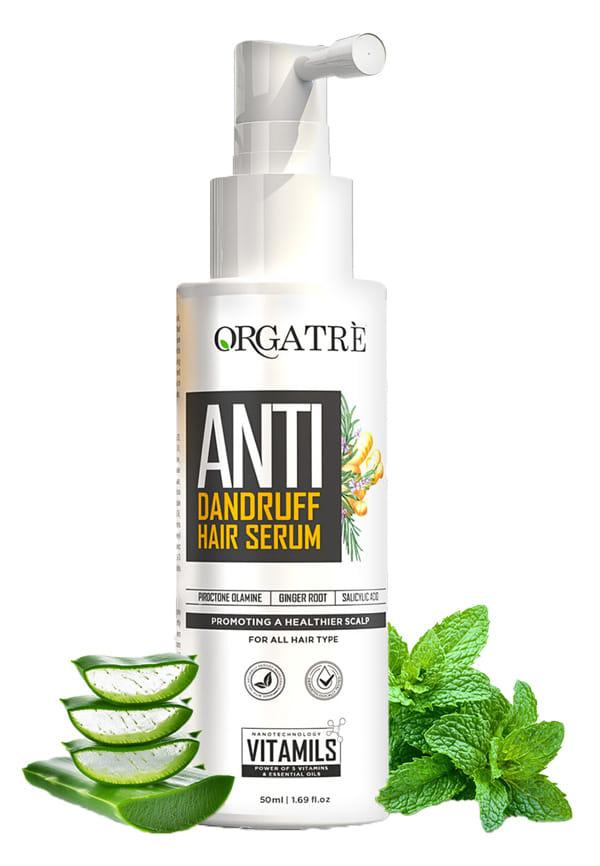
Anti Dandruff Hair Serum | Treatment for Dandruff, Flaky & Dry Scalp
If you're using a particularly strong medicated shampoo for flakes, consider alternating it with a gentle, moisturising formula. This helps prevent your scalp from becoming too dry or irritated while still maintaining the anti-flake benefits.
While finding the right flake free shampoo is crucial, your overall scalp care routine plays a huge role in long-term success. Think of it like skincare for your scalp—consistency and the right supporting products make all the difference.
Pre-shampoo treatments can be game-changers, especially for dry scalp conditions. A gentle scalp massage with jojoba oil or aloe vera gel 10-15 minutes before washing can help loosen flakes and add moisture. Just make sure to shampoo thoroughly afterwards to remove any residue.
Conditioner selection matters more than you might think. Many people with flaky scalps avoid conditioner completely, thinking it might make things worse, but the right formula can actually help. Look for lightweight, non-comedogenic conditioners and apply them only to your hair lengths, not your scalp.
Weekly treatments can provide extra support for stubborn cases. This might be a gentle exfoliating treatment with salicylic acid or a deeply moisturising mask for dry scalp situations. The key is consistency rather than intensity.
The most effective options typically contain ketoconazole or selenium sulfide as primary active ingredients. Ketoconazole-based formulas are often considered the gold standard by dermatologists because they target the fungal overgrowth that causes most dandruff cases. For sensitive scalps, piroctone olamine offers gentler antifungal action with less potential for irritation.
Start with a gentle scalp massage using your fingertips to loosen visible flakes before shampooing. Apply your chosen anti-dandruff treatment, focusing on the scalp rather than hair lengths. Leave it on for the recommended contact time, then rinse thoroughly. For stubborn flakes, a soft-bristled brush can help during the shampooing process, but avoid aggressive scrubbing which can worsen irritation.
Real talk—dandruff is typically a chronic condition that requires ongoing management rather than a one-time cure. However, with the right scalp care shampoo and consistent routine, most people can achieve long periods of clear, flake-free scalp. The key is finding the right active ingredient for your specific type of dandruff and maintaining regular use even after symptoms improve.
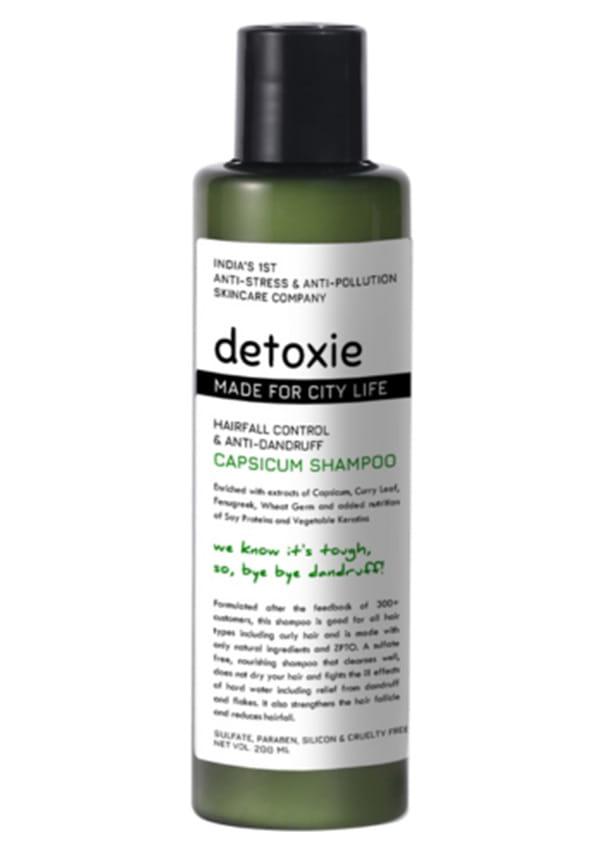
Anti-Dandruff & Flake Relief Capsicum Shampoo
For dry scalp-related flaking, focus on gentle, moisturising formulas with ingredients like aloe vera, hyaluronic acid, or oat milk. Avoid over-washing and harsh sulfates that can strip natural oils. Sometimes the best approach is alternating between a mild anti-dandruff formula and a deeply moisturising shampoo to maintain balance.
Regular shampoos typically don't contain the active ingredients needed to address the underlying causes of flaking. While they might temporarily remove visible flakes, they won't prevent new ones from forming. Specialised formulas with antifungal or exfoliating ingredients are usually necessary for lasting results.
Most people notice some improvement within 2-4 weeks of consistent use, but complete results can take 6-8 weeks. The timeline varies depending on the severity of your condition and which active ingredient you're using. Ketoconazole often shows faster results than gentler options, but it might also cause more initial dryness.
Sometimes, despite your best efforts with over-the-counter options, flakes persist or even get worse. This doesn't mean you're doing something wrong—it might just mean you need professional guidance to identify the root cause and find the right treatment approach.
Red flags that warrant a dermatologist visit include flakes accompanied by significant redness, patches that extend beyond your hairline, bleeding or open sores, or symptoms that don't improve after 6-8 weeks of consistent treatment with appropriate products. Sometimes what looks like simple dandruff is actually a condition like scalp psoriasis or severe seborrheic dermatitis that needs prescription-strength treatment.
A dermatologist can also help you build a long-term scalp health plan that addresses your specific triggers and lifestyle factors. They might recommend rotating between different active ingredients, adjusting your routine based on seasonal changes, or incorporating prescription treatments for more stubborn cases.
Finding the best shampoo for flakes is really about understanding your specific scalp situation and matching it with the right active ingredients. Whether you need the antifungal power of ketoconazole for classic dandruff, the gentle exfoliation of salicylic acid for combination concerns, or the moisturising approach for dry scalp, there's definitely a solution that'll work for your needs.
Remember that consistency matters more than intensity—it's better to use a gentler formula regularly than to go overboard with strong treatments that irritate your scalp. Most importantly, don't get discouraged if the first product you try isn't your perfect match. Scalp care is quite personal, and sometimes it takes a bit of experimentation to find your ideal routine.
Not sure which approach might work best for your scalp? Smytten offers trial-size versions of many scalp care products from trusted brands—a smart way to test different formulas before committing to full-size bottles. After all, when it comes to something as personal as scalp care, trying before buying just makes sense.
