Best Shampoo for Dryness FAQ: Your Haircare Questions Answered
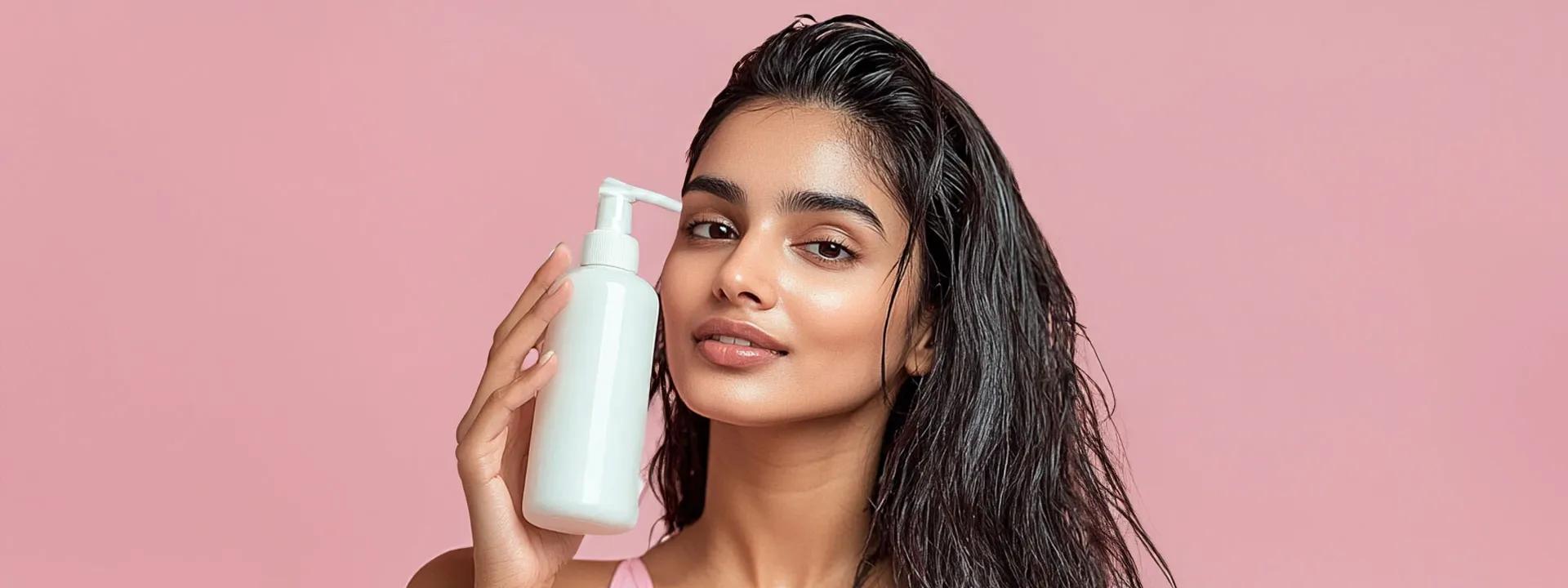

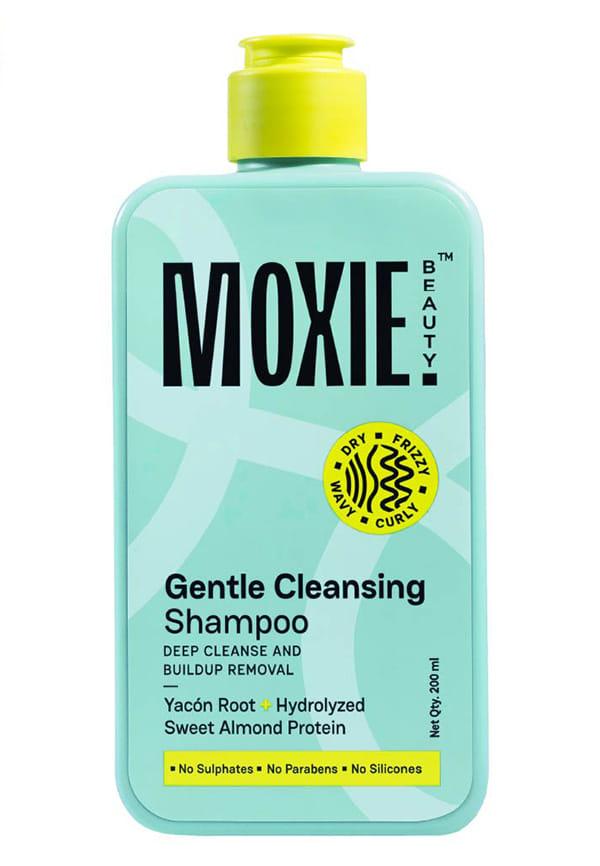
Gentle Cleansing Sulphate Free Shampoo For Dry & Frizzy Hair
You know that feeling when your hair looks like you've been wandering through a desert for days? Dry, brittle strands that feel more like straw than silk, and no matter what you try, nothing seems to bring back that healthy bounce. If you're nodding along, you're definitely not alone. Finding the best shampoo for dryness can feel like searching for a needle in a haystack, especially when every bottle promises miracles but delivers disappointment.
Let's be real—dry hair isn't just about using the wrong products. Your hair becomes parched for loads of reasons, and understanding the root cause is your first step towards healthier strands. Environmental factors like harsh sun, pollution, and even that scorching hot shower you love can strip away your hair's natural oils faster than you can say "bad hair day."
Regular shampoos often contain sulfates—those foaming agents that make you feel like you're getting a proper clean. But here's the thing: they're basically doing a deep clean on your hair every single time, removing not just dirt but also the natural oils your hair desperately needs. It's like using dish soap on your face daily—technically clean, but definitely not what your skin (or hair) wants.
Signs your hair is crying out for a dry hair shampoo include that rough, straw-like texture, increased breakage, dullness that no amount of styling can fix, and that annoying static that makes you look like you've been rubbing balloons on your head. Chemical treatments, heat styling, and even genetics can make some people more prone to dryness than others.
When you're hunting for a hydrating shampoo, the ingredient list is where the magic happens. Think of it as your hair's grocery shopping list—you want the good stuff that actually nourishes rather than just fancy-sounding chemicals that do nothing.
Hyaluronic acid isn't just for your skincare routine anymore. This moisture-binding superstar can hold up to 1,000 times its weight in water, making it brilliant for parched strands. Glycerin works similarly, drawing moisture from the environment into your hair shaft. Aloe vera brings its soothing, hydrating properties to calm both your scalp and hair cuticles.
Natural oils are your hair's best friends when it comes to moisture. Argan oil is packed with vitamin E and fatty acids that penetrate the hair shaft beautifully. Jojoba oil mimics your scalp's natural sebum, making it perfect for balancing moisture without weighing fine hair down. Coconut oil, despite what some people say, can be amazing for dry hair when used in the right formulation.
Protein complexes like keratin and amino acids help rebuild damaged hair structure. Think of them as tiny construction workers fixing the gaps in your hair's foundation. A good moisturising shampoo will balance protein with moisture—too much protein can actually make hair feel brittle, whilst too much moisture without protein can leave it feeling mushy.
The real MVP? Sulfate-free shampoo for dry hair. Look for gentle cleansing agents like coco-glucoside, decyl glucoside, or sodium cocoyl isethionate. These clean effectively without stripping your hair's natural protective barrier.
Not all dry hair is created equal, and your perfect shampoo depends on what's actually going on with your specific strands. It's like finding the right moisturiser for your skin—what works for your mate might be completely wrong for you.
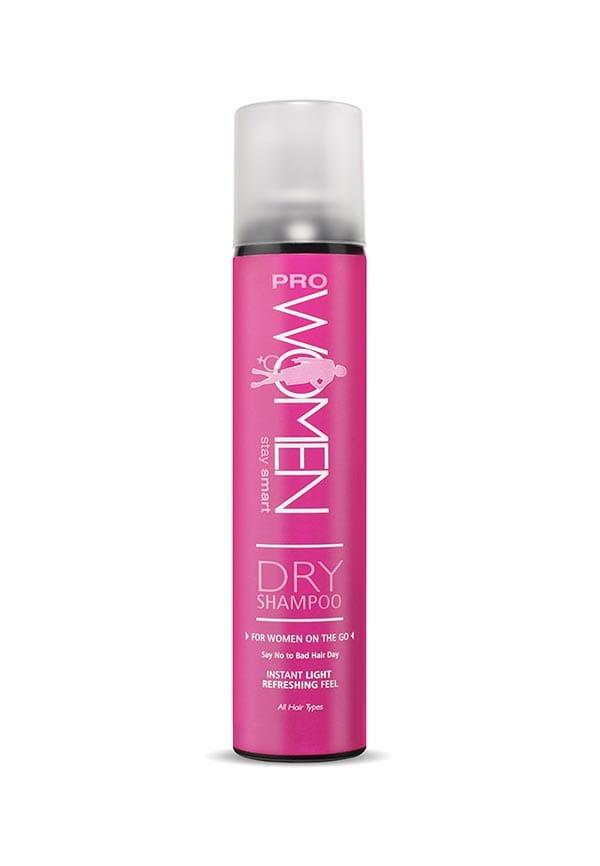
Dry Shampoo
If your hair feels like it could start a fire from friction alone, you need the heavy-duty stuff. Look for shampoos with multiple hydrating ingredients and creamy, rich textures. These formulas typically contain higher concentrations of oils and humectants.
When your scalp is as parched as your strands, you need ingredients that soothe inflammation whilst adding moisture. Tea tree oil, chamomile, and oatmeal extracts can calm irritation. pH-balanced formulas (around 4.5-5.5) help maintain your scalp's natural protective barrier.
Plant-based formulas can be incredibly effective for sensitive scalps. Look for organic ingredients like rosemary, lavender, and peppermint that stimulate circulation whilst providing gentle cleansing. These often come without synthetic fragrances that can irritate already sensitive skin.
Frizz and dryness often go hand in hand—dry hair cuticles lift up, creating that fuzzy halo effect. Anti-frizz technology in moisturising formulas typically includes silicones that smooth the cuticle and humidity-blocking ingredients that prevent moisture from the air from making your hair puff up.
Your hair's thickness, texture, and processing history all play massive roles in choosing the best shampoo for dryness. Fine dry hair needs lightweight hydration that won't weigh strands down—think water-based formulas with smaller molecular ingredients that penetrate easily.
Thick, coarse hair can handle richer, creamier formulations with heavier oils and butters. These hair types often need more intensive moisture because the cuticle structure makes it harder for natural oils to travel down the hair shaft.
Chemically treated hair—whether it's coloured, permed, or relaxed—needs specialised repair formulas. These typically contain bond-building ingredients and extra proteins to help rebuild damaged hair structure. A good shampoo for damaged hair will focus on both immediate moisture and long-term repair.
Curly and textured hair has unique needs because the curl pattern naturally makes it harder for oils to distribute evenly. Curl-enhancing hydrating shampoos often contain ingredients that define curls whilst adding moisture, like flax seed extract or chia seed oil.
Even the best product won't work if you're not using it properly. Start with lukewarm water—hot water opens the cuticle too much and can actually increase moisture loss. Apply shampoo primarily to your scalp and roots, letting the suds gently cleanse the lengths as you rinse.
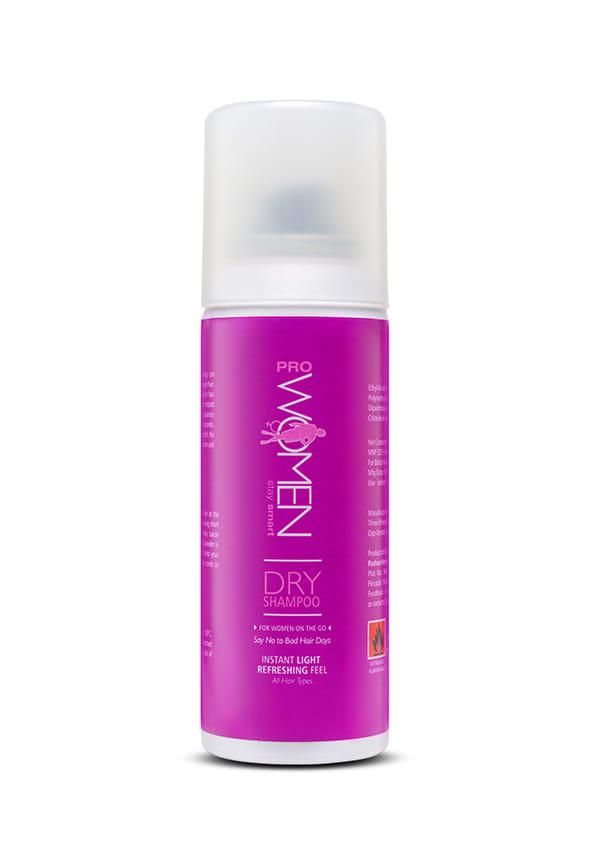
Dry Shampoo
For severely dry hair, consider pre-washing with a light oil treatment. Apply a small amount of jojoba or argan oil to the mid-lengths and ends before shampooing. This creates a protective barrier that prevents over-cleansing whilst still allowing your scalp to get clean.
Frequency matters too. Most dry hair types benefit from washing 2-3 times per week maximum. Your scalp needs time to produce natural oils, and over-washing—even with the gentlest formula—can disrupt this natural process.
The best shampoo for dry hair depends on your specific hair type and the severity of dryness. Look for sulfate-free formulas with hydrating ingredients like hyaluronic acid, natural oils, and gentle cleansing agents. Fine hair benefits from lightweight, water-based formulas, whilst thick, coarse hair can handle richer, cream-based shampoos. Always consider any chemical processing or scalp sensitivity when choosing.
For severely dry hair, opt for intensive hydrating formulas with multiple moisture-binding ingredients. Look for shampoos containing argan oil, shea butter, glycerin, and ceramides. Professional-grade formulas often have higher concentrations of active ingredients. Avoid daily washing and consider co-washing (conditioner-only washing) between shampoo sessions for extra moisture retention.
Preventive shampoos should contain antioxidants like vitamin E, UV filters for sun protection, and protein complexes for structural repair. Sulfate-free formulas with bond-building ingredients help prevent future damage whilst addressing current dryness. Look for ingredients like quinoa protein, silk amino acids, and natural oils that create a protective barrier around the hair shaft.
Most dry hair types should be washed 2-3 times per week maximum. Over-washing, even with gentle formulas, can disrupt your scalp's natural oil production. Between washes, use dry shampoo if needed, or simply rinse with water and apply conditioner to the lengths. Listen to your hair—if it feels clean and manageable, you can probably extend the time between washes.
Absolutely. Sulfates are harsh detergents that strip natural oils from your hair and scalp. Whilst they create that satisfying lather, they can leave dry hair even more parched. Sulfate-free alternatives use gentler cleansing agents that remove dirt and buildup without over-cleansing. Most people notice softer, more manageable hair within 2-3 weeks of switching to sulfate-free formulas.
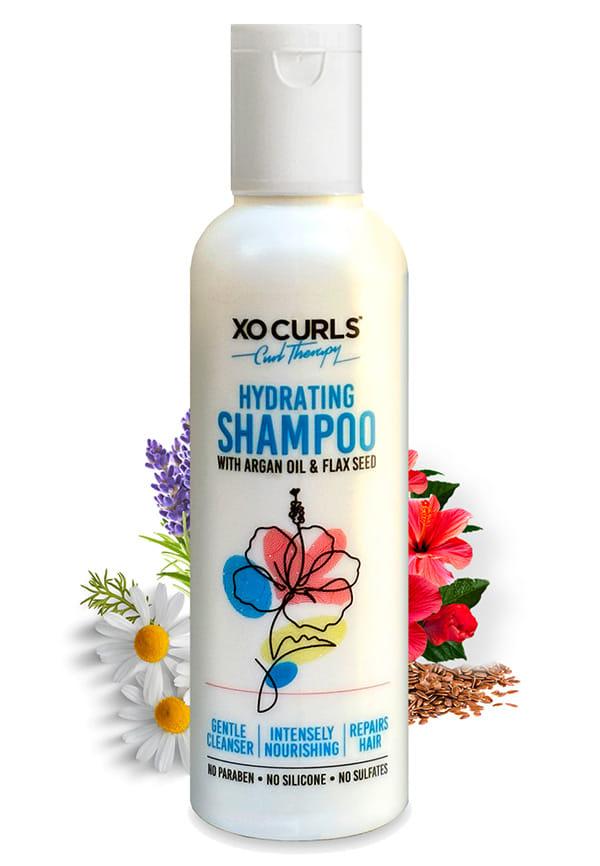
Gentle, Hydrating Shampoo With Excellent Lather Contains Argan Oil And Flax Seed To Give Soft Hair
Hydrating shampoos focus on adding water content to the hair shaft using ingredients like hyaluronic acid and glycerin that attract and bind moisture. Moisturising shampoos typically contain oils and emollients that create a protective barrier to prevent moisture loss. The best dry hair shampoos often combine both approaches—hydrating ingredients to add moisture and moisturising ingredients to lock it in.
Your hair's needs can definitely change with the seasons. Winter often requires richer, more intensive formulas due to indoor heating and cold, dry air. Summer might call for lighter formulas with UV protection. Pay attention to how your hair responds to environmental changes and adjust accordingly. Having two different formulas—one for drier seasons and one for more humid times—can be really helpful.
Your shampoo is just the foundation of healthy hair. Think of it as the first step in a comprehensive moisture-building routine that works together to transform your strands from straw to silk.
Pre-wash treatments can make a huge difference. A weekly oil treatment with argan, jojoba, or coconut oil applied to damp hair 30 minutes before shampooing helps protect against over-cleansing whilst adding extra nourishment.
Your conditioner choice is crucial—it should complement your shampoo's work. Look for formulas with similar hydrating ingredients but in higher concentrations. Apply from mid-length to ends, avoiding the roots to prevent weighing hair down.
Weekly deep conditioning masks are non-negotiable for seriously dry hair. These intensive treatments contain higher concentrations of oils, proteins, and humectants that penetrate deeper into the hair shaft. Leave them on for 10-20 minutes for maximum benefit.
Leave-in treatments and styling products should continue the moisture theme. Lightweight oils, heat protectants with hydrating ingredients, and curl creams for textured hair all help maintain the moisture your shampoo and conditioner have provided.
Protective styling isn't just for textured hair—anyone with dry hair benefits from styles that minimise manipulation and environmental exposure. Loose braids, silk scrunchies, and satin pillowcases all help preserve moisture whilst you sleep.
Finding the best shampoo for dryness isn't about the most expensive bottle or the trendiest brand—it's about understanding your hair's specific needs and choosing ingredients that actually work. Sulfate-free formulas with hydrating ingredients like hyaluronic acid, natural oils, and gentle proteins can transform even the most parched strands.
Remember that consistency matters more than perfection. It takes time for your hair to respond to a new routine, so give any new shampoo at least 4-6 weeks before deciding if it's working. Your hair's needs might also change with seasons, hormones, or lifestyle changes, so stay flexible and adjust accordingly.
The journey to healthier hair doesn't have to break the bank or involve complicated routines. Sometimes the simplest changes—switching to a gentler shampoo, washing less frequently, or adding a weekly oil treatment—make the biggest difference. Not sure which format works for your hair? Smytten also offers trial-size versions of many hydrating shampoos from trusted brands—a good way to test different formulas before committing to a full bottle.
