Best Shampoo for Dandruff FAQ: Your Scalp Questions Answered

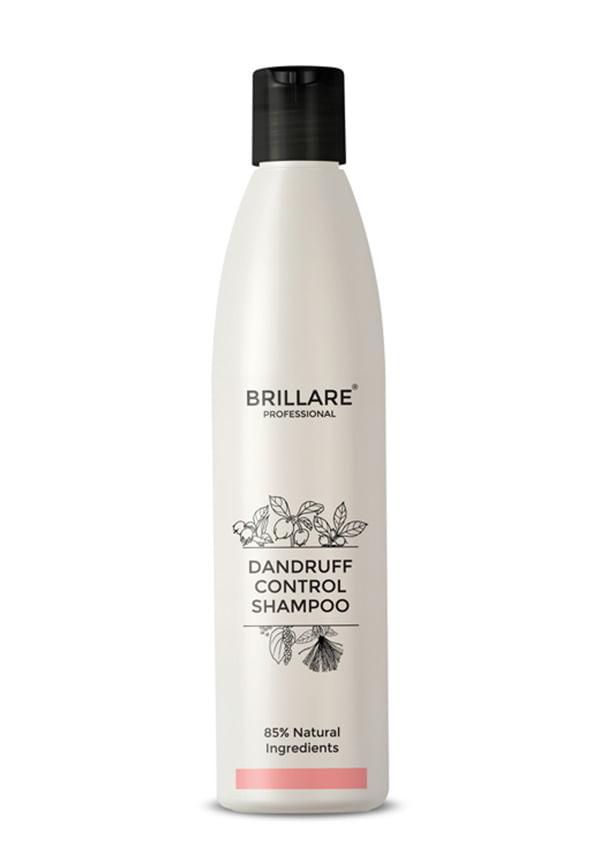
Dandruff Control Shampoo For Itchy, Flaky Scalp
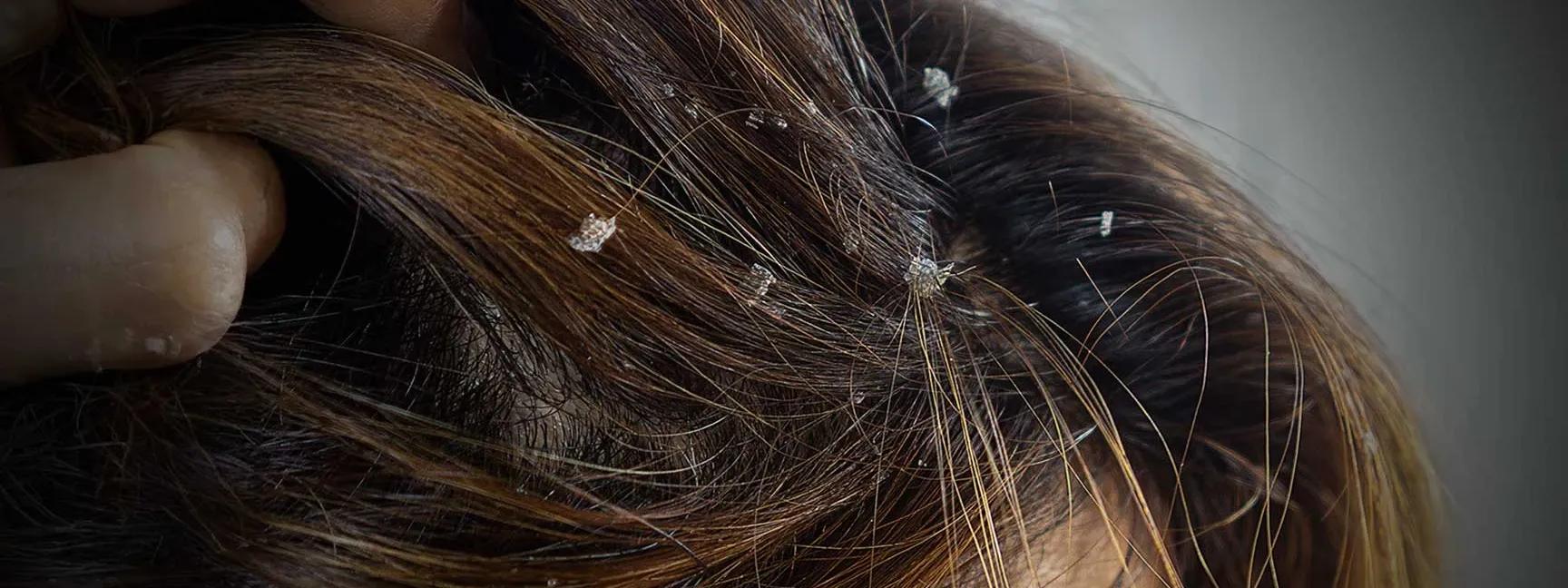
You know that moment when you're getting ready for a big day, and your shoulders look like they've been hit by a snowstorm? Yeah, those white flakes aren't exactly the accessory you were going for. Whether it's a job interview, date night, or just wanting to feel confident in that black top, dandruff has this annoying way of showing up uninvited. The good news? Finding the right anti-dandruff shampoo can be your scalp's best friend. But with so many options promising to be the "best shampoo for dandruff," how do you actually know what works? Let's dive into the real talk about what causes those pesky flakes and how to send them packing for good.
Real talk—dandruff isn't just about having a "dirty" scalp. It's actually caused by a naturally occurring fungus called Malassezia that lives on everyone's scalp. For some people, this fungus gets a bit too comfortable and starts breaking down the natural oils on your scalp, leading to irritation and those telltale flakes. Think of it like an uninvited guest who's overstayed their welcome.
Here's where it gets interesting: dandruff and dry scalp aren't the same thing, even though they both leave you with flakes. Dandruff flakes are usually larger, oilier, and yellowish, whilst dry scalp flakes are smaller and white. A good dandruff shampoo works by targeting that Malassezia fungus with active ingredients that either kill it off or slow down its growth. Meanwhile, a dry scalp shampoo focuses more on moisturising and soothing irritation.
The best medicated shampoo options contain specific active ingredients that get to the root of the problem. They don't just wash away the flakes you can see—they actually tackle what's causing them in the first place. That's why switching to a proper anti-dandruff shampoo can make such a difference compared to regular shampoos that only clean the surface.
If you've tried multiple dandruff shampoos for weeks without seeing improvement, or if your scalp is red, inflamed, or painful, it might be time to chat with a dermatologist. Sometimes what looks like dandruff could actually be seborrheic dermatitis, scalp psoriasis, or another condition that needs professional treatment.
Not all anti-dandruff ingredients are created equal, and knowing what to look for can save you from buying yet another bottle that doesn't deliver. Each active ingredient works differently, so understanding what you're dealing with helps you pick the right scalp treatment shampoo for your specific situation.
This is probably the most common ingredient you'll find in drugstore dandruff shampoos, and for good reason. Zinc pyrithione is gentle enough for daily use whilst still being effective against that troublesome Malassezia fungus. It's particularly good if you have mild to moderate dandruff and want something that won't strip your hair or irritate your scalp.
When zinc pyrithione isn't cutting it, ketoconazole steps up to the plate. This antifungal ingredient is seriously effective against stubborn dandruff and is often what dermatologists recommend for persistent cases. You'll find it in both over-the-counter and prescription formulations, with the prescription versions being stronger.
This ingredient means business when it comes to severe dandruff. Selenium sulfide not only fights the fungus but also slows down the rate at which your scalp cells turn over, reducing flaking. It can be a bit drying, so you might need to use it less frequently or follow up with a good conditioner.
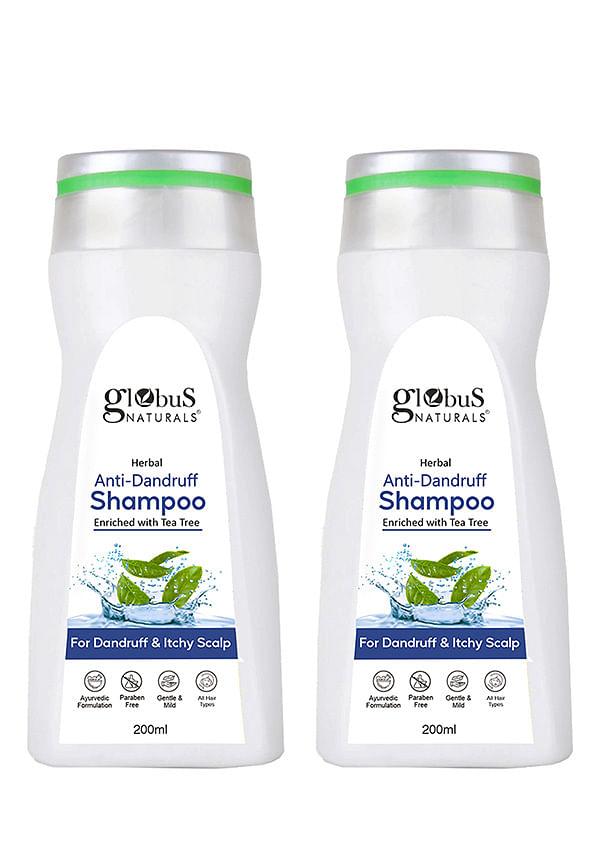
Anti Dandruff Shampoo, For Dandruff and Itchy Scalp
Perfect for those dealing with scalp psoriasis or heavy buildup, salicylic acid works by gently exfoliating dead skin cells. It's also a good option if you prefer something that feels less "medicated" whilst still being effective. This ingredient is particularly helpful for itchy scalp conditions.
Choosing the right shampoo for itchy scalp and dandruff isn't just about grabbing the first bottle you see. Your hair type, scalp sensitivity, and the severity of your dandruff all play a role in what will work best for you.
If you're dealing with mild, occasional dandruff, you'll want something gentle enough for regular use. Look for zinc pyrithione-based formulas that also contain moisturising ingredients. These work well for most people and won't leave your hair feeling stripped or dry.
For persistent, heavy flaking, you need something with more firepower. Ketoconazole or selenium sulfide formulations are your friends here. These might not be the most luxurious-feeling shampoos, but they get the job done when gentler options fail.
If your scalp is reactive or you have sensitive skin, look for formulas that are fragrance-free and contain soothing ingredients like aloe vera or tea tree oil. Salicylic acid-based options tend to be gentler whilst still being effective.
Some people notice increased hair fall when dealing with dandruff, whether from scratching or scalp inflammation. Dual-action formulas that combine anti-dandruff ingredients with strengthening components like biotin or keratin can address both concerns simultaneously.
Before you start shopping, take an honest look at your scalp situation. Is this occasional flaking that shows up when you're stressed, or are you dealing with constant, heavy dandruff? Do you have an oily scalp or a dry one? Are you experiencing itching, redness, or just the flakes?
Your hair type matters too. If you have colour-treated, chemically processed, or very dry hair, you'll want to be more careful about choosing something that won't further damage your strands. Some medicated shampoos can be quite drying, so you might need to use them less frequently or alternate with a gentler formula.
Reading ingredient labels becomes crucial here. Avoid anything with harsh sulfates if you have sensitive skin, and look for added moisturising ingredients if your hair tends to be dry. The best shampoo for scalp health is one that addresses your dandruff without creating new problems.
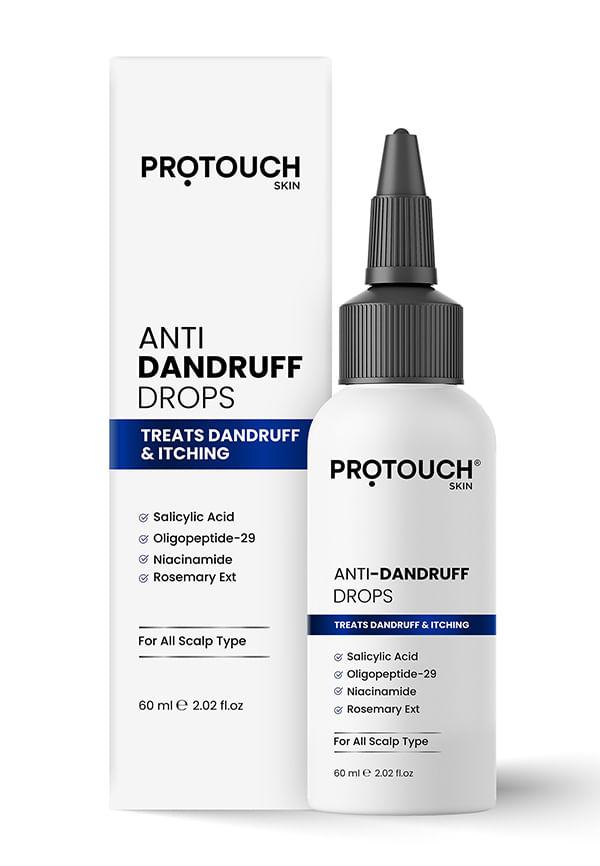
SKIN Anti Dandruff Drops Serum Soothes Itchy, Inflamed Scalp
Start with the gentlest effective option and work your way up if needed. There's no point in going straight to the strongest formula if a milder one will do the job. Your scalp will thank you for the gentler approach.
Here's something most people don't realise: how you use your dandruff shampoo is just as important as which one you choose. Simply washing your hair like normal won't give you the best results from these specialised formulas.
Start by wetting your hair thoroughly, then apply the shampoo directly to your scalp—not your hair lengths. Work it into a lather and let it sit for at least 3-5 minutes. This contact time is crucial because it gives the active ingredients time to work on the fungus and buildup. Many people rinse too quickly and wonder why their shampoo isn't working.
Focus on massaging your scalp gently with your fingertips, not your nails. Scratching can irritate your scalp further and potentially cause small wounds that make the problem worse. Think of it as giving yourself a mini scalp massage rather than trying to scrub the flakes away.
Don't forget to rinse thoroughly. Leftover product buildup can actually make dandruff worse, so take your time getting all the shampoo out. Follow up with a lightweight conditioner on your hair lengths if needed, but keep it away from your scalp.
Let's be real—there's no permanent "cure" for dandruff because it's often a chronic condition. However, the most effective long-term management typically involves shampoos with ketoconazole or zinc pyrithione. The key is finding what works for your specific scalp and using it consistently. Many people find success with ketoconazole-based formulas for stubborn cases, whilst zinc pyrithione works well for ongoing maintenance.
Most people start seeing improvement within 2-4 weeks of consistent use with the right anti-dandruff shampoo. If you're dealing with severe buildup, you might notice some immediate reduction in flakes, but it takes time for your scalp to properly heal and reset. Don't expect overnight miracles—good scalp health is a marathon, not a sprint.
This depends on the specific formula and your scalp's needs. Gentle zinc pyrithione shampoos can often be used daily, whilst stronger formulations with selenium sulfide or ketoconazole might be better used 2-3 times per week. Start with less frequent use and increase if needed. Your scalp will tell you if you're overdoing it through increased dryness or irritation.
Several reasons could be at play here. You might not be leaving it on long enough, using it frequently enough, or you might need a different active ingredient. Sometimes what looks like dandruff is actually seborrheic dermatitis or scalp psoriasis, which need different treatments. If you've been consistent for 6-8 weeks without improvement, it's worth trying a different formula or consulting a dermatologist.
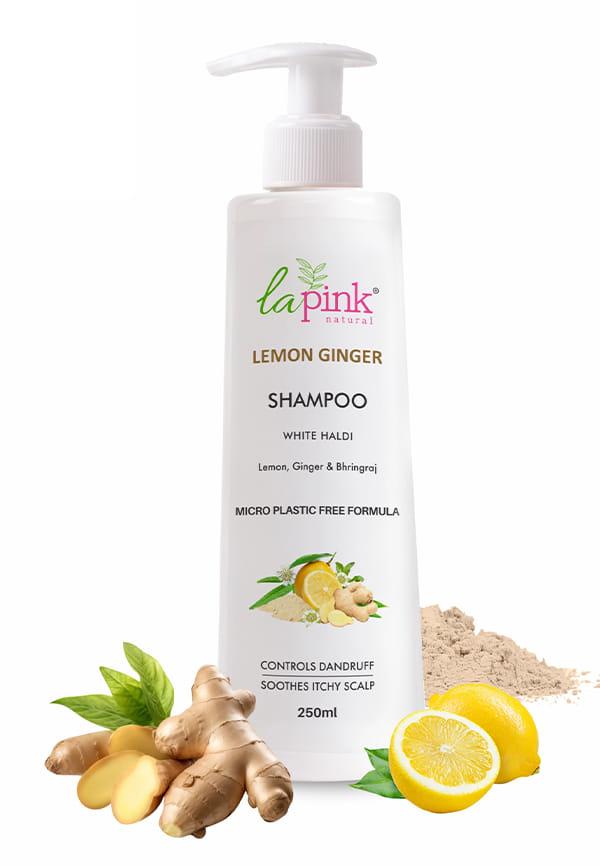
Lemon Ginger Shampoo with White Haldi to Control Dandruff & Soothe Itchy Scalp
Natural ingredients like tea tree oil, apple cider vinegar, and coconut oil can be helpful for some people, but they're generally not as consistently effective as proven medicated ingredients. They work best as complementary treatments or for very mild cases. If you prefer natural options, look for shampoos that combine natural ingredients with proven actives.
Most people need to use anti-dandruff shampoo long-term to keep symptoms at bay. Once your dandruff is under control, you might be able to reduce frequency or alternate with regular shampoo, but stopping completely often leads to the problem returning. Think of it like brushing your teeth—it's ongoing maintenance rather than a one-time fix.
Some medicated formulas can be drying, especially if overused. If you notice increased dryness or brittleness, try using the anti-dandruff shampoo less frequently, alternating with a moisturising shampoo, or using a good conditioner on your hair lengths. The key is finding the right balance for your hair type.
Dandruff is actually a mild form of seborrheic dermatitis. Seborrheic dermatitis involves more inflammation, redness, and can affect other areas like your eyebrows, nose, and chest. If you're seeing redness, thick scales, or the condition is spreading beyond your scalp, it's worth getting a professional diagnosis.
Sometimes DIY scalp care isn't enough, and that's perfectly normal. If you've tried multiple over-the-counter options for several months without success, or if your scalp is red, inflamed, or painful, it's time to see a dermatologist. They can determine whether you're actually dealing with dandruff or another condition that needs different treatment.
Red flags that warrant professional attention include thick, crusty scales, hair loss in patches, severe itching that disrupts your sleep, or any signs of infection like pus or extreme tenderness. A dermatologist can prescribe stronger treatments and rule out conditions like scalp psoriasis or fungal infections.
Professional treatments might include prescription-strength shampoos, topical treatments, or even oral medications for severe cases. The good news is that most scalp conditions are very treatable once properly diagnosed.
Finding the best shampoo for dandruff is often a process of trial and understanding what your scalp actually needs. Whether you're dealing with occasional flakes or persistent dandruff, the right combination of active ingredients and proper application technique can make all the difference. Remember that consistency is key—most anti-dandruff shampoos need time to work their magic.
The beauty of today's haircare market is that there are effective options for every budget and hair type. From gentle daily-use formulas to clinical-strength treatments, you don't have to live with the embarrassment of visible flakes. With Smytten's curated selection of trusted haircare brands, you can explore different anti-dandruff formulations to find what works best for your scalp. Not sure which approach suits your hair type? Smytten also offers trial-size versions of many of these products—a smart way to test before committing to a full bottle.
