Best Serum for Humidity: Your FAQ Answered
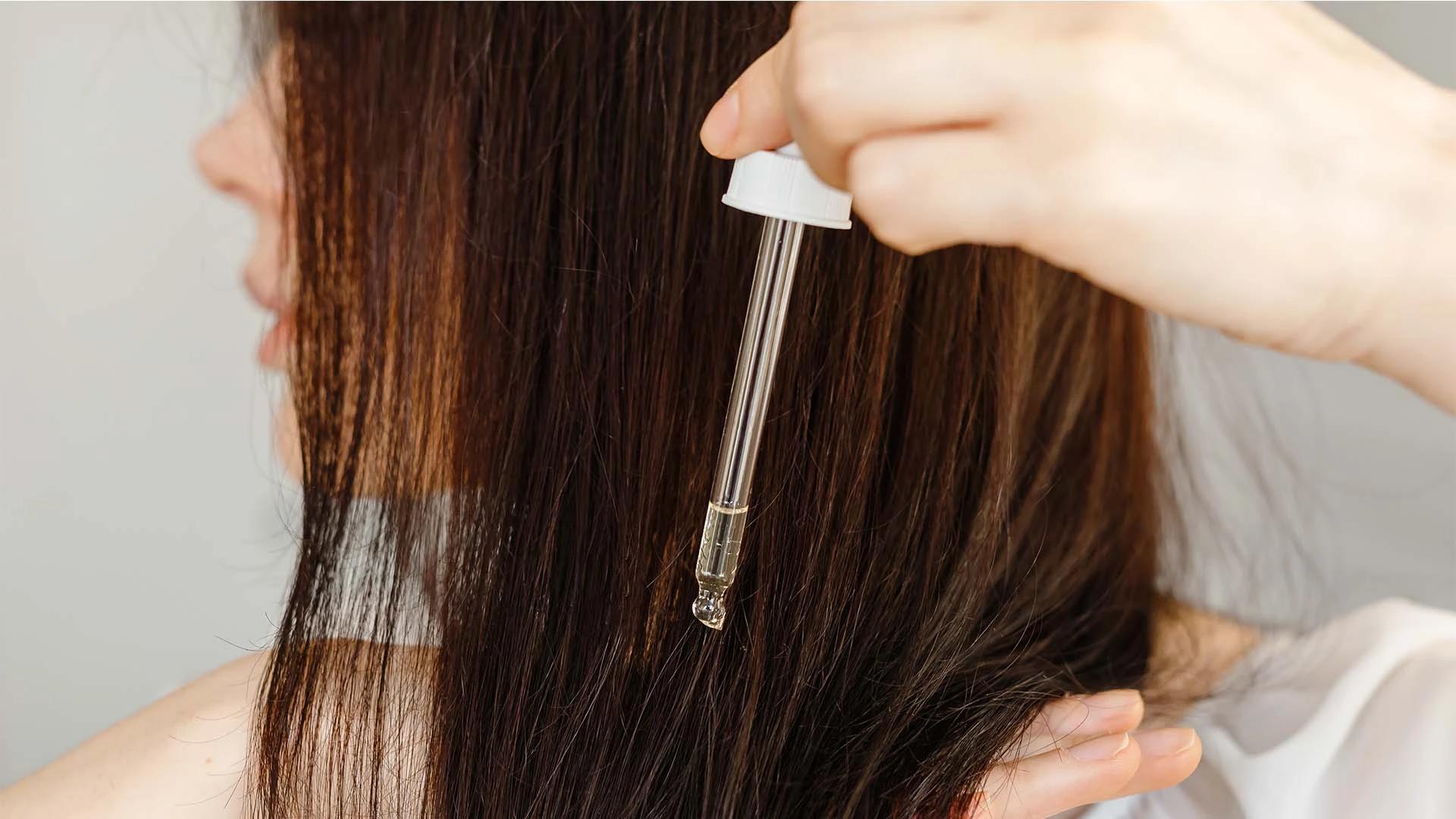

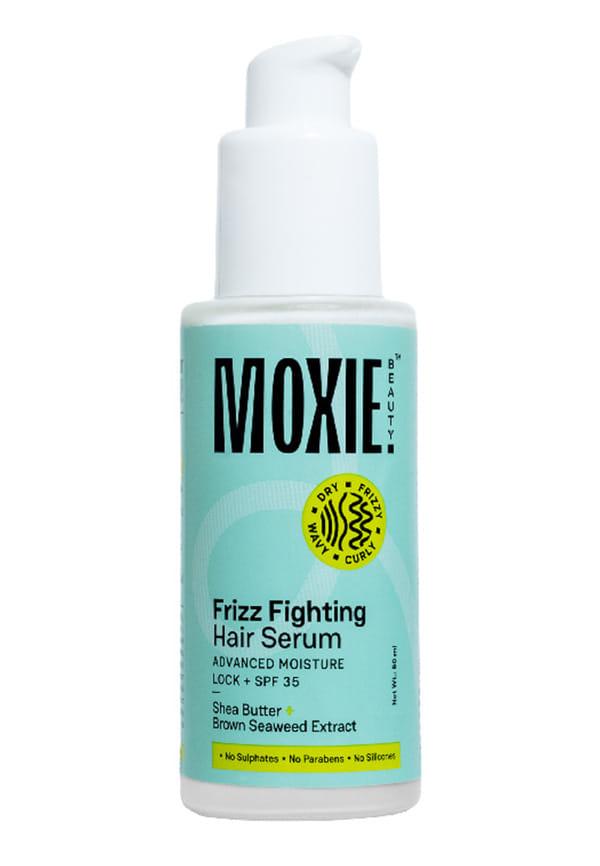
Frizz Fighting Hair Serum For Dry and Frizzy Hair
You know that feeling when you step outside on a humid day and your hair instantly transforms into a frizzy mess? One minute you're feeling confident with your smooth blowout, the next you're frantically searching for a hair tie. If you've ever wondered why some people seem immune to humidity while your hair has its own weather forecast, you're not alone. The secret often lies in finding the right serum that actually works for your hair type and the climate you're dealing with. Let's dive into everything you need to know about choosing and using the best serum for humidity.
Real talk—humidity and hair have a complicated relationship. When there's moisture in the air, your hair cuticles (those tiny scales on each strand) lift up to absorb that extra moisture. Think of it like your hair getting thirsty and drinking from the air around it. The problem? This causes your hair shaft to swell unevenly, creating that dreaded frizz and flyaway situation we all know too well.
Different hair types react differently to humidity. If you have naturally dry or damaged hair, your strands are more porous, which means they're basically moisture magnets in humid weather. Curly and textured hair tends to be more vulnerable because the natural oils from your scalp have a harder time travelling down the curved hair shaft. Even if you have straight hair, chemical treatments like colouring or heat styling can increase your hair's porosity, making it more susceptible to humidity-induced frizz.
The key to understanding humidity hair serum effectiveness lies in knowing your hair's porosity level. High-porosity hair absorbs moisture quickly but also loses it just as fast, whilst low-porosity hair resists moisture but can become weighed down easily. This is why hair care for humidity isn't one-size-fits-all—you need to match your serum choice to your specific hair needs.
Not all serums are created equal, especially when it comes to fighting humidity. The best anti frizz serum formulas contain specific ingredients that create a protective barrier around your hair shaft, preventing moisture from getting in and causing chaos.
Silicones like dimethicone and cyclopentasiloxane are your best friends in humid weather. They create a lightweight, invisible film around each hair strand that blocks moisture from penetrating. Don't worry about the silicone debate—when used correctly, they're incredibly effective for humidity resistant hair serum formulations.
Argan oil, coconut oil, and jojoba oil don't just smooth your hair—they actually help fill in the gaps in damaged cuticles. This makes your hair less porous and therefore less likely to absorb humidity. These oils work particularly well in hair serum for frizzy hair because they provide both protection and nourishment.
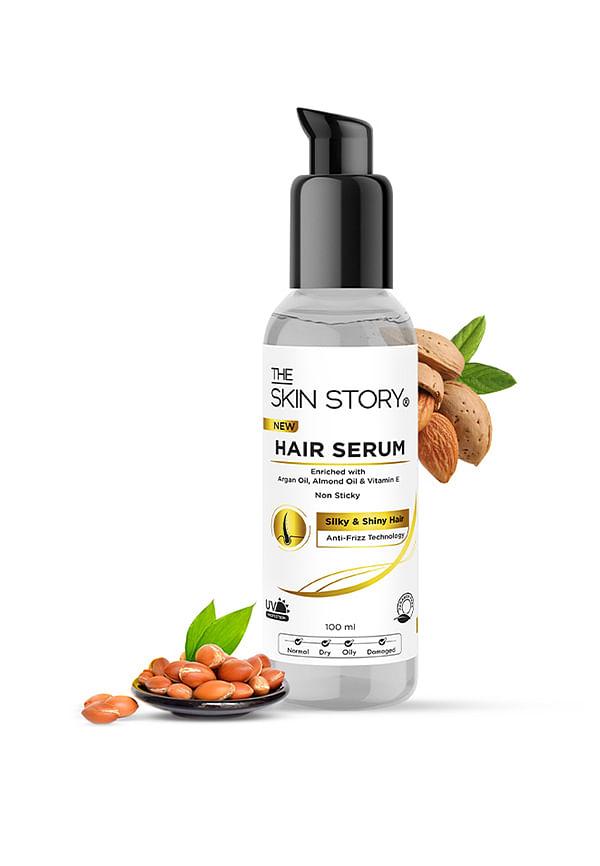
Hair Serum With Anti Frizz Technology And UV Protection, Non-Sticky For Silky Hair
Keratin and amino acids help rebuild your hair's structure, making it stronger and more resistant to environmental factors. If your hair is damaged from heat styling or chemical treatments, protein-rich serums can help restore its natural moisture barrier.
Here's where most people go wrong—they either use too much product or apply it incorrectly. The best hair smoothing serum in the world won't work if you're not using it right. Start with damp, clean hair because serums penetrate better when your hair is slightly wet. Use about a pea-sized amount for short hair, a dime-sized amount for medium length, and a nickel-sized amount for long hair.
Section your hair into manageable pieces and work the serum through from mid-length to ends, avoiding your roots unless you have very dry hair. Focus on the areas that tend to get frizzy first—usually around your hairline and the back of your neck. If you're planning to heat style, make sure your serum for humid weather includes heat protection, or layer it under a separate heat protectant.
The timing matters too. Apply your serum before blow-drying for maximum smoothing benefits, but you can also use a tiny amount on dry hair for touch-ups throughout the day. Just remember that a little goes a long way—you can always add more, but it's harder to remove excess product.
Fine hair needs lightweight formulas that won't weigh it down. Look for water-based or very light oil-based serums that provide protection without sacrificing volume. Avoid heavy, creamy textures that might make your hair look greasy or flat.
Thick, coarse hair can handle richer formulations with heavier oils and butters. These hair types often need more intensive moisture barriers to combat humidity effectively. Don't be afraid of slightly heavier textures—your hair can probably handle more product than you think.
Curly and textured hair benefits from serums that enhance natural curl patterns whilst providing frizz control. Look for products that contain both smoothing and curl-defining ingredients. The best anti-humidity hair products for curly hair often combine silicones with natural oils and curl-enhancing polymers.
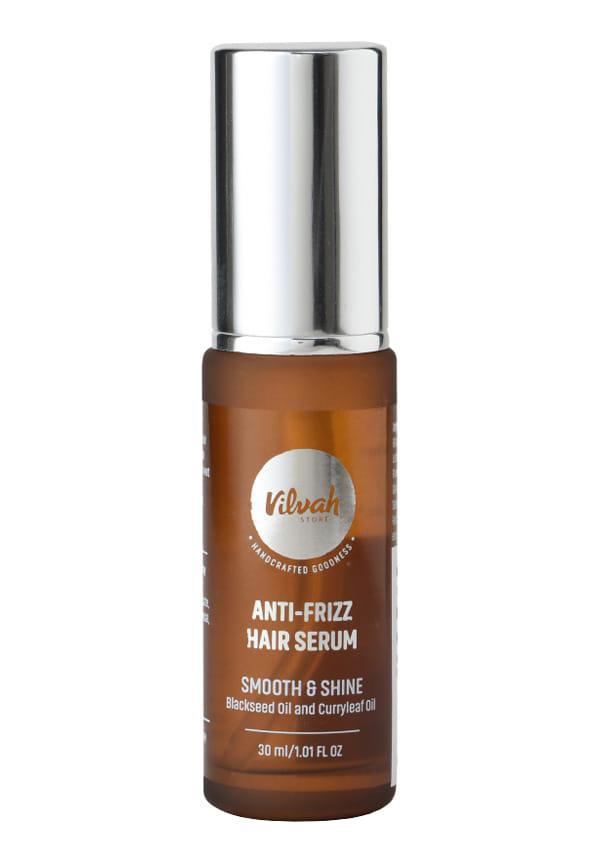
Anti-Frizz Hair Serum
Your morning routine sets the tone for how your hair will behave all day. Start with a humidity-blocking serum on damp hair, then style as usual. If you live in a particularly humid climate, consider using a hair serum for summer that's specifically formulated for extreme conditions.
Throughout the day, keep a small amount of frizz control serum in your bag for touch-ups. You can smooth it over any areas that start to frizz, but use it sparingly to avoid buildup. If you're transitioning between air-conditioned spaces and humid outdoor areas, give your hair a moment to adjust before applying more product.
At night, protect your hair with a silk or satin pillowcase to reduce friction and maintain your serum's protective benefits. You might also want to loosely braid your hair or wrap it in a silk scarf to prevent overnight frizz.
Silicone-based serums with dimethicone or cyclopentasiloxane are typically most effective at blocking humidity. These ingredients create a moisture-repelling barrier around your hair shaft. Look for formulas that combine silicones with nourishing oils for both protection and hair health.
For India's intense humidity, especially during monsoon season, you need heavy-duty protection. Serums with multiple silicones, natural oils like argan or coconut, and heat protection work best. The key is finding a formula that can handle high moisture levels without making your hair feel heavy or greasy.
Yes, but use much less product than you would on damp hair. Focus on the most frizz-prone areas and smooth the serum gently over the surface of your hair. This works well for touch-ups throughout the day when humidity levels spike.
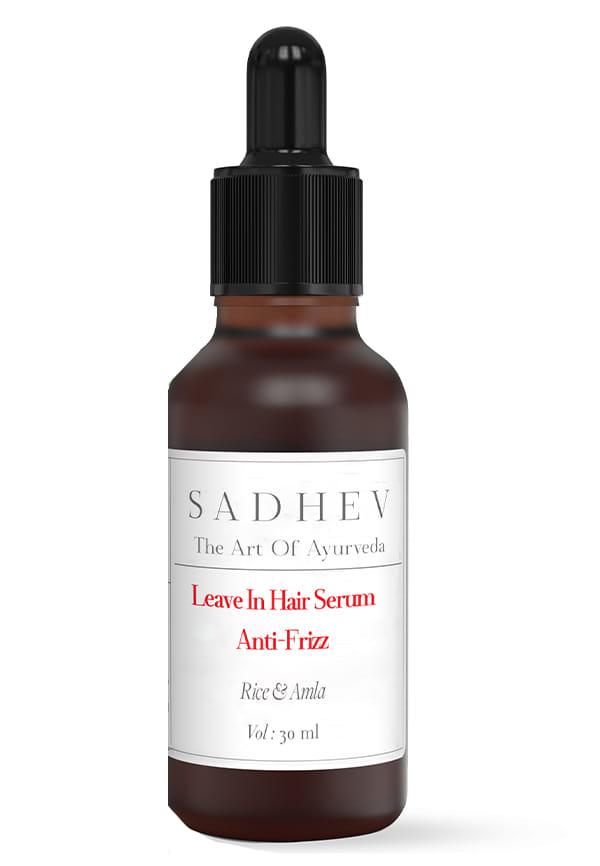
Leave-In Hair Serum - Anti-Frizz
Daily use is fine for most hair types, especially if you live in a consistently humid climate. However, if you notice product buildup, clarify your hair weekly with a gentle shampoo. Some people prefer to use serum only on days when humidity levels are particularly high.
You might want to adjust your formula based on seasonal humidity levels. Summer often requires stronger protection, whilst winter humidity might call for more moisturising formulas. Pay attention to how your hair responds and switch products accordingly.
Leave-in conditioners focus primarily on moisturising and detangling, whilst anti-humidity serums are specifically formulated to create a protective barrier against moisture. You can use both together—apply leave-in conditioner first for moisture, then serum for protection.
The biggest mistake people make is using too much product. More serum doesn't equal better protection—it just leads to greasy, weighed-down hair. Start with less than you think you need and build up gradually.
Another common error is applying serum to soaking wet hair. Your hair should be damp, not dripping, for optimal absorption. Excess water dilutes the serum and reduces its effectiveness.
Don't forget about your hair's changing needs. What works in mild humidity might not be enough for extreme weather conditions. Be prepared to adjust your routine based on the forecast and your hair's response.
Finding the best serum for humidity is about understanding your hair type, the climate you live in, and how different ingredients work to protect your strands. Silicone-based formulas offer the strongest humidity protection, whilst oil-based serums provide nourishment along with some moisture-blocking benefits. The key is proper application—less is more, and timing matters.
Remember that humidity protection is just one part of a healthy hair routine. Regular trims, gentle handling, and protecting your hair from heat damage all contribute to how well your hair handles humid conditions. Not sure which serum format works best for your hair? Smytten offers trial-size versions of many humidity-fighting serums from trusted brands—a smart way to test different formulas before committing to full-size bottles.
