Best Serum for Damage FAQ: Your Hair Repair Questions Answered

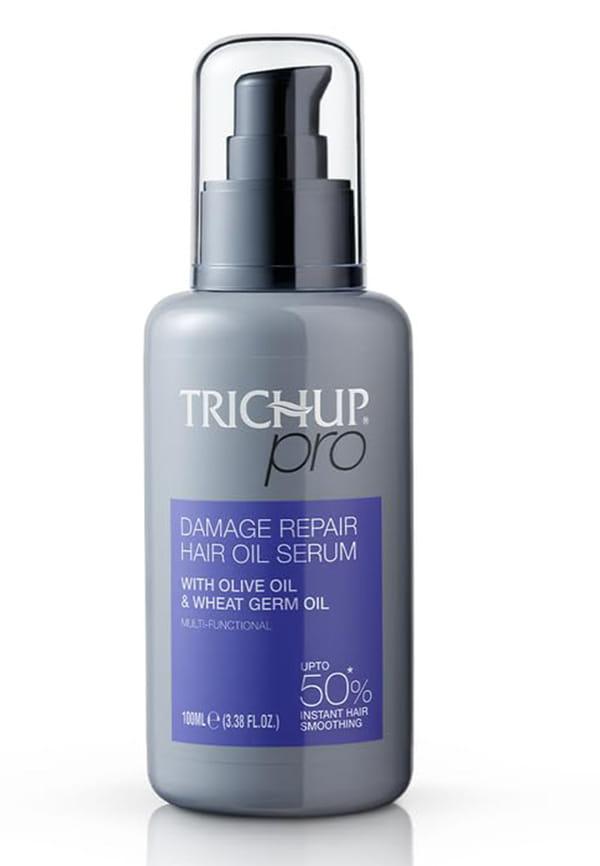
Trichup Pro Damage Repair Hair Oil Serum for Dry & Frizzy Hair Control Breakage
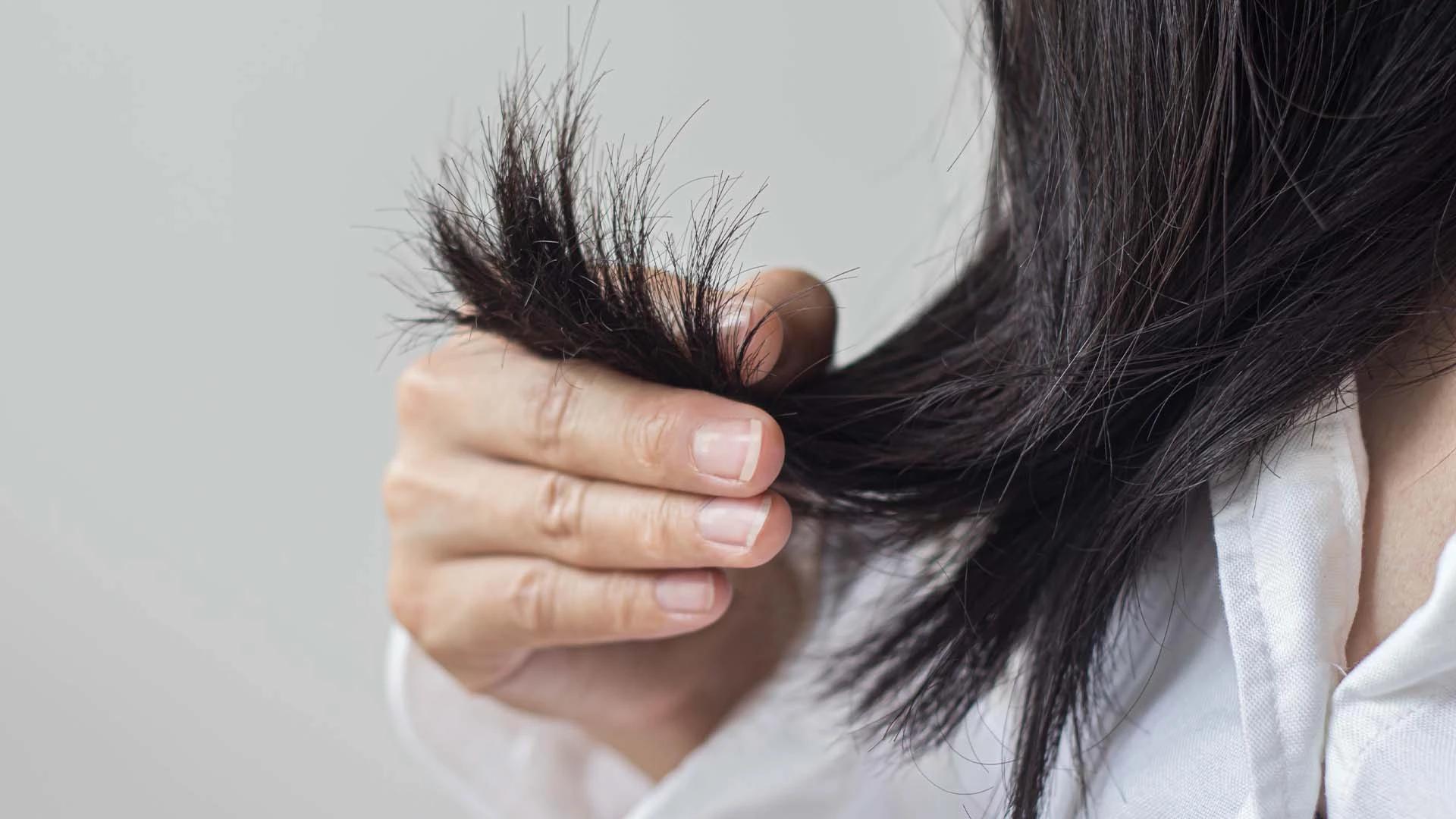
You know that moment when you catch your reflection and realise your hair looks like it's been through a blender? Split ends everywhere, breakage that won't quit, and that dull, lifeless texture that screams "help me." If you've been there (and honestly, who hasn't?), you're probably wondering which serum can actually rescue your damaged strands. The good news? The right hair repair serum can be a proper game-changer. But with so many options promising miracle results, it's worth knowing what actually works and what's just clever marketing.
Real talk: not all serums are created equal, especially when it comes to fixing damaged hair. The best serum for damage goes beyond just making your hair look shiny for a day. It actually works to repair and strengthen your strands from the inside out.
The magic happens with specific ingredients that target different types of damage. Keratin and protein complexes are your best mates for rebuilding weakened hair structure. These ingredients literally fill in the gaps where your hair cuticle has been damaged, creating smoother, stronger strands. Then you've got bonding agents like bis-aminopropyl diglycol dimaleate (fancy name, but it works) that actually reconnect broken bonds in your hair.
Natural oils like argan, marula, and jojoba bring moisture back to dry, brittle hair, whilst silicones create a protective barrier against future damage. The clever bit is finding a hair repair serum that combines these ingredients without weighing your hair down or causing buildup.
Professional formulations often pack more concentrated active ingredients compared to drugstore options, but that doesn't mean expensive always equals better. What matters most is finding the right combination of ingredients for your specific type of damage. Heat damage needs different treatment than chemical processing damage, and a good serum will address your particular concerns.
Sometimes the signs are obvious – like when you find more hair in your brush than on your head. But damaged hair repair isn't just about dramatic breakage. There are subtler signs that your hair is crying out for help.
Split ends are the classic red flag, but they're often just the tip of the iceberg. If your hair feels rough or catches when you run your fingers through it, that's your cuticle telling you it's been compromised. Excessive frizz, especially in humid weather, usually means your hair's moisture barrier is damaged and can't regulate hydration properly.
Dryness that doesn't improve with regular conditioning is another major sign. When your hair looks dull even after washing, or if it tangles easily and feels brittle to touch, you're dealing with damage that goes deeper than surface level. Chemical processing from colouring, bleaching, or perming can leave hair weakened and porous, whilst daily heat styling gradually breaks down the hair's protein structure.
Environmental factors play a bigger role than most people realise. UV exposure, pollution, and even hard water can accumulate damage over time. If you live in a city or spend lots of time outdoors, your hair might need extra support from a hair breakage treatment even if you're gentle with styling.
Your hair type completely changes which split end serum will work best. Fine hair needs lightweight formulas that won't weigh strands down, whilst thick, coarse hair can handle richer, more intensive treatments. If you've got an oily scalp, look for serums that focus on the mid-lengths and ends rather than root-to-tip coverage.
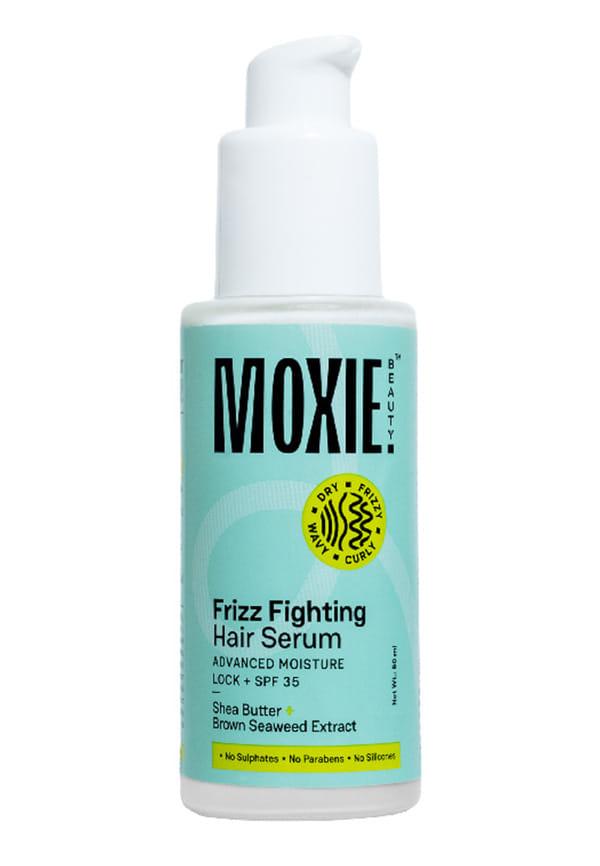
Frizz Fighting Hair Serum For Dry and Frizzy Hair
Colour-treated hair has special needs because the chemical processing makes strands more porous and fragile. A frizz control serum with UV protection becomes essential to prevent further colour fading and damage. Curly hair tends to be naturally drier, so a hair serum for dry hair with heavier oils and butters often works better than lighter formulations designed for straight hair.
Getting the most from your hair serum for healthy hair isn't just about which product you choose – it's about how you use it. The timing, amount, and technique all make a massive difference in results.
Most people apply serum to damp hair after washing, but the sweet spot is when hair is about 80% dry. This gives you enough moisture for even distribution without diluting the product too much. Start with a tiny amount – seriously, less than you think you need. You can always add more, but removing excess serum is much harder.
Focus on the mid-lengths and ends where damage is typically worst. Avoid the roots unless your serum specifically says it's safe for scalp application. Work the product through with your fingers or a wide-tooth comb to ensure even coverage.
For heat styling protection, apply your serum first, then your heat protectant. The serum creates a base layer of nourishment, whilst the heat protectant forms a barrier against high temperatures. If you're doing an overnight treatment, apply to dry hair and focus on the most damaged areas.
Layering products requires some strategy. Generally, apply from thinnest to thickest consistency: serum first, then leave-in conditioner, then styling products. This prevents the serum from sitting on top of other products where it can't penetrate properly.
Even the best serum for damage won't work if you're making these common mistakes. Over-application is probably the biggest culprit – using too much product creates buildup that actually prevents your hair from absorbing moisture and nutrients.
Timing matters more than most people realise. Applying serum to soaking wet hair dilutes the formula and reduces effectiveness. On the flip side, applying to completely dry hair can cause uneven distribution and leave some areas unprotected.
Product combinations can work against you too. Using multiple silicone-heavy products creates layers that block moisture from reaching your hair shaft. Similarly, applying serum over styling products means it's sitting on the surface rather than penetrating where it's needed.
Skipping heat protection because you think your serum covers it is risky. Most hair repair serums provide some thermal protection, but it's rarely enough for high-heat tools. You still need dedicated heat protectant for temperatures above 150°C.
Perhaps the biggest mistake is expecting overnight miracles. Hair breakage treatment takes time – usually 4-6 weeks of consistent use before you see significant improvement. Damaged hair needs to grow out whilst new, healthier hair grows in.
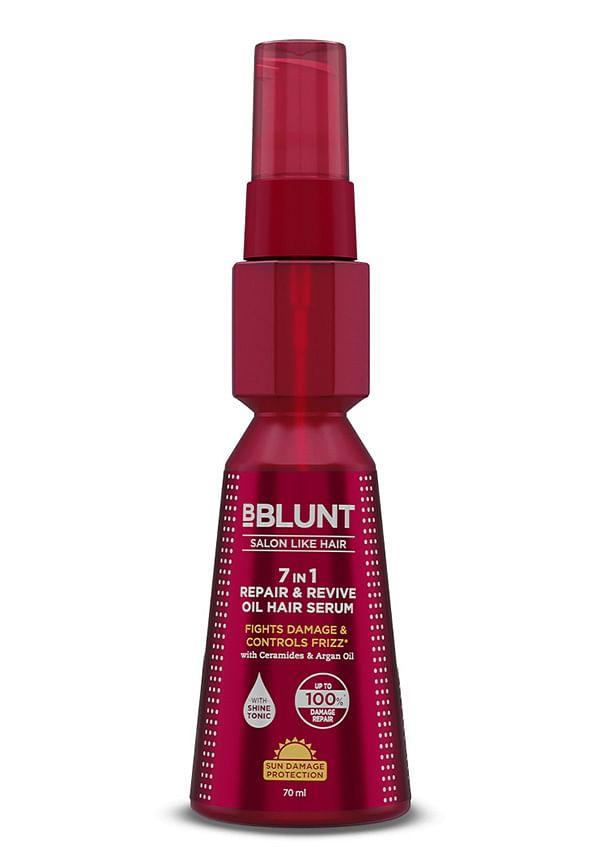
7 in 1 Repair & Revive Oil Hair Serum for Upto 100% Damage Repair
Let's clear up some confusion here. A hair serum for shine works completely differently from a hair serum for hair growth, even though marketing sometimes blurs these lines.
Shine serums focus on smoothing the hair cuticle and reflecting light. They typically contain silicones, oils, and light-reflecting particles that create immediate visual results. These serums make your hair look healthier instantly but don't necessarily repair underlying damage.
Growth serums target the scalp and hair follicles with ingredients like peptides, caffeine, and botanical extracts that stimulate circulation and support the hair growth cycle. These take months to show results because you're literally waiting for new hair to grow.
Repair serums sit somewhere in between. They work on existing hair to strengthen and restore, which can indirectly support growth by reducing breakage. Some combination products try to address multiple concerns, but they're often less concentrated in each area.
The key is managing expectations. If you want immediate shine, look for silicone-based formulas. For long-term growth, focus on scalp treatments. For damage repair, prioritise protein and moisture-binding ingredients that actually rebuild your hair structure.
For severe damage, keratin and protein complexes are your best bet. These ingredients actually rebuild the hair's structure rather than just coating it. Look for hydrolysed proteins that are small enough to penetrate the hair shaft. Bonding technologies like those found in professional treatments can also reconnect broken disulfide bonds, but these are typically found in salon-grade products.
Most people notice immediate improvements in texture and manageability, but real structural repair takes 4-8 weeks of consistent use. This timeline depends on your hair's condition, how damaged it was to start with, and how well you stick to the routine. Severely damaged hair might need 3-4 months to show significant improvement.
Absolutely, but prevention works differently than repair. Serums with UV filters protect against sun damage, whilst those with heat-activated ingredients shield against styling tools. Antioxidants like vitamin E help neutralise environmental damage from pollution. The key is consistent daily use – prevention only works if you're actually using the product regularly.
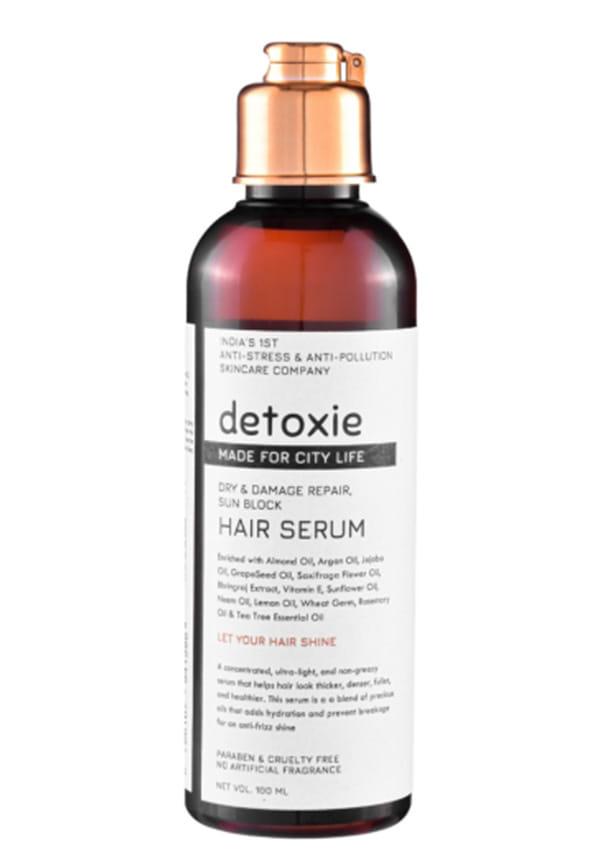
Dry & Damage Repair, Sun Block Hair Serum
Not necessarily. Price often reflects packaging, marketing, and brand positioning rather than ingredient quality. Some drugstore serums contain the same active ingredients as luxury versions, just in different concentrations or with fewer fancy additives. Focus on the ingredient list rather than the price tag, and remember that the most expensive serum won't work if it's not right for your hair type.
It depends on how severe and varied your damage is. If you're dealing with multiple issues like heat damage, chemical processing, and environmental stress, rotating between targeted treatments might be more effective than using one multi-purpose product. However, for most people, a good all-round damaged hair repair serum that addresses the main concerns is simpler and more sustainable.
Yes, particularly through product buildup or using the wrong formula for your hair type. Heavy serums on fine hair can cause greasiness and weighing down, whilst protein-heavy formulas on already protein-sensitive hair can cause brittleness. Always start with less product than you think you need, and if your hair starts feeling worse after a few weeks, reassess your routine.
A hair serum for healthy hair works best as part of a comprehensive routine, not as a standalone solution. Your morning routine might include a lightweight serum for protection and shine, whilst evenings could focus on deeper repair treatments.
Weekly deep conditioning treatments amplify your serum's effects by providing intensive moisture and protein. Schedule these based on your hair's needs – dry hair might need weekly moisture masks, whilst chemically processed hair could benefit from alternating protein and moisture treatments.
Don't forget about the tools you use. Wide-tooth combs prevent breakage when detangling, whilst silk pillowcases reduce friction damage overnight. Heat styling tools with adjustable temperatures let you use the lowest effective setting for your hair type.
Professional treatments every 6-8 weeks can address damage that home products can't reach. These intensive treatments work synergistically with your daily serum routine to maintain and improve your hair's condition over time.
Lifestyle factors matter too. A diet rich in protein, omega-3 fatty acids, and vitamins supports hair health from the inside out. Staying hydrated, managing stress, and protecting your hair from environmental damage all contribute to better results from your repair routine.
Finding the right serum for damaged hair doesn't have to be overwhelming once you understand what your hair actually needs. Whether you're dealing with split ends, breakage, or general dryness, the key is choosing products with proven ingredients and using them consistently.
Remember that hair repair is a journey, not a quick fix. The best results come from combining the right products with gentle handling and realistic expectations. Your hair didn't get damaged overnight, and it won't repair overnight either – but with the right approach, you can definitely get it back to looking and feeling healthy.
If you're not sure which serum might work for your specific hair concerns, Smytten's curated selection includes trial-size versions of many top hair repair products. It's worth trying a few different formulations to see what your hair responds to best before committing to full-size bottles.
