Best Scalp Care Tips: Everything You Need to Know

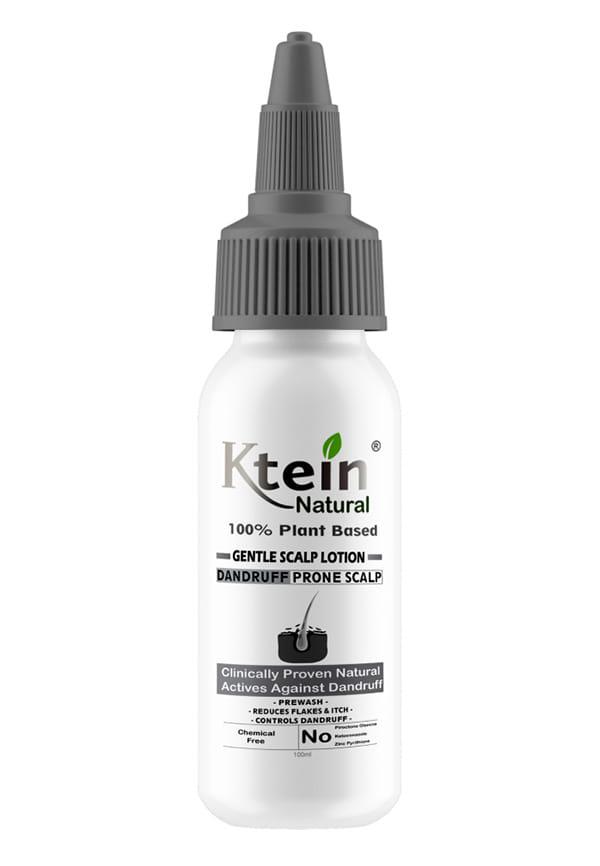
Natural 100% Plant Based Gentle Scalp Lotion Dandruff Prone Scalp
You know that feeling when your hair looks amazing but your scalp feels like it's staging a rebellion? Maybe it's itchy, flaky, or so oily you could fry chips on it. Here's the thing most people don't realise: your scalp is literally the foundation of everything happening with your hair. Think of it like soil for a garden—if the base isn't healthy, nothing else will thrive. Whether you're dealing with dryness, excess oil, or that annoying itch that makes you want to scratch in public, getting your scalp sorted is the game-changer you've been looking for.
Let's be real—most of us spend ages perfecting our haircare routine but completely ignore what's happening underneath. Your scalp isn't just skin; it's a complex ecosystem that directly impacts healthy hair growth. Each hair follicle is like a tiny factory, and when your scalp environment is off-balance, these factories can't do their job properly.
Poor scalp health shows up in ways you might not even connect to your roots. Hair that grows slowly, breaks easily, or feels thin could all trace back to scalp issues. When your scalp is inflamed, dry, or clogged with product buildup, it restricts blood flow to hair follicles. Less blood flow means fewer nutrients reaching your hair roots, which translates to weaker, slower-growing hair.
The most common scalp problems include dryness (that tight, sometimes flaky feeling), excess oiliness (when your roots look greasy hours after washing), inflammation (redness, sensitivity, or burning), and product buildup (when your scalp feels heavy or coated). Each of these creates a domino effect that impacts everything from how your hair looks to how it grows.
Dermatologists consistently emphasise that scalp health and hair health are inseparable. When you treat your scalp with the same care you'd give your face, you're setting the stage for stronger, healthier hair growth from the very beginning.
Building a solid scalp care routine doesn't mean adding ten new steps to your day. It's about being intentional with what you're already doing and making small tweaks that deliver big results. Your scalp needs consistent care, just like any other part of your skin.
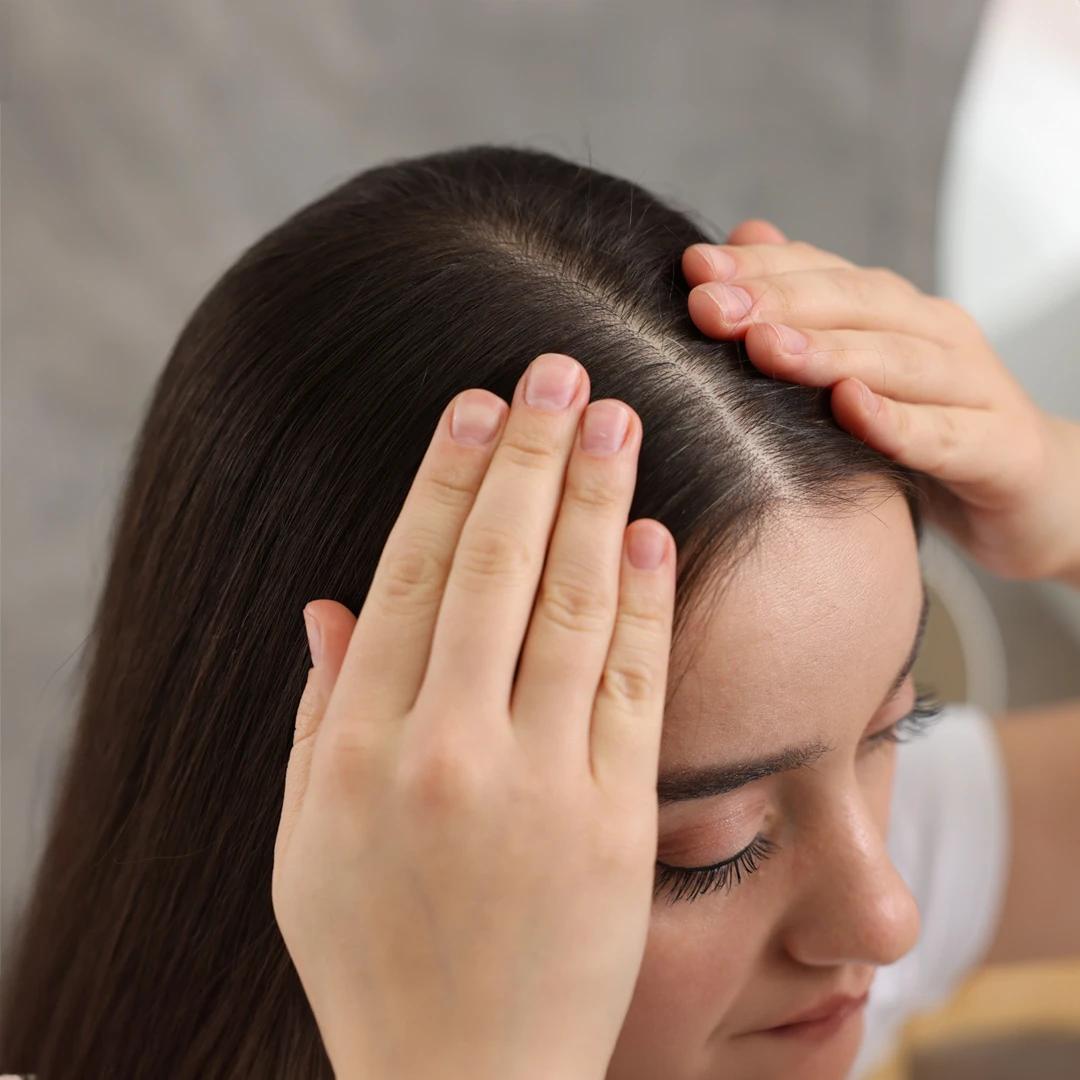
Start your day with a gentle scalp massage—just 2-3 minutes while you're having your morning tea. Use your fingertips (not nails) to make small circular motions across your entire scalp. This simple habit increases blood circulation, which helps deliver nutrients to hair follicles and can genuinely boost healthy hair growth over time.
When brushing your hair, start from the ends and work your way up to avoid pulling on your scalp. Use a brush with natural bristles or a wide-tooth comb, and be gentle around your hairline where the scalp is most sensitive.
Before washing your hair, spend a few minutes massaging your scalp with your fingertips or a scalp brush. This helps loosen any buildup and prepares your scalp for cleansing. If you're using any scalp treatments or oils, evening is usually the best time since you can let them work overnight.
For sensitive scalps, avoid tight hairstyles before bed. Sleeping with your hair loosely tied or in a silk scrunchie reduces tension on your scalp and prevents breakage.
Not all scalps are created equal, and what works for your friend might not work for you. Understanding your specific scalp type is crucial for choosing the right approach to care.
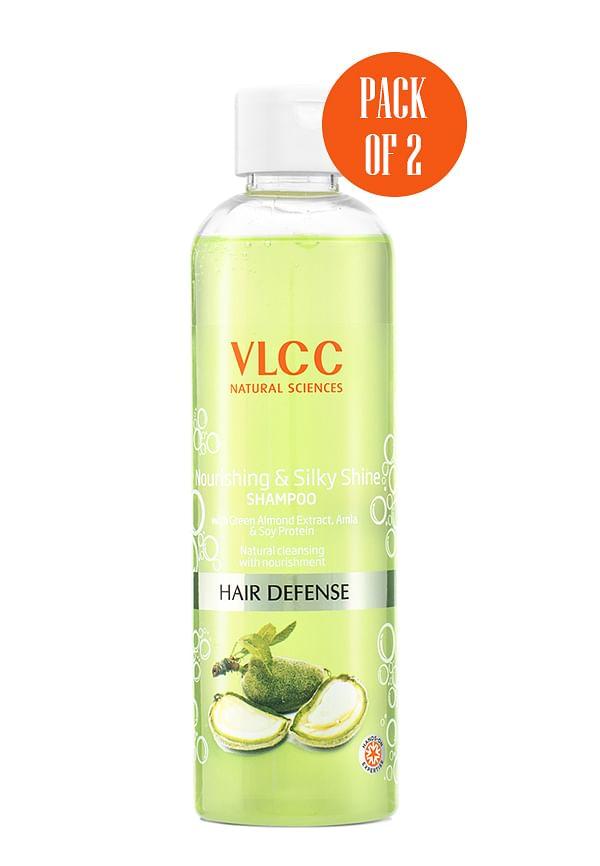
Nourishing & Silky Shine Shampoo with Buy One Get One
Positive Long-Term Use
 4
4“Just amazing Using this since 3-4 years”
Nourishing & Silky Hair
5“nourishing & silky shine hair after use this shampoo”
Dry scalp often gets confused with dandruff, but they're different beasts. Dry scalp feels tight and may have small, dry flakes, while dandruff typically involves larger, oilier flakes and can be itchy. For dry scalp treatment, focus on gentle, hydrating ingredients like hyaluronic acid, glycerin, and natural oils.
Avoid over-washing, which strips your scalp of natural oils. Twice a week might be enough, and when you do wash, use lukewarm water instead of hot. Look for shampoos with moisturising ingredients and follow up with a lightweight scalp oil or serum.
If your scalp produces excess oil, you might feel tempted to wash daily or use harsh clarifying shampoos. But here's the plot twist—over-cleansing can actually make oiliness worse by triggering your scalp to produce even more oil to compensate.
Instead, focus on balancing sebum production with gentle, consistent cleansing. Clay-based treatments and scalp exfoliation once a week can help remove buildup without stripping your scalp. Ingredients like salicylic acid and tea tree oil are brilliant for oily scalp solutions because they cleanse without over-drying.
An itchy scalp can drive you absolutely mad, especially when you're in public. For immediate relief, look for ingredients with anti-inflammatory properties like aloe vera, chamomile, or oatmeal. Tea tree oil is particularly effective as a natural antiseptic, but always dilute it properly to avoid irritation.
If itching persists for more than a few weeks or comes with severe flaking, redness, or hair loss, it's worth seeing a dermatologist. Sometimes persistent itching signals underlying conditions that need professional treatment.
Just like your face, your scalp benefits from regular exfoliation to remove dead skin cells and product buildup. But scalp exfoliation needs to be gentler than what you'd use on your body.
Physical exfoliation involves using a scalp scrub with fine particles or a specialised scalp brush. Chemical exfoliation uses ingredients like salicylic acid or glycolic acid to dissolve buildup. For most people, once a week is plenty—over-exfoliating can irritate your scalp and disrupt its natural barrier.
You can make a simple DIY scalp scrub with brown sugar and your regular shampoo, or look for products specifically designed for scalp exfoliation. The key is being gentle and consistent rather than aggressive.
Signs you're overdoing it include increased sensitivity, redness, or more flaking than usual. If this happens, scale back and give your scalp time to recover.
Dandruff is one of those things that can knock your confidence, but it's incredibly common and totally manageable. Understanding what type of dandruff you're dealing with helps you choose the right treatment approach.
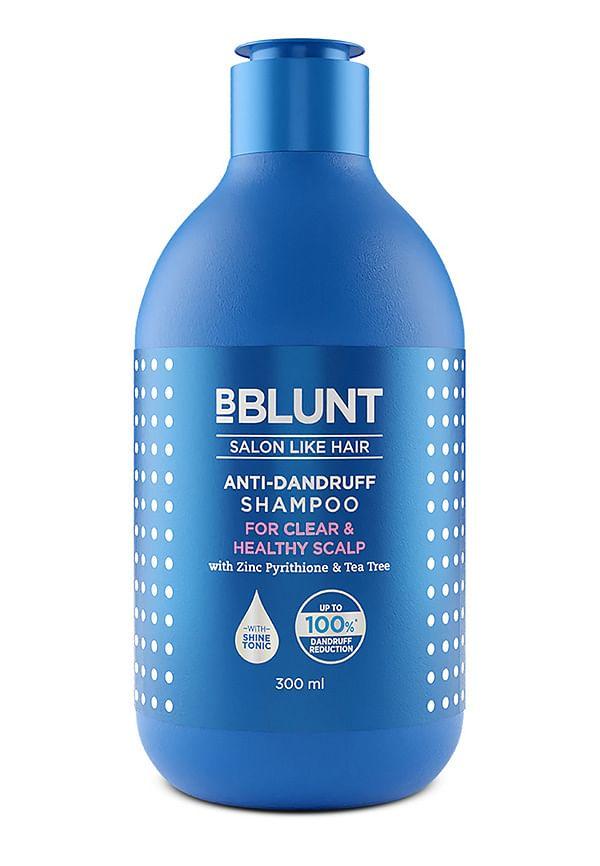
Anti-Dandruff Shampoo For a Clear & Healthy Scalp
Nice Shampoo, Cleans Well
5“it is nice shampoo, cleans very well”
Nice Shampoo, Cleans Well
5“it is nice shampoo, cleans very well”
Loves the Niche Shampoo
5“very very niche shampoo love itt”
Most dandruff is caused by an overgrowth of a yeast called Malassezia, which feeds on the oils in your scalp. This is why dandruff often comes with oily, larger flakes rather than the small, dry flakes of a dry scalp.
Medicated shampoos with ingredients like zinc pyrithione, ketoconazole, or selenium sulfide can be incredibly effective for dandruff control. But you don't always need to go straight to the heavy-duty stuff—sometimes gentle, consistent care with anti-fungal ingredients like tea tree oil can do the trick.
Lifestyle factors like stress, poor diet, and not washing your hair enough can all worsen dandruff. Managing these alongside using the right products gives you the best shot at long-term control.
Scalp massage isn't just relaxing—there's actual science behind its benefits for hair follicle care and circulation.
Use your fingertips, not your nails, and apply gentle but firm pressure. Start at your hairline and work in small circles across your entire scalp. Spend extra time on areas that feel tense or where you want to encourage hair growth.
You can use your hands or invest in a scalp massage tool. Some people find tools more effective for reaching all areas, while others prefer the control of using their fingers.
Studies have shown that regular scalp massage can increase hair thickness over time. The mechanical stimulation increases blood flow to hair follicles, potentially extending the growth phase of your hair cycle.
Adding essential oils like rosemary or peppermint to your massage routine may boost these benefits, though always dilute essential oils properly to avoid irritation.
Even with the best intentions, it's easy to make mistakes that can actually harm your scalp health. Here are the big ones to watch out for.
Over-washing strips your scalp of natural oils, while under-washing allows buildup to accumulate. Find your sweet spot based on your scalp type and activity level. Using water that's too hot can irritate your scalp and increase oil production, so stick to lukewarm temperatures.
Applying conditioner directly to your scalp can clog pores, especially if you have an oily scalp. Keep conditioner on your mid-lengths and ends unless you specifically have a very dry scalp that needs extra moisture.
Sharing hair tools can spread bacteria and fungal infections, so keep your brushes and combs to yourself. Chemical treatments like bleaching or frequent colouring can damage your scalp's natural barrier, so always follow up with extra gentle care.
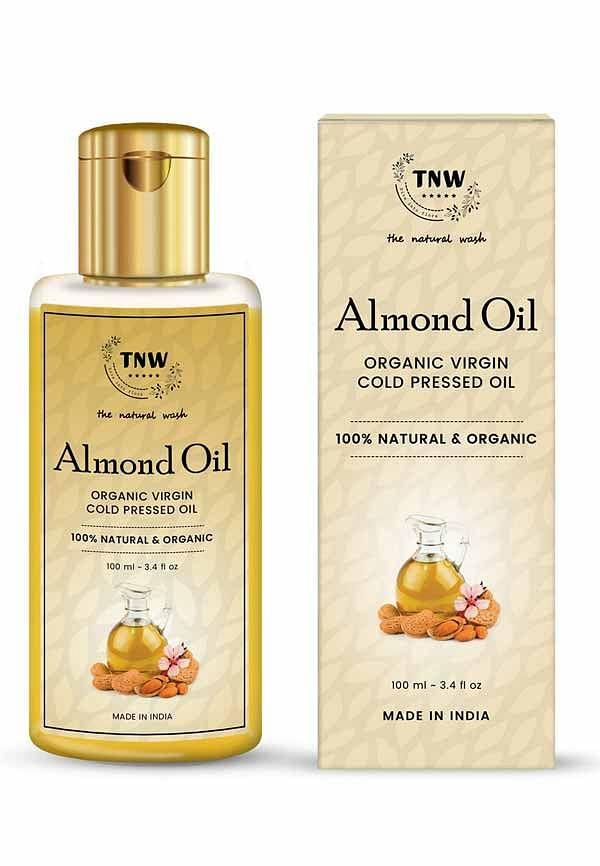
Pure Almond Oil Rich in Vitamin E Cold pressed Virgin Badam Tail For Skin Hair Nourishes the scalp 100% Pure & Natural for Hair, Skin, Face Care & Ma
Worth Money, Nice Product
5“worth money , nice product. suggested for low porosity hair”
Positive Product Review
4“very good product, would buy again”
Positive Product Review
4“very nice product ,would buy again”
Don't forget that your scalp needs different care in different seasons—more moisture in winter, perhaps more frequent washing in humid summer months.
The best scalp care involves regular gentle cleansing with products suited to your scalp type, weekly exfoliation to remove buildup, daily scalp massage to boost circulation, and avoiding harsh chemicals that can disrupt your scalp's natural balance. Choose shampoos based on whether your scalp is oily, dry, or sensitive, and maintain good hygiene practices without over-washing.
Washing frequency depends entirely on your scalp type and lifestyle. Oily scalps may need daily washing, especially in humid conditions or if you exercise regularly. Normal to dry scalps typically benefit from washing 2-3 times per week. The key is listening to your scalp's needs and adjusting accordingly—if it feels greasy, wash more frequently; if it feels tight or flaky, reduce washing frequency.
DO massage your scalp regularly to boost circulation, use gentle products appropriate for your scalp type, protect your scalp from UV damage, and exfoliate weekly to prevent buildup. DON'T over-wash or use water that's too hot, apply conditioner directly to oily scalp roots, share hair tools with others, or ignore persistent scalp issues that might need professional attention.
Yes, research shows that regular scalp massage increases blood circulation to hair follicles, which can promote healthier hair growth and potentially increase hair thickness over time. A study found that participants who performed daily scalp massages for 24 weeks experienced increased hair thickness. The mechanical stimulation helps deliver nutrients to hair follicles and may extend the active growth phase of your hair cycle.
Tea tree oil has anti-inflammatory and antifungal properties that help with dandruff and itchy scalp issues. Aloe vera soothes irritation and provides moisture for dry scalps. Coconut oil offers deep moisturising benefits, while apple cider vinegar helps balance scalp pH and remove buildup. Rosemary oil may stimulate circulation for hair growth, and chamomile can calm sensitive or inflamed scalps.
Your scalp deserves the same attention you give the rest of your skincare routine. Whether you're dealing with dryness, oiliness, or just want to maintain healthy hair growth, the right approach makes all the difference. Remember that consistency beats intensity—gentle, regular care will always trump harsh treatments that might provide quick fixes but damage your scalp's natural balance.
The best scalp care tips aren't complicated or expensive. Daily massage, appropriate cleansing frequency, weekly exfoliation, and choosing products that match your specific scalp needs will get you most of the way there. Pay attention to how your scalp responds to different treatments and adjust accordingly.
Not sure which scalp care products might work for your specific needs? Smytten offers trial-size versions of many scalp treatments and shampoos from trusted brands—a smart way to test what works for your scalp before committing to full-size products.
