Best Oil for Scalp FAQ: Common Questions Answered
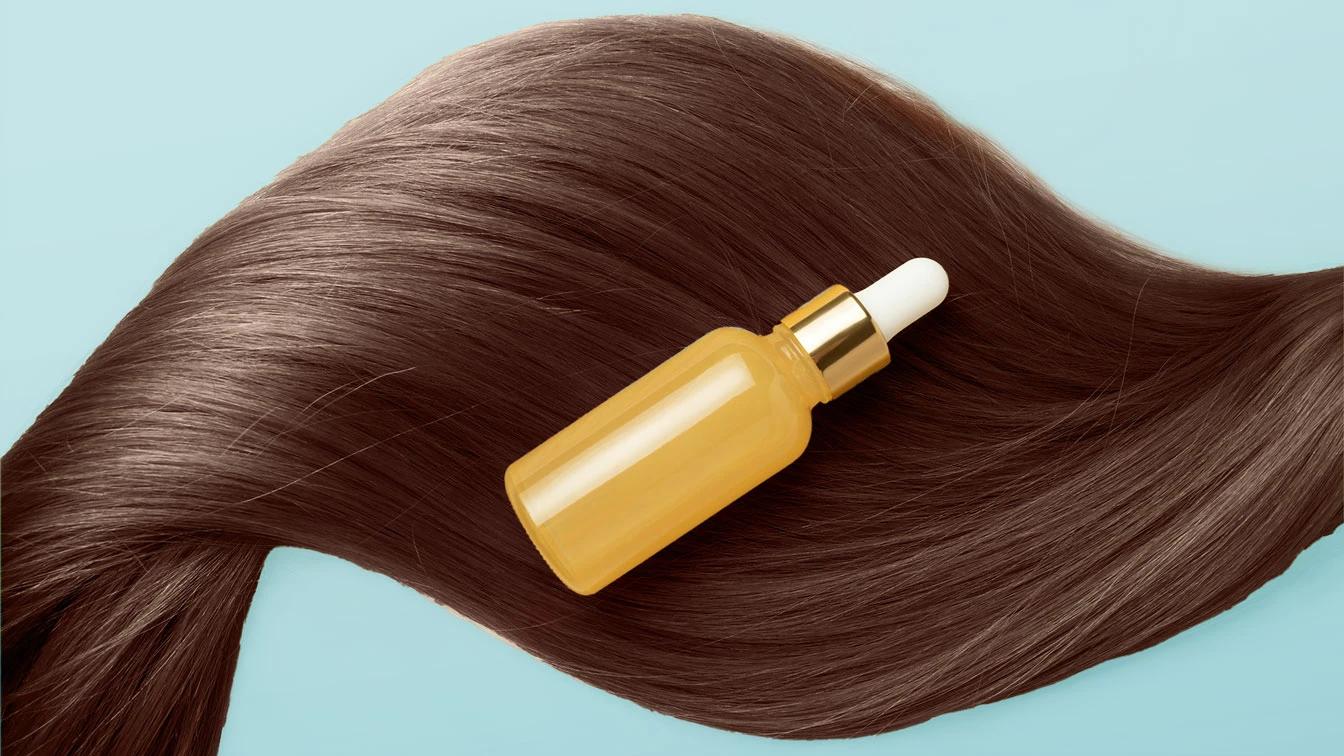

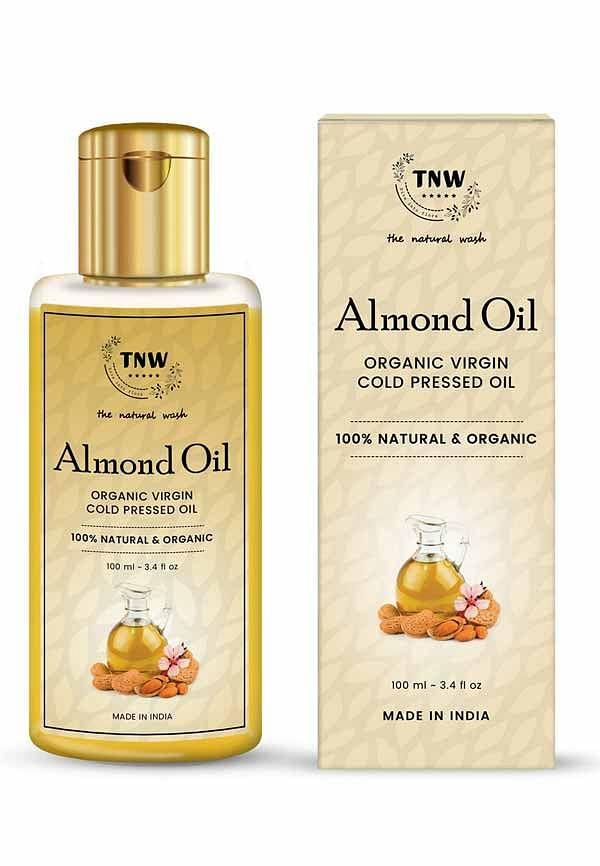
Pure Almond Oil Rich in Vitamin E Cold pressed Virgin Badam Tail For Skin Hair Nourishes the scalp 100% Pure & Natural for Hair, Skin, Face Care & Ma
You know that moment when you're scrolling through endless hair oil recommendations, and everyone's claiming their pick is the absolute best? Real talk — finding the right scalp oil feels like searching for a needle in a haystack. Your scalp might be crying out for moisture, dealing with annoying flakes, or just feeling generally meh, but with so many options out there, where do you even start? Let's cut through the noise and get to the good stuff. We're diving into the most common questions about scalp oils, because honestly, your hair deserves better than guesswork.
Here's the thing — there's no one-size-fits-all answer, but there are definitely some crowd favourites that work for most people. The best scalp oil depends on what your scalp is actually dealing with right now.
If you've got a dry, flaky situation going on, coconut oil might just become your new fave. It's packed with fatty acids that actually penetrate the hair shaft and scalp, giving you that deep moisture your skin is craving. For those dealing with hair thinning or just wanting to boost growth, castor oil is worth obsessing over — that ricinoleic acid content helps improve blood circulation to your follicles.
Got an oily scalp but still want the benefits of oil treatment? Jojoba oil is your kind of pick. It's technically a wax ester that mimics your scalp's natural sebum, so it won't leave you looking like you dunked your head in grease. Plus, it helps regulate oil production over time.
For sensitive scalps that get irritated easily, sweet almond oil is gentle enough for regular use while still delivering moisture and nutrients. It's lightweight, absorbs well, and rarely causes reactions.
The golden rule? Start with one oil, patch test it first, and give it at least 4-6 weeks of consistent use before deciding if it's working for you. Your scalp needs time to adjust and show real results.
Let's be real — natural oils have been the go-to for healthy hair long before fancy serums hit the market. These plant-based powerhouses come packed with vitamins, minerals, and fatty acids that your scalp actually recognises and can use.
Rosemary oil deserves a special mention here. Studies have shown it can be as effective as minoxidil for promoting hair growth, but without the potential side effects. Mix a few drops with a carrier oil like jojoba or coconut, and you've got yourself a proper growth treatment.
Argan oil brings serious antioxidant power to the table. Rich in vitamin E and essential fatty acids, it protects your scalp from environmental damage while keeping things moisturised. It's particularly good if you live in a polluted city or spend lots of time in the sun.
Peppermint oil is brilliant for circulation — that cooling, tingling sensation you feel? That's increased blood flow to your hair follicles. Just remember to dilute it properly (2-3 drops per tablespoon of carrier oil) because it's potent stuff.
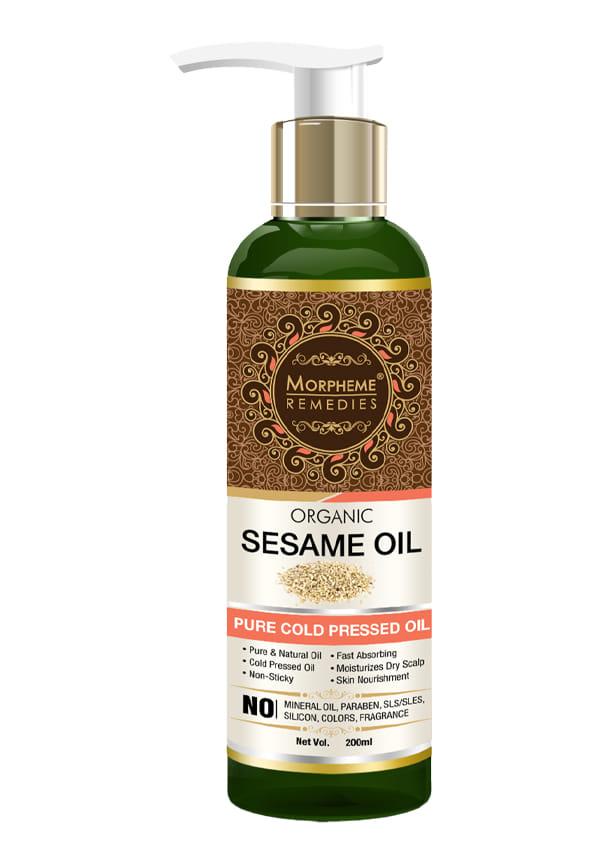
Remedies Organic Sesame Oil (Pure Coldpressed Oil) For Hair, Body, Skin Care, Massage
Think of carrier oils as the base and essential oils as the boost. Carrier oils like coconut, jojoba, and sweet almond can be used on their own, while essential oils like rosemary, peppermint, and tea tree need to be diluted before touching your scalp.
The magic happens when you combine them. A good starter ratio is 2-3 drops of essential oil per tablespoon of carrier oil. Always patch test first — essential oils can cause reactions if you're sensitive.
Dry scalp and dandruff are two different beasts, but they often get lumped together. Dry scalp is usually about lack of moisture, while dandruff is often caused by an overgrowth of yeast on the scalp. The good news? The right oils can tackle both.
Tea tree oil is your secret weapon against dandruff. Its antifungal properties help control the yeast that causes those annoying flakes. Mix 5-10 drops with a carrier oil and massage into your scalp 30 minutes before washing.
For pure dryness, olive oil works wonders. It's rich and nourishing, perfect for those times when your scalp feels tight and uncomfortable. Warm it slightly before application for better absorption.
Coconut oil pulls double duty here — it moisturises dry patches while its antimicrobial properties help prevent the conditions that lead to dandruff. Plus, it smells amazing and won't break the bank.
If you're dealing with severe flaking or itching that doesn't improve with oil treatments, it might be time to chat with a dermatologist. Sometimes what looks like simple dryness is actually a condition that needs proper medical treatment.
An itchy scalp is honestly one of the most annoying things ever. You're constantly fighting the urge to scratch, and when you do give in, it just makes things worse. The right oils can provide serious relief.
Chamomile oil is incredibly soothing for inflamed, irritated scalps. It has natural anti-inflammatory compounds that calm things down while providing gentle moisture. It's particularly good if your itching is stress-related or due to sensitivity.
Lavender oil doesn't just smell divine — it has antimicrobial and anti-inflammatory properties that can help heal an irritated scalp. Plus, the scent is genuinely relaxing, which is a nice bonus during your self-care routine.
For immediate cooling relief, peppermint oil mixed with a carrier oil can provide that instant 'ahh' moment. The menthol creates a cooling sensation that temporarily numbs the itch while improving circulation.
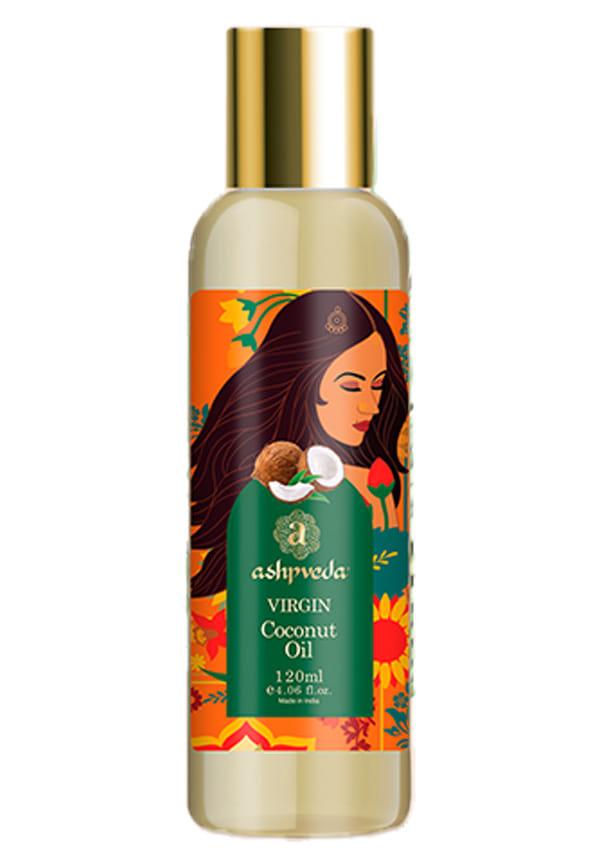
Organic Cold Pressed Virgin Coconut Oil for Hair and Skin | Ayurvedic Herb Enriched Fragrance Oil, Enhancing Scalp Health and Promotes Skin Firmness
Avoid anything with artificial fragrances or harsh chemicals when your scalp is already irritated. Stick to pure, natural oils and always dilute essential oils properly.
Having the right oil is only half the battle — how you use it makes all the difference. Most people either use too much, don't massage it in properly, or don't leave it on long enough to actually work.
Start with clean, slightly damp hair. This helps the oil distribute more evenly and penetrate better. Use about a teaspoon for short hair, a tablespoon for medium length, and up to two tablespoons for long, thick hair.
The massage technique matters. Use your fingertips (not nails) to work the oil into your scalp in small circular motions. Spend at least 5-10 minutes on this — it's not just about getting the oil on there, it's about stimulating blood flow and helping your scalp absorb the nutrients.
For deep treatment, leave the oil on for at least 30 minutes, or overnight if your hair can handle it. Cover with a silk scarf or use a silk pillowcase to protect your bedding.
When it's time to wash out, don't just dump shampoo on top of the oil. Rinse with warm water first, then apply shampoo to dry hair and work into a lather before adding more water. You might need to shampoo twice to get all the oil out.
Not all oils are created equal, and some can actually make scalp problems worse. Heavy, comedogenic oils like wheat germ oil or avocado oil might clog your pores if you have fine hair or an oily scalp.
Mineral oil is another one to skip. It sits on top of your scalp without really penetrating, and it can build up over time, making your hair look dull and lifeless.
Be cautious with nut oils if you have allergies. Even topical use can sometimes trigger reactions in sensitive people. Always patch test first, especially with almond, walnut, or any other tree nut oils.
Expired oils are a definite no. Rancid oils can irritate your scalp and won't provide any benefits. If your oil smells off, has changed colour, or has been sitting around for more than a year, it's time to bin it.
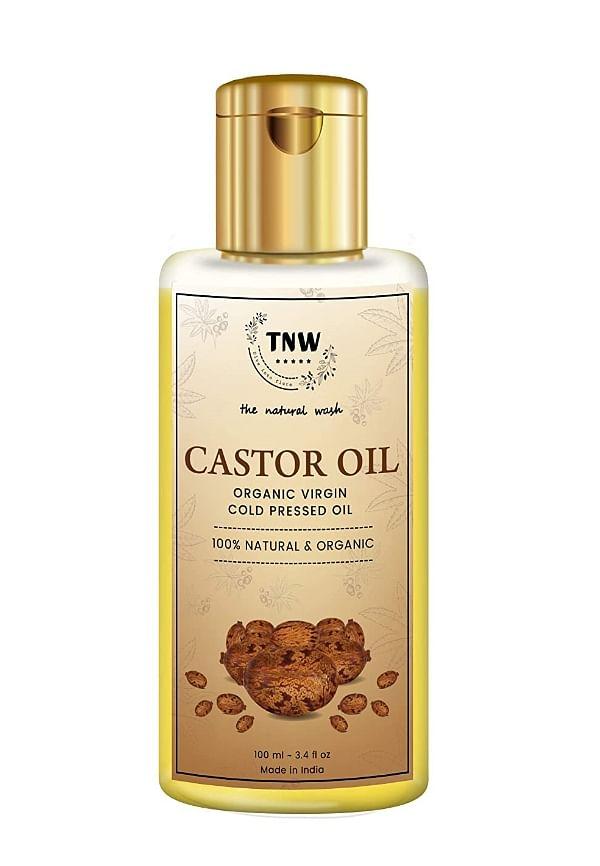
Combo of 100% Pure Castor Oil & Coconut Oil | Castor Oil For Hair,Skin,Eyelashes And Nails 100 ML |Virgin Coconut Oil Improves Hair,Skin Improves Hai
This depends on your hair type and scalp condition. If you have dry hair or scalp issues, 2-3 times a week is usually perfect. Oily hair types might only need once a week, while normal hair can handle twice weekly treatments. Listen to your scalp — if it starts feeling greasy or heavy, dial back the frequency.
Absolutely, and overnight treatments can be incredibly effective. Lighter oils like jojoba, argan, or fractionated coconut oil work best for this. Protect your pillowcase with a towel or use a silk scarf. Just make sure you're not using any essential oils at full strength — they can be too intense for extended contact.
Only if you use too much or don't wash it out properly. The key is using the right amount for your hair length and type, and making sure you thoroughly cleanse afterwards. If your hair still feels greasy after washing, try using less oil next time or switching to a lighter option like jojoba or grapeseed oil.
For moisture and immediate scalp relief, you might notice improvements after just one treatment. For hair growth or more significant scalp health changes, give it at least 6-8 weeks of consistent use. Hair grows slowly, so patience is key. Take photos to track your progress — sometimes changes are more obvious in pictures than in the mirror.
Definitely! Mixing oils can give you a custom blend that targets multiple concerns. A popular combo is coconut oil for moisture, castor oil for growth, and a few drops of rosemary oil for circulation. Start with equal parts of your base oils, then add essential oils drop by drop until you get the scent and potency you want.
Not necessarily. While quality matters, price doesn't always reflect effectiveness. A good quality coconut oil from the grocery store can work just as well as an expensive boutique blend. Look for cold-pressed, unrefined oils when possible, and check the ingredient list — you want pure oil without additives or fillers.
Finding your perfect scalp oil is honestly a bit of trial and error, but it's so worth it when you find the one that works. Start with your specific scalp concerns — whether that's dryness, oiliness, dandruff, or just wanting healthier hair growth. Remember that consistency beats perfection every time, so pick an oil routine you can actually stick to.
The beauty of scalp oils is that they're generally gentle, affordable, and you can customise them to your exact needs. Whether you go for a single oil like coconut or jojoba, or create your own blend with essential oils, your scalp will thank you for the extra attention.
Not sure which oil might work best for your hair type? Smytten offers trial-size versions of many haircare products — a smart way to test different formulations before committing to full-size bottles. After all, why guess when you can actually try and find what works for your unique hair needs?
