Best Oil for Growth FAQ: Your Hair Growth Questions Answered
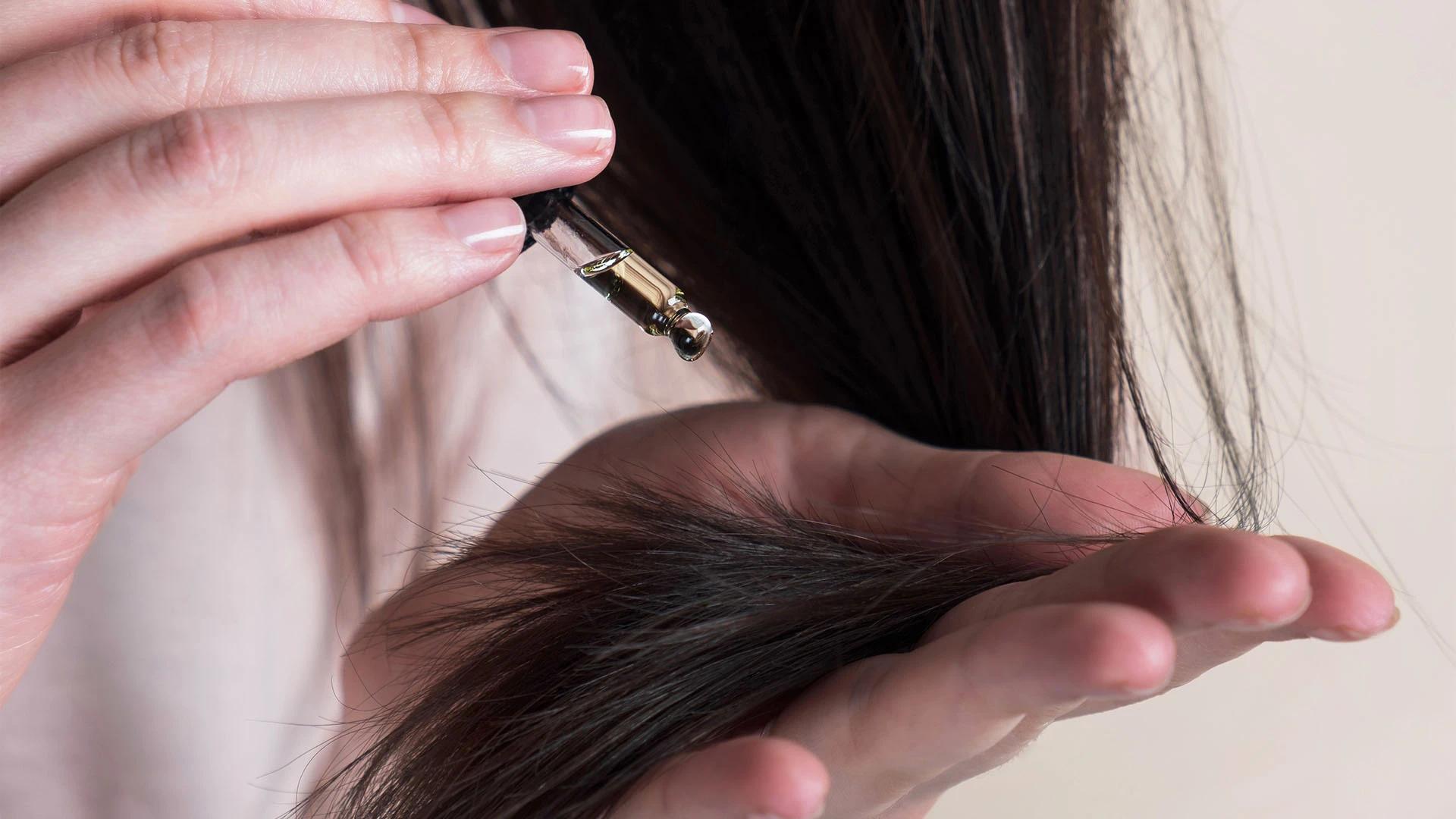

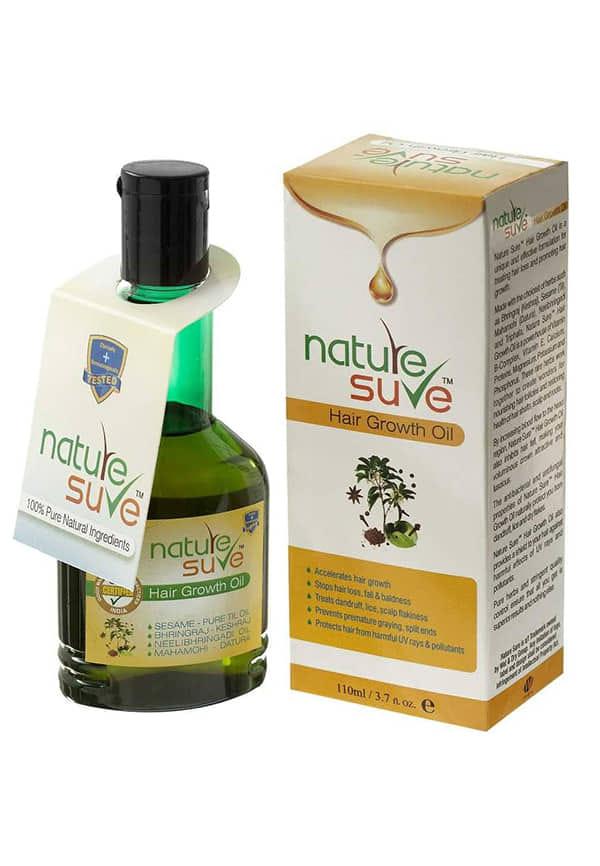
Hair Growth Oil for Darker and Stronger Hair in Men and Women
Ever stared at your hairline in the mirror, wondering if that's actually your scalp showing through? Or maybe you've been on a mission to grow your hair longer, but it feels like it's stuck at the same length forever. Real talk — we've all been there. The good news? The right hair growth oil might just be the game-changer you've been looking for. But with so many options promising miracle results, how do you know which one actually works? Let's dive into the science-backed answers to your biggest hair growth questions.
When it comes to the best oil for growth, rosemary oil consistently tops the research charts. A landmark study published in 2015 found that rosemary oil performed just as well as minoxidil (the active ingredient in many hair growth treatments) after six months of use. The participants using rosemary oil experienced significant hair count increases without the scalp irritation often associated with chemical treatments.
But here's the thing — hair growth oils work through multiple mechanisms. They stimulate blood circulation to your scalp, nourish hair follicles with essential nutrients, and create an optimal environment for healthy hair development. The key is understanding that not all oils work the same way, and what works brilliantly for your friend might not be your perfect match.
The science behind hair growth oil effectiveness lies in how these natural compounds interact with your scalp. Oils rich in compounds like ricinoleic acid, menthol, and antioxidants can actually wake up dormant follicles and extend the growth phase of your hair cycle. Think of it as giving your scalp the VIP treatment it deserves.
Let's get real about which oils are worth your time and money. After diving deep into research and real-world results, these are the natural hair growth champions that consistently deliver.
This herb isn't just for your Sunday roast anymore. Rosemary oil contains carnosic acid, which heals nerve damage and improves circulation — exactly what your hair follicles need to thrive. Mix 3-5 drops with a carrier oil like jojoba or coconut oil before applying to avoid any scalp sensitivity.
If you're after hair thickening oil that actually works, castor oil is your friend. Its high concentration of ricinoleic acid makes it brilliant for sparse edges and areas where you want more density. Jamaican black castor oil tends to be more potent than the regular clear version, though both can work wonders with consistent use.
Here's what makes coconut oil special — its molecular structure allows it to actually penetrate the hair shaft rather than just sitting on top. This means it prevents protein loss, which is crucial for maintaining length. It's particularly effective as a pre-shampoo treatment for protecting your hair during washing.
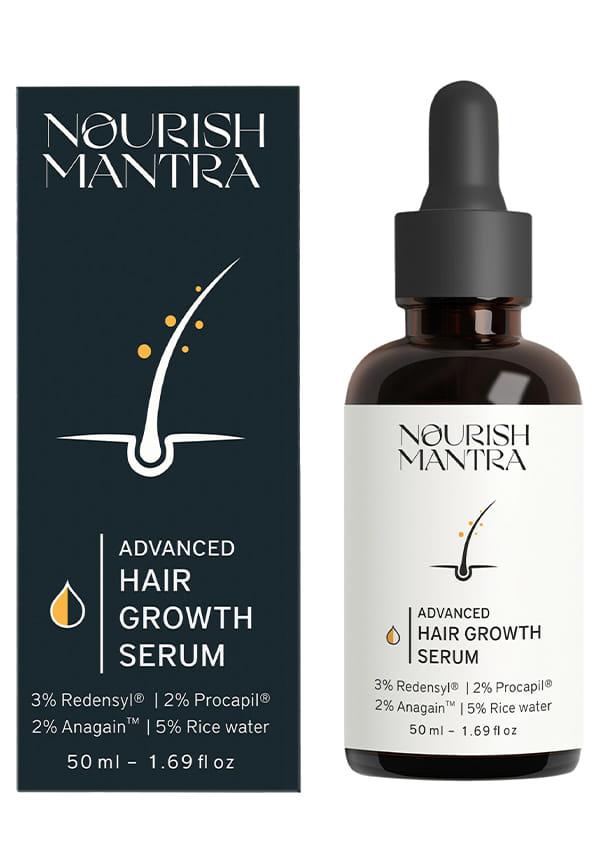
Advanced Hair Growth Serum for Hair Regrowth and Prevention of Hair Thinning - 50 ml
That tingly sensation you feel? That's increased blood flow to your scalp, and research shows peppermint oil can actually outperform some traditional treatments. Always dilute it properly though — a little goes a long way, and you don't want to irritate your scalp.
When you're looking for both growth and thickness, combining oils often works better than using just one. A blend of rosemary oil for growth stimulation, castor oil for thickness, and a lightweight carrier oil for easy application can be incredibly effective. The key is consistency — most people see noticeable results after 3-4 months of regular use.
For hair strengthening oil benefits, consider oils rich in vitamins E and A, like argan or sweet almond oil. These work brilliantly as base oils while providing their own nourishing benefits. The timeline for visible thickness improvements typically ranges from 6-12 weeks, depending on your starting point and how consistently you apply the treatment.
Different hair types respond differently to various oil weights. Fine hair often does better with lighter oils like jojoba or grapeseed, while thicker, coarser hair can handle heavier oils like castor or olive oil without looking greasy.
Dermatologists often recommend starting with proven ingredients before moving to prescription treatments. Many professionals suggest rosemary oil as a first-line natural hair growth treatment because of its solid research backing and minimal side effects.
Medical-grade formulations typically contain higher concentrations of active compounds and undergo more rigorous testing. However, many commercial scalp oil products can be just as effective when used correctly. The key is looking for products that list their active ingredient concentrations rather than hiding behind proprietary blends.
If you're dealing with significant hair loss or haven't seen results after six months of consistent oil use, it's worth consulting a dermatologist. Sometimes underlying conditions like hormonal imbalances or nutritional deficiencies need addressing alongside topical treatments.
Your hair type and specific concerns should guide your oil selection. What works brilliantly for one person might leave another with greasy, weighed-down hair.
For natural and textured hair, moisture retention is crucial alongside growth stimulation. Heavier oils like castor, olive, or shea butter blends work well because they provide the deep nourishment these hair types need. When wearing protective styles, focus on scalp application rather than coating the entire hair length.
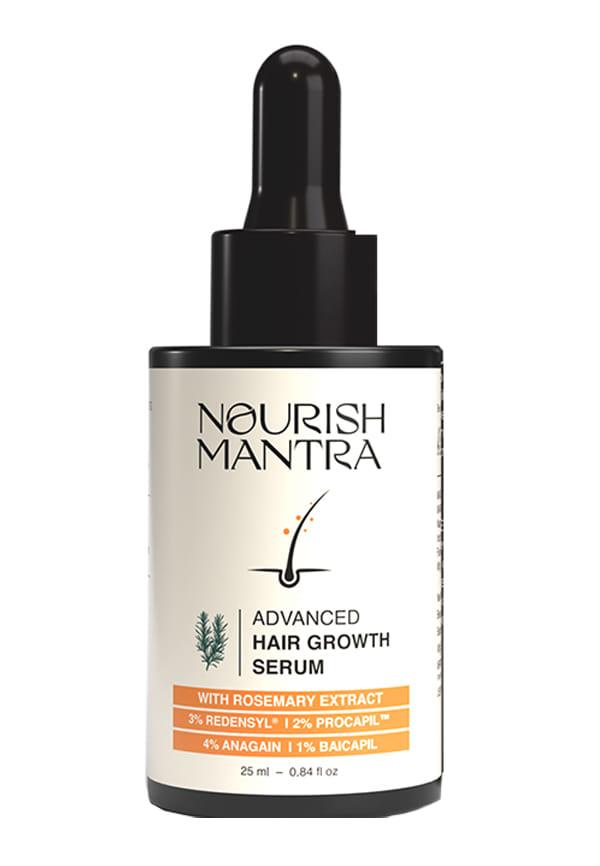
Advanced Hair Growth Serum With Rosemary Oil for Hair Regrowth and Stop Hairfall - 25 ml
Fine hair needs lightweight formulations that won't cause buildup or make hair look flat. Jojoba, argan, or grapeseed oils are excellent choices. For thick hair, you can handle richer oils like coconut, castor, or olive oil without worrying about weighing your hair down.
Dry scalp benefits from nourishing oils like coconut or argan, while oily scalps might do better with lighter options like jojoba that won't add excess oil. If you have a sensitive scalp, always patch test new oils and start with lower concentrations.
Application technique matters just as much as oil selection. For oil for healthy hair benefits, focus on massaging the oil into your scalp using circular motions for 5-10 minutes. This massage action increases blood circulation, which is crucial for hair oil benefits to take effect.
Timing is everything — applying oils 30 minutes to overnight before washing allows for maximum absorption. Some people prefer leaving lighter oils in as leave-in treatments, while others use heavier oils as intensive weekly treatments. Heat can enhance penetration, so consider warming the oil slightly or using a warm towel wrap after application.
Frequency depends on your hair type and the specific oil you're using. Most people see best results with 2-3 applications per week, though daily use of lighter oils can work for some hair types.
Based on scientific research, rosemary oil consistently ranks as the top performer for hair growth. Studies show it's as effective as minoxidil but with fewer side effects. For best results, dilute 3-5 drops in a carrier oil like coconut or jojoba before applying to your scalp.
Several oils have proven benefits for hair growth: rosemary oil for stimulation, castor oil for thickness, peppermint oil for circulation, coconut oil for length retention, and argan oil for overall scalp health. Many people find success combining 2-3 oils rather than using just one.
Rosemary oil takes the top spot due to its extensive research backing. A 2015 study found it performed as well as 2% minoxidil after six months of use, making it the most scientifically validated natural option for promoting hair growth.
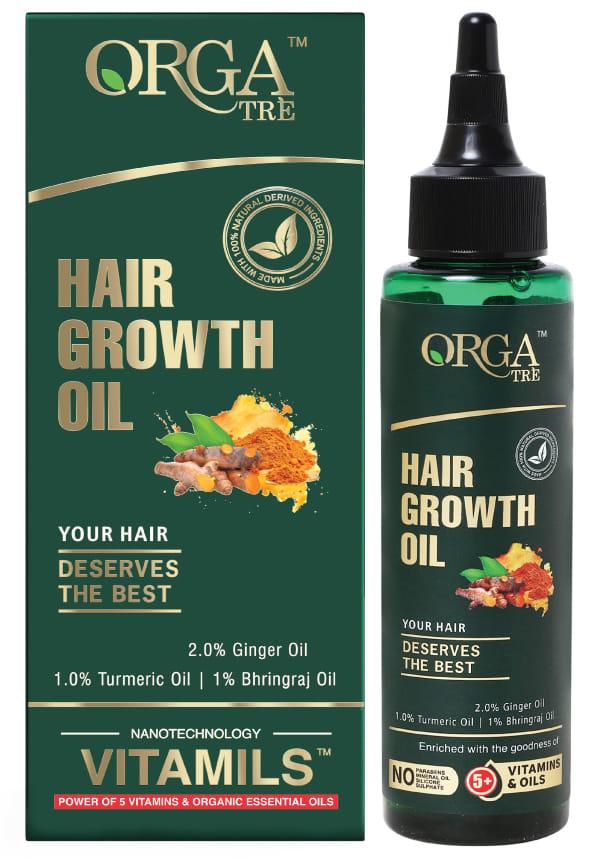
Hair Growth Oil
The top five evidence-based oils are: 1) Rosemary oil for overall growth stimulation, 2) Castor oil for thickness and density, 3) Peppermint oil for circulation boost, 4) Coconut oil for length retention and strength, and 5) Argan oil for scalp nourishment and overall hair health.
Most people notice initial improvements in hair texture and scalp health within 4-6 weeks. Visible length and thickness changes typically appear after 3-4 months of consistent use. Remember, hair grows about half an inch per month naturally, so patience is key.
Absolutely! Many people find better results mixing oils. A popular combination is 2-3 drops each of rosemary and peppermint oil mixed with 2 tablespoons of carrier oil like coconut or jojoba. Always patch test new combinations first.
Most hair growth oils are safe when properly diluted, but essential oils can cause irritation if used undiluted. Always do a patch test 24 hours before full application. Discontinue use if you experience redness, itching, or excessive irritation.
The biggest mistake people make is expecting overnight results or using oils inconsistently. Natural hair growth treatment requires patience and regular application. Another common error is using essential oils undiluted — this can actually damage your scalp and set back your progress.
Quality matters more than quantity. Look for cold-pressed, organic oils when possible, and store them properly to maintain their effectiveness. Heat and light can degrade the beneficial compounds, so keep your oils in cool, dark places.
Don't overdo it — more isn't always better with hair oils. Using too much can lead to buildup, clogged follicles, and greasy hair that's difficult to cleanse. Start with small amounts and adjust based on how your hair responds.
Finding the best oil for growth isn't about following trends — it's about understanding what works for your specific hair type and concerns. Rosemary oil leads the pack for scientific backing, while castor oil excels for thickness and coconut oil shines for length retention. The key to success lies in consistent application, proper dilution, and realistic expectations about timelines.
Remember, healthy hair growth starts with a healthy scalp, and the right oil can make all the difference in creating that optimal environment. Whether you're dealing with thinning edges, slow growth, or just want thicker, stronger hair, there's likely an oil combination that can help you reach your goals. Not sure which oil format works best for your hair type? Smytten offers trial-size versions of many hair growth oils and treatments — a smart way to test different options before committing to full-size bottles.
