Best Oil for Dryness FAQ: Your Hair Hydration Questions Answered


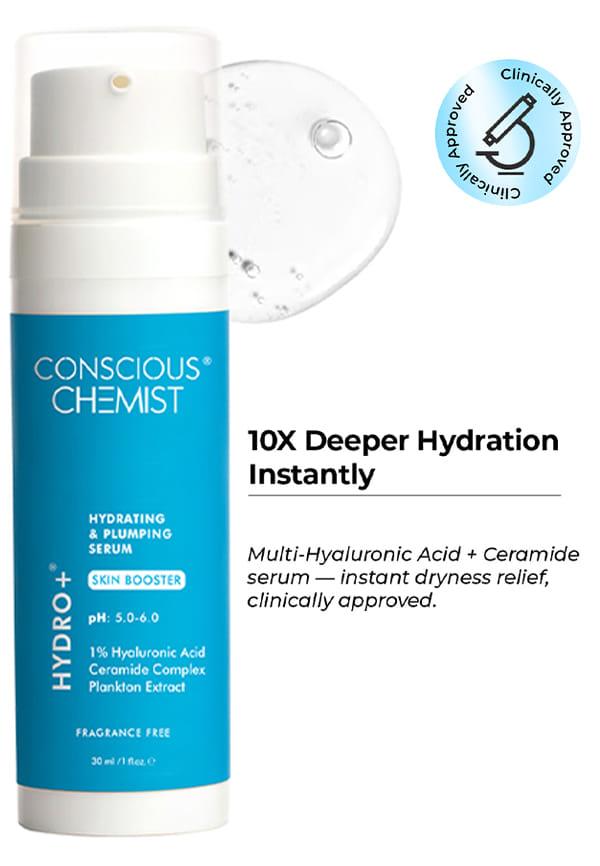
Hydro+ 1% Hyaluronic Acid Serum for Dry Skin
Wonderful Product, Must Try
 5
5“wonderful product.. must give a try”
Good size, awaiting results
5“loved the product size. but have to wait for the results hoping so it gives nice results on my skin and suits it”
Excellent for skin
5“its too good for the skin must buy”
You know that moment when you run your fingers through your hair and it feels like you're touching straw? Or when you wake up looking like you've been electrocuted, with frizz that defies all logic? We've all been there. Dry hair is one of those things that can make even the simplest hairstyles feel impossible. The good news? The right hair oil can be a total game-changer. But with so many options out there, figuring out which one actually works for your specific type of dryness can feel overwhelming. Let's break it down together and find your perfect match.
Real talk—hair dryness isn't just about having "thirsty" strands. It's actually your hair's way of telling you that its protective outer layer (the cuticle) is damaged or lifted. When this happens, moisture escapes faster than your hair can retain it. Think of it like trying to fill a bucket with holes in it.
Several things can cause this moisture loss. Heat styling tools are major culprits, but so are chemical treatments, environmental factors like wind and sun, and even over-washing. Sometimes it's just genetics—some people naturally produce less sebum (your scalp's natural oil) than others.
The signs are pretty obvious once you know what to look for. Your hair might feel rough or coarse to the touch, look dull instead of shiny, tangle easily, or break when you brush it. You might also notice your scalp feeling tight or itchy. This is where a good hair oil for dry hair comes in—it acts like a temporary seal, smoothing down those lifted cuticles and creating a barrier that helps lock in moisture.
Here's something interesting: there's a difference between dry hair and a dry scalp, though they often go hand in hand. Dry hair is about the strands themselves lacking moisture, while a dry scalp is about your skin not producing enough natural oils. The best oil for dryness often addresses both issues, which is why choosing the right one matters so much.
Not all oils are created equal when it comes to treating dry hair. Some penetrate the hair shaft deeply, while others sit on the surface to create a protective layer. Understanding these differences helps you pick the right dry hair treatment oil for your specific needs.
Argan oil is basically the Swiss Army knife of hair oils. It's packed with vitamin E and fatty acids that help repair damaged cuticles while adding serious shine. What makes it special is its molecular structure—it's small enough to penetrate your hair shaft but not so heavy that it weighs fine hair down. Perfect for most hair types, especially if you're dealing with frizz alongside dryness.
Coconut oil is the heavyweight champion of hair hydration. Its lauric acid content allows it to actually penetrate the hair shaft rather than just sitting on top. This makes it brilliant for severely dry or damaged hair. Just be careful if your hair is protein-sensitive—coconut oil can sometimes make hair feel stiff if overused.
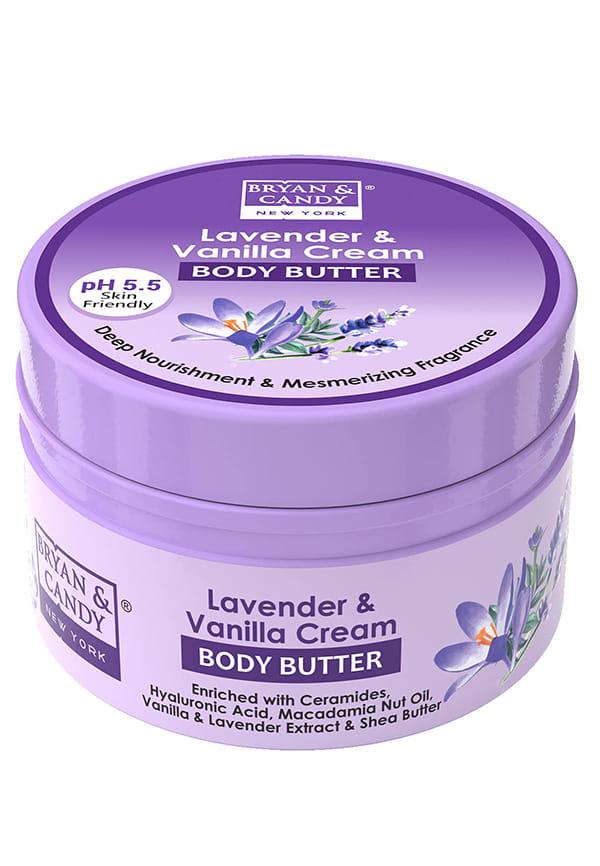
Lavender Body Butter For Moisturized Skin
Technically a wax rather than an oil, jojoba mimics your scalp's natural sebum almost perfectly. This makes it ideal if you're dealing with both dry hair and a dry scalp. It's lightweight, absorbs quickly, and rarely causes buildup. Your kind of pick if you want something you can use daily without your hair looking greasy.
Sweet almond oil is brilliant for sensitive scalps and fine hair that gets weighed down easily. Rosehip oil brings vitamin C and antioxidants to the party, making it worth a try if your dryness comes with damage from heat styling or colour treatments.
Getting the application right makes all the difference between gorgeous, hydrated hair and a greasy mess. The key is understanding when and how much to use.
For pre-shampoo treatments, apply your chosen moisturising hair oil to dry hair, focusing on the mid-lengths and ends. Avoid the roots unless you're specifically treating a dry scalp. Leave it on for at least 30 minutes (overnight if your hair is really thirsty) before washing as usual.
For leave-in treatments, less is definitely more. Start with just a few drops on damp hair, focusing on the ends. You can always add more, but it's much harder to take it away. The trick is to warm the oil between your palms first—this helps it distribute more evenly.
Scalp massage is where the magic happens for oil for dry scalp treatments. Use your fingertips (not nails) to gently massage the oil in circular motions. This stimulates blood flow and helps the oil penetrate better. Plus, it feels amazing after a long day.
Different types of dryness need different approaches. If you're dealing with frizz alongside dryness, look for heavier oils like argan or coconut that create a smoothing barrier. For fine hair that gets weighed down easily, lighter options like jojoba or sweet almond work better.
Frizz often comes from moisture imbalance, so you want an oil that both hydrates and creates a protective seal. Argan oil is brilliant here because it smooths the cuticle while adding moisture. Apply it to damp hair before styling for best results.
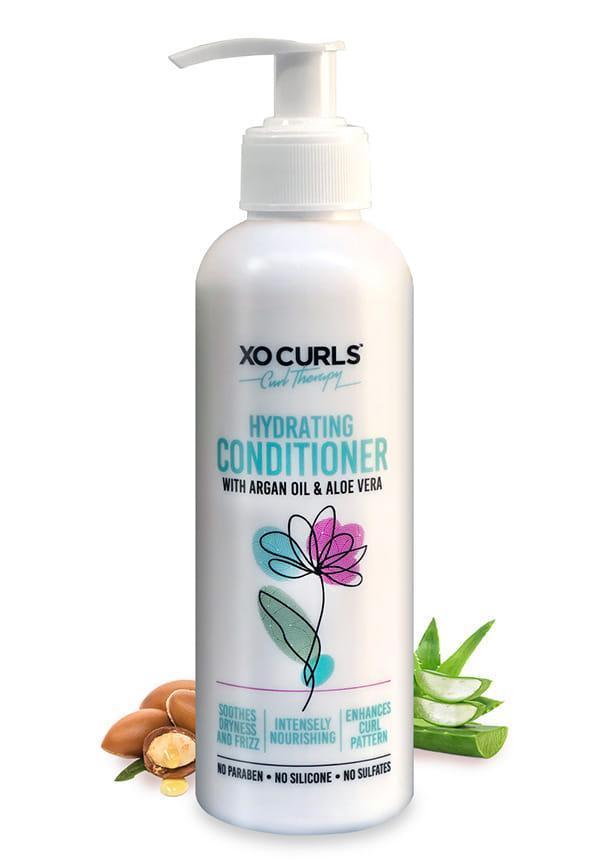
Hydrating Conditioner With Argan Oil And Aloe Vera For Easy Detangling And Soft Hair
Cold weather and indoor heating can seriously dry out your hair. During winter months, you might need to switch to a richer hair hydration oil or use your regular oil more frequently. Pre-shampoo treatments become especially important when the air is dry.
The biggest mistake people make is using too much oil. Start small—you can always add more. Another common error is applying oil to wet hair when you meant to do a pre-shampoo treatment. Wet hair can't absorb oil properly, so you'll just end up with a slippery mess.
Don't forget about your hair's porosity either. High porosity hair (damaged or chemically treated) drinks up oil quickly and might need heavier formulations. Low porosity hair (healthy but resistant to moisture) needs lighter oils that won't sit on the surface.
Product buildup is real, especially if you're using oil regularly. Make sure you're washing your hair properly and consider using a clarifying shampoo once a week to remove any residue.
Making your own oil blends can be fun and cost-effective, but it's not always necessary. Single oils like jojoba or argan often work brilliantly on their own. If you do want to experiment, start with a base oil (like jojoba) and add small amounts of others to see how your hair responds.
Commercial hair oils often contain additional ingredients like vitamins, proteins, or silicones that can boost their effectiveness. They're also formulated to have the right consistency and absorption rate, which takes the guesswork out of DIY mixing.
Coconut oil tends to show results quickly because it actually penetrates the hair shaft rather than just coating it. For immediate smoothing, argan oil is also brilliant because it works on the surface to tame frizz while providing moisture. Apply either as a pre-shampoo treatment and leave on for at least an hour for best results.
Some body oils work fine for hair, but check the ingredients first. Pure oils like jojoba, sweet almond, or argan are the same whether they're marketed for body or hair use. Avoid body oils with heavy fragrances or ingredients like mineral oil, which can build up on hair and make it look dull.
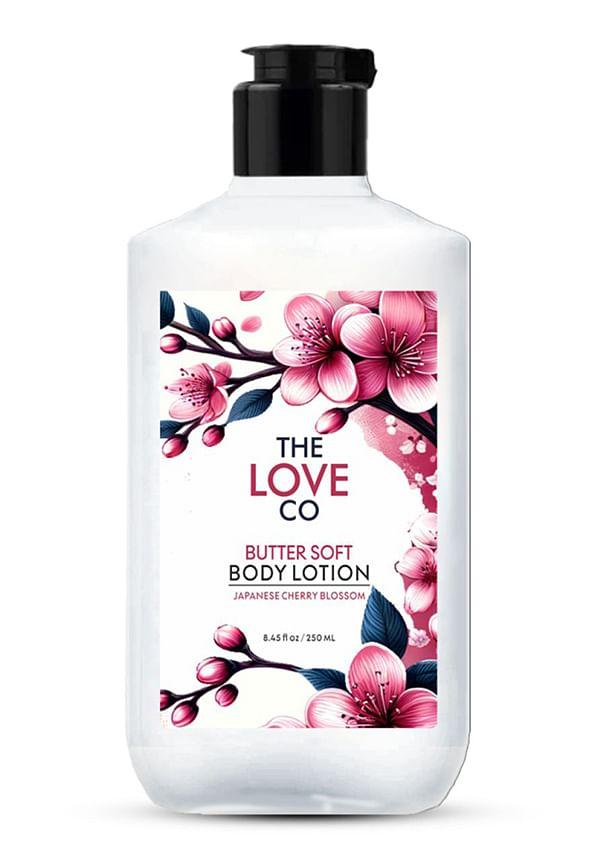
Butter Soft Body Lotion - Deep Hydration for Dry skin
For a genuinely dry scalp, 2-3 times a week is usually enough. Daily oiling can sometimes backfire by disrupting your scalp's natural oil production. If your scalp is both dry and sensitive, start with once a week and see how it responds before increasing frequency.
Hair oils are typically pure or blended natural oils that penetrate the hair shaft to provide moisture. Hair serums are usually silicone-based products that coat the hair to add shine and reduce frizz. Oils treat dryness from within, while serums provide surface-level smoothing and protection.
Mineral oil can be too heavy and may cause buildup without providing real moisture. Some people also find that coconut oil makes their hair feel stiff or dry if they have protein-sensitive hair. Essential oils should always be diluted—never apply them directly to your scalp as they can cause irritation.
Yes, if you're using the wrong type for your hair or applying too much. Protein-rich oils like coconut can sometimes make damaged hair feel drier if overused. Also, if you're not washing the oil out properly, it can create a barrier that prevents moisture from getting in.
Use a gentle clarifying shampoo once a week, or try the double-cleanse method—shampoo twice with a mild formula. You can also mix a tablespoon of apple cider vinegar with water as a final rinse to help remove residue without being too harsh.
Fine hair usually does better with lighter oils like jojoba or sweet almond. Thick, coarse, or curly hair can handle heavier oils like coconut, castor, or shea butter blends. Medium-textured hair is pretty versatile and can usually handle most oils, with argan being a particularly good all-rounder.
Finding the best oil for dryness is really about understanding your hair's specific needs and being patient with the process. What works for your friend might not work for you, and that's completely normal. The key is to start with one oil, give it a proper trial for a few weeks, and then adjust based on how your hair responds.
Remember that consistency matters more than perfection. Using a small amount of the right oil regularly will give you better results than occasional intensive treatments with the wrong product. And don't forget that healthy hair starts from the inside too—staying hydrated and eating well makes a real difference.
Whether you go for tried-and-tested options like argan and coconut oil, or want to explore something new like jojoba or rosehip, the most important thing is finding what makes your hair feel soft, look shiny, and behave the way you want it to. Not sure which oil might work best for your hair type? Smytten offers trial-size versions of many hair oils from trusted brands—a smart way to test different options before committing to a full bottle.
