Best Oil for Breakage FAQ: Your Hair Repair Questions Answered

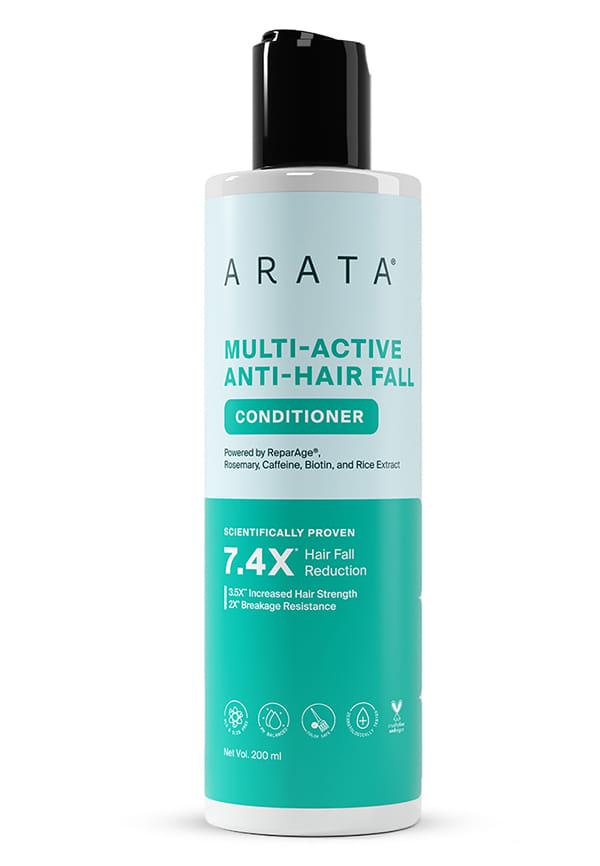
Anti-Hair Fall Conditioner for Breakage and Split-Ends Reduction
We've all been there — running your fingers through your hair only to find broken strands everywhere. Whether it's on your pillow, in the shower drain, or scattered across your shoulders, hair breakage can feel like a never-ending battle. The good news? The right oil can be your hair's best friend in this fight. But with countless options promising miracle results, finding the best oil for breakage isn't always straightforward. Let's dive into the real answers to your most pressing hair repair questions.
Hair breakage happens when your hair's protective outer layer (the cuticle) gets damaged, leaving the inner cortex vulnerable. Think of it like a frayed rope — once those outer fibres start splitting, the whole strand weakens. This damage typically comes from heat styling, chemical treatments, aggressive brushing, or simply environmental stress like pollution and UV rays.
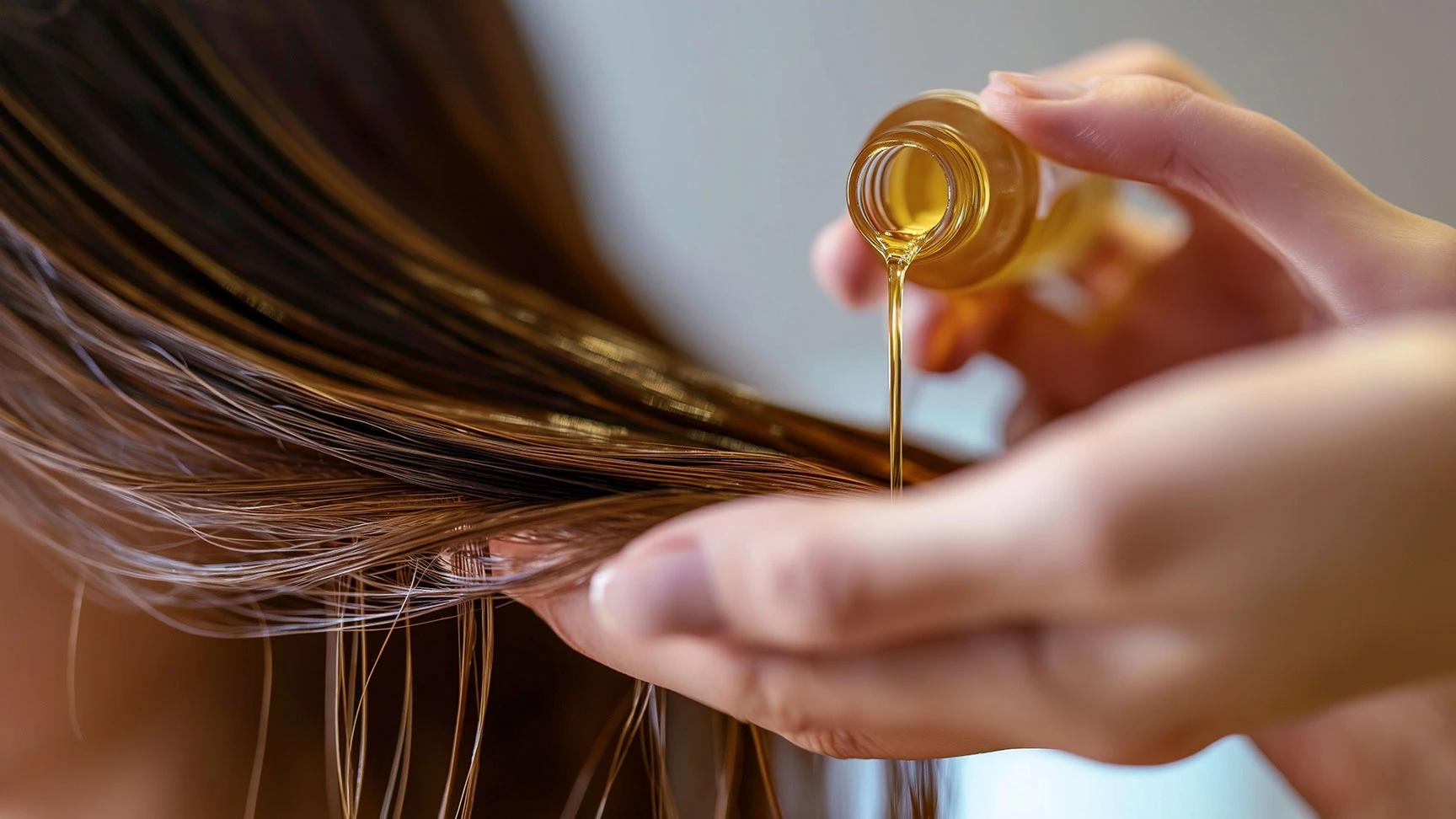
Here's where hair oil for breakage becomes your secret weapon. Quality oils work by penetrating the hair shaft and filling in those microscopic gaps in damaged cuticles. They create a protective barrier that locks in moisture and prevents protein loss — two major factors in hair strength. Unlike water-based products that sit on the surface, the right oil for damaged hair actually gets into the structure of your hair, rebuilding it from within.
The science is pretty fascinating. When hair loses moisture, it becomes brittle and prone to snapping. Oils with smaller molecular structures (like coconut and argan) can slip between cuticle layers, delivering deep hydration where it's needed most. Meanwhile, heavier oils create a protective seal that shields your hair from future damage.
Not all oils are created equal when it comes to repairing damaged hair. These four stand out as the most effective single-ingredient solutions for different hair types and damage levels.
Coconut oil is the heavyweight champion of hair strengthening oil options. Its high lauric acid content allows it to penetrate deeper than most other oils, making it perfect for severely damaged or coarse hair. Studies show it can actually prevent protein loss during washing — something most other oils can't claim.
If you're dealing with split ends, castor oil might be your answer. Its thick consistency and ricinoleic acid content help improve hair elasticity, making strands less likely to snap. Fair warning though — it's quite thick, so mix it with a lighter oil like jojoba for easier application.
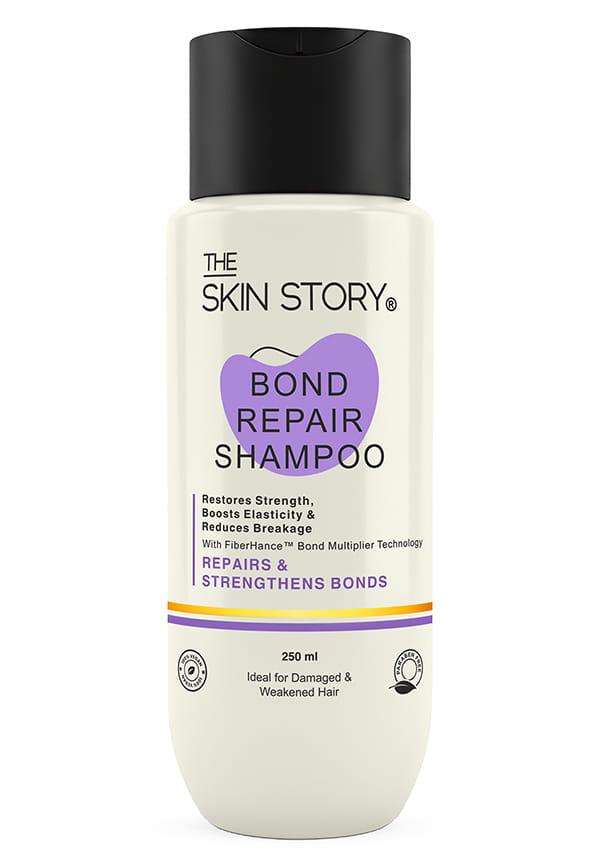
Professional Bond Repair Shampoo For Damaged Hair
Argan oil strikes the perfect balance between effectiveness and lightness. Packed with vitamin E and antioxidants, it repairs damage without weighing down finer hair types. It's one of the few natural oils for hair that you can use daily without buildup.
Technically a wax ester, jojoba oil mimics your scalp's natural sebum. This makes it brilliant for addressing dry scalp issues that often contribute to hair breakage. A healthy scalp equals stronger hair growth from the roots up.
Sometimes, expertly blended formulas work better than single oils. These anti-breakage hair oil options combine multiple beneficial ingredients for enhanced results.
Look for products that blend traditional oils with modern hair science. Many contain added proteins, vitamins, or plant extracts that target specific damage types. The key is finding a hair repair oil that matches your hair's particular needs — whether that's moisture, protein, or both.
Some formulas include heat protectants, making them perfect for pre-styling treatments. Others focus on overnight repair, using slower-absorbing oils that work while you sleep. The best approach often involves trying different formulations to see what your hair responds to best.
Selecting the best oil for breakage isn't one-size-fits-all. Your hair's porosity, texture, and damage level all play crucial roles in determining what will work best.
High porosity hair (often chemically treated or heat-damaged) absorbs products quickly but struggles to retain moisture. These hair types benefit from heavier oils like castor or coconut that can fill in damaged cuticles. Low porosity hair, on the other hand, repels moisture and needs lighter oils like argan or jojoba that won't sit on the surface.
Fine hair requires a delicate balance — you need enough oil for hair growth and strength without weighing down your strands. Medium to thick hair can handle richer formulations. Curly and coily textures typically need more intensive moisture, making them perfect candidates for oil blends.
Consider your scalp condition too. Dry, flaky scalps benefit from oils that can penetrate and soothe, while oily scalps need lighter formulations that won't clog follicles.
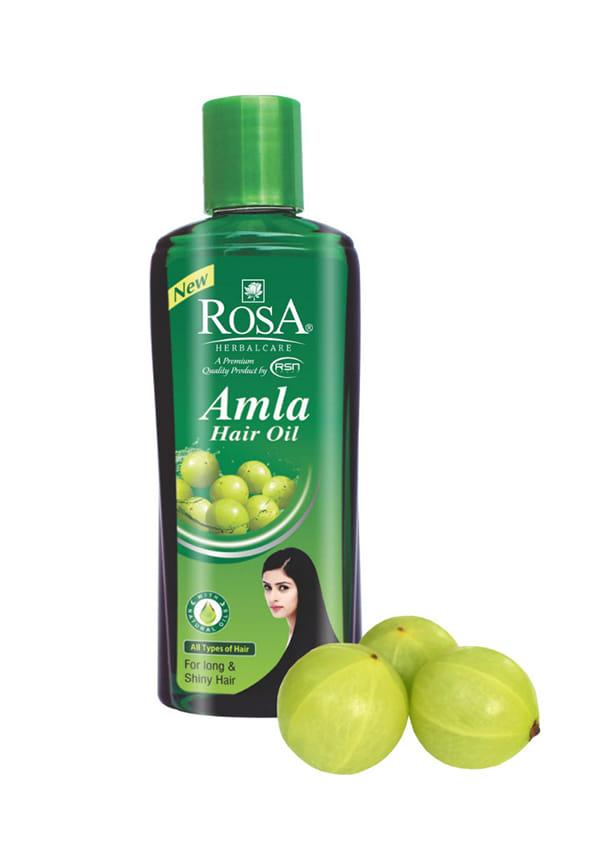
Amla Hair Oil I For Strong ,Long & Thick Hair
Even the best oil for split ends won't work if you're not applying it correctly. The method matters just as much as the product itself.
Pre-shampoo treatments are brilliant for severely damaged hair. Apply oil from mid-length to ends, leave for 30 minutes to overnight, then shampoo as usual. This protects your hair during the cleansing process and ensures deep penetration.
For daily use, focus on the ends and work your way up, avoiding the roots unless your scalp is particularly dry. A few drops of hair oil for dry hair can be applied to damp hair before styling for added protection.
Heat can boost oil penetration, but be careful not to overheat. Warm the oil slightly between your palms or use a warm towel wrap for 10-15 minutes. Never apply hot oil directly to your scalp.
Creating your own hair oil for healthy hair allows you to target specific concerns while saving money. Start with a base oil that suits your hair type, then add complementary oils in small amounts.
A popular combination for breakage is 70% coconut oil, 20% argan oil, and 10% castor oil. This gives you deep penetration, lightweight conditioning, and split end repair in one blend. Add a few drops of rosemary essential oil for potential growth benefits.
Store DIY blends in dark glass bottles away from heat and light. Most combinations stay fresh for 6-12 months, but always do a patch test before using new blends.
Coconut oil typically shows the quickest results for severe breakage due to its ability to penetrate the hair shaft and prevent protein loss. You might notice less breakage within 2-3 weeks of regular use. However, consistency matters more than speed — any quality oil used regularly will outperform sporadic use of even the best formulas.
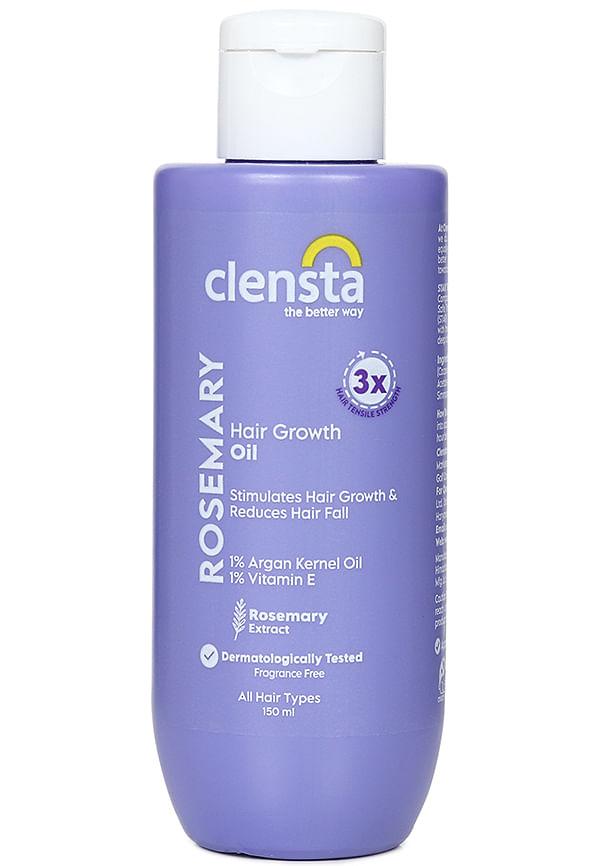
Rosemary Hair Growth Oil With Argan Oil & Vitamin E For Reducing Hair Fall, Strengthens Hair & Breakage
Absolutely, and it's often more effective. Damp hair has slightly raised cuticles, allowing better oil penetration. Apply a small amount to towel-dried hair, focusing on the ends. This method works particularly well for fine hair that might get weighed down by oil on dry strands.
This depends on your hair type and damage level. Severely damaged hair benefits from 2-3 oil treatments per week, while healthier hair might only need once weekly. Daily light application to ends is fine for most hair types, but avoid over-oiling the scalp which can lead to buildup and clogged follicles.
Not necessarily. Pure coconut oil from your local store can be just as effective as premium blends for basic breakage repair. However, expertly formulated products often combine multiple beneficial ingredients and undergo quality testing. The key is reading ingredients rather than focusing solely on price.
Yes, if used incorrectly. Over-application can lead to buildup that attracts dirt and requires aggressive washing to remove. Protein-sensitive hair might react poorly to coconut oil's protein-like effects. Always start with small amounts and pay attention to how your hair responds.
Hair oils typically have larger molecules that coat and penetrate the hair shaft, providing deep conditioning and protection. Serums usually contain smaller molecules that target specific concerns like frizz or shine. Oils are better for overnight treatments and deep repair, while serums work well for daily styling and surface smoothing.
Finding the best oil for breakage is about matching the right product to your specific hair needs. Whether you choose coconut oil for severe damage, argan oil for fine hair, or a expertly blended formula, consistency in application matters more than the perfect product.
Remember that hair repair takes time — expect to see real improvements after 4-6 weeks of regular use. Focus on gentle application techniques, avoid over-processing, and give your hair the moisture and protection it needs to rebuild its strength.
The beauty industry offers countless options, from traditional single oils to innovative blends that combine ancient wisdom with modern science. Smytten's curated selection includes premium hair care brands that have perfected these formulations, with many available in trial sizes so you can find your perfect match without committing to full bottles. After all, the best oil for your hair might be different from what works for your friends — and that's perfectly normal.
