Best Mask for Frizz FAQ: Your Questions Answered


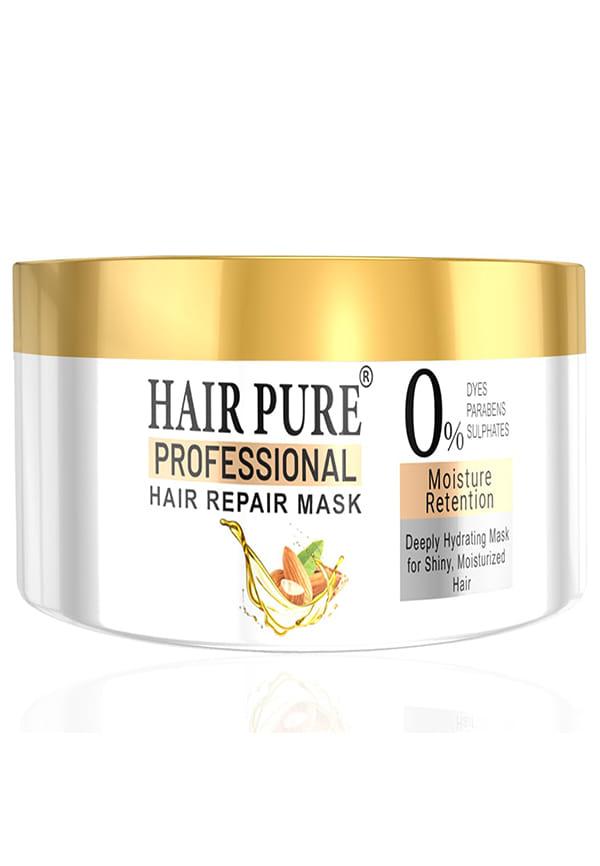
Hair Repair Mask for Dry, Frizzy Hair Mask
Picture this: you've just stepped out of the shower, hair looking sleek and smooth. But the moment you walk outside — boom — instant frizz explosion. Sound familiar? You're definitely not alone in this battle against humidity and unruly strands. The good news? The right hair mask can be your secret weapon in taming that frizz for good. Let's dive into everything you need to know about finding your perfect frizz-fighting formula.
Real talk — there's no one-size-fits-all answer here. The best mask for frizz depends entirely on your hair type, the cause of your frizz, and what your strands are actually craving. Frizz happens when your hair cuticles lift up, letting moisture escape and humidity sneak in. It's like your hair is constantly having a bad hair day because it can't hold onto the good stuff.
When hunting for a hair mask for frizzy hair, look for ingredients that smooth those cuticles and lock in moisture. Keratin is your best mate here — it fills in the gaps in damaged hair and creates a protective barrier. Argan oil is another winner, packed with fatty acids that penetrate deep into your strands. Hyaluronic acid might sound fancy, but it's basically a moisture magnet that can hold up to 1,000 times its weight in water.
Your hair texture matters loads too. Fine frizzy hair needs lightweight formulas that won't weigh it down, whilst thick, coarse hair can handle richer, more intensive treatments. Curly hair often gets frizzy because it's naturally drier — the oils from your scalp have a harder time travelling down those spirals. Damaged hair from heat styling or chemical treatments needs serious repair work, so look for protein-rich masks that rebuild your hair's structure.
Professional salon masks typically pack more concentrated active ingredients compared to drugstore options, but that doesn't mean budget-friendly picks can't work wonders. The key is finding the right formula for your specific needs, not necessarily the priciest option on the shelf.
Absolutely, but let's get into the science behind it. Hair masks work by temporarily filling in the microscopic gaps in your hair cuticles — think of it like spackling a wall before painting. When your cuticles are smooth and sealed, moisture stays locked in and humidity can't penetrate as easily.
The magic happens in those 10-20 minutes whilst the mask is doing its thing. The conditioning agents and oils have time to penetrate deeper into your hair shaft than a regular conditioner ever could. Some ingredients, like ceramides, actually help rebuild your hair's natural protective barrier. Others, like silicones, create a temporary coating that smooths everything down.
Clinical studies show that regular use of deep conditioning treatments can reduce frizz by up to 70% over time. But here's the thing — results aren't instant magic. You might notice some immediate smoothness after your first use, but the real transformation happens with consistent application over 4-6 weeks.
The effectiveness also depends on what's causing your frizz in the first place. If it's damage from heat styling, a protein-rich mask can work wonders. If it's just your natural hair texture reacting to humidity, a hydrating hair mask for frizz will be your best bet. Environmental factors like hard water or pollution can also contribute to frizz, so sometimes it's about finding the right combination of treatments.
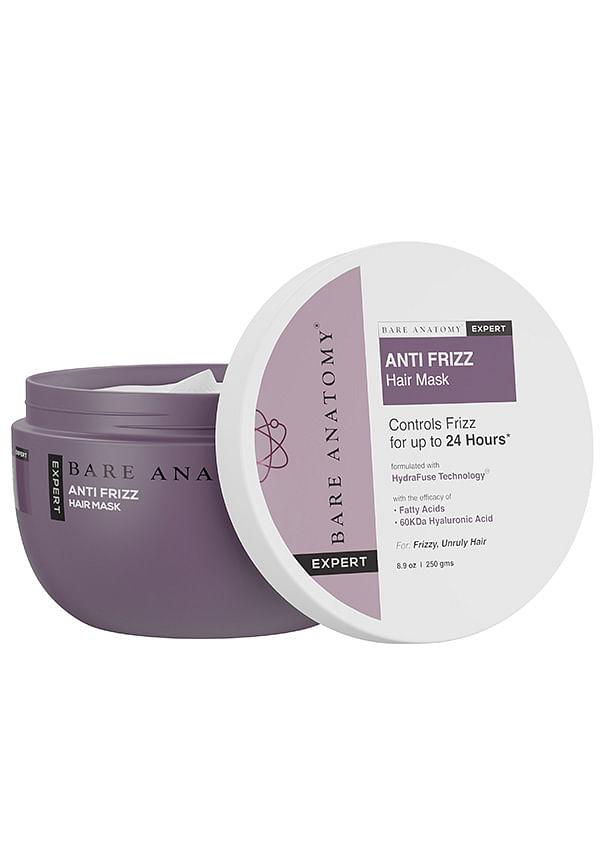
Anti-Frizz Hair Mask For Smooth Hair With Hyaluronic Acid
Best for Frizzy Hair
 5
5“this is the best product to control firizzy hair”
Hydrating Hair Mask for Winters
5“really hydrating hair mask for the winters”
Effective frizz control, environmentally sensitive
5“It made my hair smooth and freeze free in just one wash ,though the freeze remains depending on the environment.”
Fine hair gets tricky because it needs moisture without the weight. Look for lightweight, water-based formulas that won't leave your strands looking flat or greasy. Ingredients like rice protein and silk amino acids are brilliant for fine hair — they smooth without heaviness. Apply only to mid-lengths and ends, avoiding your roots entirely. Once a week is usually plenty for fine hair types.
Dry, frizzy hair is basically crying out for hydration. This is where you can go all-in with rich, creamy formulas packed with nourishing oils and butters. Shea butter, coconut oil, and avocado oil are your friends here. These deep conditioner for frizz formulas work best when applied generously from mid-length to ends. You might even benefit from overnight treatments once or twice a month for intensive repair.
The DIY route definitely has its perks — you know exactly what's going into your hair, and it's usually much kinder to your wallet. Natural hair mask for frizz recipes often feature ingredients like honey (a natural humectant), coconut oil (for deep moisture), and egg whites (for protein). A simple avocado and honey mask can work wonders for taming frizzy hair mask needs.
But let's be honest — professional formulas are designed with specific molecular weights and pH levels that home kitchens can't replicate. They often contain advanced ingredients like hydrolysed proteins that penetrate deeper than DIY alternatives. Plus, they're formulated to work across different hair types and concerns.
The safety factor is worth considering too. Natural doesn't always mean gentle — some people are allergic to common DIY ingredients like eggs or nuts. Professional products undergo rigorous testing for safety and efficacy.
Cost-wise, DIY masks might seem cheaper upfront, but when you factor in buying multiple ingredients that you might only use once, professional masks often offer better value. Plus, there's the convenience factor — sometimes you just want to grab a tube and go.
First, figure out your frizz type. Is it humidity-induced puffiness? Heat damage? Natural texture? Chemical processing aftermath? Each cause needs a different approach. Hair mask for humidity issues calls for anti-humectant ingredients, whilst damage-related frizz needs protein and repair-focused formulas.
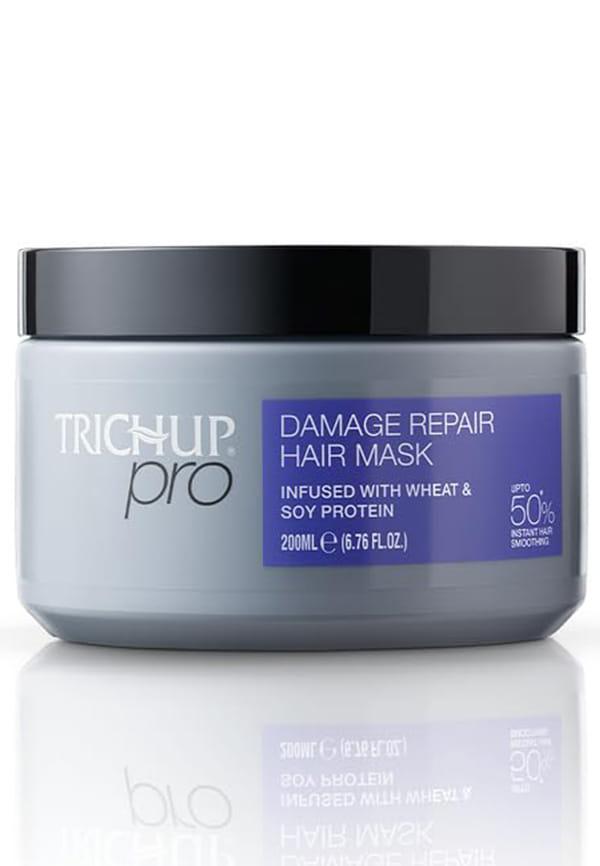
Trichup Pro Damage Repair Hair Mask for Dry Frizzy Hair Intensely Binds
Consider your hair's porosity too. High-porosity hair (damaged or chemically treated) absorbs products quickly but also loses moisture fast. Low-porosity hair (healthy but resistant) needs lighter formulas that won't sit on top of your strands. You can test this by dropping a clean strand of hair into water — if it sinks quickly, you have high porosity.
Seasonal considerations matter loads. Your hair might need different treatments in monsoon season versus dry winter months. A hair smoothing mask that works brilliantly in air-conditioned environments might not cut it during Mumbai's humid summers.
Don't forget about your styling routine either. If you're constantly using heat tools, you'll need masks with thermal protection properties. If you air-dry most of the time, focus on humidity-blocking ingredients.
Getting the most out of your anti frizz hair mask is all about technique. Start with freshly shampooed, towel-dried hair — not soaking wet, but definitely damp. This helps the mask distribute evenly and penetrate better.
Section your hair into manageable parts and apply the mask from mid-length to ends, avoiding your roots unless the product specifically says it's safe for scalp application. Use a wide-tooth comb to ensure even distribution — this step is crucial for preventing patchy results.
Here's where most people go wrong: they don't leave the mask on long enough. Follow the instructions, but don't be afraid to add an extra 5-10 minutes if your hair is particularly damaged or dry. Some intensive treatments work even better with gentle heat — try wrapping your hair in a warm towel or using a hair steamer if you have one.
Rinse thoroughly with cool water to seal those cuticles shut. Follow up with a lightweight leave-in conditioner if your hair tends to be on the drier side. For best results, use your frizz control mask 1-2 times per week, adjusting frequency based on how your hair responds.
Generally, no — daily masking can lead to product buildup and over-conditioning, which actually makes frizz worse. Most hair types benefit from 1-2 weekly applications. Fine hair might need even less frequent treatments, whilst very damaged or chemically processed hair might handle more frequent use.
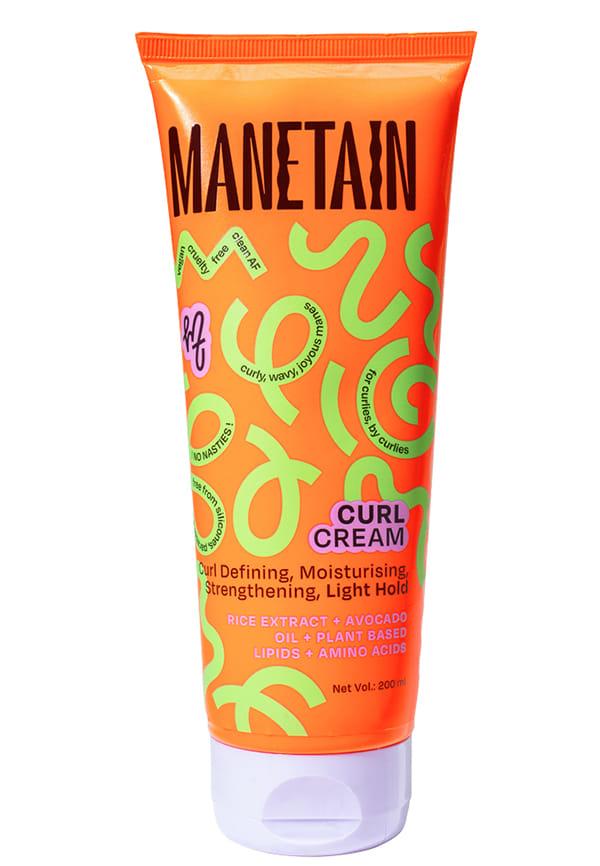
Frizz Control Curl Cream
Immediate smoothness typically lasts 2-3 days, but cumulative benefits build over time. With consistent use, you should notice lasting improvements in manageability and frizz reduction after about a month. The key is consistency rather than intensity.
Look for colour-safe formulas that are sulphate-free and contain UV protection. Protein masks can be particularly helpful since chemical processing often damages the hair's protein structure. Always patch test new products on colour-treated hair.
Absolutely! Many drugstore and Indian brands offer excellent frizz-fighting masks at budget-friendly prices. Focus on the ingredient list rather than the price tag — coconut oil, argan oil, and keratin can be found in affordable formulations.
Some can, especially if you have sensitive skin or allergies to specific ingredients. Always patch test new products and avoid applying masks directly to your scalp unless they're specifically designed for scalp treatment. If you experience itching or irritation, rinse immediately.
Your hair's needs definitely change with the weather. Monsoon season might call for anti-humidity formulas, whilst winter might require more intensive hydrating treatments. Pay attention to how your hair behaves in different conditions and adjust accordingly.
Finding the best mask for frizz is really about understanding your hair's unique needs and being consistent with your routine. Whether you're dealing with humidity-induced puffiness or damage-related frizz, there's definitely a solution out there for you. Remember, it's not about finding the most expensive product — it's about finding the right ingredients for your specific hair type and concerns.
The science is clear: regular deep conditioning treatments can significantly reduce frizz over time. But patience is key — give any new product at least 4-6 weeks to show its true potential. And don't forget that your application technique matters just as much as the product itself.
If you're still figuring out which formulation works best for your hair, Smytten's curated selection includes hair masks from trusted brands across different price points and hair concerns. Not sure which format works for your hair? Smytten also offers trial-size versions of many of these products — a good way to test different formulas before committing to full-size purchases.
