Best Mask for Breakage FAQ: Your Hair Repair Questions Answered


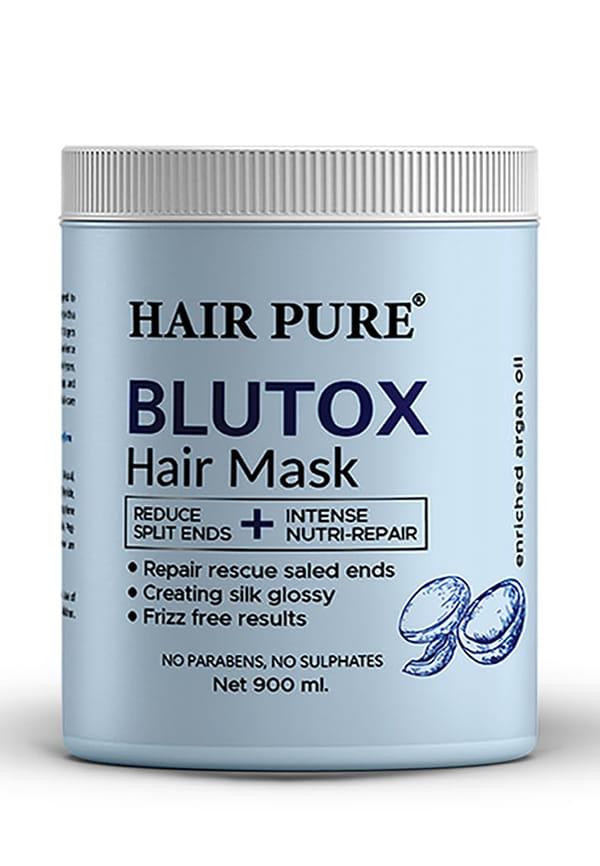
Blutox Hair Mask for Reduces Split Ends & Intense Nutri-Repair Treatment
You know that sinking feeling when you run your fingers through your hair and find broken strands everywhere? Or when you notice your hairbrush collecting way more hair than usual? Hair breakage is one of those sneaky problems that creeps up on you—one day your hair feels fine, and the next, you're dealing with short, snappy pieces that just won't behave. The good news? The right hair mask can be a total game-changer for bringing damaged hair back to life. Whether you're dealing with heat damage, chemical processing aftermath, or just everyday wear and tear, finding the best mask for breakage is your first step toward stronger, healthier hair.
Let's be real—not all hair masks are created equal when it comes to tackling breakage. The best mask for breakage needs to do two things: repair what's already damaged and strengthen your hair to prevent future breaks. Think of it like giving your hair both a bandage and a shield at the same time.
A proper hair breakage treatment works by filling in the gaps in your hair's cuticle (that's the outer protective layer) and adding back the proteins and moisture that keep your strands flexible and strong. When your hair lacks these essential elements, it becomes brittle and snaps easily—kind of like how a dried-out rubber band breaks when you stretch it.
Before we dive into solutions, it's worth knowing what you're actually dealing with. Hair breakage happens when strands snap off somewhere along the shaft, leaving you with uneven lengths and those annoying short pieces that stick up. Hair loss, on the other hand, is when entire strands fall out from the root—totally normal in small amounts (we lose about 50-100 hairs daily), but breakage is different.
You can spot breakage by looking for short, uneven pieces throughout your hair, especially around areas that get the most stress like your hairline, crown, and ends. If you're seeing lots of short hairs that seem to have snapped rather than fallen out naturally, you're dealing with breakage.
When shopping for a hair mask for damaged hair, keep an eye out for these powerhouse ingredients. Proteins like keratin, hydrolyzed wheat protein, and amino acids help rebuild your hair's structure from the inside out. Think of them as the construction crew fixing the foundation of a house.
Moisturising ingredients are equally important—things like hyaluronic acid, ceramides, and natural oils like argan or coconut oil help keep your hair flexible and less prone to snapping. A good deep conditioning mask will combine both protein and moisture for the ultimate hair repair mask effect.
The tricky thing about damaged hair is that it comes in many forms. Maybe you've got heat damage from too many styling sessions, chemical damage from colouring or relaxing, or mechanical damage from tight hairstyles and rough handling. Each type needs a slightly different approach, but the good news is that most quality hair masks can tackle multiple issues at once.
When your hair is seriously damaged, you need a deep conditioning mask that can penetrate beyond the surface. These intensive treatments usually contain higher concentrations of repairing ingredients and are designed to be left on for longer periods—sometimes 20-30 minutes instead of the usual 5-10.
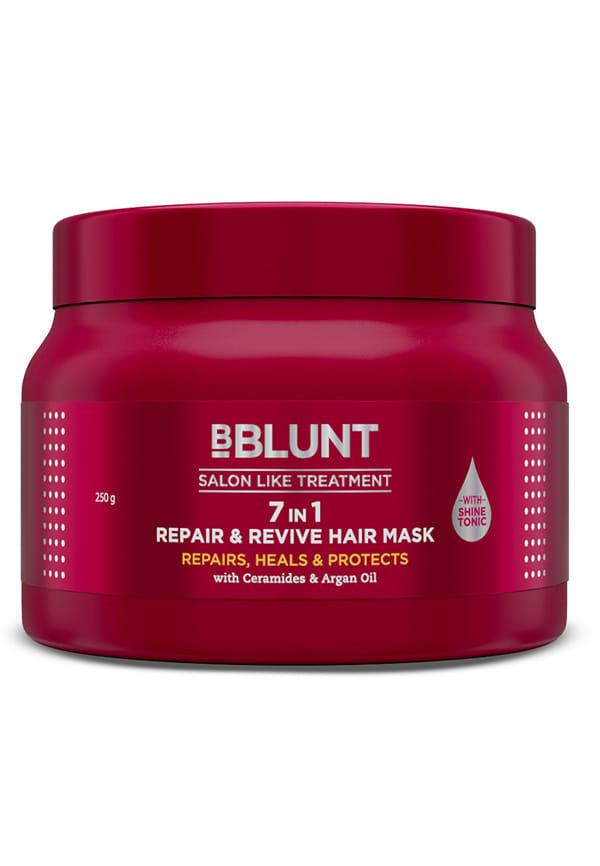
7 in 1 Repair & Revive Hair Mask for Upto 100% Damage Repair
The key is consistency. Using a deep conditioning mask once a week can make a massive difference in how your hair looks and feels. Apply it from mid-length to ends (your roots don't usually need the extra moisture), and consider using a shower cap or warm towel to help the ingredients penetrate better.
If your hair feels mushy when wet or stretches way too much before snapping, you might need a protein hair mask. These treatments help rebuild the internal structure of your hair, making it stronger and more resilient. But here's the thing—too much protein can actually make your hair brittle, so it's all about finding the right balance.
Signs you need protein include hair that feels gummy when wet, lacks bounce, or breaks easily when you gently stretch a strand. On the flip side, if your hair feels dry and straw-like, you probably need more moisture than protein.
Sometimes the best solutions are sitting right in your kitchen. A natural hair mask for breakage can be just as effective as store-bought options, plus you know exactly what's going into your hair. Ingredients like eggs (packed with protein), avocado (full of healthy fats), and honey (a natural humectant) can work wonders for damaged strands.
Treating hair breakage isn't just about slapping on a mask and hoping for the best. It's about creating a comprehensive routine that addresses the root causes while giving your hair the TLC it needs to bounce back stronger than before.
Start by assessing your current hair care routine. Are you using heat tools daily? Sleeping on cotton pillowcases? Brushing wet hair aggressively? These seemingly small habits can add up to major breakage over time. The best hair strengthening mask in the world won't help if you're still damaging your hair faster than it can repair itself.
Week one is all about damage control. Use a protein-rich mask twice this week to start rebuilding your hair's structure. Avoid heat styling completely if possible, and be extra gentle when detangling. Think of this as the emergency phase—you're stopping the bleeding before you can start healing.
Weeks two and three focus on moisture and flexibility. Switch to a deeply moisturising mask once or twice a week, and start incorporating leave-in treatments for daily protection. This is when you should start seeing less breakage in your brush and more manageability in your hair.
Week four is about maintenance and prevention. By now, you should have a good sense of what your hair responds to best. Continue with weekly mask treatments, but you can start reintroducing gentle heat styling if needed—just make sure you're using a heat protectant.
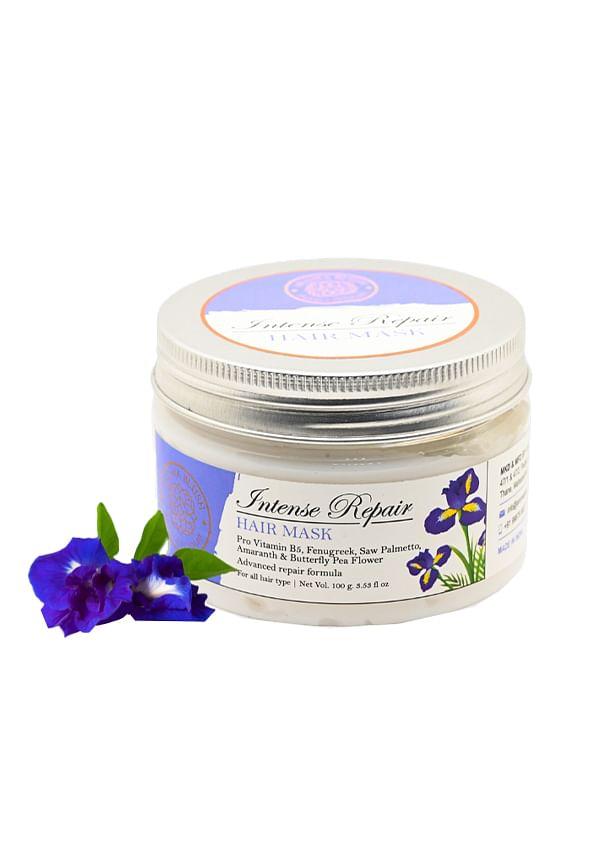
Intense Repair Hair Mask
Let's address the elephant in the room—can a split end repair mask actually fix split ends? The honest answer is no, not permanently. Once a hair strand splits, the only way to truly fix it is to cut it off. But here's what a good mask can do: it can temporarily seal the cuticle and smooth down the split, making it less noticeable and preventing it from splitting further up the strand.
The real value of a split end repair mask is in prevention. By keeping your hair well-moisturised and protected, you can significantly reduce the formation of new splits. Look for masks with film-forming ingredients like silicones or proteins that can create a protective barrier around each strand.
The best split end strategy is stopping them before they start. Regular trims every 6-8 weeks, gentle handling when hair is wet, and consistent use of a good hair mask can keep your ends healthy and strong. Think of it as preventive maintenance rather than damage control.
Sometimes the most effective treatments are the simplest ones. A DIY hair mask for breakage can be just as powerful as expensive salon treatments, and you probably have most of the ingredients at home already.
One of the most effective combinations is egg and honey. Eggs provide protein to strengthen your hair, while honey acts as a humectant, drawing moisture from the air into your hair. Mix one egg with two tablespoons of honey, apply to damp hair, and leave for 20 minutes before rinsing with cool water (hot water will cook the egg—not the look we're going for!).
Avocado isn't just good for toast—it's packed with healthy fats and vitamins that can penetrate the hair shaft and provide deep conditioning. Mash half a ripe avocado with a tablespoon of coconut oil for a moisture-intensive treatment that's perfect for dry, damaged hair.
Rice water has been used for centuries in Asian cultures for hair care, and modern science backs up its effectiveness. The amino acids and vitamins in rice water can help strengthen hair and improve elasticity. Soak rice in water for 30 minutes, strain, and use the water as a final rinse after shampooing.
The best approach combines a good hair mask with gentle handling and protective styling. Use a strengthening mask 1-2 times per week, avoid heat styling when possible, sleep on silk pillowcases, and always use a wide-tooth comb on wet hair. Consistency is key—you won't see overnight results, but stick with it for 4-6 weeks and you'll notice a real difference.
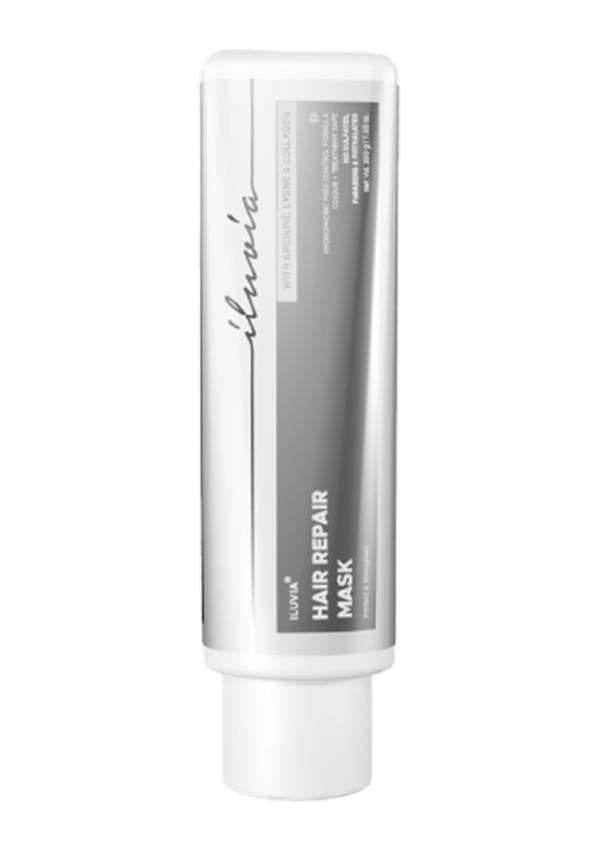
Hair Repair Mask | For damaged, dry, dull hair
An anti-breakage mask is specifically formulated to strengthen hair and reduce snapping. These masks typically contain proteins to rebuild hair structure, moisturising ingredients to improve flexibility, and protective elements to shield against future damage. They're usually thicker and more concentrated than regular conditioners.
For severely damaged hair, start with 2-3 times per week for the first month, then scale back to once a week for maintenance. If your hair is only mildly damaged, once a week should be sufficient. Pay attention to how your hair responds—if it starts feeling heavy or greasy, reduce frequency.
Absolutely! Focus application on mid-lengths and ends rather than roots, and look for lighter formulations that won't weigh your hair down. Clay-based masks can be particularly good for oily hair as they provide treatment benefits without adding excess oils to your scalp.
You might notice immediate improvements in texture and manageability after the first use, but real structural repair takes time. Most people see significant reduction in breakage after 4-6 weeks of consistent use. Remember, you're essentially growing out the damage, which takes patience.
Not necessarily. While some high-end masks do contain superior ingredients or higher concentrations of active compounds, plenty of affordable options work brilliantly. Focus on the ingredient list rather than the price tag—a mask with good proteins and moisturising agents will outperform an expensive one with mostly fillers.
It's best to avoid heat styling immediately after a mask treatment when possible, as your hair is more vulnerable when it's wet or damp. If you must use heat tools, make sure your hair is completely dry first and always use a heat protectant product. Consider air-drying or using low-heat settings to minimise additional damage.
Finding the best mask for breakage is really about understanding what your hair needs and being consistent with your care routine. Whether you choose a store-bought treatment or whip up a DIY version in your kitchen, the key ingredients remain the same: proteins for strength, moisture for flexibility, and protective elements to prevent future damage.
Remember that repairing hair breakage is a marathon, not a sprint. It takes time to see real results, but with patience and the right products, you can absolutely get your hair back to its healthy, strong state. The most important thing is to be gentle with your hair while it's healing—think of it as nursing an injury back to health.
If you're looking to explore different hair mask options without committing to full-size products, Smytten offers trial-size versions of many hair repair treatments from trusted brands. It's a smart way to test what works for your specific hair type and damage level before investing in larger bottles—because finding your perfect match might just take a bit of experimentation.
