Best Hair Fall Treatment FAQ: Solutions for Hair Loss

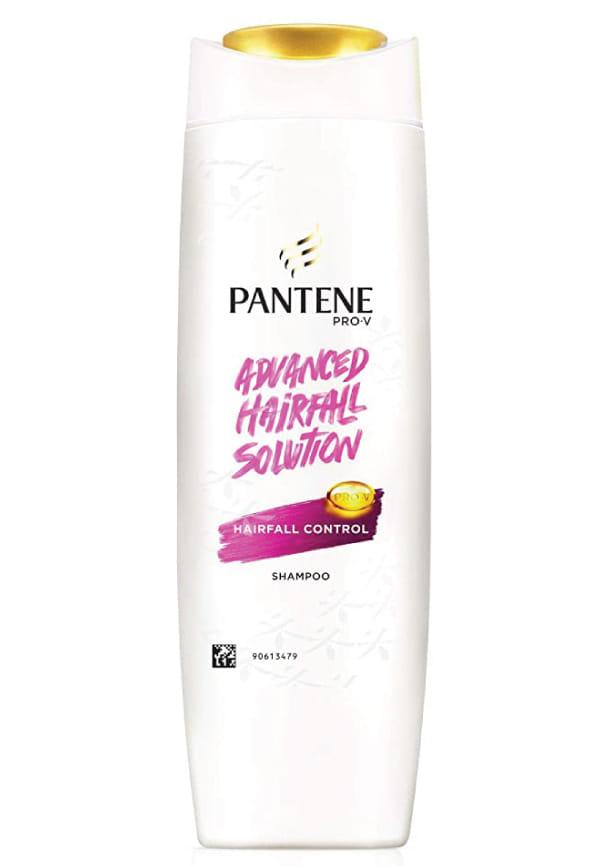
Advanced Hair Fall Solution Hair Fall Control Shampoo
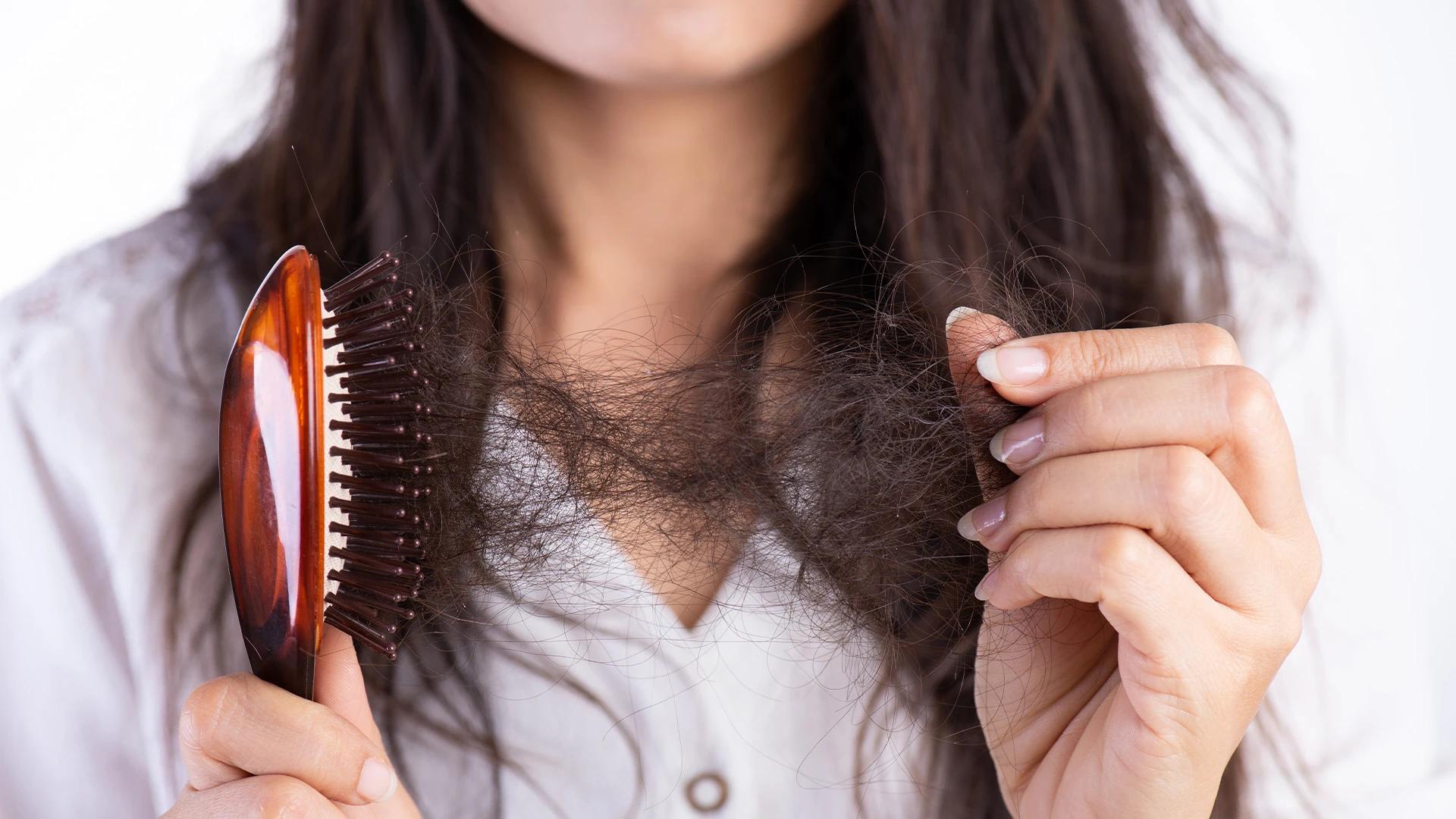
You know that moment when you're brushing your hair and suddenly there's way more in the brush than usual? Or when you notice your parting looking wider than it used to? Hair fall can be genuinely worrying, especially when you're not sure if what you're experiencing is normal or something that needs attention. The good news is that effective hair fall treatments exist, and finding the right approach for your specific situation can make all the difference. Whether you're dealing with stress-related shedding, genetic hair loss, or just want to strengthen what you've got, understanding your options is the first step towards healthier hair.
Let's get real about hair fall first. Losing around 50-100 strands daily is completely normal—it's just your hair's natural cycle of shedding and renewal. But when you start noticing clumps in the shower drain or your hairline changing shape, that's when it might be time to look into hair loss solutions.
Hair fall causes vary widely, but the most common culprits include genetics (thanks, family tree), hormonal changes, stress, nutritional deficiencies, and harsh styling practices. For women, pregnancy, menopause, and PCOS can trigger hair thinning, while men often deal with androgenetic alopecia—that classic receding hairline and crown thinning pattern.
The key is recognising the warning signs early. If you're seeing sudden patches of hair loss, experiencing itching or burning on your scalp, or noticing your hair texture changing dramatically, it's worth consulting a dermatologist. Different types of hair loss require different approaches, so getting a proper diagnosis helps you choose the most effective treatment path.
Androgenetic alopecia affects about 80% of men and 40% of women at some point. It's genetic and hormone-related, typically showing up as a receding hairline or crown thinning. Telogen effluvium, on the other hand, is usually temporary and triggered by stress, illness, or major life changes—think post-pregnancy hair fall or that shedding after a particularly stressful period.
Alopecia areata causes patchy hair loss and is autoimmune-related, while traction alopecia comes from tight hairstyles pulling on your hair follicles over time. Each type responds differently to treatment, which is why understanding what you're dealing with matters so much.
When it comes to clinically proven hair regrowth treatment options, a few standout treatments have solid research backing them up. These aren't miracle cures, but they're your best bet for stopping hair fall and potentially regrowing what you've lost.
Minoxidil is probably the most well-known hair fall treatment, and for good reason. Originally developed as a blood pressure medication, researchers noticed that patients were growing hair in unexpected places. Now it's available as a topical solution specifically for hair loss, and it's the only over-the-counter treatment approved for both men and women.
The treatment works by increasing blood flow to hair follicles and extending the growth phase of hair. Most people see initial results within 3-6 months of consistent use, with peak benefits around the 12-month mark. The catch? You need to keep using it to maintain results—stop the treatment, and any regrown hair will fall out within a few months.
For best results, apply minoxidil to a clean, dry scalp twice daily. The 5% concentration is typically recommended for men, while women usually start with 2% (though 5% can be used under medical supervision). Some people experience initial increased shedding in the first few weeks—this is normal and means the treatment is working to reset your hair cycle.
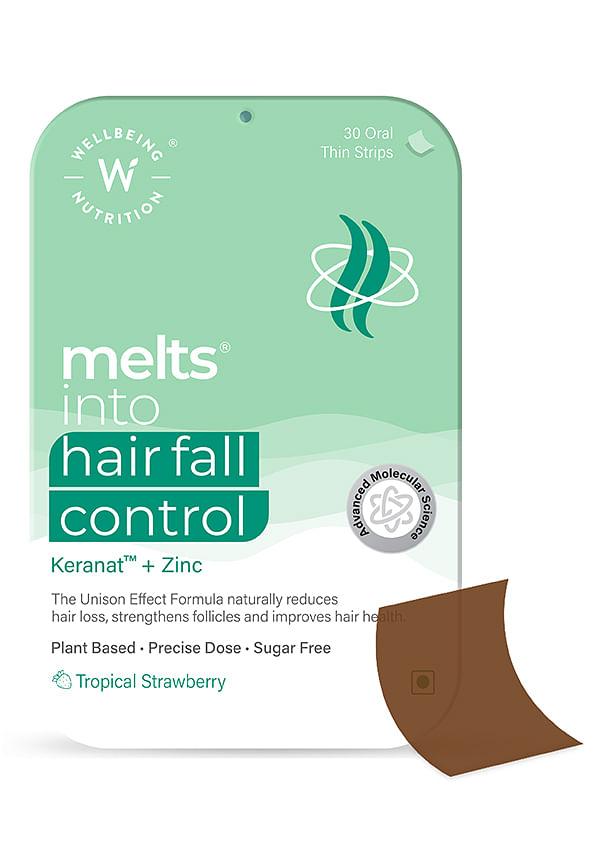
Melts Hair Fall Control Keranat & Zinc, Hair Loss Support to Improve Hair Anchoring (30 Oral Strips)
Finasteride is a prescription medication that's particularly effective for men dealing with androgenetic alopecia. It works by blocking the enzyme that converts testosterone to DHT (dihydrotestosterone), the hormone responsible for shrinking hair follicles in genetic hair loss.
Clinical studies show that about 80-90% of men who use finasteride maintain their existing hair, and around 65% experience some regrowth. Like minoxidil, it requires ongoing use to maintain benefits. The standard dose is 1mg daily, and most people see results within 6-12 months.
While generally well-tolerated, finasteride can have side effects including decreased libido and sexual dysfunction in a small percentage of users. It's not recommended for women of childbearing age due to potential birth defect risks.
For those looking beyond topical treatments, several advanced options show promising results. PRP (Platelet-Rich Plasma) therapy involves injecting your own processed blood platelets into the scalp to stimulate hair growth. While more research is needed, many people see improvements in hair density and thickness.
Low-level laser therapy uses red light to potentially stimulate cellular activity in hair follicles. Hair transplant procedures remain the most permanent solution for significant hair loss, though they're invasive and expensive.
While medical treatments have the strongest evidence base, several natural approaches can complement your hair fall control routine or serve as gentler alternatives for mild hair thinning.
Bhringraj, often called the "king of herbs" for hair, has been used in traditional medicine for centuries. Modern studies suggest it may help improve hair growth and reduce premature greying. You'll find it in many Indian hair oils and treatments.
Amla (Indian gooseberry) is packed with vitamin C and antioxidants that support scalp health. Regular amla oil massages or consuming amla juice may help strengthen hair from the inside out. Fenugreek seeds contain proteins and nicotinic acid that may help with hair fall and dandruff when used as a hair mask.
Rosemary essential oil has shown promise in small studies, with one research trial finding it as effective as 2% minoxidil for hair regrowth. Peppermint oil may also stimulate hair growth, though more research is needed. Always dilute essential oils with a carrier oil like coconut or jojoba before applying to your scalp.
Regular scalp massage, even without oils, can improve blood circulation to hair follicles. Spend 5-10 minutes daily gently massaging your scalp with your fingertips—it's relaxing and might help with hair growth too.
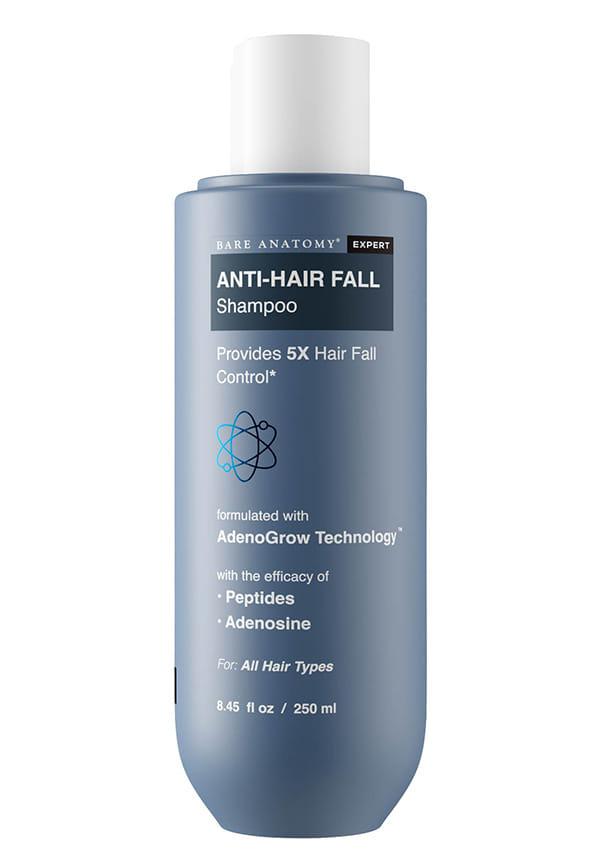
Anti-Hair Fall Shampoo | Provides 5X Hair Fall Control
A good hair fall shampoo won't single-handedly stop hair loss, but it can create a healthier scalp environment and reduce breakage. Look for ingredients like ketoconazole (which has anti-DHT properties), caffeine (which may stimulate follicles), biotin, and saw palmetto.
Avoid harsh sulphates that can strip your scalp and weaken hair. Instead, opt for gentle, pH-balanced formulas that clean without over-drying. If you have an oily scalp, you might benefit from a clarifying shampoo once a week, while dry or chemically treated hair needs extra moisture.
Remember that hair care tips extend beyond just the products you use. Be gentle when washing—massage your scalp with your fingertips, not your nails. Use lukewarm water instead of hot, and always follow up with a conditioner to keep your hair shaft smooth and less prone to breakage.
Your hair reflects your overall health, so supporting healthy hair growth often means taking care of your whole body. Protein is crucial since hair is primarily made of keratin—aim for adequate protein intake through foods like eggs, fish, legumes, and nuts.
Iron deficiency is a common cause of hair fall, especially in women. If you're experiencing unexplained hair loss, getting your iron levels checked might be worthwhile. Other important nutrients include vitamin D, B vitamins (especially biotin and B12), and zinc.
Stress management plays a huge role in hair health. Chronic stress can push hair follicles into the resting phase, leading to increased shedding. Regular exercise, adequate sleep, and stress-reduction techniques like meditation can all support your hair fall control efforts.
Protect your hair from damage by avoiding tight hairstyles, excessive heat styling, and harsh chemical treatments. When you do use heat tools, always apply a heat protectant first. Sleep on a silk or satin pillowcase to reduce friction, and consider using a wide-tooth comb on wet hair to prevent breakage.
The most effective treatments are minoxidil and finasteride, with success rates of 80-90% in clinical studies. Your best option depends on the type of hair loss you're experiencing, your gender, and how severe the problem is. For androgenetic alopecia, combining minoxidil with finasteride (for men) often gives the best results. Women might benefit from minoxidil plus addressing any underlying hormonal issues.
Unfortunately, genetic hair loss can't be "permanently" stopped, but it can be significantly slowed and managed with consistent treatment. The key is starting early and maintaining your chosen treatment regimen. Most effective treatments require ongoing use—stop using them, and hair loss typically resumes. However, addressing underlying causes like nutritional deficiencies or thyroid issues can sometimes provide more lasting results.
Combination therapy using both minoxidil and finasteride shows the highest success rates, with studies reporting 85-95% effectiveness for androgenetic alopecia. This approach targets hair loss from multiple angles—minoxidil stimulates growth while finasteride blocks the hormone that causes follicle shrinkage. For women, minoxidil combined with addressing hormonal factors often works best.
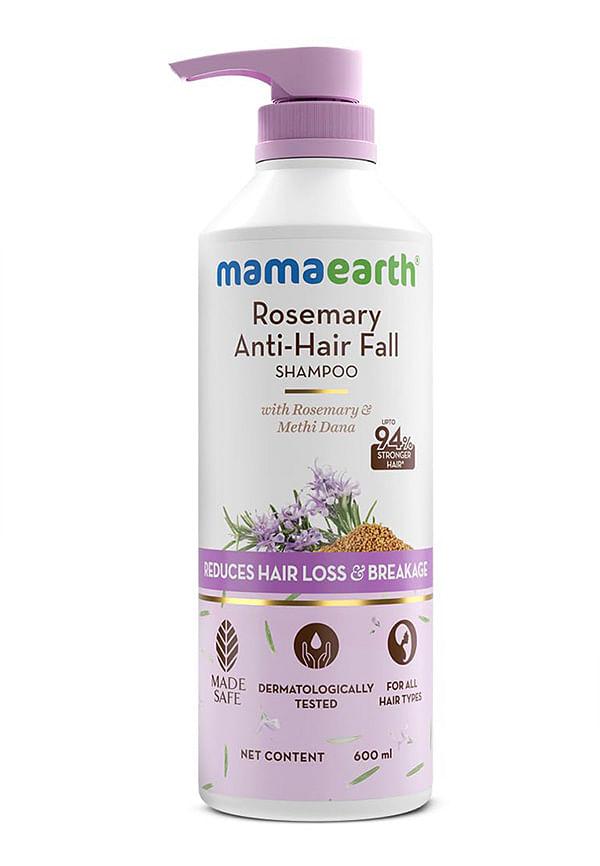
Rosemary Anti-Hair Fall Shampoo with Rosemary & Methi Dana for Reducing Hair Loss & Breakage
While there's no instant fix for hair loss, you can reduce immediate hair fall by identifying and eliminating triggers. Stop harsh styling practices, switch to gentle hair products, manage stress levels, and ensure you're getting proper nutrition. If you're experiencing sudden, severe hair loss, see a dermatologist quickly as some conditions respond better to early treatment.
The only FDA-approved medications for hair loss are minoxidil (available over-the-counter) and finasteride (prescription only). Minoxidil works for both men and women and can be started without a doctor's visit. Finasteride is primarily for men with male pattern baldness. Both have solid research backing their effectiveness when used consistently.
Natural approaches include scalp massage to improve circulation, using oils like rosemary or peppermint, maintaining a protein-rich diet, managing stress, and ensuring adequate sleep. Ayurvedic treatments with bhringraj and amla may also help. While these methods are gentler, they typically take longer to show results and may be less effective than medical treatments for significant hair loss.
Stress-related hair loss (telogen effluvium) is usually temporary. Once you address the underlying stress and give your hair cycle time to reset, hair typically regrows within 6-12 months. However, chronic stress can worsen genetic hair loss patterns, so managing stress is important for overall hair health regardless of the underlying cause.
Consult a dermatologist if you notice sudden or patchy hair loss, if your hairline is rapidly changing, or if you're experiencing other symptoms like scalp irritation or pain. Getting professional advice early can help you choose the most appropriate treatment and rule out underlying medical conditions that might be contributing to your hair loss.
Finding the best hair fall treatment often involves combining approaches rather than relying on a single solution. Medical treatments like minoxidil and finasteride have the strongest evidence for effectiveness, but natural remedies and good hair care practices can provide valuable support.
The most important thing is starting treatment early and being consistent with whatever approach you choose. Hair regrowth takes time—typically 3-6 months before you see noticeable results, and up to a year for full benefits. Don't get discouraged if you don't see immediate changes.
Remember that hair loss affects everyone differently, and what works for your friend might not be the right fit for you. Pay attention to how your hair responds to different treatments and adjust accordingly. If you're unsure about which direction to take, consulting with a dermatologist can help you create a personalised treatment plan.
Whether you're exploring medical treatments or natural alternatives, Smytten's curated selection of haircare products from trusted brands makes it easier to find solutions that work for your specific needs. Not sure which hair fall shampoo or treatment might suit your hair type? Smytten also offers trial-size versions of many of these products—a smart way to test different approaches before committing to full-size purchases.
