Best Conditioner for Scalp FAQ: Your Scalp Health Questions Answered
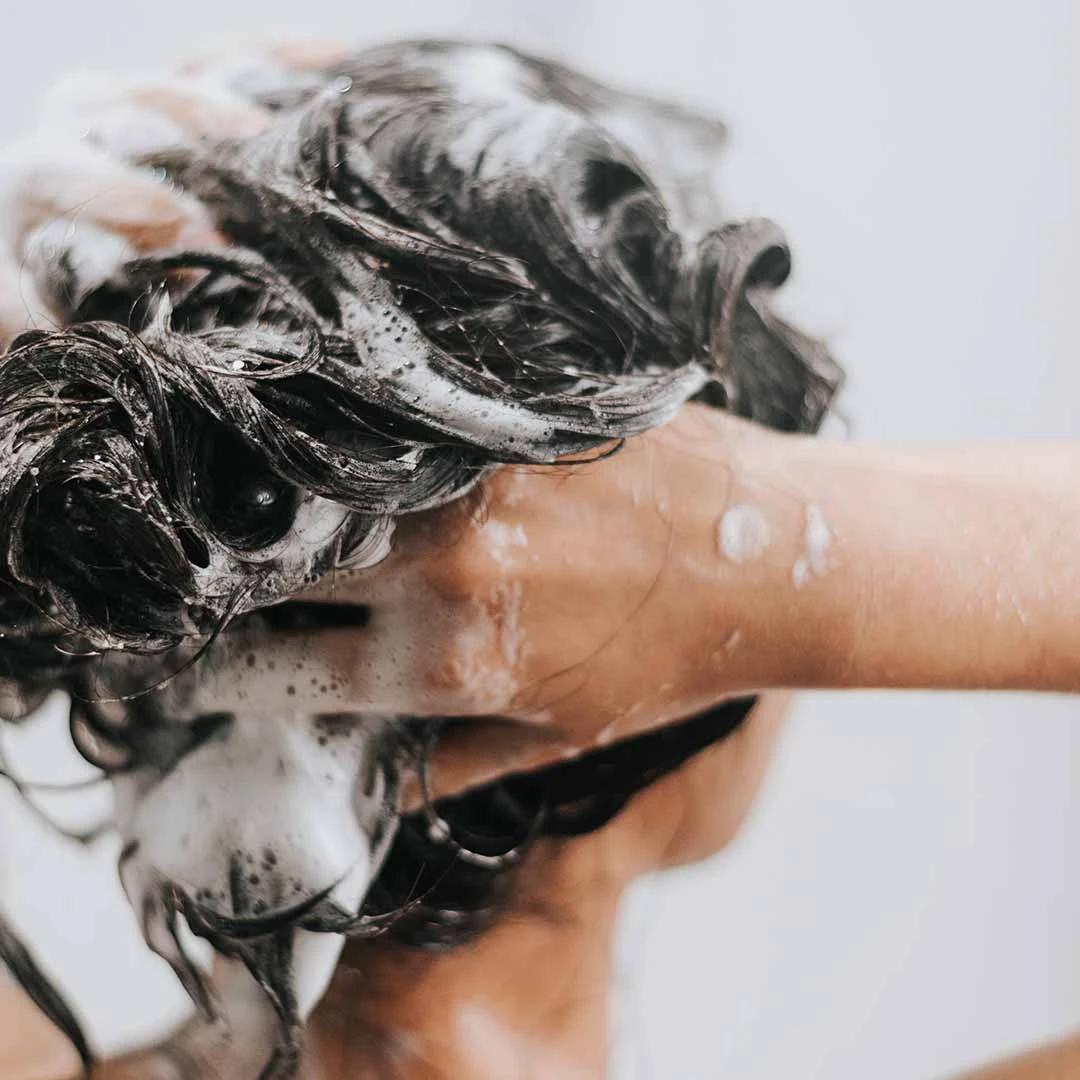

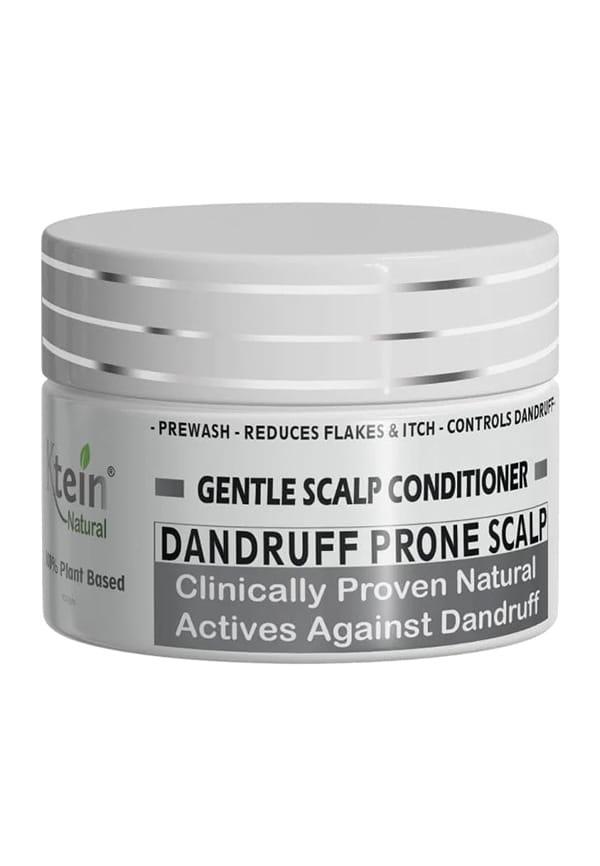
Natural 100% Plant Based Gentle Scalp Conditioner Dandruff Prone Scalp
Ever found yourself scratching your scalp mid-meeting or catching white flakes on your favourite black top? Your scalp's been trying to tell you something, and it's probably not about your regular conditioner. While we focus on making our hair look Instagram-ready, our scalp often gets left out of the conversation. But here's the thing — a happy scalp is the foundation of healthy hair. If you've been wondering whether your current haircare routine is actually helping or just masking the real issues, you're in the right place. Let's dive into everything you need to know about finding the best conditioner for scalp health.
Your scalp is basically skin — just with hair growing out of it. And like the skin on your face, it needs proper care to stay balanced and healthy. Most of us treat our scalp as an afterthought, focusing all our attention on the lengths and ends of our hair. But when your scalp is out of whack, everything else follows suit.
A scalp conditioner works differently from your regular hair conditioner. While traditional conditioners focus on smoothing and moisturising your hair strands, scalp-specific formulas target the skin underneath. They're designed to address issues like dryness, excess oil production, irritation, and even dandruff — all whilst being gentle enough for daily use.
The science behind these formulations is pretty clever. Healthy scalp conditioners typically contain smaller molecules that can penetrate the scalp barrier, delivering active ingredients where they're needed most. They also tend to be lighter in texture, so they won't weigh down your roots or make your hair look greasy.
Signs your scalp needs some extra TLC? Persistent itching, visible flakes, excessive oiliness within hours of washing, tight or uncomfortable sensations, or even hair that just won't cooperate no matter what you do. These are all signals that your current routine might not be cutting it.
Not all scalp issues are created equal, which means not all conditioners will work the same way for everyone. The key is matching your specific concern with the right type of formula.
If your scalp feels tight, flaky, or uncomfortable, you're likely dealing with dryness. A conditioner for dry scalp should focus on hydration without being too heavy. Look for ingredients like hyaluronic acid, ceramides, and glycerin — these work like tiny moisture magnets, pulling hydration into your scalp and keeping it there.
Dealing with hair that looks greasy by lunchtime? Oily scalp conditioners are formulated to provide moisture without adding extra weight. They often contain balancing ingredients that help regulate sebum production whilst keeping your scalp comfortable.
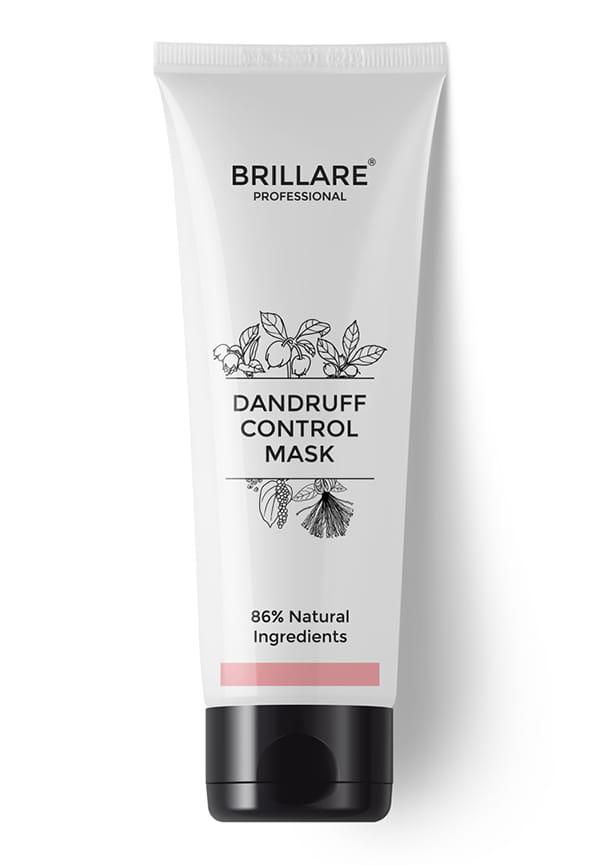
Conditioner For Itchy, Flaky Scalp
For those with reactive or sensitive skin, a conditioner for sensitive scalp should be your go-to. These formulas skip potential irritants like strong fragrances, sulphates, and harsh preservatives. Instead, they focus on gentle, soothing ingredients that calm rather than stimulate.
Dandruff isn't just about dryness — it's often caused by an overgrowth of yeast on the scalp. Anti-dandruff conditioners contain active ingredients like piroctone olamine or zinc pyrithione that target this root cause whilst conditioning your hair.
Understanding what goes into your best scalp treatment can help you make smarter choices. Here are the ingredients that actually make a difference.
Moisturising agents like ceramides and hyaluronic acid work by creating a protective barrier that prevents water loss. Glycerin acts as a humectant, drawing moisture from the environment into your scalp. These are particularly important if you're dealing with dryness or irritation.
Soothing botanicals deserve a special mention. Tea tree oil has natural antifungal properties, making it brilliant for dandruff-prone scalps. Ginger can improve circulation, whilst aloe vera provides instant cooling relief for irritated skin. If you're looking for a natural scalp conditioner, these plant-based ingredients are your best friends.
For those dealing with buildup or excess oil, gentle exfoliating ingredients like salicylic acid can help. It's the same ingredient used in acne treatments, but in much lower concentrations for scalp care. Zinc pyrithione is another powerhouse ingredient that helps balance the scalp's microbiome.
Finding the best conditioner for scalp health starts with understanding what you're working with. Your scalp type might be different from your hair type, which is why generic haircare for scalp doesn't always work.
Start by assessing your scalp. Is it oily, dry, combination, or sensitive? Pay attention to how it feels throughout the day, not just right after washing. An oily scalp will feel greasy within 12-24 hours, whilst a dry scalp might feel tight or itchy. Combination scalps are oily at the crown but dry around the hairline, and sensitive scalps react to most products with redness or irritation.
When reading labels, look for formulas that specifically mention scalp care. Generic conditioners might not have the right pH balance or ingredient concentration for scalp application. Dermatologist-tested products are usually a safer bet, especially if you have sensitive skin.
Price doesn't always equal quality, but extremely cheap products might skimp on effective ingredients. Look for brands that invest in research and use clinically proven ingredients rather than just marketing buzzwords.
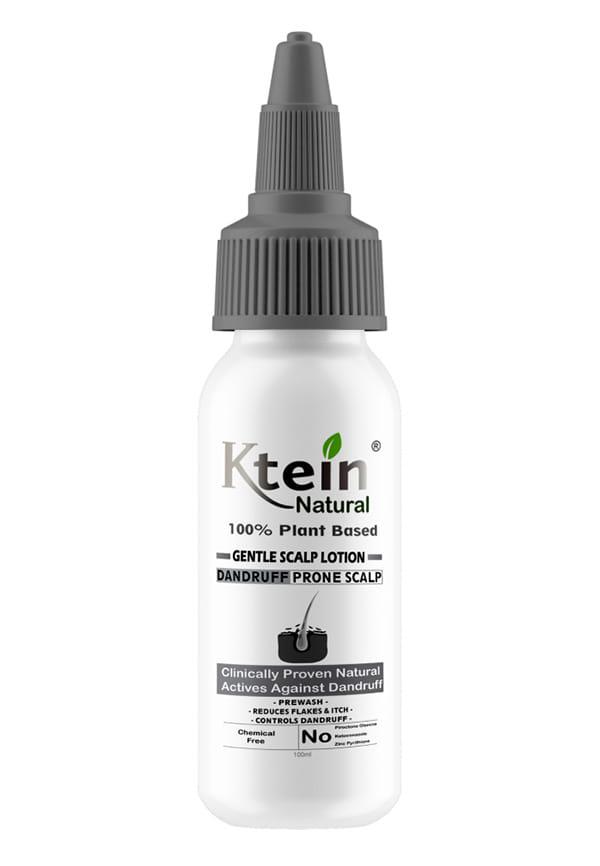
Natural 100% Plant Based Gentle Scalp Lotion Dandruff Prone Scalp
Even the best soothing scalp conditioner won't work if you're not applying it correctly. The technique matters as much as the product itself.
Start by sectioning your hair to ensure even application. Apply the conditioner directly to your scalp, not just your hair. Use your fingertips to gently massage it in — this isn't just about distribution, it's about improving circulation too. Spend at least 30 seconds massaging each section.
Most scalp conditioners need time to work, so don't rush the process. Leave it on for 2-3 minutes minimum, or follow the specific instructions on your product. Some conditioners for scalp health are designed to be left on longer for deeper treatment.
Frequency matters too. While you might condition your hair every time you wash it, scalp conditioners might be used 2-3 times a week, depending on your specific needs and the product's concentration.
A good scalp conditioner is formulated specifically for the skin on your head, not just your hair strands. It typically has a lighter texture, contains active ingredients that target scalp concerns, and has a pH that's optimised for scalp health. Regular conditioners focus on smoothing and moisturising hair, whilst scalp conditioners address issues like dryness, irritation, or excess oil production at the root level.
Whilst you can apply regular conditioner to your scalp, it's not ideal. Most hair conditioners are formulated to coat and smooth hair strands, which can lead to buildup on your scalp. They're also typically heavier and might clog pores or weigh down your roots. An itchy scalp conditioner or dedicated scalp formula will be much more effective for addressing scalp-specific concerns.
Hydrating a dry scalp requires a multi-step approach. Start with a gentle, sulphate-free shampoo that won't strip natural oils. Follow with a conditioner for dry scalp that contains hydrating ingredients like hyaluronic acid or ceramides. Apply it directly to your scalp and massage gently. You might also benefit from a weekly scalp mask or treatment oil applied before washing.
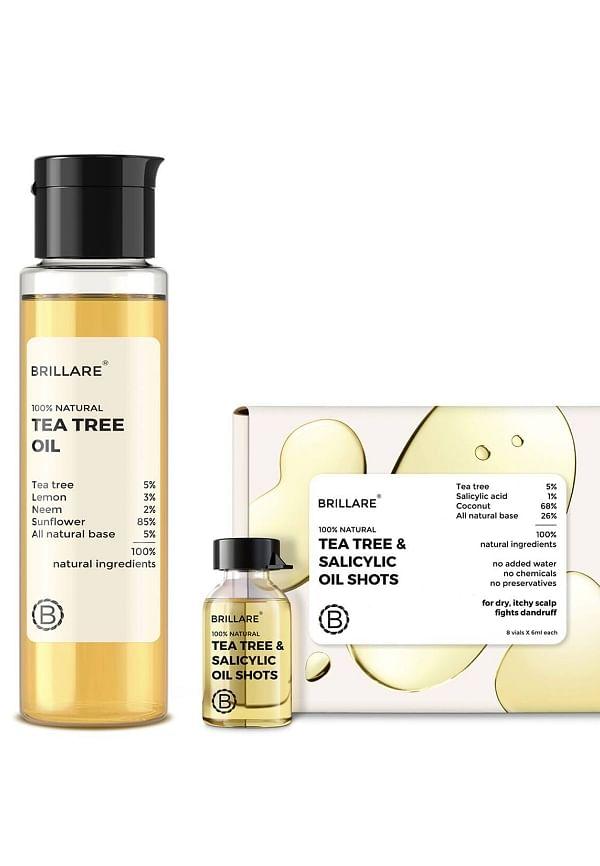
Hair & Scalp Treatment Duo for Dry, Frizzy & Dandruff-Prone Hair
For oily scalps, look for lightweight, balancing formulas that provide moisture without adding weight. Ingredients like tea tree oil, salicylic acid, or clay can help regulate oil production. Avoid heavy, creamy conditioners and instead opt for gel-based or water-based formulas. Apply only to the scalp and avoid the lengths of your hair if they don't need extra conditioning.
The frequency depends on your scalp type and the specific product. Most people benefit from using a scalp conditioner 2-3 times per week. If you have a very dry or irritated scalp, you might need daily use initially, then reduce frequency as your scalp improves. Oily scalps might only need treatment once or twice a week. Always start with less frequent use and adjust based on how your scalp responds.
Whilst scalp conditioners can't magically make hair grow faster, they can create optimal conditions for healthy hair growth. A healthy, well-moisturised scalp provides a better environment for hair follicles. Some scalp conditioners contain ingredients like ginger or peppermint that improve circulation, which can support the hair growth process. The main benefit is preventing issues that might inhibit growth, like inflammation or excessive dryness.
Creating a complete scalp care routine goes beyond just choosing the right conditioner. Think of it as skincare for your head — consistency and the right combination of products matter.
Seasonal adjustments are crucial. Your scalp's needs change with the weather, just like your facial skin. Winter might require more hydrating formulas, whilst summer calls for lighter, oil-balancing products. Pay attention to how your scalp feels during different seasons and adjust accordingly.
Diet and lifestyle factors play a bigger role than you might think. Stress, poor sleep, and nutritional deficiencies can all show up as scalp issues. Staying hydrated, eating a balanced diet rich in omega-3 fatty acids, and managing stress levels will support your scalp health from the inside out.
Know when to seek professional help. If you're dealing with persistent issues like severe dandruff, hair loss, or scalp conditions that don't improve with over-the-counter products, it's time to consult a dermatologist. They can identify underlying conditions and recommend prescription treatments if needed.
Long-term maintenance is about finding what works for your unique scalp and sticking with it. Don't expect overnight miracles — scalp health improvements typically take 4-6 weeks of consistent care to become noticeable.
Finding the right scalp conditioner is about understanding your specific needs and choosing products that address them directly. Whether you're dealing with dryness, oiliness, sensitivity, or just want to maintain optimal scalp health, there's a formula out there that can help.
Remember that scalp care is a marathon, not a sprint. Consistency with the right products will give you better results than constantly switching between different formulas. Pay attention to how your scalp responds and adjust your routine accordingly.
The beauty industry has finally caught up to what dermatologists have known for years — scalp health is the foundation of great hair. Investing in proper scalp care now will pay dividends in the long run, giving you healthier, more manageable hair and a more comfortable scalp.
Not sure which scalp conditioner might work best for your specific concerns? Smytten offers trial-size versions of many scalp care products from trusted brands — a smart way to test different formulas before committing to full-size bottles. After all, your scalp deserves the same thoughtful approach you'd give to choosing skincare for your face.
