Best Conditioner for Dryness FAQ: Your Questions Answered

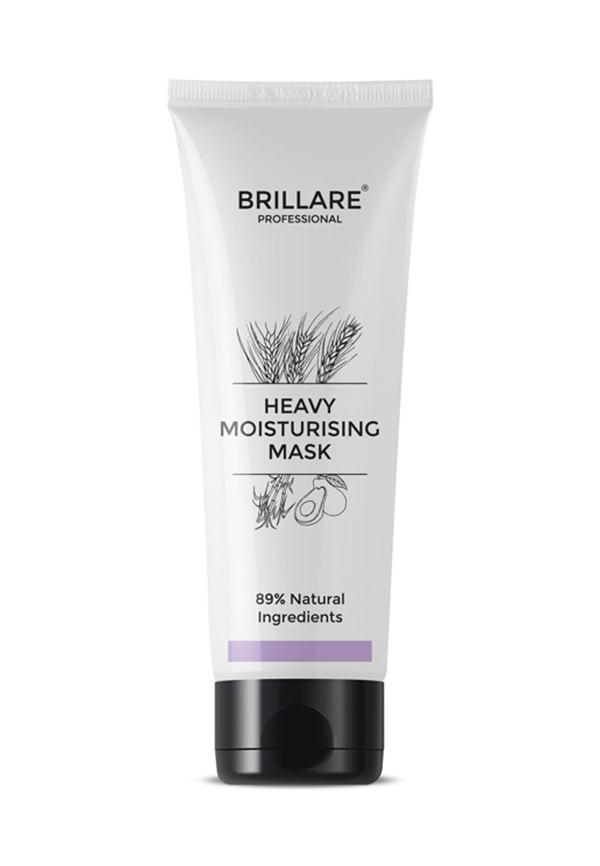
Conditioner For Dry, Frizzy Hair
You know that moment when you run your fingers through your hair and it feels like straw? Or when you catch your reflection and notice your hair looks more like a tumbleweed than the glossy locks you're aiming for? If you're nodding along, you're definitely not alone. Dry hair affects millions of people, and let's be real—it can seriously mess with your confidence. Whether it's down to endless heat styling, chemical treatments, harsh weather, or just your hair's natural texture, dryness is one of those hair struggles that seems impossible to fix. The good news? Finding the right conditioner can be a total game-changer. But with so many options promising to be the best conditioner for dryness, how do you know which one will actually work for your hair? We've rounded up answers to all your burning questions about dry hair conditioners, from ingredients that actually make a difference to application tricks that'll transform your routine.
Before diving into solutions, it's worth understanding what's actually happening with dry hair. Your hair cuticles—those overlapping scales on each strand—are meant to lie flat and lock in moisture. When they're damaged or naturally raised, moisture escapes faster than you can say "bad hair day." This is where the difference between naturally dry hair and chemically damaged hair becomes important. Some people are just born with hair that struggles to retain moisture, whilst others develop dryness from colouring, bleaching, or excessive heat styling.
Naturally dry hair tends to feel coarse from root to tip and might look dull even when it's healthy. Damaged dry hair, on the other hand, often shows signs like split ends, breakage, and uneven texture. If your hair feels rough, looks lacklustre, or tangles easily, you're probably dealing with dryness that needs a specialised dry hair conditioner rather than your standard drugstore option.
Regular conditioners are designed for normal hair types and typically contain lighter formulations that just aren't heavy-duty enough for seriously dry strands. A proper moisturising conditioner needs richer ingredients, deeper penetration, and often a thicker consistency to actually make a dent in dryness. Think of it like using a light moisturiser on severely dry skin—it's just not going to cut it.
This is probably the question we get asked most, and honestly, there's no one-size-fits-all answer. The best conditioner for dryness depends on your specific hair type, the level of damage, and what's causing the dryness in the first place. However, there are some key things to look for that'll point you in the right direction.
When you're scanning ingredient lists, keep an eye out for ceramides—these are like tiny building blocks that help repair your hair's protective barrier. Natural oils such as argan, coconut, and jojoba are brilliant for a natural conditioner for dry hair approach, as they penetrate the hair shaft and provide long-lasting moisture. For seriously damaged or brittle hair, look for proteins like keratin or hydrolysed wheat protein, which help rebuild the hair's structure. Hyaluronic acid and glycerin are also worth seeking out, as they're moisture magnets that help your hair hold onto hydration.
The consistency of your conditioner matters more than you might think. Cream-based formulas tend to be more nourishing than lightweight, watery ones. If you're dealing with severe dryness, a hair repair conditioner with a thick, mask-like texture will probably serve you better than something that feels more like a lotion. Don't overlook leave in conditioner for dry hair either—these can be brilliant for adding an extra layer of protection and moisture throughout the day.
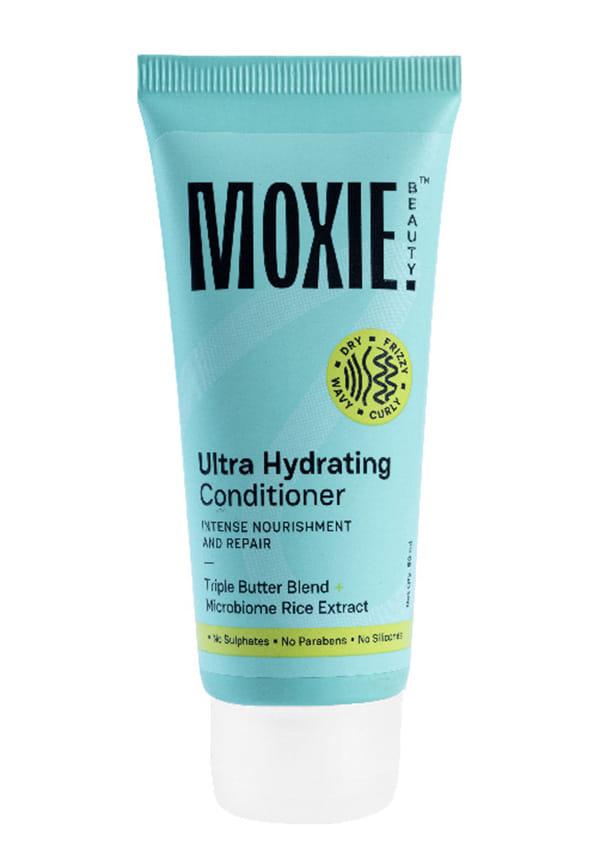
Ultra Hydrating Conditioner for Dry and Frizzy Hair
Whilst salon-grade products often contain higher concentrations of active ingredients, plenty of drugstore options can work wonders for dry hair. The key is reading labels and understanding what your hair actually needs. Sometimes a budget-friendly hydrating conditioner with the right ingredients will outperform an expensive one that's not suited to your hair type.
Not all dry hair is created equal, and different concerns call for different approaches. Whether you're battling frizz, dealing with damage, or trying to maintain colour-treated hair, there's a strategy that'll work better for your specific situation.
If frizz is your main concern, look for the best conditioner for frizzy hair that contains smoothing ingredients like silicones or natural oils. These create a protective barrier that helps lock out humidity—one of frizz's biggest triggers. Anti-humidity formulations are particularly helpful if you live in a humid climate or notice your hair gets worse on rainy days.
When your hair is breaking or feels like it might snap if you look at it wrong, you need a conditioner for brittle hair that focuses on strengthening. Look for protein-rich formulas, but be careful not to overdo it—too much protein can actually make hair more brittle. A good rule of thumb is to alternate between protein treatments and deep moisturising sessions.
Coloured hair has its own set of challenges since the chemical processing opens up the cuticles, making moisture loss even more likely. Choose colour-safe formulas that won't strip your colour whilst still providing the hydration your hair desperately needs. UV protection ingredients are also worth looking for, as sun exposure can fade colour and increase dryness.
Even the best conditioner for dryness won't work miracles if you're not using it properly. The way you apply, how long you leave it on, and how often you use it all make a massive difference to the results you'll see.
Start by gently squeezing excess water from your hair—you want it damp, not dripping. Apply your conditioner from mid-length to ends, avoiding the roots unless your scalp is also dry. Use your fingers or a wide-tooth comb to distribute the product evenly. For a deep conditioner for dry hair treatment, consider sectioning your hair to ensure every strand gets covered.
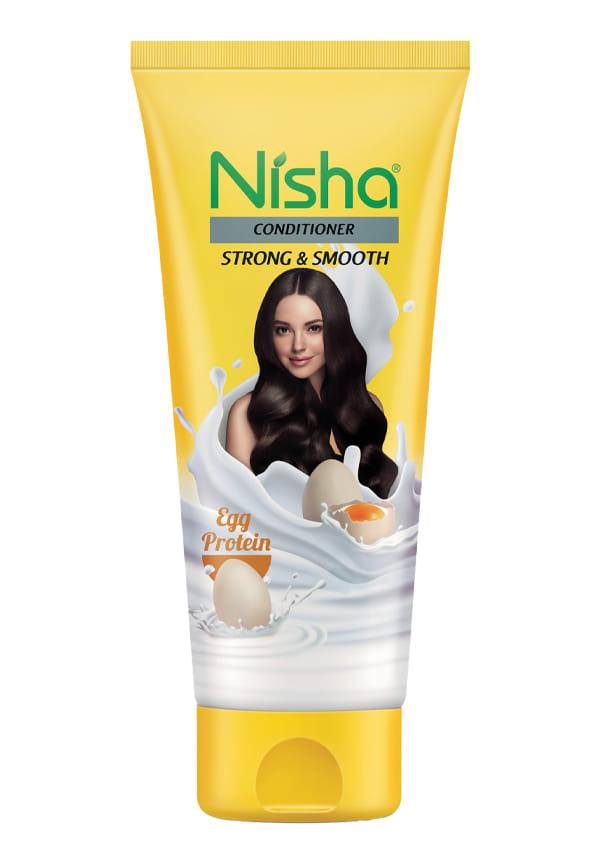
Nisha Conditioner for Strong & Smooth Hair, Egg Protein for Dry Frizzy | 180ml Yellow Tube | Pack of 1
Dry hair can usually handle conditioning every time you wash, and some people benefit from daily leave-in treatments too. If you're using intensive treatments, once or twice a week is usually plenty. You can absolutely layer products—a rinse-out conditioner followed by a leave in conditioner for dry hair can work brilliantly for severely dry hair.
One of the biggest mistakes is washing too frequently, which strips natural oils. Another is applying conditioner to dirty hair—product buildup prevents proper penetration. Also, avoid brushing wet hair aggressively, as this can cause breakage and make dryness worse.
Where you live plays a huge role in how your hair behaves and what type of conditioning it needs. India's diverse climate zones mean that what works in Mumbai's humidity might not be ideal for Delhi's dry winters.
In humid areas, you might need lighter hydrating conditioner formulas that won't weigh your hair down or make it look greasy. In dry climates, richer, more occlusive formulas work better to lock in moisture. Many people find they need to switch products seasonally to account for changing weather conditions.
Hard water can be a nightmare for dry hair, as mineral buildup prevents moisture from penetrating properly. If you're dealing with hard water, look for clarifying ingredients or consider using a chelating shampoo occasionally to remove buildup, followed by an intensive moisturising conditioner.
There's definitely something appealing about whipping up your own hair treatments, and some natural ingredients can be genuinely helpful for dry hair. However, commercial products have their advantages too.
Coconut oil, honey, and avocado are popular choices for DIY natural conditioner for dry hair treatments. These ingredients can provide moisture and nourishment, though they might not penetrate as deeply as some commercial formulations. Essential oils like rosemary or lavender can add fragrance and potential scalp benefits.
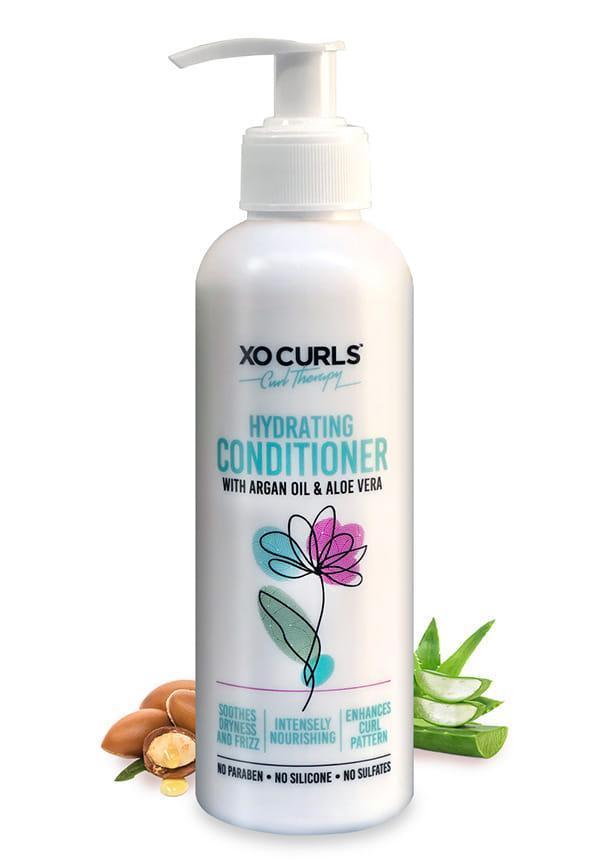
Hydrating Conditioner With Argan Oil And Aloe Vera For Easy Detangling And Soft Hair
Commercial conditioners offer consistency, longer shelf life, and often more advanced ingredient technology. They're also more convenient if you're short on time. The research and development that goes into professional formulations can result in more effective penetration and longer-lasting results than most DIY options.
You don't have to choose one or the other—many people successfully combine both approaches. You might use a commercial conditioner for daily care and do weekly natural treatments for extra nourishment. This can be both cost-effective and give you the benefits of both worlds.
There isn't really a single "number one" conditioner since different products work better for different hair types and concerns. However, some consistently popular options in India include brands like L'Oréal, Pantene, and TRESemmé for drugstore options, whilst salon brands like Matrix and Schwarzkopf are well-regarded for professional-grade care. The key is finding what works for your specific hair type and concerns rather than going by popularity alone.
Yes, even dry hair can be overloaded with product. Signs include hair that feels heavy, looks greasy, or becomes limp and lifeless. If this happens, try using less product or washing more frequently. The amount you need depends on your hair's length, thickness, and level of dryness—start with a small amount and build up if needed.
Regular conditioners typically need 2-3 minutes to work effectively, whilst deep conditioner for dry hair treatments can be left on for 10-20 minutes or even longer. Some people do overnight treatments with natural oils, though this isn't necessary for most commercial products. Heat can help penetration, so consider using a shower cap or warm towel during treatment time.
This is a bit of a technical distinction, but hydrating conditioner typically refers to water-based formulations that add moisture to the hair, whilst moisturising conditioner often contains more oils and emollients that help seal in that moisture. In practice, many products do both, but understanding the difference can help you choose based on whether your hair needs more water or more oil-based nourishment.
Finding the best conditioner for dryness is often a process of trial and error, but understanding your hair's specific needs makes the journey much easier. Whether you opt for a natural conditioner for dry hair approach, invest in a professional hair repair conditioner, or find your perfect match in a drugstore moisturising conditioner, consistency is key. Give any new product at least a few weeks to show results, and don't be afraid to adjust your routine based on seasonal changes or evolving hair needs. Remember, healthy hair is a marathon, not a sprint—but with the right conditioning strategy, you'll definitely get there. Not sure which format works for your hair? Smytten also offers trial-size versions of many of these products—a good way to check before committing to a full bottle.
