Best Conditioner for Damage FAQ: Your Hair Repair Questions Answered

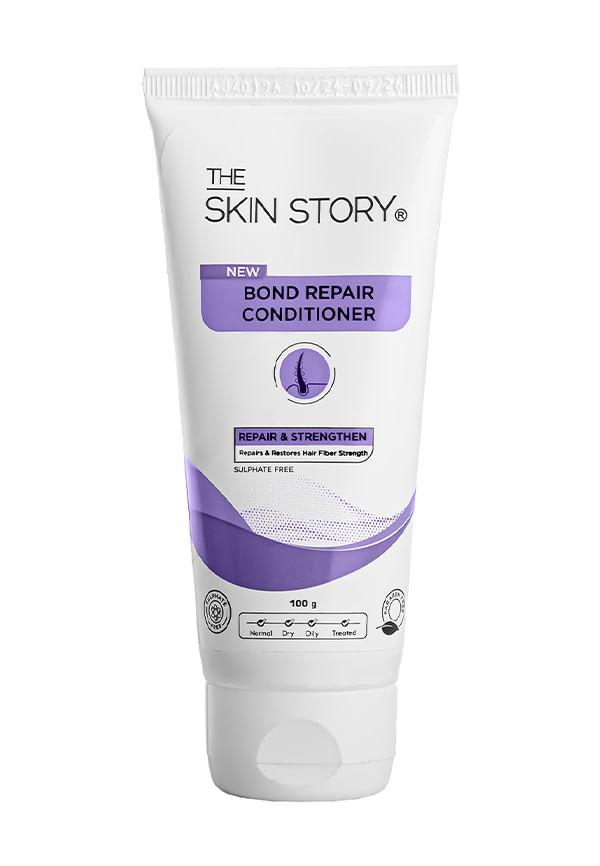
Sulphate Free Bond Repair Conditioner For Damage Repair Hair
You know that moment when you catch your reflection and realise your hair looks more like straw than silk? Whether it's from too many heat styling sessions, chemical treatments, or just life happening, damaged hair can feel like a never-ending battle. The good news? The right conditioner can be your hair's best friend in this repair journey. But with so many options claiming to be the best conditioner for damage, how do you know which one will actually work for your specific hair needs?
Let's be real – hair damage doesn't happen overnight, and it definitely doesn't announce itself with a dramatic entrance. It creeps up slowly, showing itself through subtle signs that many of us brush off as "just having a bad hair day." But recognising these signs early can make all the difference in choosing the right hair repair conditioner.
The most obvious indicators include dryness that no amount of regular conditioning seems to fix, split ends that keep appearing even after trims, and hair that feels rough or brittle to the touch. You might notice your hair tangles more easily than before, lacks its usual shine, or breaks when you're simply brushing it. These are all telltale signs that your hair's protective cuticle layer has been compromised.
What many people don't realise is that damaged hair has a completely different structure than healthy hair. When the cuticle layer is lifted or broken, your hair loses its ability to retain moisture effectively. This is why regular conditioners often fall short – they're designed for maintenance, not repair. Damaged hair needs specialised ingredients that can penetrate deeper and actually rebuild what's been lost.
Chemical damage from colouring, perming, or relaxing treatments creates a different type of destruction compared to heat damage from styling tools. Environmental factors like UV exposure, pollution, and even hard water can gradually weaken your hair's structure. Understanding the source of your damage helps you choose a conditioner for brittle hair that addresses your specific concerns rather than just providing surface-level smoothing.
Here's where things get interesting – not all conditioners are created equal, especially when it comes to repairing damaged hair. The best conditioner for damage goes beyond just making your hair feel soft temporarily. It's formulated with ingredients that can actually penetrate the hair shaft and begin rebuilding what's been lost.
A proper hair strengthening conditioner contains a carefully balanced blend of proteins and moisturising agents. Proteins like hydrolysed keratin, silk proteins, and amino acids work to fill in the gaps in damaged cuticles, essentially acting like tiny building blocks to reconstruct your hair's structure. Meanwhile, moisturising ingredients create a protective barrier that helps prevent further damage.
The key difference lies in molecular size and formulation technology. Deep conditioning treatments are designed with smaller molecules that can penetrate deeper into the hair shaft, unlike regular conditioners that primarily coat the surface. This is why a quality repair conditioner might feel different when you apply it – it's actually working at a cellular level rather than just providing temporary smoothness.
Professional-grade formulations often include ceramides, which help rebuild the hair's natural protective barrier, and natural oils that can penetrate the hair shaft rather than just sitting on top. These ingredients work together to address both immediate concerns like tangles and frizz, and long-term repair goals like strength and elasticity.
When shopping for a hair repair conditioner, keep an eye out for hydrolysed proteins – these are broken down into smaller molecules that can actually enter your hair shaft. Keratin, collagen, and silk proteins are particularly effective for rebuilding damaged areas. Natural oils like argan, coconut, and jojoba provide deep moisture without weighing hair down.
Not all damage is the same, which means your conditioner choice should match your specific concerns. If you're dealing with dryness and lack of moisture, a hydrating conditioner with ingredients like hyaluronic acid and glycerin will be your best bet. These ingredients attract and hold moisture, helping to restore your hair's natural hydration levels.
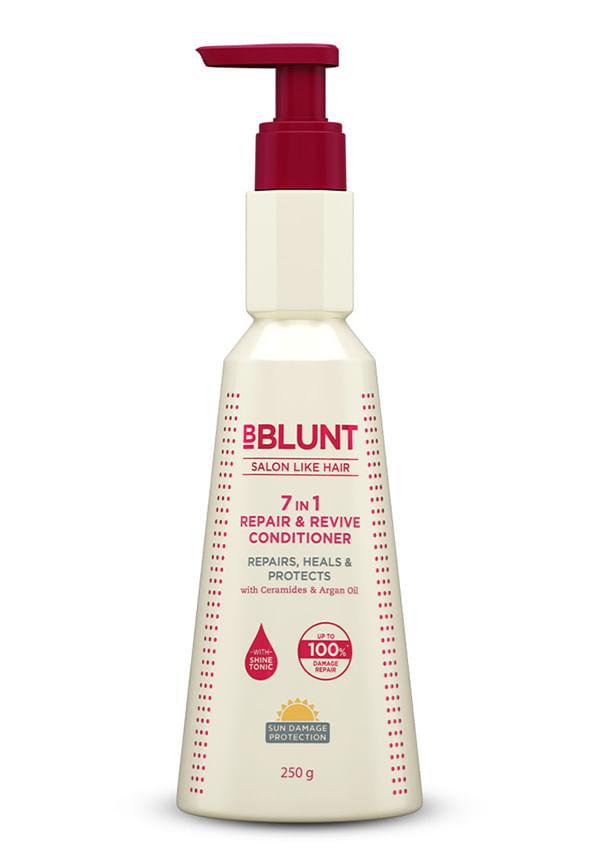
7 in 1 Repair & Revive Conditioner for Upto 100% Damage Repair
For those struggling with breakage and split ends, a protein conditioner becomes essential. These formulations focus on strengthening the hair shaft and preventing further damage. Look for ingredients like hydrolysed wheat protein or rice protein, which can help fortify weak areas without making your hair feel stiff or crunchy.
A moisturising conditioner works well for everyday maintenance of damaged hair, providing consistent hydration and protection. These are typically lighter than deep conditioning treatments but more intensive than regular conditioners. They're perfect for those who need daily repair support without overwhelming their hair.
Split end conditioners deserve special mention because they're formulated specifically to address this common damage concern. While they can't actually "heal" split ends (only scissors can do that), they can help prevent new ones from forming and temporarily seal existing splits to prevent them from travelling up the hair shaft.
Leave-in treatments offer continuous protection throughout the day, while rinse-out formulas provide intensive repair during your wash routine. Many people find that combining both types gives them the best results for severely damaged hair.
Curly hair tends to be naturally drier and more prone to damage, so it benefits from richer, more emollient formulas. Fine hair needs lighter proteins that won't weigh it down, while thick hair can handle heavier, more intensive treatments.
Choosing the right conditioner for dry hair starts with understanding your hair's porosity – essentially, how well it absorbs and retains moisture. You can do a simple test by dropping a clean strand of hair into a glass of water. If it sinks quickly, you have high porosity hair that absorbs moisture easily but also loses it quickly. If it floats, you have low porosity hair that's harder to moisturise but retains it well once it's in.
High porosity hair typically benefits from protein treatments and heavier, more occlusive ingredients that can help seal the cuticle. Low porosity hair responds better to lighter formulas with heat application to help ingredients penetrate. Normal porosity hair can usually handle a wider range of products.
Consider your damage level too. Light damage from occasional heat styling might only need a hydrating conditioner used consistently. Moderate damage from regular chemical treatments requires a more intensive approach with weekly deep conditioning treatments. Severe damage might need professional treatments combined with at-home maintenance.
Your lifestyle also plays a role. If you're constantly on the go, a leave-in treatment might be more practical than elaborate weekly masks. If you have time for a proper hair care routine, you can incorporate multiple types of conditioning treatments for maximum benefit.
Steer clear of sulfates, which can strip already fragile hair of its natural oils. Heavy silicones like dimethicone can build up over time and prevent moisture from penetrating. Drying alcohols like ethanol can make damage worse rather than better.
Even the best conditioner for damaged hair won't work properly if you're not applying it correctly. Start by gently squeezing excess water from your hair after shampooing – you want it damp, not dripping wet, so the conditioner can properly adhere to your strands.
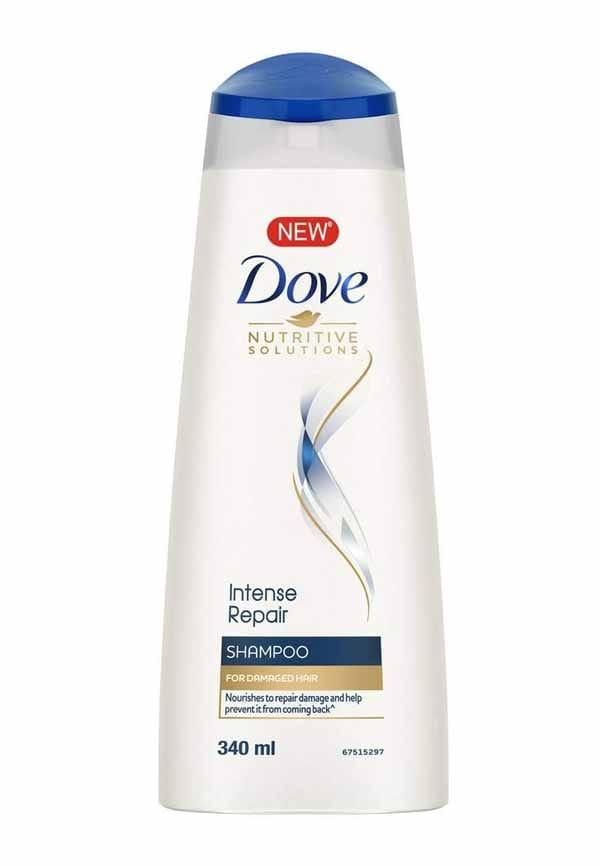
Intense Repair Conditioner
Section your hair and apply the moisturising conditioner from mid-length to ends, avoiding the roots unless your scalp is particularly dry. Use a wide-tooth comb to distribute the product evenly, which also helps detangle without causing additional breakage.
For deep conditioning treatments, consider applying heat with a shower cap or warm towel. The heat opens up the hair cuticles, allowing the repair ingredients to penetrate more deeply. Leave regular conditioners on for 2-3 minutes, but deep treatments can be left on for 10-20 minutes for maximum benefit.
Frequency matters too. While you might use a regular conditioner every time you wash, deep conditioning treatments should be used 1-2 times per week for damaged hair. Over-conditioning can actually weigh your hair down and make it look limp, so finding the right balance is key.
The best conditioner for damage depends on your specific hair needs, but look for formulas that balance protein and moisture. If your hair feels mushy when wet, you need more protein. If it feels dry and brittle, focus on moisturising ingredients. Brands that specialise in hair repair often offer the most effective formulations, with ingredients like hydrolysed keratin, ceramides, and natural oils working together to rebuild damaged areas.
A good hair repair conditioner should contain a mix of proteins for strength and emollients for moisture. Look for products specifically labelled for damaged or chemically treated hair, as these are formulated with the right concentration of repair ingredients. The texture should feel rich but not heavy, and it should rinse out cleanly without leaving residue.
Deep conditioning treatments offer the most intensive repair for severely damaged hair. These are typically used weekly and left on for 10-20 minutes. Professional salon treatments provide the highest concentration of repair ingredients, but high-quality at-home masks can also be very effective. The key is consistency – one treatment won't fix months of damage.
For moderately damaged hair, once a week is usually sufficient. Severely damaged hair might benefit from twice-weekly treatments initially, then scaling back to weekly maintenance. Pay attention to how your hair responds – if it starts feeling heavy or limp, reduce frequency. If it still feels dry and brittle, you might need more intensive treatment.
While a good conditioner for brittle hair can significantly improve its condition, severely damaged hair usually needs a comprehensive approach. This includes regular trims to remove split ends, heat protection when styling, and possibly professional treatments. Conditioner is an essential part of the repair process, but it works best as part of a complete hair care routine.
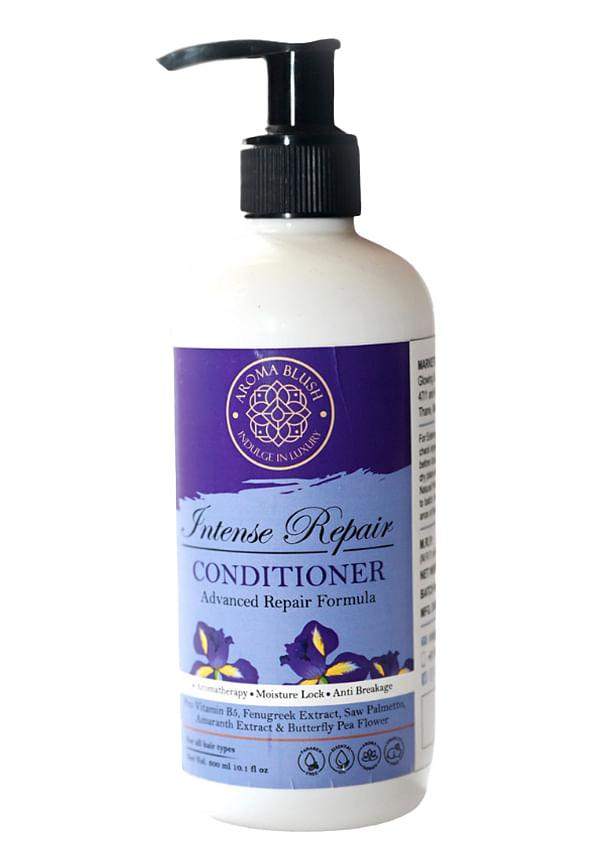
Intense Repair Conditioner
Regular conditioners focus on maintenance and surface smoothing, while repair conditioners contain higher concentrations of proteins and penetrating ingredients. Hair strengthening conditioners are formulated to actually rebuild damaged areas rather than just temporarily improving texture. The molecular structure of repair ingredients is also different, designed to penetrate deeper into the hair shaft.
This depends on your hair's specific needs. Chemically damaged hair often needs protein to rebuild structure, while heat-damaged hair might need more moisture. A simple test: if your hair stretches too much when wet, you need protein. If it snaps easily, you need moisture. Many people benefit from alternating between protein and moisturising treatments.
Creating an effective hair repair routine goes beyond just choosing the best conditioner for damaged hair – it's about building a comprehensive system that addresses all aspects of hair health. Start with a gentle, sulfate-free shampoo that won't strip your already fragile hair, then follow with your chosen repair conditioner.
Weekly deep conditioning treatments should be non-negotiable for damaged hair. These intensive sessions give your hair the concentrated repair ingredients it needs to rebuild over time. Consider rotating between protein treatments and moisture masks based on what your hair needs most at any given time.
Leave-in treatments provide ongoing protection throughout the day, especially important if you're still using heat styling tools or exposing your hair to environmental stressors. A good leave-in conditioner acts like a shield, preventing further damage while supporting the repair process.
Don't forget about your styling routine either. Heat protectants are essential, even for damaged hair that you're trying to baby. Sometimes we still need to style our hair for work or special occasions, and protection is better than avoidance. Look for products that offer heat protection up to 230°C and contain conditioning ingredients.
Realistic expectations are crucial too. Hair repair is a gradual process that can take several months to show significant results. The hair that's already damaged won't magically become healthy overnight, but you can prevent further damage and ensure that new growth is stronger and healthier.
Prevention is always easier than repair. Use heat styling tools on the lowest effective temperature, sleep on silk or satin pillowcases to reduce friction, and protect your hair from UV rays with products containing SPF. Regular trims every 6-8 weeks prevent split ends from travelling up the hair shaft.
Finding the best conditioner for damage is really about understanding your hair's specific needs and choosing products that address them effectively. Whether you need a protein conditioner to rebuild structure or a hydrating conditioner to restore moisture, the key is consistency and patience with your routine.
Remember that hair repair is a journey, not a destination. The right split end conditioner or deep conditioning treatment can make a significant difference, but it takes time to see results. Focus on preventing further damage while supporting your hair's natural repair processes with quality products and gentle handling.
Building a routine that includes both daily maintenance with a good moisturising conditioner and weekly intensive treatments will give you the best chance of restoring your hair's health. And don't forget – sometimes the most effective approach is trying different products to see what works best for your unique hair needs. Not sure which conditioner format works for your hair? Smytten also offers trial-size versions of many of these products — a good way to check before committing to a full bottle.
