Benefits of Using Castor Oil for Hair Growth FAQ
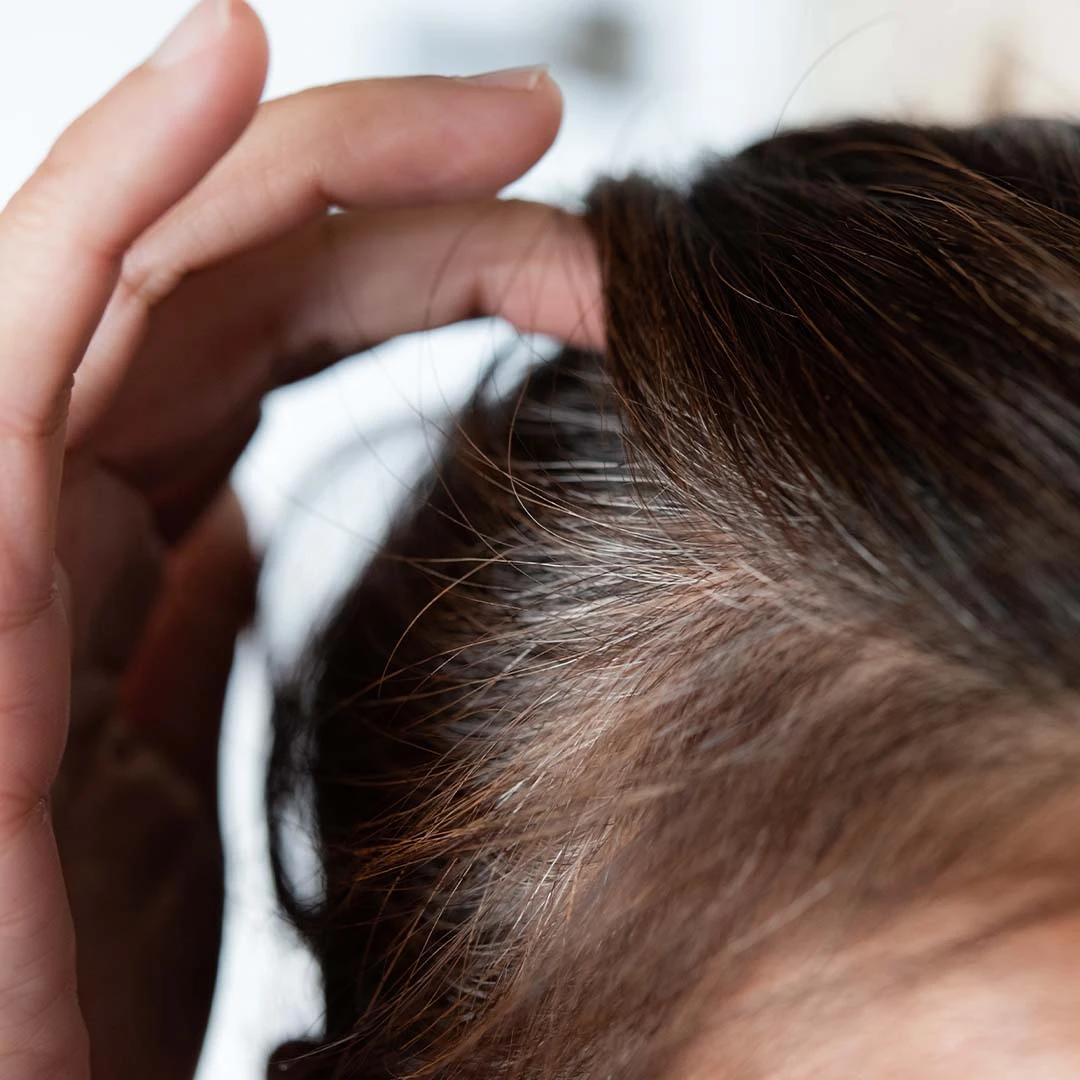

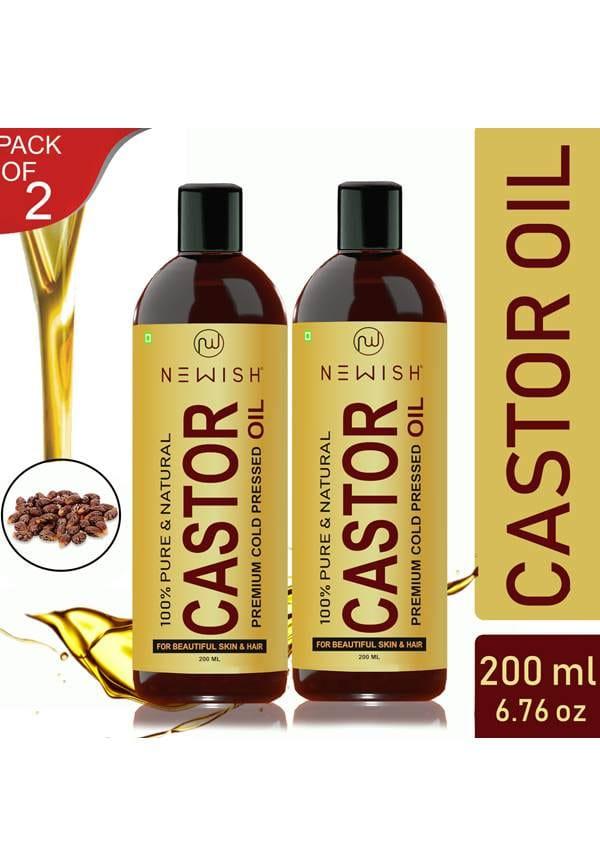
Castor Oil For Hair Growth | 100% Pure & Organic
You've probably seen castor oil trending everywhere—from your favourite beauty influencer's nighttime routine to that friend who swears her hair grew three inches in a month. But let's be real: with all the hype around this thick, golden oil, it's hard to know what's actually true and what's just wishful thinking. If you're wondering whether castor oil can genuinely help with hair growth or if it's just another beauty myth, you're asking the right questions. The truth is a bit more nuanced than the viral before-and-after posts might suggest, but there are definitely some solid benefits worth exploring.
Here's where we need to separate fact from fiction. Castor oil doesn't actually make your hair grow faster than its natural rate—that's just not how hair biology works. What it does do is create the ideal conditions for your hair to reach its full potential. Think of it as the supportive friend who helps you succeed rather than the magic solution that does all the work.
The real castor oil hair benefits come from its unique composition. This oil is packed with ricinoleic acid, a fatty acid that makes up about 90% of castor oil's content. This compound has anti-inflammatory and antimicrobial properties that can help keep your scalp healthy. A healthy scalp is the foundation for strong hair growth, so while castor oil isn't directly speeding up your hair's growth cycle, it's definitely supporting the environment where growth happens.
Another major benefit is moisture retention. Castor oil acts as a humectant, which means it helps your hair hold onto moisture. Dry, brittle hair breaks easily, making it seem like your hair isn't growing when it's actually just snapping off at the ends. By keeping your hair properly moisturised, castor oil helps prevent this breakage, allowing you to retain more length over time.
The massage aspect is worth mentioning too. When you apply castor oil to your scalp, you're naturally massaging the area, which can improve blood circulation. Better circulation means more nutrients reaching your hair follicles, which supports overall scalp health. It's not going to dramatically change your hair growth rate, but every little bit helps when you're trying to strengthen hair follicles.
Understanding how castor oil works helps set realistic expectations. The oil primarily functions as a protective coating for your hair shaft rather than a growth stimulant. When you apply it, you're essentially giving each strand a protective barrier that helps prevent environmental damage and reduces friction between strands.
The ricinoleic acid in castor oil is particularly interesting because it's not commonly found in other oils. This fatty acid has been shown to have anti-inflammatory properties, which can be beneficial if you're dealing with scalp irritation or conditions like dandruff. A calm, healthy scalp is more likely to support optimal hair growth than an inflamed or irritated one.
Castor oil for scalp health works by creating an environment where your natural hair growth cycle can function properly. It's not speeding anything up, but it's removing potential obstacles. Think of it like clearing weeds from a garden—you're not making the plants grow faster, but you're giving them the best chance to thrive.
One thing to understand is that castor oil is quite thick and viscous compared to other hair oils. This thickness means it provides excellent coverage and staying power, but it also means you need to be strategic about how you use it. Too much can weigh your hair down or be difficult to wash out, potentially leading to buildup that could actually hinder hair health.
Getting the application right is crucial for seeing benefits without the downsides. The key is using just enough to coat your scalp and hair without overdoing it. Start with clean, slightly damp hair—this helps the oil distribute more evenly and makes removal easier later.
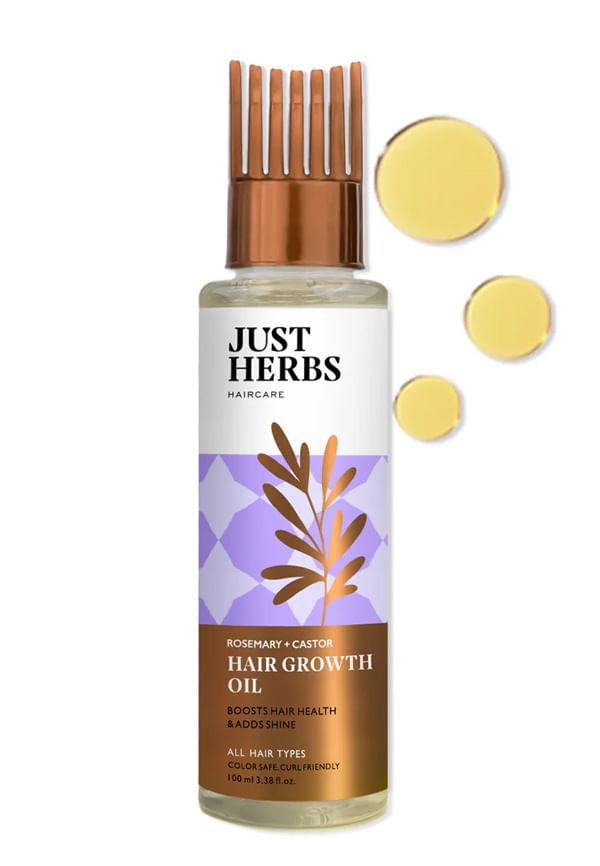
Hair Growth Oil with Rosemary and Castor
Section your hair into manageable parts and apply the oil directly to your scalp using your fingertips or a dropper bottle. Work in small sections to ensure even coverage. The goal is to massage the oil into your scalp, not just coat your hair. Spend at least five minutes massaging—this is where the circulation benefits come in. For the lengths of your hair, you can apply a small amount to help with moisture and protection, but focus most of your attention on the scalp.
Less is definitely more with castor oil. Once a week is plenty for most people. Some might benefit from twice-weekly applications if they have particularly dry hair or scalp issues, but daily use is never recommended. The oil is so rich that overuse can lead to clogged follicles and product buildup, which defeats the purpose entirely.
Evening applications work best since you can leave the oil on for several hours or overnight. If you're doing an overnight treatment, protect your pillowcase with a silk or satin scarf. Morning applications are fine too, but you'll want to wash it out within a few hours to avoid looking greasy.
If you're dealing with thinning hair, castor oil can be part of your strategy, but it's important to have realistic expectations. The oil won't regrow hair in areas where follicles are no longer active, but it can help maximise what you're working with. For those experiencing early-stage thinning or hair that's become fine and weak, castor oil's strengthening properties can make a noticeable difference.
The hair thickening oil effect you might notice isn't actually your individual strands becoming thicker—it's more about reduced breakage and better hair health overall. When your hair isn't constantly breaking, you retain more length and density, which creates the appearance of thicker hair. This is still a win, just not in the way you might initially expect.
For a hair regrowth treatment approach, consider combining castor oil with other proven methods. Scalp massage, a balanced diet rich in hair-supporting nutrients, and addressing any underlying health issues will give you better results than relying on castor oil alone. If you're experiencing significant hair loss, it's worth consulting with a dermatologist or trichologist to rule out medical causes.
Timeline-wise, you might notice improved hair texture and reduced breakage within 4-6 weeks of consistent use. Any length gains will follow normal hair growth patterns—about half an inch per month. Don't expect dramatic changes overnight, but do pay attention to how your hair feels and behaves over time.
Castor oil isn't the only natural option for supporting hair health. Rosemary oil has actually shown promising results in studies for promoting hair growth, sometimes performing as well as minoxidil in clinical trials. Peppermint oil can increase circulation when used properly, and jojoba oil closely mimics your scalp's natural sebum, making it excellent for balance.
What makes castor oil stand out among natural hair growth remedies is its unique fatty acid profile and its ability to provide both scalp care and hair protection in one product. It's also relatively affordable and widely available, making it accessible for most people wanting to promote hair growth naturally.
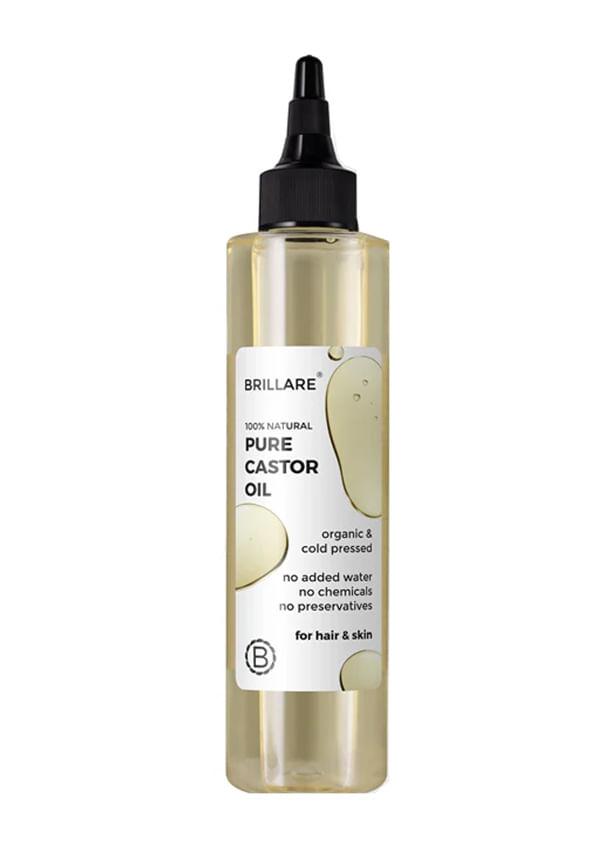
Pure Castor Oil
Many people find success combining different oils rather than relying on just one. A blend of castor oil with lighter oils like jojoba or sweet almond can give you the benefits of castor oil's rich composition while being easier to apply and remove. Adding a few drops of rosemary or peppermint essential oil can provide additional circulation benefits.
The key with any hair growth oil approach is consistency and patience. Natural remedies work slowly and subtly, supporting your hair's natural processes rather than forcing dramatic changes. This gentler approach often leads to more sustainable, long-term improvements in hair health.
Castor oil doesn't increase the biological rate at which your hair grows—that's determined by genetics and overall health. However, it can help you retain more of the hair you grow by preventing breakage and creating a healthier scalp environment. The result is hair that appears to grow faster and thicker, even though the actual growth rate remains the same.
You might notice improvements in hair texture and manageability within 2-3 weeks of regular use. Reduced breakage and stronger hair typically become apparent after 4-6 weeks. For visible length retention and overall hair health improvements, give it at least 2-3 months of consistent weekly applications.
Daily application isn't recommended and can actually be counterproductive. Castor oil is very thick and rich, so using it too frequently can lead to product buildup, clogged follicles, and weighed-down hair. Stick to once or twice weekly applications for the best results.
Pure castor oil can be applied directly, but many people find it easier to work with when diluted with a lighter carrier oil like jojoba, coconut, or sweet almond oil. A 50-50 blend often provides the benefits of castor oil while being more manageable to apply and wash out.
Once per week is the sweet spot for most people. This frequency provides the moisturising and scalp health benefits without risking buildup or over-conditioning. If you have particularly dry hair or scalp issues, you might benefit from twice-weekly applications, but monitor how your hair responds.
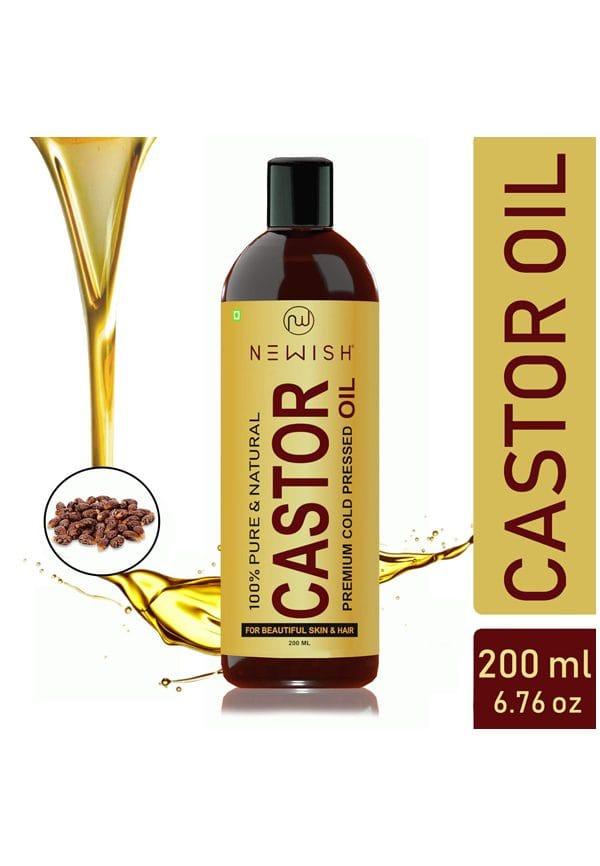
Organic Cold Pressed Castor Oil For Hair Growth And Skin Care, Eyebrow
Clean hair isn't necessary, but it can help the oil penetrate better. If your hair has a lot of product buildup, washing first will give you better results. However, slightly damp hair often helps with oil distribution, so you don't need your hair to be completely dry.
When used properly, castor oil shouldn't cause hair loss. However, if you're allergic to it or use too much too frequently, it could potentially irritate your scalp or clog follicles, which might temporarily affect hair health. Always do a patch test first and stick to recommended usage frequencies.
Cold-pressed, hexane-free castor oil is generally considered the highest quality. Jamaican black castor oil is popular and contains ash from roasted castor beans, which some people find beneficial. The most important thing is choosing a pure oil without added chemicals or fragrances.
To get the most out of your castor oil routine, focus on technique and consistency rather than quantity. Professional dermatologists often recommend warming the oil slightly before application—this makes it easier to distribute and can enhance absorption. Just warm it between your palms or place the bottle in warm water for a few minutes.
Consider your hair type when determining how to use castor oil. Fine hair might benefit from diluting the oil or focusing primarily on the scalp rather than the lengths. Thick, coarse hair can typically handle pure castor oil better and might even benefit from leaving it on longer.
Seasonal adjustments can make a difference too. Your scalp might need more moisture during winter months, making castor oil particularly beneficial then. In humid summer weather, you might want to use it less frequently or dilute it more to avoid feeling weighed down.
Track your progress with photos and notes about how your hair feels and behaves. Changes from natural treatments happen gradually, so it's easy to miss improvements unless you're paying attention. Note things like reduced shedding, improved texture, or easier styling—these are all signs that your hair health is improving.
Castor oil can be a valuable addition to your hair care routine, but it's not the miracle growth serum that social media sometimes makes it out to be. Its real benefits lie in supporting scalp health, preventing breakage, and helping your hair reach its natural potential. When used consistently and properly, it can contribute to stronger, healthier hair that retains length better over time.
The key is approaching it with realistic expectations and patience. Natural hair growth remedies work slowly and subtly, supporting your hair's natural processes rather than forcing dramatic changes. Combined with a healthy diet, gentle hair care practices, and proper scalp care, castor oil can be part of an effective strategy for maintaining and improving hair health.
If you're curious about trying castor oil but want to test it first, Smytten offers trial-size versions of various hair oils and treatments from trusted brands. This lets you explore different options and find what works best for your hair type before committing to full-size products—a smart approach when building your ideal hair care routine.
