Benefits of Herbal Hair Oil for Men FAQ: Your Questions Answered

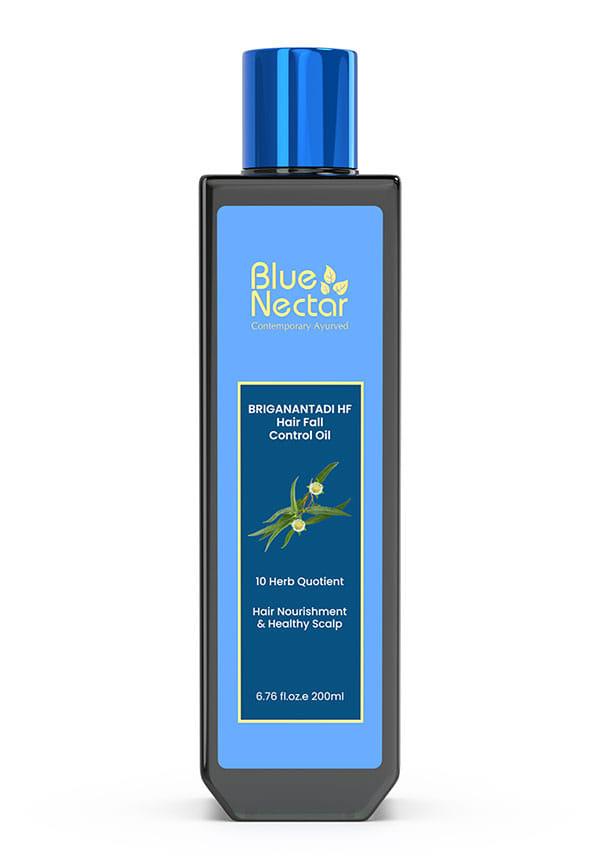
Briganantadi Hair Fall control and Healthy Scalp Hair Oil 10 Herbs
Let's be real — most guys have that one moment when they catch their reflection and think, "When did my hair start looking this tired?" Maybe it's the thinning at the crown, the dry scalp that won't quit, or just hair that feels more like straw than, well, hair. If you've been scrolling through endless product reviews wondering whether herbal hair oils actually work or if they're just another wellness trend, you're not alone. The good news? There's solid science behind why natural ingredients might just be the game-changer your hair routine needs.
Herbal hair oils are basically nature's answer to synthetic hair treatments. Instead of lab-created chemicals, these oils combine traditional plant extracts, essential oils, and carrier oils that have been used for centuries to tackle hair and scalp issues. Think of them as the difference between a home-cooked meal and a microwave dinner — both might fill you up, but one's clearly better for you in the long run.
Here's the thing about men's hair and scalp — they're dealing with unique challenges. Higher testosterone levels mean more sebum production, which can lead to oily scalps and clogged follicles. Plus, male pattern baldness affects about 85% of men by age 50, largely due to sensitivity to DHT (dihydrotestosterone). Natural hair oil for men addresses these specific concerns without the harsh side effects that sometimes come with synthetic treatments.
The science behind herbal ingredients is pretty fascinating. Many traditional herbs contain compounds that can block DHT, improve blood circulation to the scalp, and provide essential nutrients directly to hair follicles. Unlike synthetic alternatives that often work on just one mechanism, herbal formulations tend to be multi-functional — they're moisturising, strengthening, and protective all at once.
The benefits of using herbal hair oil for men go way beyond just making your hair smell nice (though that's a bonus). These natural formulations work on multiple levels to address the root causes of common hair concerns, not just mask the symptoms.
Herbal hair growth oil for men works by improving blood circulation to the scalp and providing follicles with the nutrients they need to produce stronger, thicker hair. Ingredients like rosemary and peppermint oil have been shown in studies to be as effective as minoxidil for promoting hair growth, but without the potential side effects.
Hair strengthening oil for men typically contains proteins and vitamins that penetrate the hair shaft, filling in microscopic gaps and preventing breakage. This is especially important for guys who use styling products regularly or have chemically treated hair.
The best hair oil for men's scalp health balances sebum production while providing deep hydration. This prevents both the flakiness that comes with dryness and the greasiness that happens when your scalp overcompensates for lack of moisture.
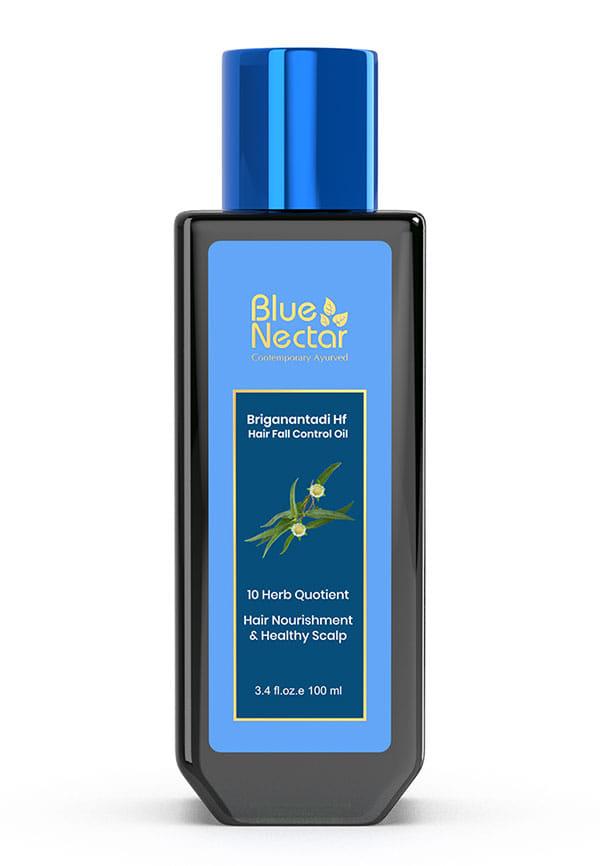
Briganantadi Hair Fall control and Healthy Scalp Hair Oil 10 Herbs
Men's hair oil for thinning hair often contains DHT-blocking ingredients like saw palmetto and pumpkin seed oil. Hair loss prevention oil for men works by addressing the hormonal factors that contribute to male pattern baldness, potentially slowing or stopping further hair loss.
Hair nourishment oil for men smooths the hair cuticle, reducing frizz and adding natural shine. This makes hair more manageable and gives it a healthier appearance overall.
Hair vitality oil for men provides antioxidant protection against environmental damage from pollution, UV rays, and styling heat. This helps maintain hair health over time and can slow the ageing process of hair follicles.
Organic hair oil for men offers all these benefits without the potential side effects of synthetic treatments. They're generally gentler on sensitive scalps and less likely to cause irritation or allergic reactions.
When it comes to ayurvedic hair oil for men, certain ingredients have stood the test of time for good reason. Bhringraj, often called the "king of herbs" for hair, has been used for centuries to promote hair growth and prevent premature greying. Amla is packed with vitamin C and antioxidants that strengthen hair follicles and improve scalp health.
Fenugreek seeds contain proteins and nicotinic acid that stimulate hair growth and help rebuild damaged hair shafts. Rosemary essential oil has been clinically proven to improve hair thickness and growth rate. For the carrier oils, coconut oil penetrates the hair shaft better than most others, while argan oil provides lightweight moisture without greasiness.
Some herbs also have antifungal properties that can help with scalp conditions like dandruff. Tea tree oil, neem, and thyme are particularly effective at maintaining a healthy scalp environment.
Choosing the right herbal hair oil starts with honestly assessing your hair and scalp condition. If you're dealing with thinning hair, look for oils that contain DHT-blocking ingredients. For dry, brittle hair, focus on deeply moisturising oils like argan or coconut-based formulations.
Oily scalps benefit from lighter oils like jojoba or grapeseed, which won't add extra grease but will still provide nourishment. If you have a sensitive scalp, stick to gentler ingredients and avoid strong essential oils that might cause irritation.
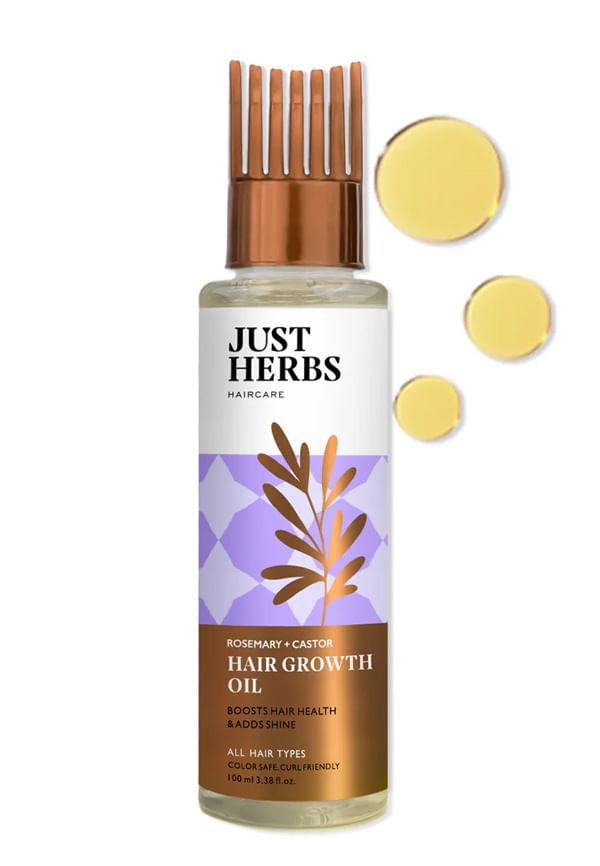
Hair Growth Oil with Rosemary and Castor
When reading labels, look for oils that list their active ingredients clearly and avoid products with too many synthetic additives. Quality herbal hair oils should have a relatively short ingredient list with recognisable plant-based components.
Getting the most out of your herbal hair oil comes down to proper application. Start with clean, slightly damp hair — this helps the oil penetrate better. Warm the oil slightly between your palms before applying, as this improves absorption and feels more comfortable on the scalp.
Focus on massaging the oil into your scalp using circular motions with your fingertips. This stimulates blood flow and helps distribute the oil evenly. Work any remaining oil through the lengths of your hair, paying extra attention to the ends if they're dry or damaged.
For most guys, applying herbal hair oil 2-3 times a week is plenty. Daily application can lead to buildup and make hair look greasy. Leave the oil on for at least 30 minutes, or overnight for deeper treatment, then wash out with a gentle shampoo.
While herbal hair oils are generally safe, there are some potential downsides to be aware of. Over-application is probably the most common mistake — using too much oil or applying it too frequently can lead to buildup that makes hair look limp and greasy.
Some people may experience allergic reactions to certain plant extracts or essential oils. Always do a patch test before using a new product, especially if you have sensitive skin. Apply a small amount to your inner wrist and wait 24 hours to see if any irritation develops.
If you have very fine or low-porosity hair, heavy oils might weigh your hair down or sit on top rather than absorbing. In these cases, look for lighter formulations or use smaller amounts.
Yes, herbal hair oils can be very beneficial for hair health. Scientific studies have shown that many herbal ingredients can promote hair growth, strengthen hair shafts, and improve scalp health. The key is choosing the right formulation for your specific hair type and concerns, and using it consistently over time.
Rosemary oil has the strongest scientific backing for promoting hair growth and thickness. Studies show it can be as effective as minoxidil. Other excellent options include oils containing bhringraj, amla, and fenugreek. The best choice depends on your individual hair needs and scalp sensitivity.
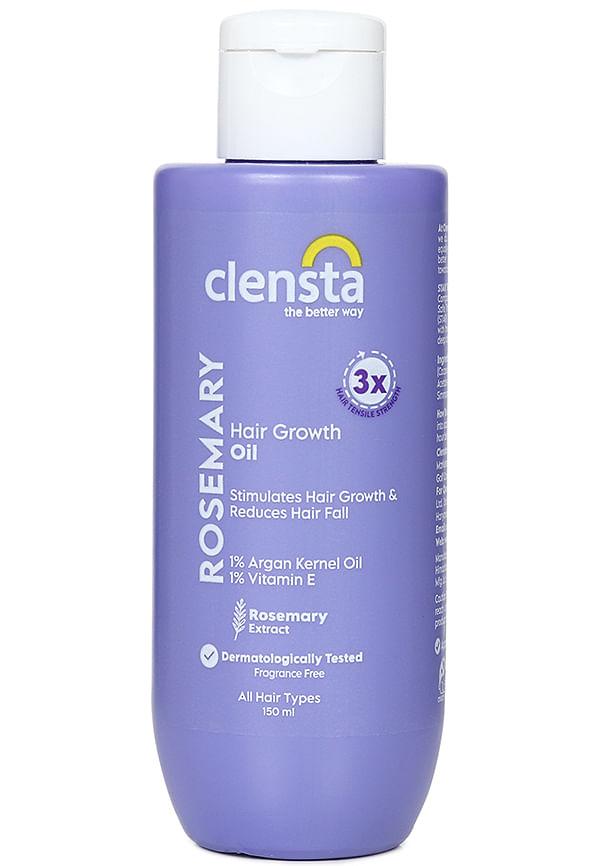
Rosemary Hair Growth Oil With Argan Oil & Vitamin E For Reducing Hair Fall, Strengthens Hair & Breakage
Most men don't need to apply hair oil daily. 2-3 times per week is usually sufficient for most hair types. Daily application can lead to product buildup and make hair look greasy. However, if you have very dry hair or scalp, you might benefit from more frequent application of a lighter oil.
Herbal hair oils are generally safe, but some people may experience allergic reactions to specific plant extracts or essential oils. Common side effects include scalp irritation, redness, or itching. Always do a patch test before using a new product, and discontinue use if you experience any adverse reactions.
Most people start seeing improvements in hair texture and scalp health within 2-4 weeks of regular use. For hair growth and thickness, it typically takes 2-3 months to notice significant changes, as this is how long it takes for new hair to grow and become visible. Consistency is key for seeing results.
Low porosity hair can benefit from oils, but it requires the right approach. Use lighter oils like argan or jojoba, apply to slightly damp hair, and warm the oil before application. Avoid heavy oils like coconut oil, which may sit on top of low porosity hair rather than penetrating.
Tea tree oil, neem oil, and thyme oil have strong antifungal properties that can help with scalp conditions caused by fungal overgrowth, such as dandruff. These oils should be diluted in a carrier oil before application, as they can be too strong when used undiluted.
The main disadvantages include potential product buildup if overused, possible allergic reactions to certain ingredients, and the risk of making fine hair look greasy or weighed down. Some oils can also stain clothing or pillowcases if not properly washed out.
Herbal hair oils offer a natural, effective approach to men's hair care that addresses multiple concerns simultaneously. From promoting hair growth to strengthening existing hair and maintaining scalp health, these traditional formulations have solid science backing their benefits. The key is finding the right oil for your specific hair type and using it consistently with proper application techniques.
Remember, results take time — give any new hair oil at least 2-3 months of consistent use before deciding if it's working for you. And while herbal oils are generally safe, always patch test new products and pay attention to how your scalp and hair respond.
If you're curious about trying different herbal hair oil formulations but don't want to commit to full-size bottles right away, Smytten offers trial-size versions of many hair care products from trusted brands. It's a smart way to test what works for your hair before investing in larger quantities, especially when you're exploring the world of natural hair care for the first time.
