Benefits of Hair Oiling FAQ: Your Questions Answered

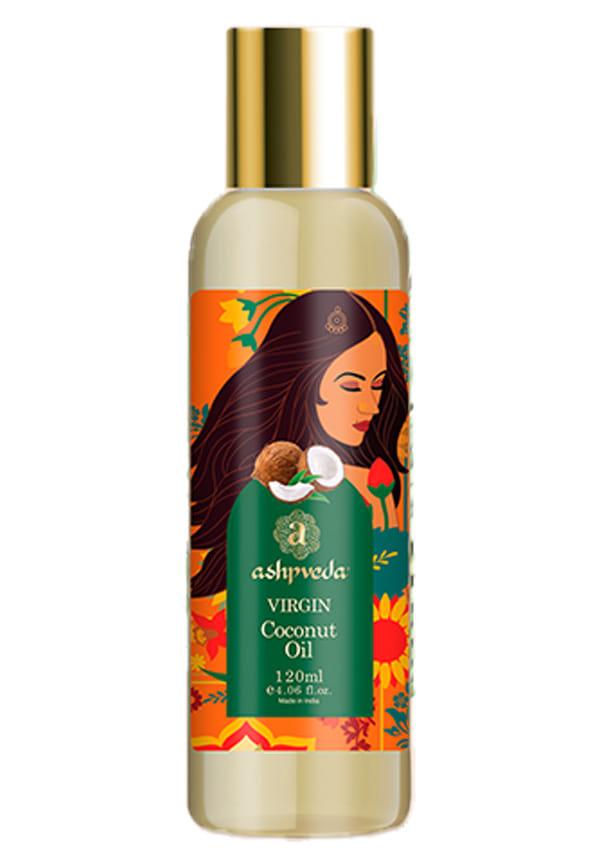
Organic Cold Pressed Virgin Coconut Oil for Hair and Skin | Ayurvedic Herb Enriched Fragrance Oil, Enhancing Scalp Health and Promotes Skin Firmness
Ever wondered if all that hair oiling your mum insisted on was actually worth the fuss? You're not alone. Between Instagram tutorials promising Rapunzel-length hair and conflicting advice about which oils work best, it's easy to feel overwhelmed. The truth is, hair oiling has genuine science-backed benefits, but like most things in beauty, the devil's in the details. Let's cut through the noise and get real about what hair oiling can (and can't) do for your hair.
Real talk: the benefits of hair oiling aren't just old wives' tales passed down through generations. There's actual science behind why slathering oil on your strands works wonders. When you apply oil to your hair, you're essentially creating a protective barrier that locks in moisture and shields your hair from environmental damage.
The magic happens at the cuticle level. Hair oils work by filling in the microscopic gaps in your hair's outer layer, smoothing down those lifted cuticles that make your hair look dull and feel rough. This process, called lipid replacement, helps restore your hair's natural protective coating that gets stripped away by washing, heat styling, and everyday wear and tear.
Hair oil benefits extend beyond just surface-level improvements. Regular oiling can significantly reduce breakage by strengthening your hair shafts and preventing something called hygral fatigue—basically, the damage that happens when your hair swells and contracts from getting wet and drying repeatedly. Think of it as giving your hair a flexible armour that moves with it rather than against it.
The scalp benefits are equally impressive. When you massage oil into your scalp, you're boosting blood circulation to your hair follicles, which can improve overall scalp health. This enhanced blood flow brings more nutrients to your hair roots, creating a healthier environment for hair growth. Plus, many natural hair oils have anti-inflammatory properties that can soothe irritated scalps and reduce dandruff.
Here's where we need to separate fact from fantasy. While hair growth oil treatments won't magically give you waist-length hair overnight, they can create optimal conditions for healthy hair growth. The key lies in understanding what actually promotes growth versus what just makes your existing hair look better.
Scalp massage benefits are where the real growth magic happens. When you massage oil into your scalp, you're increasing blood circulation to your hair follicles. Better circulation means more nutrients and oxygen reaching your hair roots, which can support healthier, stronger hair growth. Some studies suggest that regular scalp massage can even help extend the growth phase of your hair cycle.
However, let's be realistic about expectations. Hair typically grows about half an inch per month, regardless of what products you use. What hair oiling actually does is prevent breakage and improve the overall health of your hair, so you retain more length over time. It's less about speeding up growth and more about keeping the hair you grow.
The benefits of hair oiling for growth are most noticeable when you're dealing with issues like excessive breakage, dry scalp conditions, or damage from chemical treatments. By addressing these underlying problems, oiling creates a healthier environment where your hair can reach its natural growth potential.
Not all natural hair oils are created equal, and what works for your best mate might be a disaster for your hair type. The trick is matching the right oil to your specific hair needs and texture.
Coconut oil is probably the most researched when it comes to hair benefits. Its small molecular structure allows it to actually penetrate the hair shaft rather than just sitting on top. This makes it brilliant for preventing protein loss and deeply nourishing damaged hair. However, it can be too heavy for fine hair types and might cause buildup if you have low-porosity hair.
Sweet almond oil is your go-to for dry hair treatment. It's packed with vitamin E and has excellent moisturising properties without being overly heavy. Plus, it offers some UV protection, which is a bonus if you spend a lot of time outdoors. It's particularly good for chemically treated or colour-damaged hair that needs gentle nourishment.
Argan oil has become a bit of a cult favourite, and for good reason. It's lightweight enough for fine hair but nourishing enough for dry, damaged strands. Rich in antioxidants and essential fatty acids, argan oil is excellent for adding hair shine and controlling frizz without weighing your hair down.
Jojoba oil technically isn't an oil at all—it's a wax ester that closely mimics your scalp's natural sebum. This makes it perfect for people with oily scalps who still want the benefits of hair oiling. It's also non-comedogenic, so it won't clog your hair follicles or cause scalp breakouts.
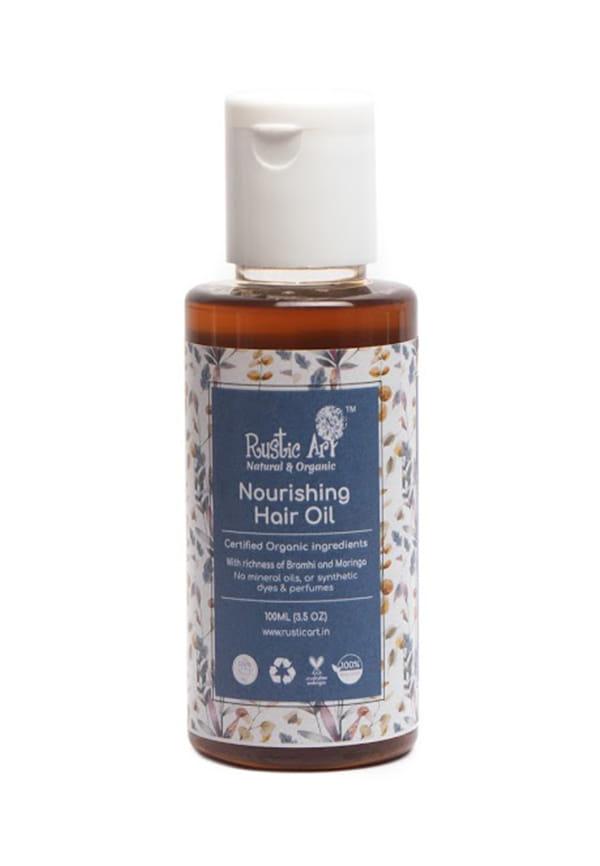
Organic Nourishing Hair Oil
Fine hair works best with lightweight oils like argan, jojoba, or grapeseed oil. These won't weigh your hair down or make it look greasy. Thick, coarse hair can handle heavier oils like coconut, castor, or olive oil that provide deep nourishment and help tame frizz.
Getting your hair oiling techniques right can make the difference between gorgeous, nourished hair and a greasy mess. The application method matters just as much as the oil you choose.
Start with clean, slightly damp hair for better oil distribution. Completely wet hair will repel the oil, while bone-dry hair might absorb too much too quickly. Section your hair into manageable parts—this ensures even coverage and prevents you from missing spots or over-applying in others.
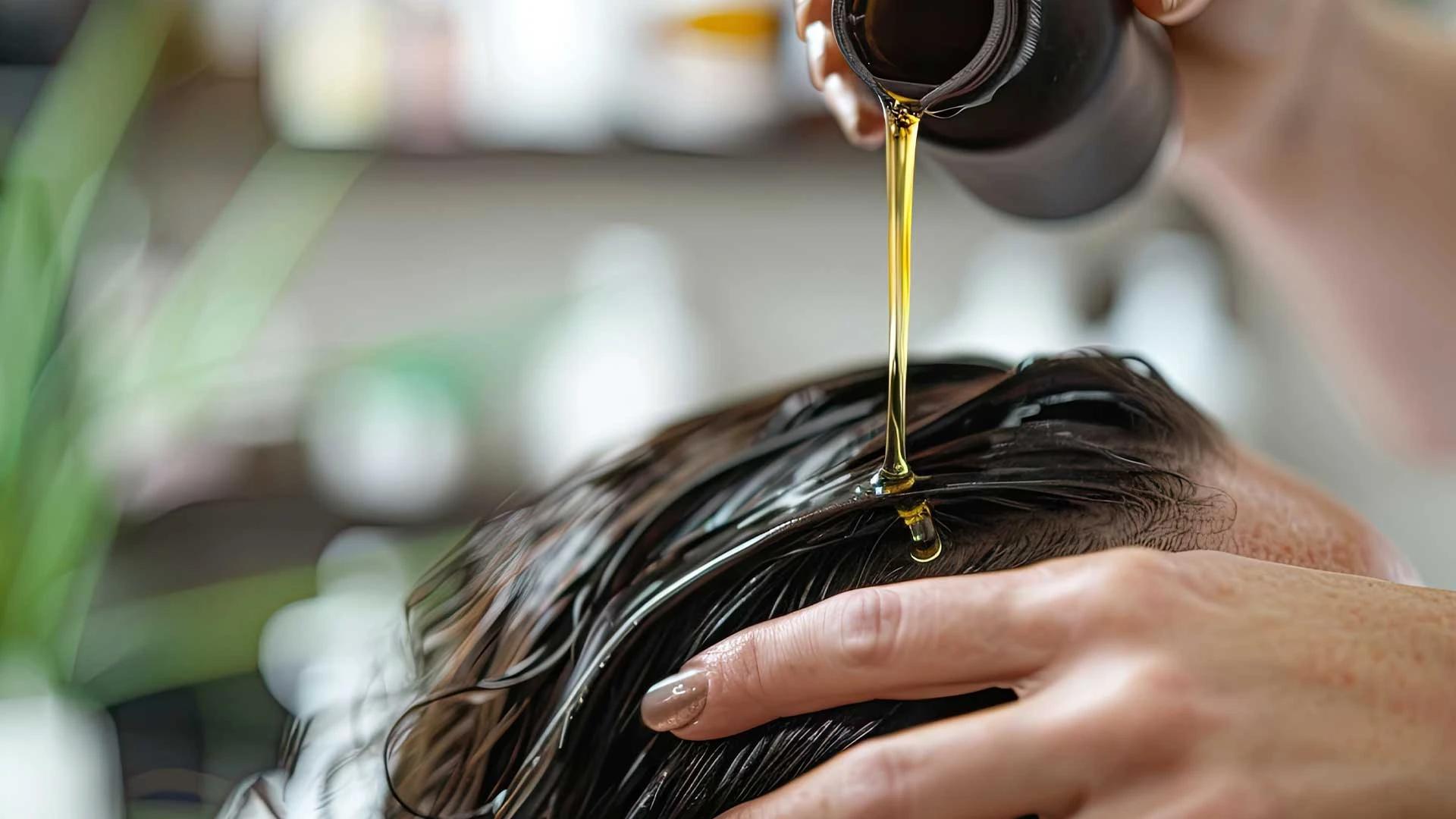
For scalp application, use your fingertips to apply small amounts of oil directly to your scalp, working in sections. Then comes the important part: massage. Spend at least 5-10 minutes massaging the oil into your scalp using circular motions. This isn't just about spreading the oil—you're maximising those scalp massage benefits by boosting circulation.
When applying oil to your hair lengths, focus on the mid-lengths and ends where damage typically occurs. Your roots produce natural oils, so they usually need less additional moisture. Work the oil through your hair using your palms or a wide-tooth comb for even distribution.
Temperature can make a difference too. Slightly warming your oil (not hot—just body temperature) can help it penetrate better and feel more luxurious. You can warm it between your palms or place the bottle in warm water for a few minutes.
Consider using an applicator bottle with a nozzle tip for precise scalp application, especially if you have thick hair. A wide-tooth comb can help distribute oil evenly through your lengths without causing breakage.
The overnight versus quick treatment debate depends entirely on your hair type, lifestyle, and specific goals. Both approaches have their place in a healthy hair routine.
Overnight oiling gives your hair maximum time to absorb the beneficial nutrients and moisture. This extended contact time is particularly beneficial for very dry, damaged, or chemically treated hair that needs intensive repair. The benefits of oiling hair overnight include deeper penetration and more significant improvements in hair strengthening and moisture levels.
However, overnight treatments aren't suitable for everyone. If you have fine or oily hair, leaving oil in overnight might lead to buildup or make your hair look greasy. Some people also find it uncomfortable to sleep with oiled hair or worry about staining their pillowcases.
Short-term treatments (30 minutes to 2 hours) can be just as effective for maintaining healthy hair, especially if done regularly. They're perfect for people with oily scalps or fine hair who still want the benefits of hair oiling without the heaviness. Quick treatments are also more practical for busy lifestyles.
The key is consistency rather than duration. Regular weekly treatments will give you better results than sporadic overnight sessions. Listen to your hair—if it feels soft and looks healthy with shorter treatments, there's no need to commit to overnight oiling.
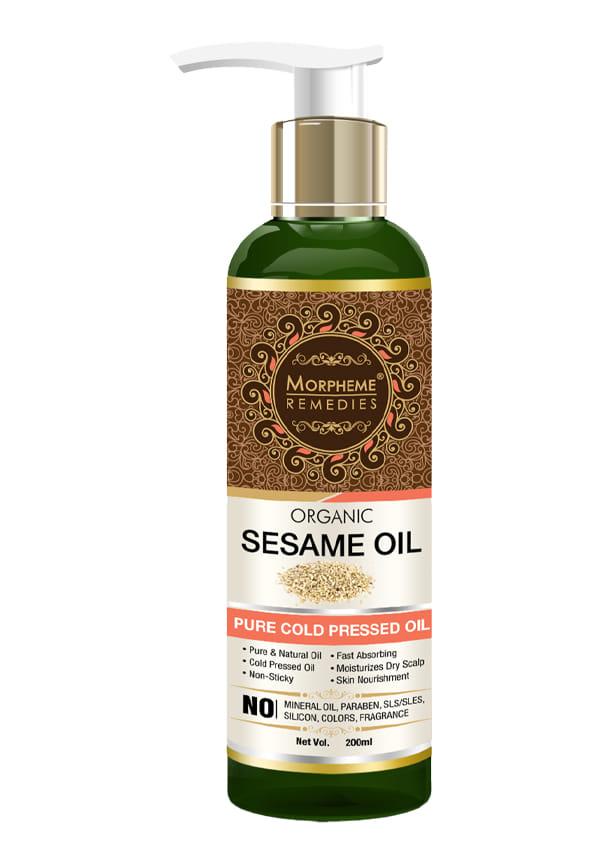
Remedies Organic Sesame Oil (Pure Coldpressed Oil) For Hair, Body, Skin Care, Massage
Different hair concerns require different approaches to oiling. Understanding your specific needs helps you choose the right oils and application methods for maximum benefit.
For dry hair treatment, focus on oils rich in fatty acids like coconut, argan, or olive oil. Apply these primarily to your hair lengths and ends, where dryness is most noticeable. Dry hair often benefits from more frequent oiling—perhaps twice a week rather than once.
If lack of hair shine is your main concern, lightweight oils like argan or jojoba work best. These smooth down the hair cuticle without adding weight, creating that glossy finish you're after. Apply sparingly to avoid greasiness—a little goes a long way for shine.
For hair loss concerns, focus on scalp health rather than the hair lengths. Oils like rosemary, peppermint, or castor oil have properties that may support scalp health. The massage technique becomes crucial here—spend extra time stimulating blood flow to your scalp. However, keep expectations realistic—oiling won't reverse genetic hair loss but can help maintain a healthy scalp environment.
Dandruff and scalp irritation respond well to oils with anti-inflammatory properties. Tea tree oil (diluted), neem oil, or coconut oil can help soothe irritated scalps. Always patch test these oils first, as some people are sensitive to essential oils.
Chemically treated hair needs extra gentle care. Stick to nourishing oils like argan or sweet almond that won't strip colour or cause further damage. Avoid oils with clarifying properties that might fade your colour faster.
Even with the best intentions, it's easy to make mistakes that can turn your healthy hair tips routine into a hair disaster. Here are the most common pitfalls and how to avoid them.
Using too much oil is probably the biggest mistake people make. More isn't always better—excess oil can weigh your hair down, make it look greasy, and be difficult to wash out. Start with a small amount (think teaspoon, not tablespoon) and add more if needed.
Choosing the wrong oil for your hair porosity is another common error. Low-porosity hair (where water beads on the surface) needs lighter oils that won't sit on top and cause buildup. High-porosity hair can handle heavier oils that provide more intensive moisture.
Incorrect washing after oiling leads to buildup and dull-looking hair. You might need to shampoo twice to completely remove the oil, especially if you've used a heavier oil or applied a generous amount. Don't skip the shampoo step—conditioner alone won't remove oil effectively.
Overheating oils can damage their beneficial properties and potentially burn your scalp. If you're warming oil, aim for body temperature, not hot. Test the temperature on your wrist before applying to your scalp.
Skipping patch tests for new oils, especially essential oils, can lead to allergic reactions or scalp irritation. Always test a small amount on your inner arm 24 hours before using a new oil on your scalp.
Yes, hair oiling has scientifically proven benefits including moisture retention, reduced breakage, and improved scalp health. The key is choosing the right oil for your hair type and using proper application techniques. Regular oiling can significantly improve hair texture, reduce frizz, and protect against environmental damage.
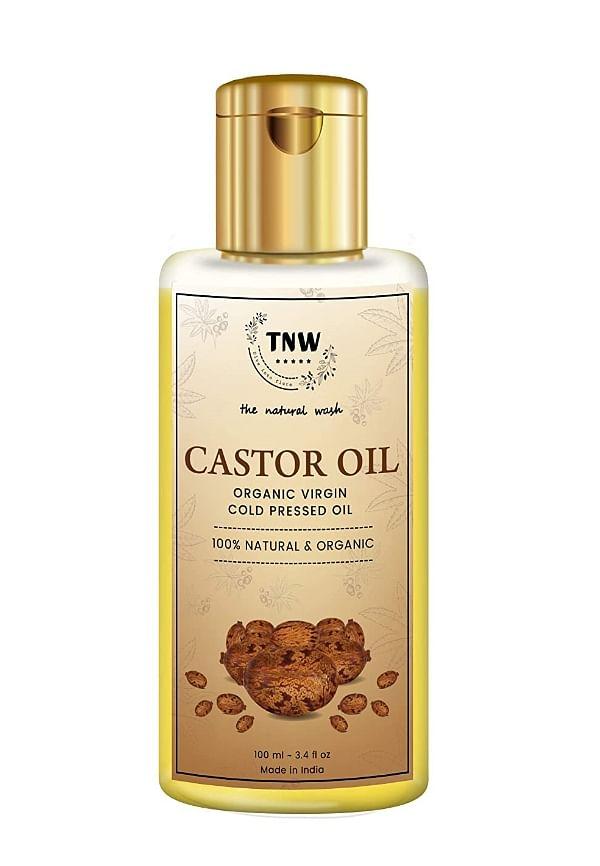
Combo of 100% Pure Castor Oil & Coconut Oil | Castor Oil For Hair,Skin,Eyelashes And Nails 100 ML |Virgin Coconut Oil Improves Hair,Skin Improves Hai
Amazing Oil for Hairfall
 5
5“Love it amazing oil for hair. Makes hairfall controlled ”
Absolutely! Hair nourishment benefits are universal regardless of gender. Men often deal with similar hair concerns like dryness, dandruff, or hair loss. The same principles apply—choose oils based on your hair type and scalp condition, not your gender. Many men find that regular scalp massage with oil helps with stress relief too.
This depends on your hair type and condition. Dry, damaged hair might benefit from oiling 2-3 times per week, while normal hair typically needs oiling once a week. Oily hair types might only need oiling every 10-14 days. Pay attention to how your hair responds and adjust accordingly.
Only if you use too much oil or choose the wrong type for your hair. Fine hair needs lighter oils like jojoba or argan, while thick hair can handle heavier oils. Start with a small amount and focus application on mid-lengths and ends rather than roots if you're prone to oiliness.
Hair oiling can support scalp health and reduce breakage, which may help you retain more of the hair you grow. However, it won't prevent genetic hair loss or reverse male pattern baldness. The scalp massage benefits can improve circulation and create a healthier environment for hair growth, but expectations should be realistic.
Evening application works well if you're doing overnight treatments, allowing maximum absorption time. Morning application is better for quick treatments before washing. Avoid applying oil right before going out, as it needs time to absorb or be washed out to avoid looking greasy.
Slightly damp hair is ideal for oil application. Completely wet hair will repel oil, while very dry hair might absorb too much too quickly, leading to uneven distribution. Towel-dry your hair until it's just slightly damp for best results.
This depends on your hair type and the oil used. Fine hair might only need 30 minutes to 1 hour, while thick, dry hair can benefit from 2-8 hours or overnight treatments. Start with shorter durations and increase gradually based on how your hair responds.
The benefits of hair oiling are real, but like most beauty routines, success lies in the details. Understanding your hair type, choosing appropriate oils, and using proper techniques will give you the best results. Remember, consistency beats intensity—regular weekly treatments often work better than sporadic intensive sessions.
Whether you're dealing with dryness, seeking more shine, or simply want to maintain healthy hair, there's likely an oil and technique that will work for you. Start simple, pay attention to how your hair responds, and adjust your routine accordingly. Your hair will thank you for the extra care and attention.
Want to explore different hair oils without committing to full-size bottles? Smytten offers trial-size versions of many hair care products from trusted brands—a smart way to test what works for your hair before investing in larger quantities.
