Benefits of Clay Mask for Men FAQ: Your Questions Answered
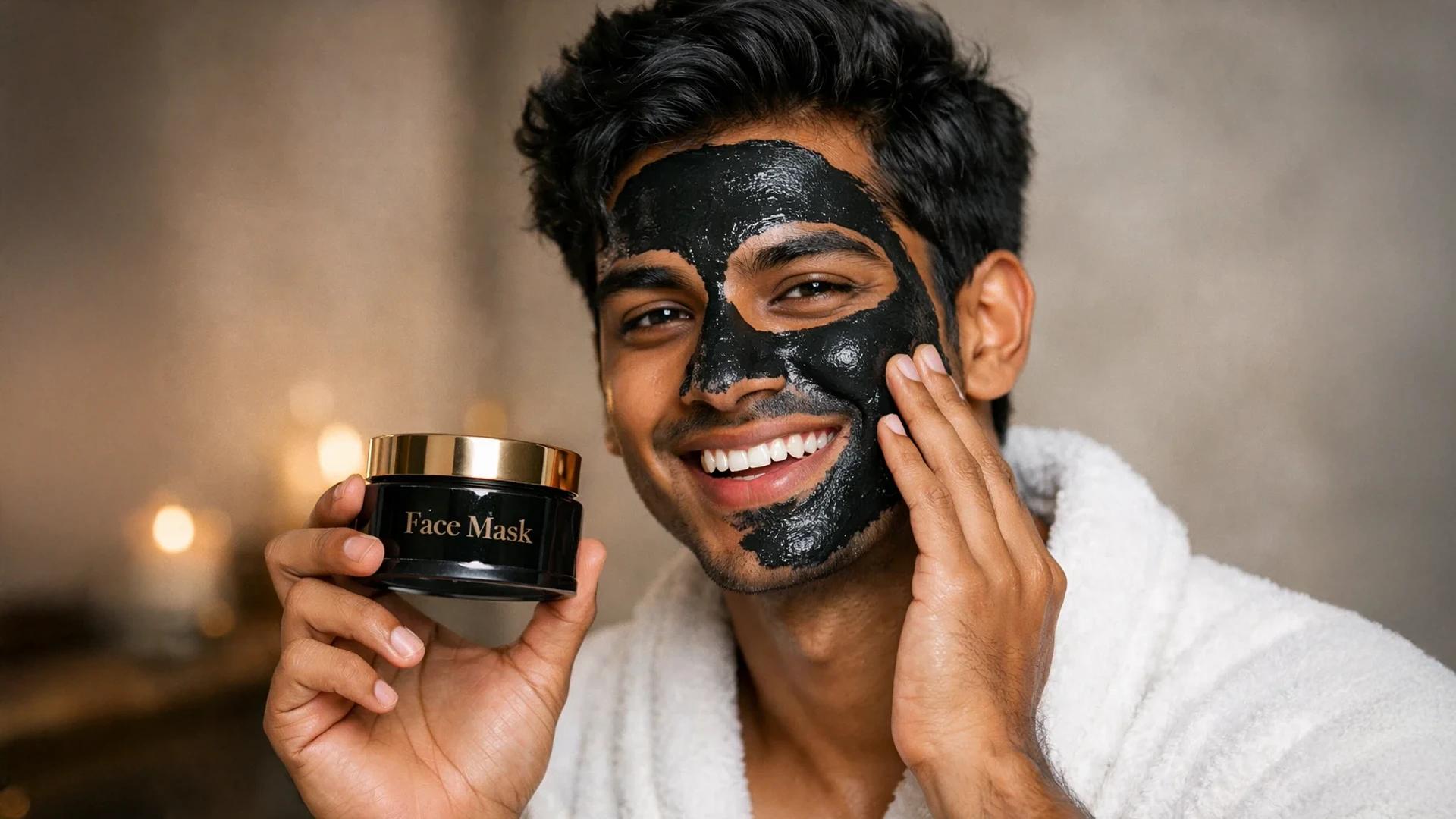

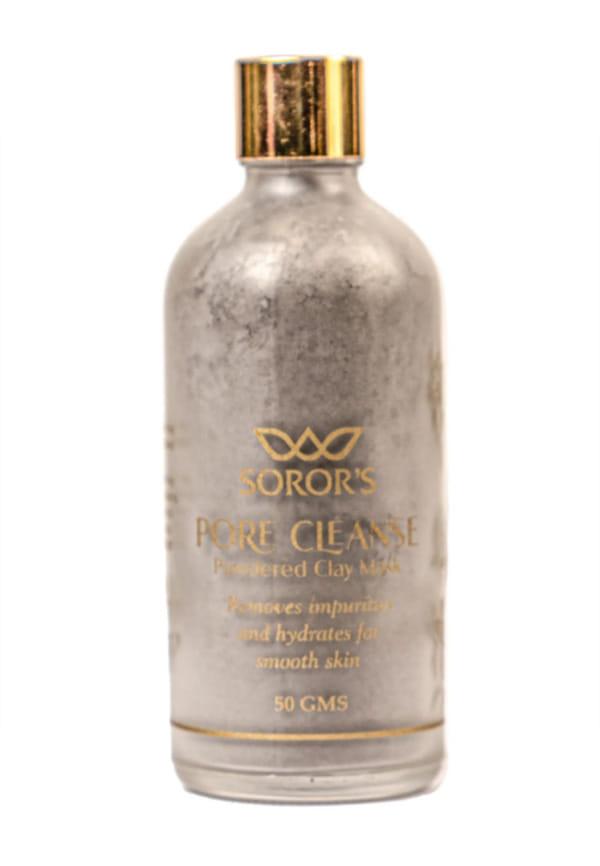
Pore Cleanse Powdered Clay Mask
Let's be real — most blokes think skincare starts and ends with soap and water. But if you've ever looked in the mirror and wondered why your face looks like an oil slick by lunchtime, or why those pores seem to be getting bigger by the day, it might be time to consider something that's been quietly revolutionising men's grooming routines: clay masks. Yes, you read that right. That green, muddy stuff isn't just for spa days and Instagram selfies. The benefits of using clay mask for men are actually pretty impressive, and once you understand what they can do for your skin, you might just become a convert.
Here's the thing about men's skin — it's fundamentally different from women's. Your skin is about 25% thicker, produces more oil, and has larger pores. That's not a design flaw; it's just biology. But it also means that regular face wash might not be cutting through all the grime, excess sebum, and environmental pollutants that get trapped in those bigger pores throughout the day.
Men's facial cleansing clay works differently than your standard cleanser. While regular face wash sits on the surface and removes what it can, clay masks actually draw impurities out from deep within your pores. Think of it like a magnet for all the stuff that shouldn't be there — excess oil, dead skin cells, pollution particles, and bacteria that can lead to breakouts.
The science behind it is pretty straightforward. Most clays have a negative electrical charge, which attracts positively charged toxins and impurities. When you apply a clay mask, it literally pulls these unwanted substances out of your skin as it dries. It's like giving your face a proper deep clean that goes way beyond what soap and water can achieve.
What makes this particularly relevant for men is that your skin tends to be more resilient and can handle the intensive cleansing action that clay provides. Where some people might find clay masks too drying, men's naturally oilier skin often responds brilliantly to this level of deep cleaning.
If you're dealing with oily skin — and let's face it, most men are to some degree — clay masks might just become your new best mate. Here's what they can actually do for you.
First up is oil control. Clay mask for oily skin men works by absorbing excess sebum without completely stripping your skin. This is crucial because when you over-cleanse oily skin, it often responds by producing even more oil. Clay masks find that sweet spot where they remove enough oil to mattify your skin without triggering an oil production overdrive.
Pore deep-cleaning is where clay masks really shine. Those enlarged pores that seem to collect everything from dust to dead skin cells get a proper clear-out. As the clay dries, it contracts slightly, which helps to physically pull debris from your pores. It's like a mini vacuum for your face, but gentler and more effective than pore strips.
Blackhead reduction happens naturally when you're consistently using a skin purifying mask for men. Blackheads are essentially oxidised oil and dead skin trapped in your pores. Clay masks help prevent this build-up and can gradually reduce existing blackheads by keeping your pores clear.
Improved skin texture is something you'll notice pretty quickly. After just a few uses, your skin should feel smoother and look more even. This happens because clay masks help remove the layer of dead skin cells that can make your complexion look dull and rough.
Better product absorption is an underrated benefit. When your pores are clear and your skin is properly exfoliated, any moisturiser or serum you apply afterwards can penetrate more effectively. This means you get more bang for your buck from the rest of your skincare routine.
Shine reduction throughout the day is probably the most immediately noticeable benefit. Instead of looking like you've been hit with a grease gun by 2 PM, your skin maintains a more balanced, matte appearance for longer.
Long-term skin health improvement happens when you make clay masks a regular part of your routine. Consistently keeping your pores clear and your oil production balanced can help prevent more serious skin issues down the line, including cystic acne and premature ageing caused by clogged pores.
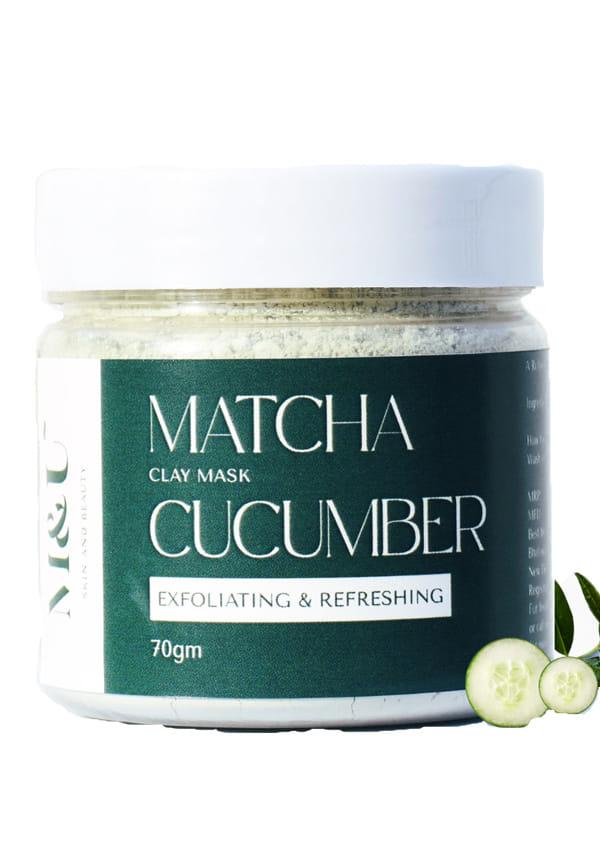
Matcha And Cucumber Acne Clearing Clay Mask
Not all clays are created equal, and choosing the right type can make a massive difference in your results. Here's what you need to know about the main players in the clay mask game.
Bentonite clay is probably the most powerful detoxifying clay mask for men. It's formed from volcanic ash and has an incredibly strong drawing power. If you're dealing with seriously congested skin, frequent breakouts, or work in a particularly polluted environment, bentonite clay might be your answer. It's quite intensive, so start with once a week and see how your skin responds.
Kaolin clay is the gentler cousin of the clay family. It's perfect for men with sensitive skin who still want the benefits of clay masking. White kaolin is the mildest, while pink and red kaolin offer slightly more oil absorption. This is a good starting point if you're new to clay masks or have skin that tends to react to stronger treatments.
French green clay sits somewhere in the middle in terms of intensity. It's excellent for combination skin — areas that are oily in some places and normal or dry in others. This clay is particularly good at balancing oil production without being too harsh on the drier areas of your face.
Charcoal mask for men's pores deserves special mention because it's become incredibly popular, and for good reason. Activated charcoal works similarly to clay but with even stronger detoxifying properties. It's particularly effective for men who live in cities or have jobs that expose them to a lot of environmental pollutants. The combination of clay and charcoal creates a powerhouse treatment for enlarged pores.
Rhassoul clay, which comes from Morocco, offers gentle exfoliation along with purification. It's rich in minerals and is particularly good for men who want to address both oiliness and skin texture issues. It's less drying than some other clays, making it suitable for regular use.
When you're shopping for clay mask ingredients for men, the base clay is just the beginning. The additional ingredients can make or break the effectiveness of your mask, especially if you're targeting specific skin concerns.
Tea tree oil is a brilliant addition for men dealing with acne or frequent breakouts. It has natural antibacterial properties that help kill the bacteria that cause spots, while also providing a cooling sensation that feels great on irritated skin. Look for masks that contain 1-2% tea tree oil — any more than that and it might be too strong for regular use.
Salicylic acid in clay masks creates a powerful combination for the best clay mask for men's acne. While the clay draws out impurities, salicylic acid helps to exfoliate inside the pores, preventing future blockages. This ingredient is particularly effective for men who get breakouts on their jawline or neck area, often caused by shaving irritation combined with clogged pores.
Sulfur might not sound appealing, but it's incredibly effective for oily, acne-prone skin. It helps to dry out existing spots while preventing new ones from forming. Many men find sulfur-containing clay masks particularly effective for back and chest acne as well as facial breakouts.
Natural oils like jojoba or argan oil might seem counterintuitive in a clay mask, but they serve an important purpose. They prevent the mask from being too drying and help maintain your skin's natural barrier. This is particularly important for men who shave regularly, as shaving can compromise the skin barrier.
Avoid masks with heavy fragrances, alcohol, or harsh sulfates. Men's skin might be more resilient, but these ingredients can still cause irritation, especially if you're using the mask regularly. Also, steer clear of masks with microbeads or harsh physical exfoliants — the clay provides all the exfoliation you need.
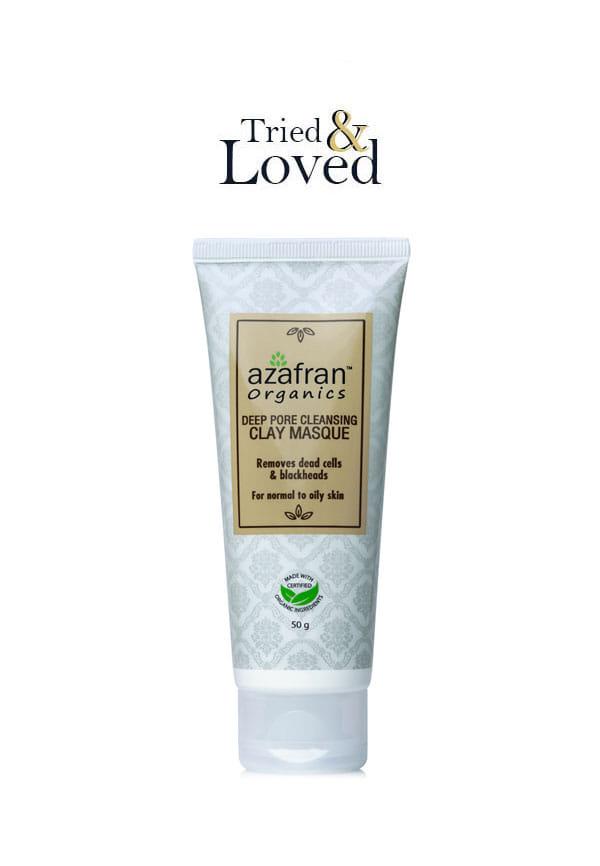
Deep Pore Cleansing Clay Masque
Getting the most out of your deep cleaning mask for male skin isn't just about slapping it on and hoping for the best. There's actually a proper technique that can maximise the benefits and minimise any potential irritation.
Start with clean skin, but not squeaky clean. Wash your face with your regular cleanser to remove surface dirt and oil, but don't go overboard. You want your skin to be clean but not stripped, as this can make the clay mask too intense. Pat your face dry with a clean towel — don't rub, as this can irritate your skin before you even start.
If you're using a powder clay mask, mix it with water or apple cider vinegar in a non-metal bowl. Metal can interfere with the clay's electrical charge, reducing its effectiveness. The consistency should be like thick yoghurt — spreadable but not runny. If you're using a pre-made mask, give it a good stir to ensure all the ingredients are properly combined.
Apply the mask evenly across your face, avoiding the eye area and lips. Use your fingers or a brush, whichever feels more comfortable. Don't make it too thick — a thin, even layer is more effective than a thick, uneven one. Pay particular attention to your T-zone (forehead, nose, and chin) where oil production is typically highest.
Timing is crucial when it comes to how to use clay mask men effectively. Most clay masks should be left on for 10-15 minutes, but this can vary depending on your skin type and the specific mask. The mask should feel tight as it dries, but it shouldn't be painful or cause excessive redness. If you have sensitive skin, start with 5-7 minutes and gradually increase the time as your skin gets used to it.
Remove the mask with lukewarm water, using gentle circular motions. Don't scrub or try to remove it all at once. Take your time and let the water soften the clay before gently massaging it off. This removal process provides additional gentle exfoliation.
Follow up with a lightweight moisturiser, even if you have oily skin. Clay masks can be drying, and skipping moisturiser can actually trigger your skin to produce more oil to compensate. Choose something non-comedogenic that won't clog your freshly cleaned pores.
Absolutely. Men's skin is typically oilier and has larger pores than women's skin, making it particularly well-suited to the deep-cleansing action of clay masks. The benefits of using clay mask for men include better oil control, reduced pore appearance, and clearer skin overall. Men's skin is also generally more resilient, meaning it can handle the intensive cleansing action without becoming overly irritated.
Daily use isn't recommended for most men. Clay masks are quite powerful, and using them too frequently can disrupt your skin's natural barrier and actually increase oil production. For most skin types, 1-2 times per week is optimal. If you have very oily skin, you might be able to use a gentler clay mask 3 times per week, but start slowly and see how your skin responds.
Evening is generally the best time for clay masking. Your skin has accumulated oil, pollution, and debris throughout the day, making it the perfect time for a deep clean. Plus, clay masks can make your skin slightly more sensitive to sun exposure, so using them at night gives your skin time to recover. If you do use a clay mask in the morning, make sure to follow up with SPF.
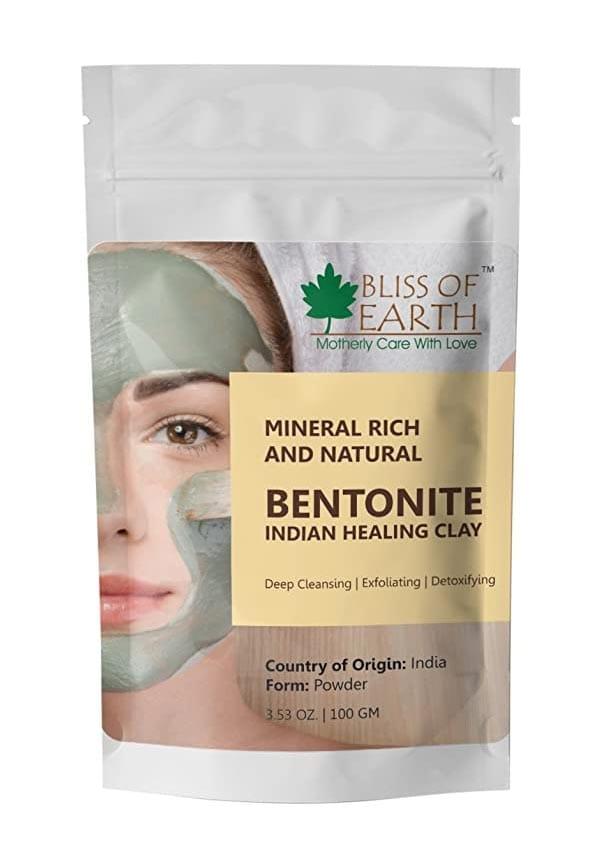
100% Natural Bentonie Clay
Clay masks can be helpful for fungal acne, particularly those containing sulfur or tea tree oil, which have antifungal properties. However, fungal acne is different from regular acne and often requires specific treatment. If you suspect you have fungal acne (small, uniform bumps that don't respond to regular acne treatments), it's worth consulting a dermatologist for proper diagnosis and treatment.
Clay masks can make your skin appear brighter by removing dead skin cells and clearing out pores, which allows light to reflect more evenly off your skin's surface. However, they don't provide the same brightening effects as ingredients like vitamin C or niacinamide. The "brightness" you see after a clay mask is more about clarity and improved texture than actual skin lightening.
While both are excellent for men's skin, they work slightly differently. Clay masks primarily absorb oil and draw out impurities through their natural electrical charge. Charcoal masks work more like a magnet, attracting and binding to toxins and impurities. Charcoal is particularly effective for pollution-related skin issues, while clay is better for general oil control and pore cleansing. Many effective masks combine both ingredients.
No, clay masks are a treatment, not a replacement for daily cleansing. You still need to wash your face daily with a regular cleanser to remove surface dirt, oil, and bacteria. Clay masks provide a deeper clean that complements your daily routine but shouldn't replace it. Think of clay masks as a weekly or bi-weekly intensive treatment rather than a daily necessity.
Clay masks can help prevent some causes of shaving irritation by keeping your pores clear and reducing the likelihood of ingrown hairs. However, they shouldn't be used immediately before or after shaving, as this can increase irritation. Use your clay mask on days when you're not shaving, and always follow up with a good moisturiser to maintain your skin barrier.
You'll likely notice immediate effects after your first use — your skin should feel cleaner and look less oily. However, significant improvements in pore appearance, oil control, and overall skin texture typically become noticeable after 3-4 weeks of regular use. Consistency is key with clay masks; sporadic use won't give you the cumulative benefits.
Definitely. Many men find clay masks particularly effective for treating back and chest acne, areas that are often neglected in skincare routines but can be problematic due to sweat, friction from clothing, and oil production. The same principles apply — use 1-2 times per week and always follow up with moisturiser.
Clay masks aren't just another skincare trend — they're a legitimate tool for addressing the specific challenges that come with men's skin. From controlling excess oil to keeping pores clear and preventing breakouts, the benefits of using clay mask for men are both immediate and long-term. The key is finding the right type of clay for your skin concerns and using it consistently but not excessively.
Remember that skincare isn't one-size-fits-all, even within the category of men's products. What works brilliantly for your mate might not be right for your skin type. Start with a gentler clay like kaolin if you're new to masking, or go for bentonite or charcoal if you're dealing with seriously oily or congested skin.
The most important thing is to listen to your skin. If a clay mask leaves you feeling tight and uncomfortable for hours afterwards, it might be too strong or you might be using it too frequently. Good skincare should make your skin feel better, not worse.
If you're curious about trying different clay mask formulations but don't want to commit to full-size products straight away, Smytten offers trial-size versions of many clay masks from trusted brands. It's a smart way to test what works for your skin before investing in larger quantities — because finding your perfect clay mask might take a bit of experimentation, and that's completely normal.
