Benefits of Beard Hair Growth Oil FAQ: Your Questions Answered


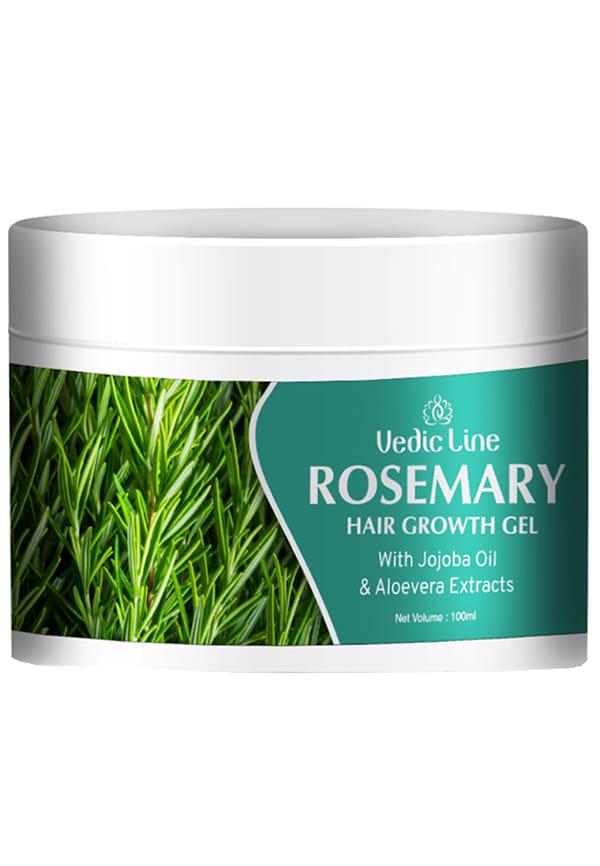
Rosemary Hair Growth Gel with Aloe Vera, Argan Oil & Jojoba Oil
That moment when you catch your reflection and realise your beard looks more like scattered patches than the full, thick growth you've been dreaming of. You've tried waiting it out, adjusting your diet, even considered those questionable supplements your mate recommended. But here's the thing — sometimes your facial hair just needs the right kind of support to reach its potential. Enter beard growth oils, the grooming game-changer that's got everyone talking. But do they actually work? Are they safe for daily use? And what's this whole 3-day rule about? Let's dive into everything you need to know about beard growth oils and whether they're worth adding to your routine.
Real talk — beard growth oil isn't some magical potion that'll give you a Viking beard overnight. Think of it more like a targeted treatment that creates the ideal environment for your facial hair to thrive. These specialised formulations combine carrier oils like jojoba and argan with essential oils and growth-promoting ingredients to nourish both your hair follicles and the skin underneath.
The science behind these oils is pretty straightforward. Your hair follicles need proper nutrition and blood flow to produce healthy, thick hair. Beard growth oils work by delivering essential nutrients directly to the follicles whilst improving circulation in the area. Many formulations include ingredients like biotin, caffeine, and natural DHT blockers that can help stimulate dormant follicles and encourage new growth.
Not all beard oils are created equal, especially when it comes to growth. Look for formulations that include castor oil for thickness, rosemary oil for circulation, and peppermint oil for stimulation. These aren't just trendy ingredients — they've got actual research backing their effectiveness for hair growth.
Your standard beard oil focuses mainly on conditioning and softening existing hair. Growth-specific formulas go deeper, targeting the follicles themselves with active ingredients designed to promote new hair development and strengthen what's already there.
Let's break down what you can actually expect when you start using beard growth oil consistently. Spoiler alert: the benefits go way beyond just hair growth, though that's obviously the main event.
First up, you're looking at genuine improvements in hair density and thickness over time. Most users start noticing changes around the 4-6 week mark, with fuller coverage in previously patchy areas and overall thicker hair strands. The key here is consistency — sporadic use won't cut it.
Here's something most people don't consider — the skin under your beard needs just as much attention as your face. Beard growth oils provide deep moisturisation that prevents the dreaded beard dandruff and reduces itchiness that can drive you mental, especially during the awkward growth phases.
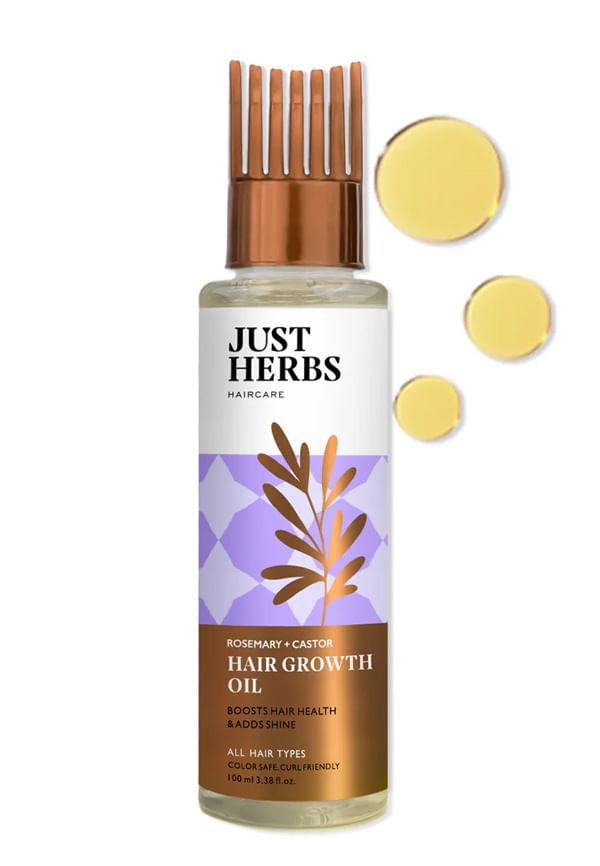
Hair Growth Oil with Rosemary and Castor
Even if growth is your main goal, you'll appreciate how these oils make your existing beard more manageable. They soften coarse hair, reduce frizz, and give your beard a natural shine that looks healthy rather than greasy when applied correctly.
Your facial hair faces daily assault from pollution, UV rays, and harsh weather. Quality beard growth oils create a protective barrier whilst delivering antioxidants that keep your hair strong and resilient.
Getting the application right makes all the difference between seeing results and wasting your money. It's not rocket science, but there are definitely some techniques that work better than others.
Start with clean, slightly damp facial hair — this helps the oil penetrate better. Use 3-5 drops for shorter beards, up to 8-10 for longer growth. Warm the oil between your palms first, then work it through your beard from roots to tips, making sure to massage it into the skin underneath.
Most experts recommend applying beard growth oil twice daily — once in the morning and once before bed. The evening application is particularly important since your hair follicles do most of their growing whilst you sleep. Morning application helps protect your beard throughout the day.
Don't just slap it on and hope for the best. Use circular motions with your fingertips to massage the oil into your skin for 2-3 minutes. This improves blood circulation and helps the active ingredients penetrate deeper into the follicles.
Every beard journey comes with its own set of challenges. Whether you're dealing with patchy growth, slow development, or just want to boost overall thickness, there are specific approaches that work better for different concerns.
For patchy beards, focus on targeted application to sparse areas whilst maintaining overall coverage. Look for oils containing minoxidil or natural alternatives like rosemary oil, which studies have shown can be just as effective for promoting hair growth in problem areas.
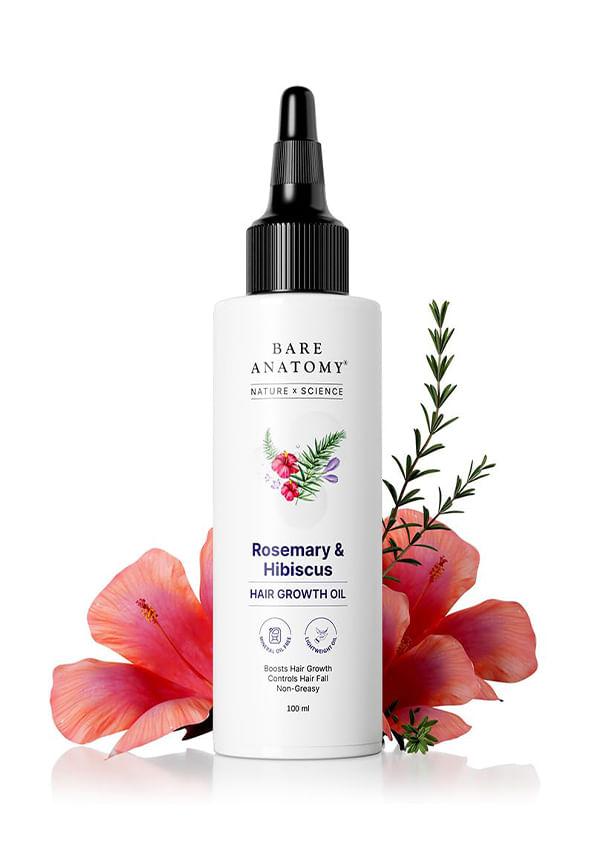
Nature x Science Rosemary Hibiscus Hair Growth Oil
If your beard grows at a snail's pace or the hair feels thin and weak, you need oils rich in strengthening ingredients like biotin, keratin proteins, and vitamin E. These help fortify existing hair whilst encouraging faster, healthier growth.
Some guys are blessed with thick growth but cursed with hair that feels like steel wool. Oils containing argan oil, jojoba oil, and shea butter can transform even the most stubborn facial hair into something manageable and soft.
The beard oil market is split between natural formulations and those containing synthetic growth compounds. Both have their place, but understanding the differences helps you make the right choice for your needs and skin sensitivity.
Natural options like castor oil, rosemary oil, and peppermint oil offer gentle stimulation with minimal risk of side effects. They work slower than chemical alternatives but are generally safer for long-term use and sensitive skin types.
Rosemary oil has clinical studies showing it's as effective as minoxidil for hair growth. Castor oil is packed with ricinoleic acid, which improves circulation and has anti-inflammatory properties. Peppermint oil provides a cooling sensation whilst stimulating blood flow to follicles.
Minoxidil is the gold standard for hair growth, but it comes with potential side effects like skin irritation and the need for continuous use. Peptide complexes and caffeine offer middle-ground options with fewer side effects but proven effectiveness.
Absolutely, when used correctly. Beard growth oils provide multiple benefits beyond just promoting growth — they improve skin health, reduce irritation, and make your existing beard more manageable. The key is choosing quality formulations with proven ingredients and using them consistently. Most dermatologists agree that these oils are beneficial for overall beard and skin health, even if dramatic growth results vary between individuals.
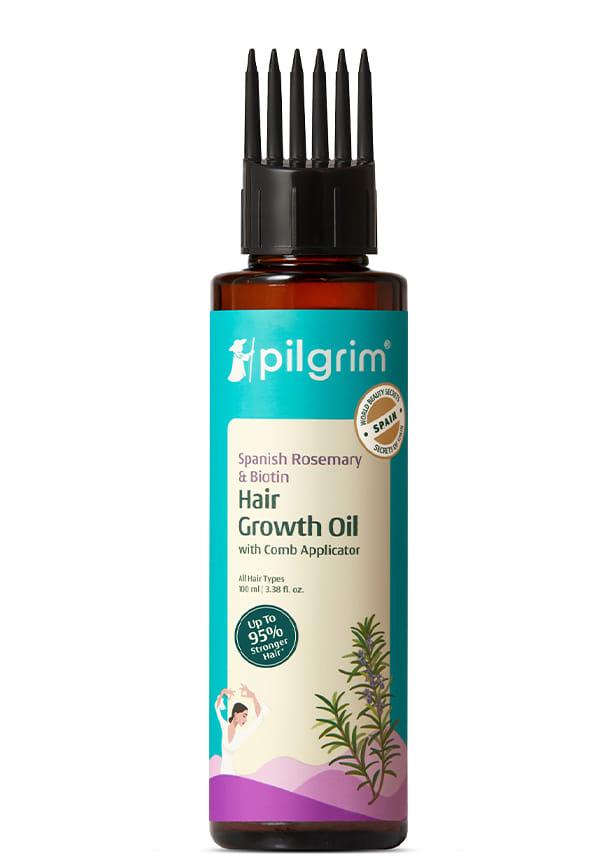
Spanish Rosemary & Biotin Hair Growth Oil
Daily use is not only okay but recommended for best results. Your skin and hair follicles need consistent nourishment to maintain optimal health and growth. However, start with once daily if you have sensitive skin and gradually increase to twice daily. Watch for signs of over-application like clogged pores or excessive greasiness, which indicate you're using too much product rather than applying too frequently.
The 3-day rule suggests waiting at least three days after shaving before applying beard growth oil to avoid irritation on freshly shaved skin. This gives your skin time to recover and reduces the risk of the oil clogging pores or causing breakouts. However, this rule is more relevant for sensitive skin types — most people can start using beard oil immediately after the initial stubble appears.
Generally yes, but quality matters enormously. Look for oils from reputable brands that list all ingredients clearly and avoid products with harsh chemicals or unknown additives. Patch test new products on a small area first, especially if you have sensitive skin or known allergies. Natural formulations are typically safer for long-term use than those containing synthetic growth compounds.
Beard growth oil can help with patchy areas, but results depend on the underlying cause of the patchiness. If it's due to poor circulation, dry skin, or damaged follicles, targeted oil application can make a real difference over 8-12 weeks. However, if the patches are due to genetics or hormonal factors, oils might improve the health and appearance of existing hair without necessarily filling in completely bare spots.
Most users start noticing improvements in beard texture and skin health within 2-3 weeks of consistent use. Actual growth improvements typically become visible around the 6-8 week mark, with more significant changes appearing after 3-4 months of regular application. Remember, hair growth is a slow process — anyone promising overnight results is probably overselling their product.
Mild side effects can occur, particularly with products containing active growth compounds. Common issues include skin irritation, clogged pores, or allergic reactions to specific ingredients. Essential oils like peppermint or tea tree can cause sensitivity in some users. Always patch test new products and discontinue use if you experience persistent irritation, redness, or breakouts.
Definitely. In fact, starting early in your beard journey can set you up for better long-term results. Short beards benefit from the skin conditioning properties of these oils, which create a healthier foundation for future growth. Use smaller amounts and focus on massaging the oil into the skin rather than just coating the hair.
Beard growth oils aren't miracle workers, but they're definitely worth trying if you're serious about improving your beard game. The benefits extend far beyond just growth — you're looking at healthier skin, more manageable hair, and protection against daily damage. The key is choosing quality formulations with proven ingredients and sticking with a consistent routine for at least 8-12 weeks before judging results.
Remember, everyone's beard journey is different. What works brilliantly for your mate might not suit your skin type or growth pattern. Start with natural formulations if you have sensitive skin, and don't be afraid to experiment with different brands until you find your perfect match.
Not sure which beard growth oil might work for your specific needs? Smytten offers trial-size versions of many popular beard care products — a smart way to test different formulations before committing to full bottles. After all, finding the right beard oil is just as personal as finding the right beard style.
