Beard Styles for Men FAQ: Popular Types & Grooming


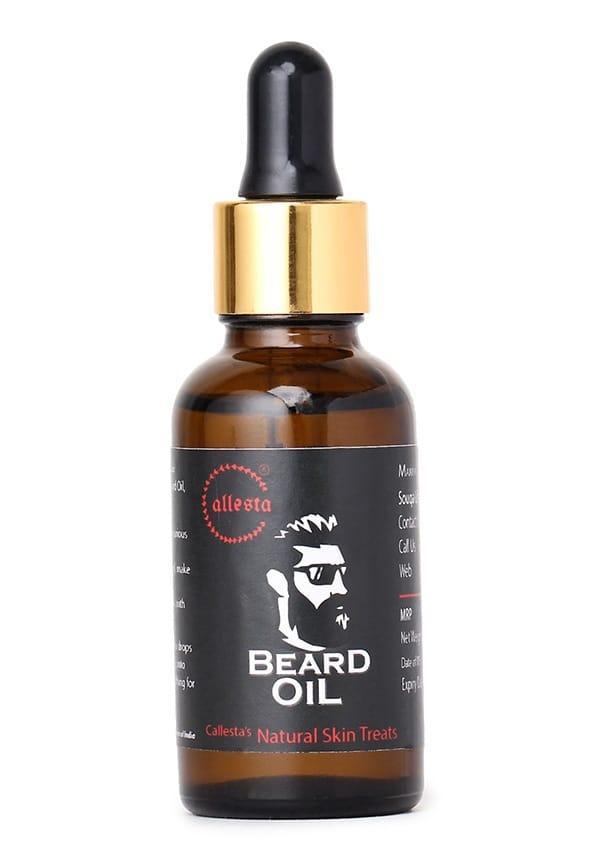
Mard By Beard Oil
You've been scrolling through Instagram, seeing those perfectly groomed beards everywhere, and suddenly your clean-shaven face feels a bit... incomplete. Maybe it's time to join the bearded brotherhood? But where do you even start with all those different beard styles for men out there? From the barely-there stubble to the full lumberjack look, choosing the right style can feel overwhelming. Let's break down everything you need to know about popular beard types, grooming techniques, and finding your perfect match.
The beard game has seriously evolved, and 2026 is bringing some fresh takes on classic styles. Whether you're after something low-maintenance or ready to commit to serious grooming, there's definitely a style that'll work for your lifestyle. Let's dive into what's trending right now and why these particular looks are having their moment.
Short beard styles are your best friend if you're new to the beard world or need something office-appropriate. The stubble beard, also known as the 5 o'clock shadow, gives you that effortlessly rugged look without much commitment. It's basically 1-3 days of growth that you maintain with regular trimming. Designer stubble takes it up a notch – think slightly longer and more intentionally shaped, perfect for that "I woke up like this" vibe that actually takes some planning.
Full beard styles are where things get interesting. The classic full beard covers your entire jaw and chin area, usually requiring 4-6 weeks of growth to achieve. It's versatile, professional, and works with most face shapes. The lumberjack beard is basically the full beard's bigger, bolder cousin – think longer, bushier, and definitely more statement-making. For the truly committed, there's the yeard (year-long growth), which is exactly what it sounds like: a full year of beard growth with minimal trimming.
The Van Dyke combines a moustache with a goatee, leaving the cheeks clean-shaven. It's sophisticated and works particularly well if you have patchy cheek growth. Goatee variations range from the classic chin-only style to more modern interpretations that include the soul patch. The anchor beard resembles a ship's anchor and creates strong jawline definition.
Here's the thing about beard styles for face shape – it's not about following rigid rules, but understanding how different styles can balance your features. Your face shape is your starting point, but your personal style and lifestyle should definitely factor into the final decision. Let's break down what generally works well for different face shapes.
If you have a round face, you'll want to create some angles and length. Avoid full, rounded beards that mirror your face shape. Instead, go for styles that add vertical lines – think goatees, Van Dykes, or longer beard styles that extend below the chin. Keep the sides trimmed shorter than the bottom to create that elongating effect.
Square faces already have strong angular features, so you can afford to soften things up. Fuller, rounder beard styles work beautifully here. A classic full beard or even a well-maintained stubble can complement your natural bone structure without competing with it.
Lucky you – oval faces can pull off almost any beard style. This face shape is naturally balanced, so whether you want to go minimal with stubble or maximum with a full beard, you've got options. Use this freedom to choose based on your lifestyle and personal preference rather than face shape constraints.
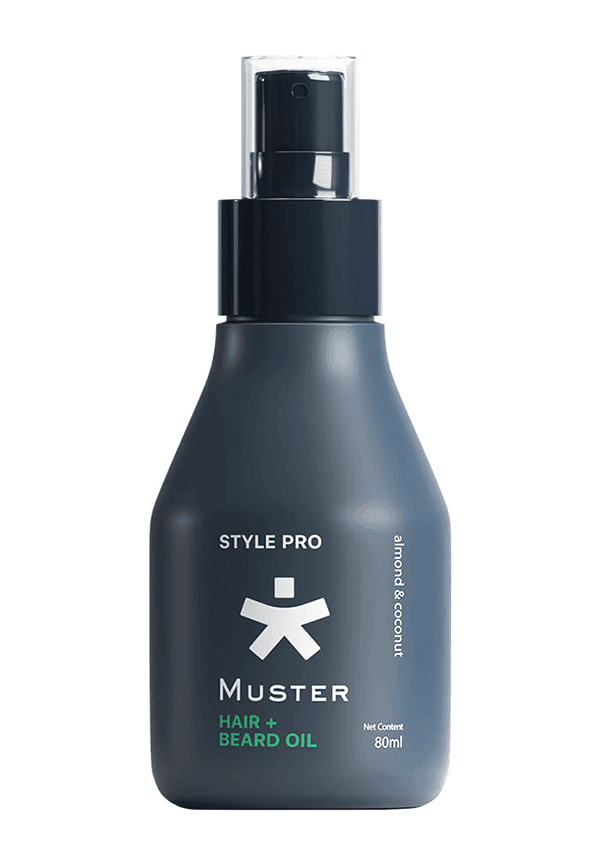
Style Pro Hair & Beard Oil
For longer faces, you'll want to add width rather than length. Fuller sides with a shorter bottom work well. Avoid long, pointed styles that emphasise length. A well-groomed full beard that's kept relatively short can add the horizontal balance you're looking for.
Growing a beard isn't just about putting down the razor and waiting. There's actually a method to the madness, and understanding the growth process can save you from making rookie mistakes that might set you back weeks. Let's walk through what you can realistically expect and how to navigate each stage.
Week 1-2 is the stubble phase – you'll look a bit scruffy, and the itching will be real. This is where most people give up, but push through. Week 3-4 brings the awkward phase where your beard looks patchy and uneven. Don't trim yet! Week 5-8 is when things start looking intentional. You can begin light shaping. Month 3+ is when you have a proper beard that you can style and shape according to your chosen look.
Your diet actually matters more than you'd think. Protein, vitamins B and D, and biotin all support healthy hair growth. Stay hydrated, get enough sleep, and try to manage stress levels. Exercise improves circulation, which can help with growth too.
Patchy growth is completely normal – some areas just grow faster than others. Resist the urge to trim the faster-growing areas to match the slower ones. The itching phase is temporary but can be managed with beard oil and gentle exfoliation. Different growth rates across your face will even out over time, so patience is key.
Proper men's beard grooming isn't just about looking good – it's about keeping your facial hair healthy and your skin underneath happy. The right tools and techniques make the difference between a beard that looks intentional and one that looks like you've given up on life. Let's talk about what you actually need versus what's just nice to have.
A quality beard trimmer with multiple length settings is non-negotiable. Look for one with sharp blades and good battery life. Sharp scissors are essential for detail work and trimming stray hairs. A boar bristle brush distributes natural oils and helps train your beard to grow in the right direction. A wide-tooth comb works well for longer beards and helps with styling.
When trimming a beard, always start with a longer setting than you think you need – you can always go shorter. Trim against the grain for an even cut, but be gentle. Define your neckline by imagining a line from ear to ear, passing about two fingers above your Adam's apple. Clean up the cheek line, but don't go too high – it should look natural.
A professional barber can help establish your initial shape and teach you maintenance techniques. They're particularly valuable when you're changing styles or dealing with problem areas. For daily maintenance, you can definitely handle things yourself once you know what you're doing.
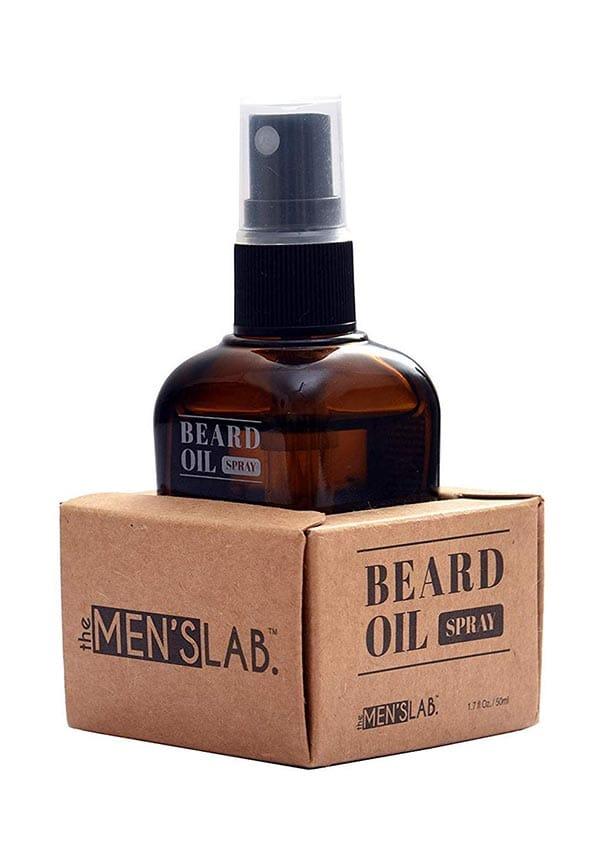
Beard Oil
Beard maintenance doesn't have to be complicated, but consistency is everything. A good routine keeps your beard looking intentional and your skin healthy. The key is finding a balance between enough care to look groomed and not so much that it becomes a chore you'll skip.
Start by rinsing your beard with lukewarm water to remove any overnight buildup. Apply a few drops of beard oil to damp hair, working it through with your fingers and down to the skin. Brush or comb your beard in the direction you want it to lay. Quick trim of any obvious stray hairs if needed.
Once a week, give your beard a proper wash with beard-specific shampoo. Regular hair shampoo can be too harsh and strip natural oils. Follow with a beard conditioner if you have longer facial hair. This is also when you should do any serious trimming or shaping.
Winter beards need more moisture due to dry air and indoor heating. Summer beards might need more frequent washing due to increased sweating and oil production. Adjust your routine based on how your skin and hair respond to seasonal changes.
Not all facial hair is created equal, and what works for your mate might not work for you. Understanding your hair type helps you choose realistic styles and set appropriate expectations. Let's break down how different hair textures affect your beard style options and grooming approach.
Curly facial hair tends to look fuller faster, which can be great for achieving volume. However, it can also look unruly without proper care. Regular conditioning and beard oil are essential. Styles that work with the natural texture rather than fighting it tend to look best. Fuller styles often work better than precise, sharp lines.
Fine facial hair can look sparse, especially in the early growth stages. Patience is crucial here – what looks patchy at 2 weeks might look full at 8 weeks. Avoid over-trimming, which can make fine hair look even thinner. Beard oils and balms can add texture and make fine hair appear fuller.
Some workplaces have specific grooming standards, so factor this into your style choice. Generally, well-maintained shorter styles are more universally acceptable in professional settings. If you're in a creative field, you might have more freedom to experiment with longer or more unique styles.
The biggest trends this year are refined natural looks – think well-groomed full beards that look effortless but are actually carefully maintained. Short beard styles like designer stubble remain popular for their versatility. There's also been a resurgence of classic styles like the Van Dyke and well-shaped goatees, especially among younger men looking for something distinctive but not too bold.
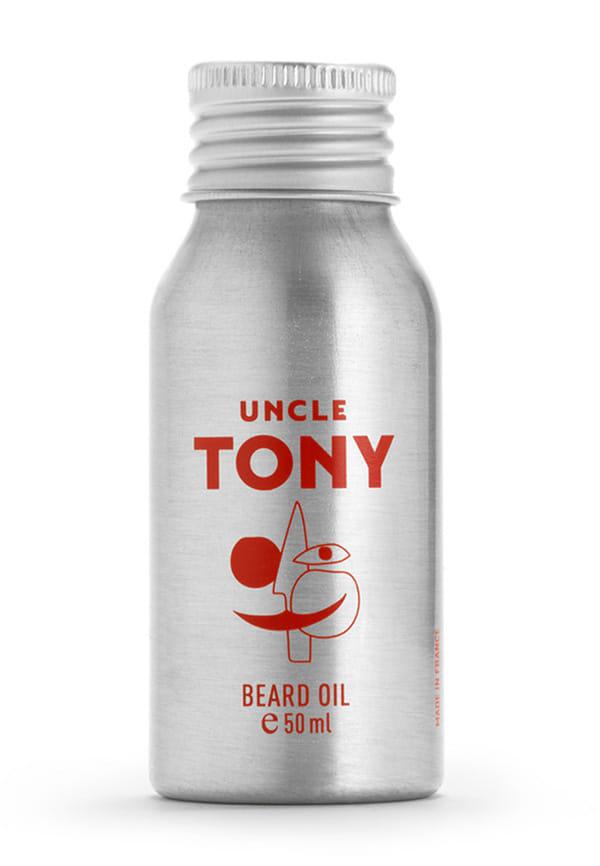
Beard Oil
Stubble appears within 1-3 days, designer stubble takes about a week, and a short full beard needs 4-6 weeks. A proper full beard requires 2-3 months of growth, while longer styles like the lumberjack can take 6 months or more. Remember, growth rates vary significantly between individuals, so these are general guidelines rather than strict timelines.
Absolutely! Most style changes just involve strategic trimming rather than complete removal. Going from a full beard to a goatee, for example, just means shaving the cheeks and keeping the chin area. However, going from a short style to a longer one will require some patience as you grow out the length.
There aren't strict age rules for beard styles, but some general guidelines can help. Younger men often prefer shorter, more experimental styles. Men in their 30s and 40s frequently opt for classic full beards or professional shorter styles. Older gentlemen might choose distinguished looks like well-maintained full beards or refined goatees. Ultimately, choose what makes you feel confident.
Research suggests that medium-length beards (about 10 days of growth) are often rated as most attractive, but personal preference varies widely. The most attractive beard is one that's well-maintained, suits your face shape, and matches your personality. Confidence in your choice matters more than following trends.
Patchy growth is incredibly common and often improves with time. Let it grow for at least 6-8 weeks before making decisions about coverage. Some patches fill in as surrounding hair gets longer. If patchiness persists, choose styles that work with your growth pattern rather than against it. Goatees, for example, work well if you have strong chin growth but weaker cheek coverage.
For most men, daily beard oil use is beneficial, especially if you have dry skin or live in a dry climate. Start with a few drops and adjust based on how your skin and beard respond. If your beard feels greasy or your skin breaks out, you might be using too much or need to reduce frequency.
You can definitely maintain your own beard once you know the basics, but seeing a professional initially can be valuable. A good barber can help establish the right shape for your face and teach you maintenance techniques. For major style changes or if you're struggling with shaping, professional help is worth the investment.
Finding the right beard style is part science, part art, and part personal preference. Your face shape provides a good starting point, but your lifestyle, hair type, and personal style should all factor into the decision. Remember that growing a great beard takes patience – most styles need at least 4-6 weeks to really take shape, and some require months of commitment.
The key to any successful beard style is consistent maintenance. This doesn't mean spending hours in front of the mirror every day, but it does mean establishing a routine that keeps your beard looking intentional rather than accidental. Whether that's a quick morning brush and oil application or a weekly trimming session, consistency beats perfection every time.
Don't be afraid to experiment, especially when you're starting out. Facial hair grows back, so if something doesn't work, you haven't lost much time. The most important thing is choosing a style that makes you feel confident and fits into your daily life. After all, the best beard style is one you'll actually maintain. If you're exploring beard care products and want to try before committing to full sizes, Smytten offers trial-size versions of many grooming essentials – a smart way to find what works for your specific beard type and skin needs.
