Ayurvedic Treatment for Hair Loss in Men FAQ: Your Questions Answered
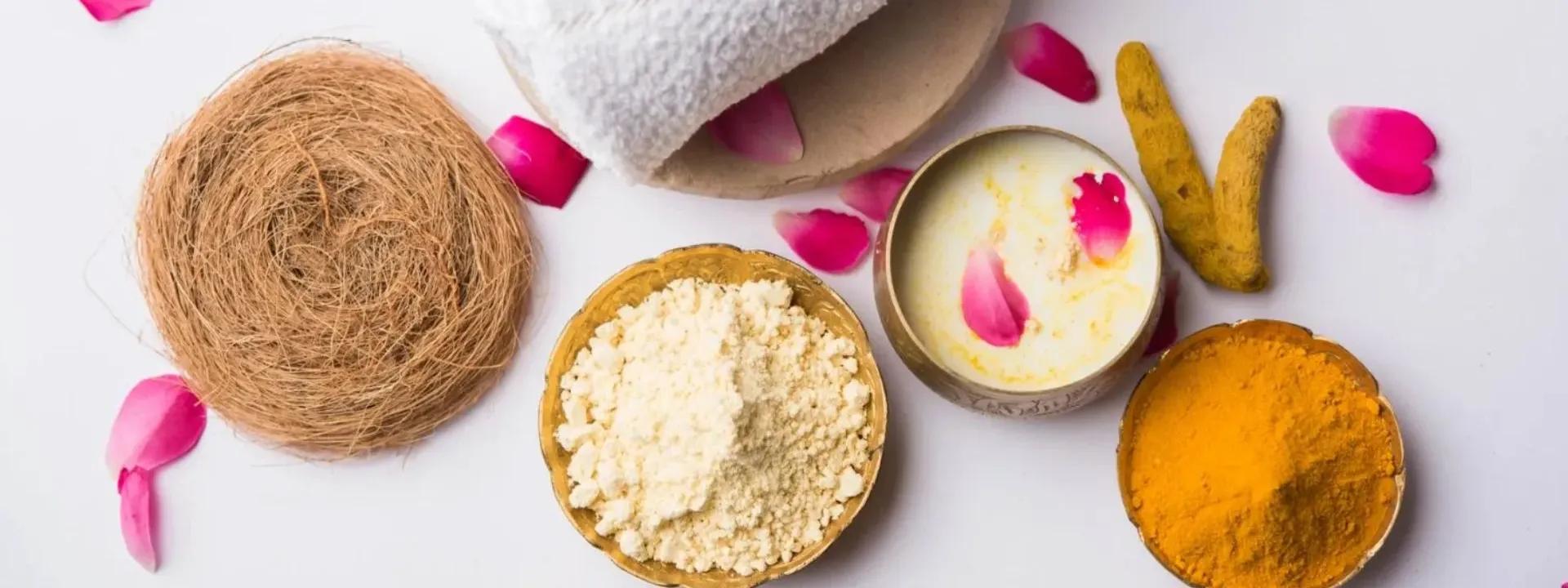

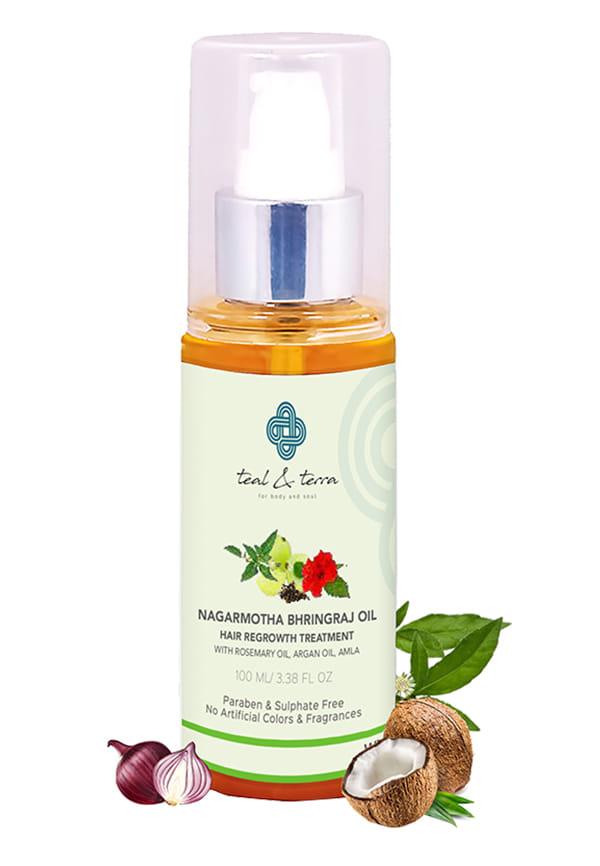
Nagarmotha Bhringraj Oil Hair Regrowth Treatment
Picture this: you're getting ready for work, running your fingers through your hair, and suddenly you notice more strands coming away than usual. The hairline that used to be sharp is now looking a bit softer around the edges. If this sounds familiar, you're definitely not alone. Male pattern baldness affects around 50% of men over 50, but here's the thing — it can start much earlier. While modern medicine offers solutions, many guys are turning to ayurvedic treatment for hair loss in men, seeking natural approaches that work with the body rather than against it. Let's dive into what Ayurveda actually says about hair loss and whether these ancient remedies can help you keep what you've got (and maybe even get some back).
Ayurveda doesn't just look at hair falling out and think "let's stop that." Instead, it digs deeper into why your body is letting go of hair in the first place. According to this 5,000-year-old system, everything in your body is governed by three doshas — Vata (air and space), Pitta (fire and water), and Kapha (earth and water). When these are balanced, your hair stays put. When they're not? Well, that's when things start getting patchy.
Your scalp health ayurveda-style depends on which dosha is calling the shots. Vata imbalance typically shows up as dry, brittle hair that breaks easily. You might notice your scalp feels tight or flaky. Pitta imbalance, on the other hand, often leads to premature greying, thinning around the temples, and that classic receding hairline. Kapha imbalance usually means oily scalp conditions, but when it's severely out of whack, it can also contribute to hair thinning. The key is figuring out which dosha is your main troublemaker.
Modern medicine points to DHT (dihydrotestosterone) as the main villain in male pattern baldness. Ayurveda doesn't disagree, but it asks a different question: why is your body producing too much DHT or becoming overly sensitive to it? The androgenetic alopecia ayurvedic approach suggests that hormonal imbalances often stem from deeper issues — poor digestion, chronic stress, or toxin buildup. Rather than just blocking DHT, Ayurveda aims to restore the internal balance that keeps your hormones in check naturally.
When it comes to natural hair regrowth remedies, Ayurveda has been testing herbs for centuries. These aren't just random plants someone decided to rub on their scalp — they're carefully selected based on their ability to address specific imbalances that lead to hair loss. The beauty of these hair strengthening herbs is that they work on multiple levels, from improving circulation to balancing hormones.
Bhringraj literally translates to "king of herbs" for hair, and it's earned that title. This powerhouse herb is particularly effective for hair thinning treatment ayurveda-style because it directly nourishes hair follicles and improves scalp circulation. Amla, packed with vitamin C, acts as a natural antioxidant that protects hair follicles from damage while promoting growth. Neem rounds out the trio by keeping your scalp clean and free from the infections that can worsen hair loss.
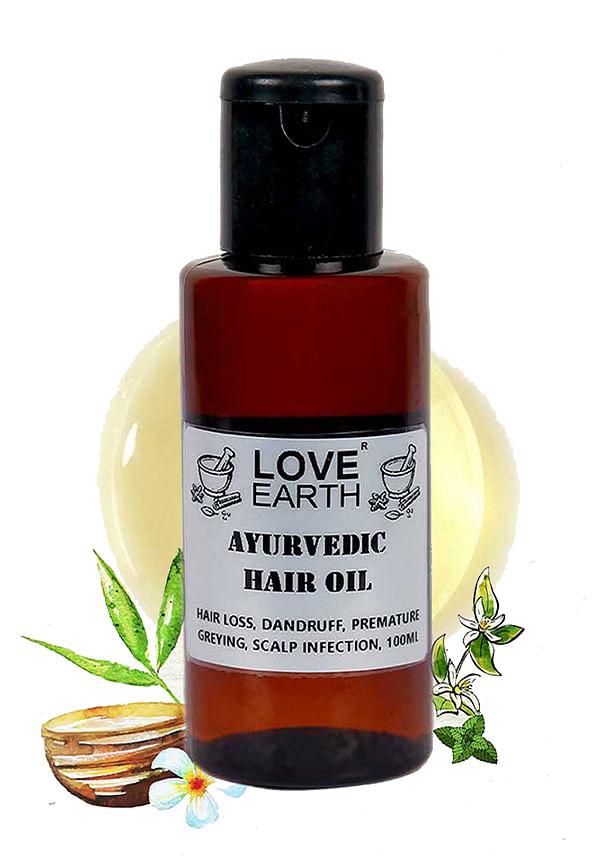
Ayurvedic Hair Oil
Stress is a massive factor in male hair loss, and that's where adaptogens come in. Ashwagandha helps your body manage cortisol levels, which can otherwise wreak havoc on your hair growth cycle. Brahmi improves blood circulation to the scalp while also supporting nerve health — crucial for maintaining strong hair follicles. Fenugreek seeds contain compounds that may help block DHT naturally, making them a smart addition to any herbal hair fall solutions routine.
Beyond the popular herbs, Ayurveda offers some interesting options. Hibiscus flowers aren't just pretty — they're loaded with amino acids and vitamins that can help prevent premature greying and strengthen hair shafts. Curry leaves boost melanin production, which keeps your hair colour vibrant. And yes, onion juice might make you cry, but its sulfur compounds can genuinely help with hair regrowth when used consistently.
Oil massage isn't just a relaxing spa treatment in Ayurveda — it's serious medicine. The right ayurvedic hair oil for men can penetrate deep into the scalp, nourishing follicles and improving circulation. But here's the catch: not all oils work for everyone. Your dosha type determines which oil will actually help versus just sitting on your scalp doing nothing.
If you're predominantly Vata (dry skin, tends to feel cold, irregular appetite), warm sesame oil infused with Brahmi is your best bet. The warming quality counteracts Vata's cold, dry nature. Pitta types (oily skin, runs hot, strong appetite) need cooling oils like coconut oil with Amla to calm inflammation. Kapha types (combination skin, steady appetite, tends to gain weight easily) benefit from lighter oils like mustard oil with fenugreek that won't clog pores.
You can absolutely make your own hair oils at home, but there's something to be said for professionally prepared formulations. Brands like Indulekha and Kottakkal have spent years perfecting their ratios and extraction methods. If you're going the DIY route, make sure you're sourcing quality herbs and following proper preparation methods. The oil needs to be heated gently to extract the active compounds without destroying them.
Sometimes, preventing male pattern baldness naturally requires more than just herbs and oils. Ayurveda offers several specialized therapies that target hair loss from different angles. These treatments work by improving circulation, reducing stress hormones, and directly nourishing the scalp and hair follicles.
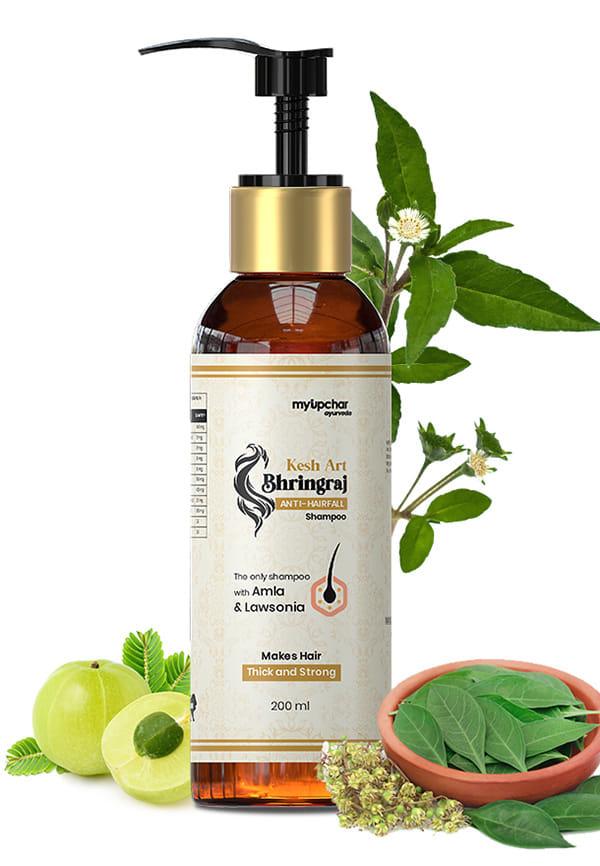
Ayurveda KeshArt Bhringraj Anti-Hairfall Shampoo with Amla & Lawsonia
Shiroabhyanga is essentially a deep scalp massage using specific techniques and medicated oils. It's not just relaxing — it actually stimulates blood flow to hair follicles and helps oils penetrate deeper. Shirodhara involves pouring a steady stream of warm oil over the forehead and scalp, which helps reduce stress hormones that contribute to hair loss. Nasya, where medicated oils are administered through the nostrils, might sound odd, but it's designed to improve circulation to the scalp and balance the doshas affecting hair health.
External treatments only go so far. Real change often requires internal medicine. Triphala, a combination of three fruits, helps improve digestion and eliminate toxins that can interfere with nutrient absorption. Many Ayurvedic practitioners create customized herbal formulations based on your specific constitution and imbalances. The timing and dosage matter too — some herbs work better on an empty stomach, while others need to be taken with food.
Your hair is basically a reflection of your overall health, so it makes sense that what you eat and how you live affects how much of it you keep. Ayurvedic nutrition for hair health isn't about following the latest diet trend — it's about eating in a way that supports your specific constitution while providing the nutrients your hair follicles need to thrive.
Protein is non-negotiable for hair health, but Ayurveda emphasizes easily digestible sources like lentils, quinoa, and sprouted grains over heavy meats that can create toxins if not properly digested. Iron and zinc are crucial minerals for hair growth — think sesame seeds, pumpkin seeds, and leafy greens. What you avoid matters too. Excessive spicy, oily, or processed foods can aggravate Pitta dosha and contribute to hair loss.
Chronic stress is like kryptonite for your hair. Meditation and pranayama (breathing exercises) aren't just feel-good activities — they actively reduce cortisol levels that can push hair follicles into the resting phase prematurely. Sleep quality matters too. Ayurveda recommends going to bed before 10 PM when Kapha dosha is dominant, which promotes deeper, more restorative sleep.
Real talk — Ayurveda can definitely help slow hair loss and improve the health of existing hair, but completely regrowing hair in areas where follicles have been dormant for years is challenging with any treatment, natural or otherwise. The earlier you start, the better your chances. If you're dealing with recent thinning or early-stage hair loss, ayurvedic remedies for baldness can be quite effective. For advanced hair loss, Ayurveda works best as part of a comprehensive approach that might include modern treatments too.
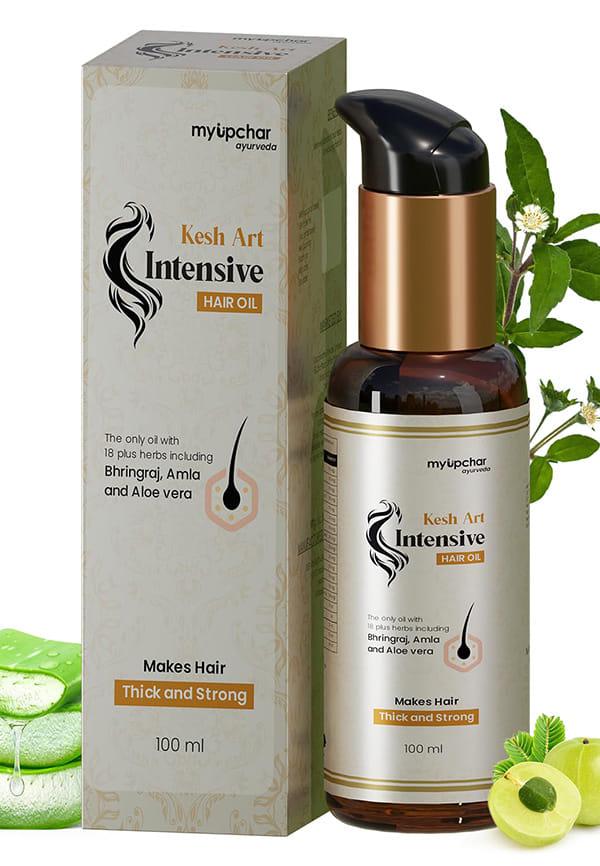
Ayurveda Kesh Art Bhringraj Hair Oil for Hair Growth | Control Hair Fall & Dandruff
There's no one-size-fits-all answer because Ayurveda is all about personalized medicine. What works for your friend might not work for you if you have different dosha imbalances. That said, some commonly effective formulations include Bhringrajasava (a fermented preparation), Neelibhringadi oil, and customized herbal powders containing Bhringraj, Amla, and Brahmi. The best approach is to consult with a qualified Ayurvedic practitioner who can assess your specific constitution and create a targeted treatment plan.
The most effective approach often combines the best of both worlds. Ayurvedic treatments excel at addressing root causes like hormonal imbalances, poor circulation, and stress, while modern treatments like minoxidil can provide more immediate results. Many guys find that using ayurvedic hair oil for men alongside proven modern treatments gives them better results than either approach alone. The key is finding a balance that works for your lifestyle and comfort level.
Natural hair regrowth requires patience and consistency. Start with a dosha-specific oil massage 2-3 times per week, incorporate hair-healthy foods into your diet, and manage stress through meditation or exercise. Consider internal herbal supplements like Triphala for overall health and specific hair-supporting herbs based on your constitution. Most importantly, set realistic expectations — natural methods work gradually, often taking 3-6 months to show noticeable results.
Generally, ayurvedic treatments are much gentler than chemical alternatives, but that doesn't mean they're completely risk-free. Some people might experience scalp irritation from certain oils, especially if they have sensitive skin. Internal herbs can sometimes cause digestive upset if not taken properly. Always do a patch test before applying new oils to your entire scalp, and start with smaller doses of internal medicines to see how your body responds.
Patience is definitely required with natural treatments. Most people start noticing reduced hair fall within 4-6 weeks of consistent treatment. New growth typically becomes visible around the 3-4 month mark, with significant improvement usually seen after 6-12 months. The timeline depends on factors like the severity of hair loss, your overall health, consistency with treatments, and how well the chosen remedies match your constitution.
Ayurvedic treatment for hair loss in men offers a holistic approach that addresses root causes rather than just symptoms. While it requires patience and consistency, many guys find that natural methods provide sustainable results without the side effects of chemical treatments. The key is understanding your dosha type and choosing treatments that work with your body's natural tendencies rather than against them.
Whether you're dealing with early thinning or more advanced hair loss, combining the right herbs, oils, lifestyle changes, and stress management techniques can make a real difference. Remember, the goal isn't just to stop hair loss — it's to create the internal balance that supports healthy hair growth long-term.
If you're curious about trying some of these ayurvedic approaches, Smytten offers trial-size versions of many herbal hair care products — a smart way to test what works for your hair type before investing in full-size bottles. After all, finding the right natural hair regrowth remedies is often about experimenting to see what clicks with your unique constitution.
