Argan Oil for Hair: Your Complete Guide to Luscious Locks


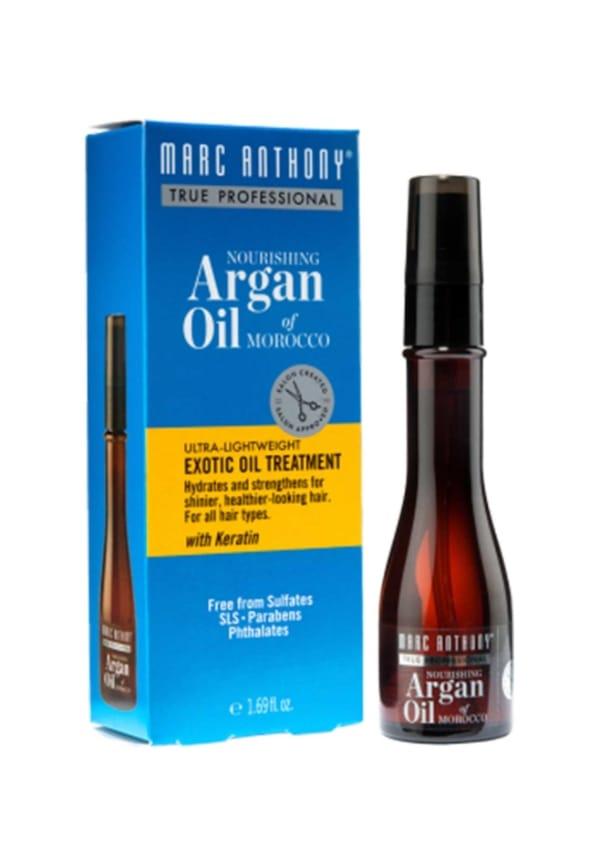
Nourishing Argan Oil Exotic Oil Treatment
Let's be real—your hair deserves better than just surviving another day. If you've been scrolling through endless haircare content, you've probably stumbled across argan oil being called "liquid gold." And honestly? That's not just clever marketing. This Moroccan treasure has been transforming hair for centuries, and it's about time you discovered why everyone's obsessing over it. Whether you're dealing with frizzy hair, dry hair, or just want that enviable hair shine, argan oil might just become your new fave. Ready to dive into everything you need to know about argan oil for hair? Let's get into it.
Picture this: deep in the heart of Morocco, there's a tree that only grows in one place on Earth. The argan tree produces nuts that, when cold-pressed, create one of the most coveted hair oils in the beauty world. This isn't just another trendy ingredient—it's been a beauty secret for Moroccan women for over 800 years. What makes argan oil so special? It's packed with vitamin E, essential fatty acids, and antioxidants that your hair absolutely craves. Unlike heavier oils that can weigh your hair down, argan oil has this incredible ability to penetrate the hair shaft without leaving that greasy residue we all hate. The argan oil benefits come from its unique molecular structure—it's lightweight enough for fine hair but nourishing enough for thick, coarse textures. Science backs this up too. Research shows that argan oil's high concentration of oleic and linoleic acids helps repair damaged hair cuticles, whilst its antioxidants protect against environmental damage. That's why it's earned its "liquid gold" status—it's genuinely rare, incredibly effective, and worth every penny.
Here's where things get exciting. Argan oil for hair isn't a one-trick pony—it's basically the Swiss Army knife of haircare. Let's break down what this wonder oil can actually do for your locks. First up, hydration. If you're dealing with dry hair that feels more like straw than silk, argan oil is your new best friend. It doesn't just sit on top of your hair like some oils do—it actually penetrates deep into the hair shaft, delivering moisture where it's needed most. This makes it an incredible hair treatment for anyone struggling with dryness.
Tired of looking like you've been electrocuted every time the humidity rises? Argan oil creates a protective barrier around each hair strand, sealing the cuticle and preventing moisture from escaping. This means less frizzy hair and more smooth, manageable locks.
If you're someone who can't live without their straightener or curling iron, argan oil acts as a natural heat protectant. It forms a protective layer that shields your hair from temperatures up to 200°C. Plus, it helps repair existing damage from previous heat styling sessions.
Healthy hair starts with a healthy scalp, and argan oil's anti-inflammatory properties help soothe irritation whilst promoting better scalp health. Regular scalp massages with argan oil can improve circulation, potentially supporting hair growth. The best part? These benefits work for literally every hair type. Fine hair gets lightweight moisture without the weight, thick hair gets the deep nourishment it craves, and curly hair gets defined, bouncy curls without the crunch.
Let's settle this once and for all. With so many hair oils on the market, how do you know which one's worth your time and money? Coconut oil might be having a moment, but here's the thing—it can actually be too heavy for many hair types and may cause protein overload. Argan oil, on the other hand, has a much lighter molecular weight, making it suitable for fine hair that coconut oil would weigh down.
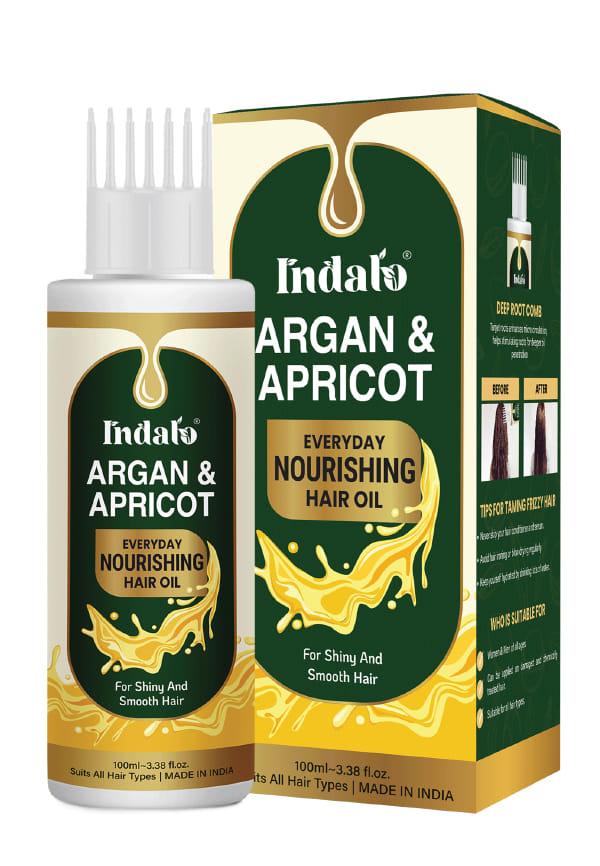
Argan & Apricot Hair Oil
Good product
 5
5“Ease of use with the applicator and nourishes hair decently.”
Perfect & Long Lasting
5“perfect for any occasions, long lasting”
Amazing Value
5“Great product for a steal deal”
Castor oil is brilliant for hair growth because of its ricinoleic acid content, but it's incredibly thick and can be difficult to wash out. Argan oil gives you growth benefits without the hassle—it's much easier to apply and won't leave your hair looking greasy.
Jojoba oil is technically a wax, not an oil, and whilst it's great for mimicking your scalp's natural sebum, it doesn't offer the same level of damage repair that argan oil provides. Think of jojoba as maintenance and argan as treatment. The verdict? If you could only choose one hair oil, argan oil gives you the most bang for your buck. It's versatile, effective, and plays well with other products.
Right, now for the fun part—actually using this liquid gold. The way you apply argan oil can make or break your results, so let's get this right. For a proper hair treatment, start with damp (not soaking) hair. Take 2-3 drops for short hair, 4-5 for medium length, and 6-8 for long hair. Warm it between your palms and work it through your mid-lengths to ends, avoiding the roots unless you're specifically treating your scalp.
This is where argan oil really shines. Apply it generously to dry hair 30 minutes before washing. Focus on the ends and any particularly damaged areas. This pre-treatment helps prevent your shampoo from stripping away too much moisture.
For daily use, apply a tiny amount to damp hair after washing. This works brilliantly as a hair serum, adding hair shine and protection without weighing your hair down. Remember—less is more with argan oil.
For scalp health and potential hair growth benefits, warm a few drops between your palms and massage into your scalp using circular motions. Do this 2-3 times a week for best results. The key is consistency. You won't see overnight miracles, but with regular use, you'll notice softer, shinier, more manageable hair within 2-3 weeks.
Let's get specific about how argan oil tackles your biggest hair headaches. Because let's face it, we all have that one hair issue that drives us absolutely mad. For frizzy hair, the trick is in the application. Apply argan oil to damp hair, scrunch gently, and let it air dry. The oil helps seal the hair cuticle, preventing humidity from causing chaos. If you're dealing with particularly stubborn frizz, try the "praying hands" method—smooth the oil down your hair strands rather than scrunching.
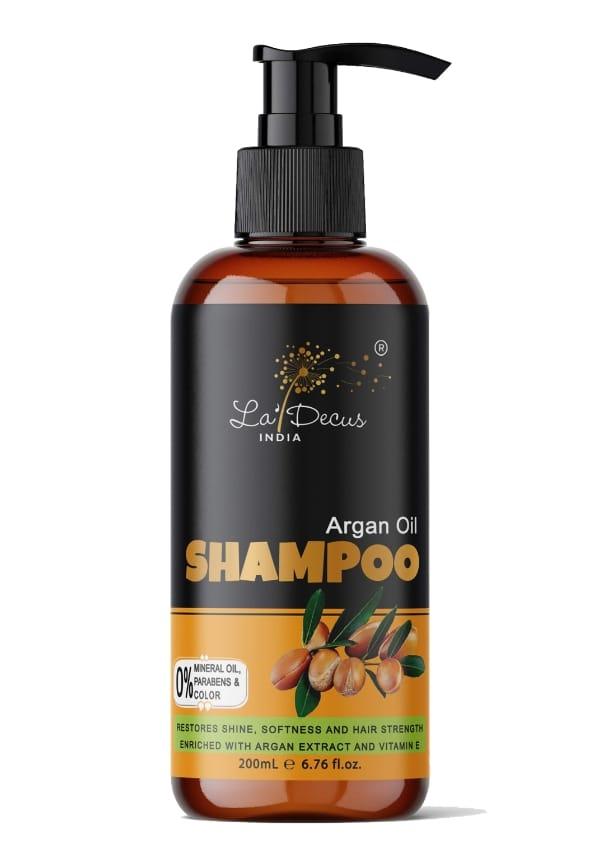
Argan oil Shampoo
If your hair feels like it could start a fire from friction alone, you need a more intensive approach. Try an overnight treatment once a week—apply argan oil generously to dry hair, braid it loosely, and sleep with a silk pillowcase. Wash it out in the morning for incredibly soft, hydrated hair.
Whilst nothing can truly "repair" split ends (sorry, that's just marketing fluff), argan oil can help prevent them and make existing ones less noticeable. Apply a tiny amount to your ends daily to keep them moisturised and protected.
For those hoping to boost hair growth, focus on scalp health. The vitamin E and antioxidants in argan oil help create an optimal environment for hair growth by improving circulation and reducing inflammation. With platforms like Smytten, you can actually try different argan oil formulations before committing to full-size products. This is brilliant because not all argan oils are created equal, and what works for your friend might not work for your hair type.
Before you go slathering argan oil all over your hair, let's talk safety. Whilst argan oil is generally considered one of the gentlest oils out there, there are a few things to keep in mind. The main concern is tree nut allergies. If you're allergic to tree nuts, you might want to do a patch test first. Apply a small amount to your inner wrist and wait 24 hours to see if any reaction occurs.
Poor-quality argan oil can actually cause more harm than good. If your oil smells rancid, feels too thick, or leaves a heavy residue, it's probably not pure argan oil. Good quality oil should have a light, nutty scent and absorb relatively quickly. Some people experience initial greasiness when they first start using argan oil. This usually means you're using too much—start with less than you think you need and build up gradually. If you notice any scalp irritation, increased hair fall, or other unusual symptoms, stop using the product and consult a dermatologist. Your scalp health is too important to ignore warning signs.
Not all argan oils are created equal, and choosing the wrong one can be the difference between gorgeous hair and a greasy mess. Here's what to look for when shopping for your perfect hair oil. First, check the ingredient list. Pure argan oil should have exactly one ingredient: Argania Spinosa Kernel Oil. If you see a long list of other ingredients, you're looking at a blend, not pure argan oil. Blends aren't necessarily bad, but they won't give you the full argan oil benefits.
Cold-pressed argan oil retains more of its beneficial compounds because it hasn't been subjected to high heat during processing. It might be slightly more expensive, but it's worth it for the extra potency.
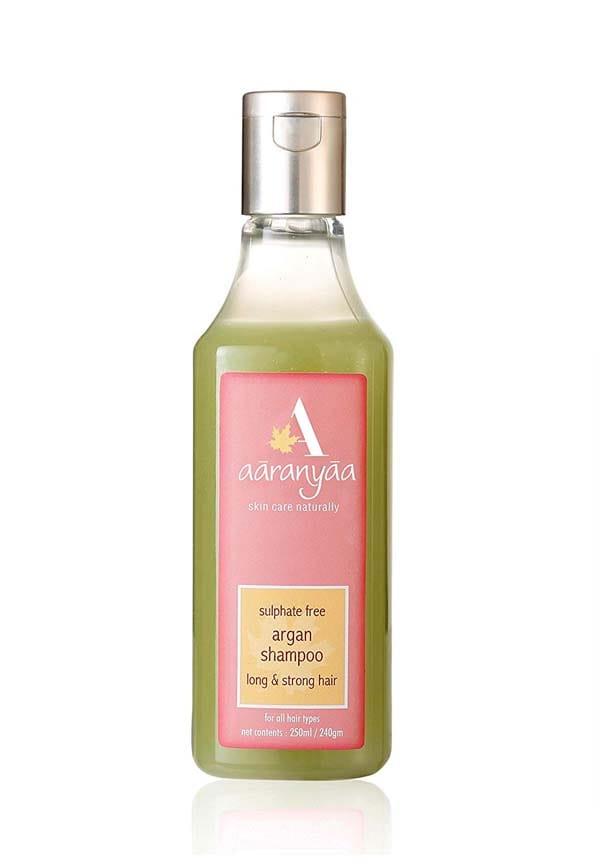
Argan Oil Shampoo
Amazing with Hard Water
5“I bought this to use with hard water. Works amazing!”
Argan oil should come in a dark glass bottle. Light and air can degrade the oil's beneficial properties, so avoid anything in clear plastic containers. Once opened, store it in a cool, dark place and use it within 12 months. The price can be a good indicator of quality, but don't assume the most expensive option is automatically the best. With trial platforms like Smytten, you can test different brands and formulations without the commitment of buying full-size products. This is particularly helpful when you're trying to find the perfect hair serum or treatment for your specific hair type.
Argan oil provides deep moisturisation, reduces frizz, adds shine, protects against heat damage, and supports scalp health. It's particularly effective for dry, damaged, or chemically treated hair, helping to restore softness and manageability whilst preventing future damage.
Both oils have their strengths. Castor oil is excellent for promoting hair growth due to its ricinoleic acid content, but it's very thick and can be difficult to wash out. Argan oil is lighter, easier to use daily, and provides more comprehensive benefits including moisture, shine, and heat protection. For most people, argan oil is more versatile and user-friendly.
Absolutely! Argan oil is brilliant for frizzy hair because it seals the hair cuticle, preventing moisture loss and humidity from causing frizz. Apply it to damp hair and let it air dry for best results. The key is using the right amount—too much can weigh hair down, whilst too little won't provide adequate frizz control.
Definitely! Argan oil works equally well for men's hair. It's particularly beneficial for men with beards, as it can soften facial hair and moisturise the skin underneath. For scalp health and hair growth support, men can benefit just as much as women from regular argan oil use.
You'll typically notice immediate improvements in hair texture and shine after the first use. For more significant changes like reduced breakage, improved scalp health, or enhanced hair growth, expect to see results after 2-4 weeks of consistent use. Remember, consistency is key with any hair treatment.
Yes, argan oil is actually excellent for coloured and chemically treated hair. It helps repair damage from processing whilst protecting the hair from further harm. The oil can help extend the life of your colour by keeping hair healthy and preventing fading caused by dryness and damage.
Argan oil truly deserves its reputation as liquid gold for hair. Whether you're battling dryness, frizz, damage, or just want healthier-looking locks, this Moroccan miracle worker delivers real results. The key is choosing quality oil, using the right amount, and being consistent with your routine. Remember, finding the perfect hair oil for your specific needs doesn't have to involve expensive trial and error. Platforms like Smytten make it possible to explore different argan oil formulations through curated trial packs from trusted brands. With over 1,500 brands available and the ability to try up to 8 minis for just ₹249, you can discover what works for your hair type without the commitment of full-size purchases. Plus, with 100% cashback on trial orders, you can explore confidently knowing you're making smart, informed choices about your haircare routine. Your hair journey is unique, and with the right argan oil in your routine, those luscious locks you've been dreaming of are definitely within reach. After all, why settle for 'maybe' when you can try it all and find what truly works for you?
