Anti Frizz Tips FAQ: Your Questions Answered


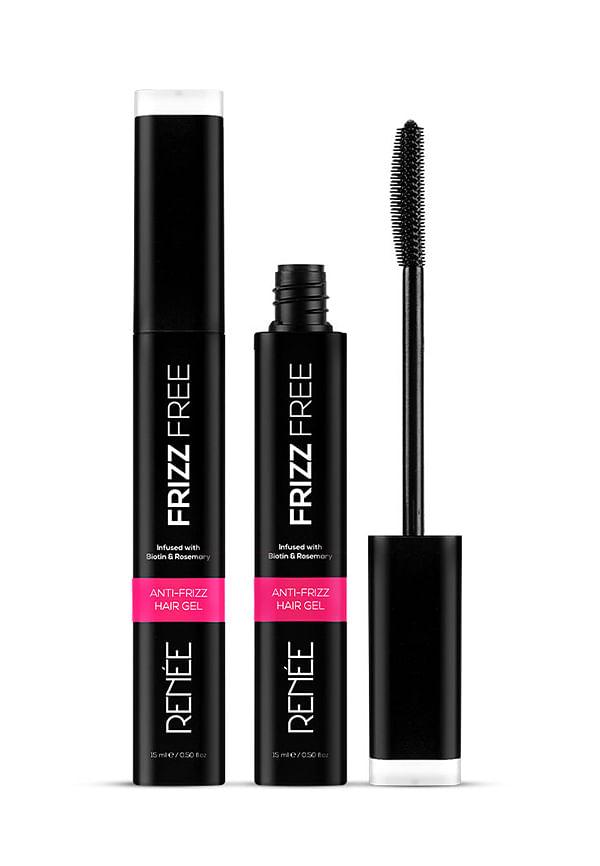
Frizz Free Anti Frizz Hair Gel
Helps set hair
 4
4“thik hai balo ko set krne me madad kr raha hai”
Helps set hair
4“thik hai balo ko set krne me madad kr raha hai”
Good Quality and Service
5“Quality is very good sarvise is very good 👍 e”
Picture this: you've spent ages perfecting your hair, only to step outside and watch it transform into a frizzy mess within minutes. Sound familiar? You're definitely not alone in this struggle. Frizzy hair can feel like an unsolvable puzzle, especially when you're bombarded with conflicting advice and endless product recommendations. Whether you're dealing with humidity-induced chaos or just naturally rebellious strands, finding the right tips for anti frizz can feel overwhelming. The good news? There are proven strategies that actually work, and we're here to break them all down for you.
Let's be real — understanding why your hair gets frizzy is half the battle won. Frizz happens when your hair cuticles (the outer layer of your hair shaft) lift up and allow moisture from the environment to penetrate the hair strand. When this happens, your hair swells and creates that dreaded frizzy texture we all know too well. Your hair's porosity level plays a massive role here. High porosity hair has gaps in the cuticle layer, making it super easy for moisture to get in and out. This means your hair can go from smooth to frizzy in seconds, especially on humid days. Low porosity hair, on the other hand, repels moisture but can still get frizzy if the cuticles are damaged. Environmental factors are major culprits too. Humidity is probably the most obvious one — when there's moisture in the air, your hair tries to balance itself by absorbing that moisture, leading to swelling and frizz. Heat damage from styling tools, chemical processing from colouring or relaxing, and even over-washing can all compromise your cuticle layer. Genetics also come into play. Some people are just born with hair that's more prone to frizz due to the natural shape and structure of their hair follicles. Curly and wavy hair types tend to be more susceptible because the irregular shape makes it harder for natural oils to travel down the hair shaft, leaving ends dry and prone to frizz.
Building a solid haircare routine is your first line of defence against frizz. The key is being gentle and strategic about every step, from washing to drying.
Start with lukewarm water instead of hot. Hot water strips your hair of natural oils and opens up the cuticles, making frizz more likely. Focus your shampoo on the scalp only — your lengths and ends don't need the harsh cleansing action.
Conditioner should go from mid-lengths to ends only. Your scalp produces natural oils, so adding conditioner there can make your roots greasy. Leave your conditioner on for at least 2-3 minutes to let it properly penetrate your hair shaft.
Most people wash their hair way too often. Aim for 2-3 times per week maximum, unless you have very oily hair or an active lifestyle. Over-washing strips your hair of protective oils, leading to dryness and frizz.
Finish your wash with a cold water rinse. This helps seal the cuticles and lock in moisture, giving you smoother, less frizzy hair. Yes, it's not the most comfortable, but your hair will thank you.
Ditch the regular towel and switch to a microfiber towel or even a cotton t-shirt. Regular towels create friction that roughens up your cuticles. Instead of rubbing, gently squeeze or blot your hair to remove excess water.
The right products can make or break your frizz control efforts. Here's what actually works and why.
Sulphates are harsh detergents that strip your hair of natural oils. Look for gentle, sulphate-free formulas that clean without over-drying. These are especially important if you have colour-treated or chemically processed hair.
These are absolute game-changers for frizz control. Apply them to damp hair, focusing on the mid-lengths and ends. They provide ongoing moisture and protection throughout the day. Look for lightweight formulas that won't weigh your hair down.
Argan oil, jojoba oil, and coconut oil are brilliant for sealing moisture and smoothing cuticles. A few drops on damp hair can work wonders. Hair serums are great for fine hair as they're typically lighter than oils but still provide excellent frizz control.
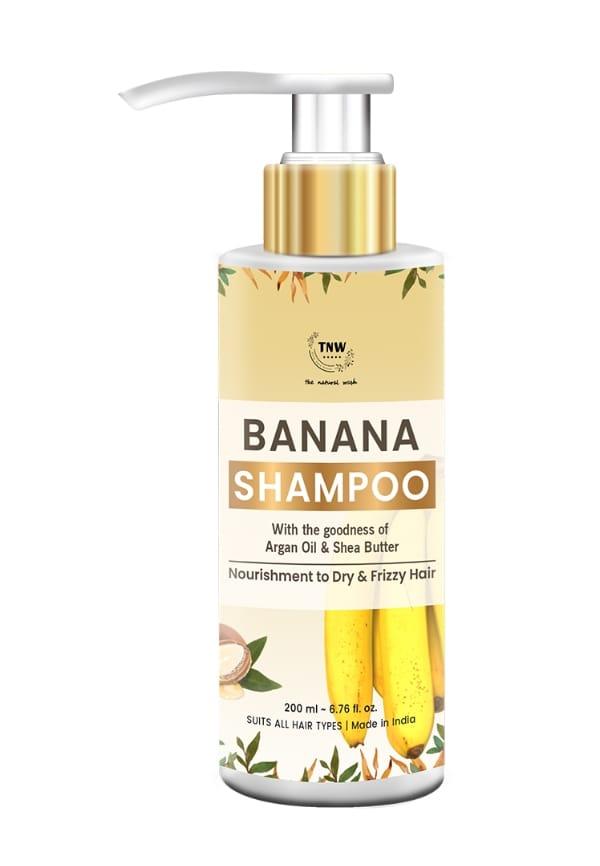
Banana Shampoo for Frizz | AntiFrizz Shampoo for All Hair Types | Banana Shampoo for Manageable Hair200ml
Excellent Product, Repurchased
5“Bahut hi accha hai maine repurchrs kia”
Great Value
4“Nice product value for the money”
Great Hair Product
5“awesome product for hair and very good in quality”
Once a week, treat your hair to a deep conditioning mask. These intensive treatments help repair damage and restore moisture balance. Look for ingredients like keratin, protein, or natural oils.
If you use any heat styling tools, a heat protectant is non-negotiable. These products create a barrier between your hair and the heat, preventing damage that leads to frizz.
Sometimes you need instant results, and these quick fixes have got your back.
Wet your hands slightly and gently smooth them over your hair. The tiny bit of moisture can help tame flyaways and minor frizz without making your hair look wet.
A tiny drop of hair oil or serum on your palms, rubbed together and gently pressed onto frizzy areas can provide immediate smoothing. Focus on the ends and avoid the roots.
Braid damp hair loosely before bed for gentle waves without frizz. Or try the "plopping" method — wrap damp, product-laden hair in a t-shirt for 10-20 minutes to enhance natural texture while reducing frizz.
Keep a small bottle of diluted leave-in conditioner or anti-frizz spray in your bag for emergency touch-ups. Mix a small amount of leave-in conditioner with water in a spray bottle for an instant frizz-fighter.
Sleep on a silk or satin pillowcase, or wrap your hair in a silk scarf. These smooth surfaces create less friction than cotton, helping prevent overnight frizz formation.
Humidity doesn't have to be your hair's worst enemy. With the right preparation, you can maintain smooth hair even on the most humid days.
On humid days, use extra leave-in conditioner and anti-frizz products. Create a moisture barrier before the humidity hits. Apply products to slightly damp hair for better distribution and effectiveness.
Braids, buns, and other updos can protect your hair from humidity while looking chic. These styles keep your hair contained and reduce exposure to moisture in the air.
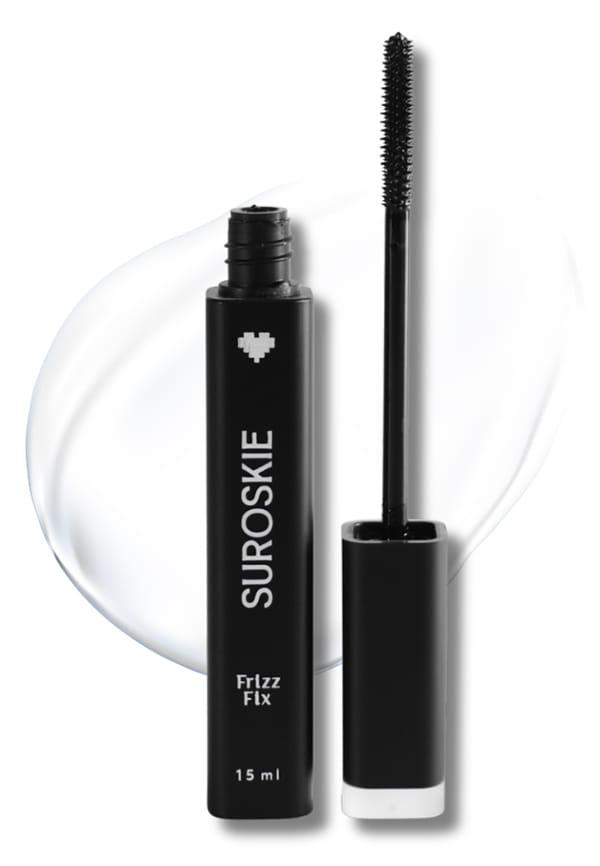
Anti Frizz Hair Stick
Layer your products strategically: start with a leave-in conditioner, add a light oil or serum, and finish with an anti-humidity spray. Each layer adds protection without weighing your hair down.
Your routine might need tweaking based on the season. Summer calls for lighter products and more frequent deep conditioning, while winter might require richer, more moisturising formulas.
When travelling to different climates, research the humidity levels and adjust your routine accordingly. Pack travel-sized versions of your essential anti-frizz products.
Heat styling doesn't have to equal frizzy hair if you do it right.
Use a diffuser attachment for curly hair to distribute heat evenly and reduce frizz. For straight hair, use a round brush and blow-dry in sections, always directing the airflow down the hair shaft to smooth the cuticles.
Lower heat settings are your friend. Most hair types don't need the highest heat setting. Fine hair should stay below 300°F, while thicker hair can handle up to 350°F. Always use heat protectant products.
For natural texture, try the "plopping" method or use a microfiber towel to gently squeeze out excess water. Apply your styling products to damp hair and let it air dry for the least amount of heat damage.
If you must use straighteners or curling irons, make sure your hair is completely dry first. Wet hair and heat tools are a recipe for serious damage. Use the lowest effective temperature and work quickly.
Try heatless curling methods like foam rollers, braids, or pin curls. These techniques give you styled hair without any heat damage, reducing your overall frizz risk.
While you can't permanently change your hair's natural texture, you can significantly reduce frizz through consistent care. Professional treatments like keratin treatments can provide semi-permanent smoothing for 3-6 months. At home, focus on maintaining moisture balance, using gentle products, and protecting your hair from damage.
For emergency frizz control, try the damp hands technique or apply a tiny amount of hair oil to your palms and gently smooth over frizzy areas. A light mist of diluted leave-in conditioner can also provide quick relief. For more coverage, try a loose braid or low bun to contain the frizz stylishly.
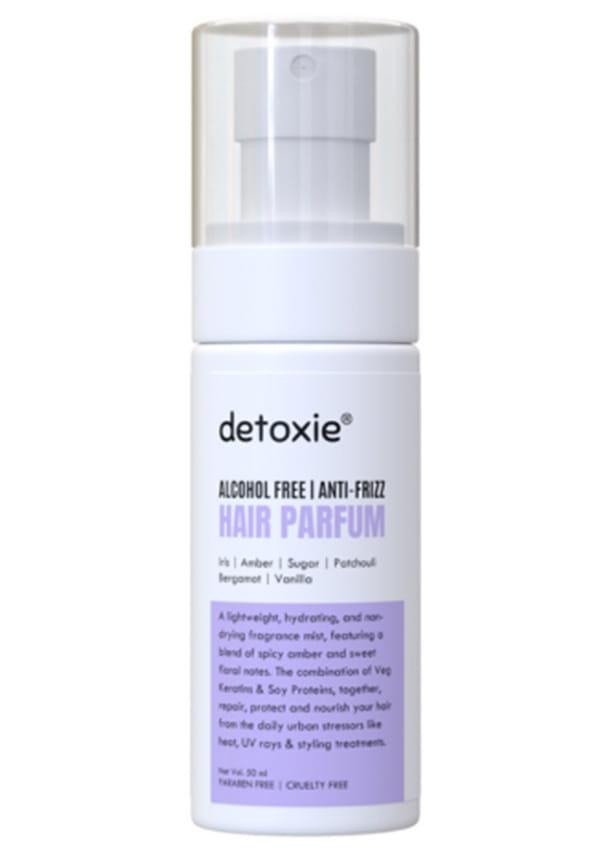
Alcohol Free Anti-Frizz Hair Parfum
Nice product with good fragrance
4“Its nice product with good fragrance”
Positive Product Review
5“good for use. smells nice. can order again.”
The best at-home strategies include using sulphate-free shampoos, deep conditioning weekly, sleeping on silk pillowcases, and avoiding over-washing. Regular trims every 6-8 weeks prevent split ends that contribute to frizz. Also, always use heat protectant when styling and opt for air-drying when possible.
Curly hair requires special attention because its structure makes it naturally more prone to dryness and frizz. Focus on moisture-rich products, avoid brushing dry curls, and use the "praying hands" method to apply products. Scrunching with a microfiber towel and using a diffuser on low heat work better than traditional drying methods.
Several factors could be at play: you might be using too much product (which can weigh hair down), the wrong products for your hair type, or your hair might be damaged and need professional treatment. Also, environmental factors like hard water or high humidity can counteract your efforts.
Absolutely! Many effective frizz-fighting strategies are budget-friendly. Focus on gentle handling, proper product application, protective styling, and maintaining your hair's moisture balance. DIY deep conditioning masks using ingredients like coconut oil or honey can be just as effective as expensive treatments.
Regular trims every 6-8 weeks help prevent split ends from travelling up the hair shaft and creating more frizz. If your hair is particularly damaged, you might need more frequent trims initially. Healthy ends are crucial for overall frizz control.
Frizz refers to hair that's swollen and rough due to moisture imbalance, creating an overall puffy appearance. Flyaways are individual strands that stick out due to static electricity or breakage. While both can be managed with similar techniques, flyaways often respond well to a light mist of water or anti-static spray.
Sustainable frizz control is about creating healthy habits that support your hair's natural structure and moisture balance.
Investing in silk or satin pillowcases reduces friction while you sleep, preventing overnight frizz and breakage. If pillowcases aren't an option, try a silk hair wrap or bonnet. These smooth surfaces help maintain your hairstyle and reduce morning frizz significantly.
Split ends are frizz magnets. They create weak points in your hair that catch and tangle, leading to more breakage and frizz. Stick to a regular trimming schedule based on your hair's needs — typically every 6-8 weeks for most hair types.
Healthy hair starts from within. Drinking plenty of water and eating a balanced diet rich in omega-3 fatty acids, biotin, and protein supports hair health. While dietary changes won't fix frizz overnight, they contribute to stronger, healthier hair over time.
While at-home care forms the foundation of frizz management, occasional professional treatments can provide extra support. Salon deep conditioning treatments, protein treatments, or smoothing services can complement your home routine.
The best routine is one you'll actually stick to. Start with basic changes like switching to a sulphate-free shampoo and adding a weekly deep conditioning treatment. Gradually incorporate other techniques as they become habits. Remember, consistency beats perfection every time.
Managing frizzy hair doesn't have to be a daily battle. The key is understanding your hair's unique needs and building a routine that addresses the root causes of frizz rather than just treating the symptoms. Focus on maintaining moisture balance, being gentle with your hair, and protecting it from environmental damage. Remember that finding the right products often involves some trial and error. What works for your friend might not work for you, and that's completely normal. Your hair type, porosity level, and lifestyle all influence what will be most effective. Not sure which products might work best for your specific hair concerns? Smytten offers trial-size versions of many anti-frizz products from trusted brands — a smart way to test different formulas before committing to full-size bottles. This approach lets you build a personalised routine that actually works for your hair, without the guesswork or waste.
