Anti Frizz Hair Solutions FAQ: Your Questions Answered

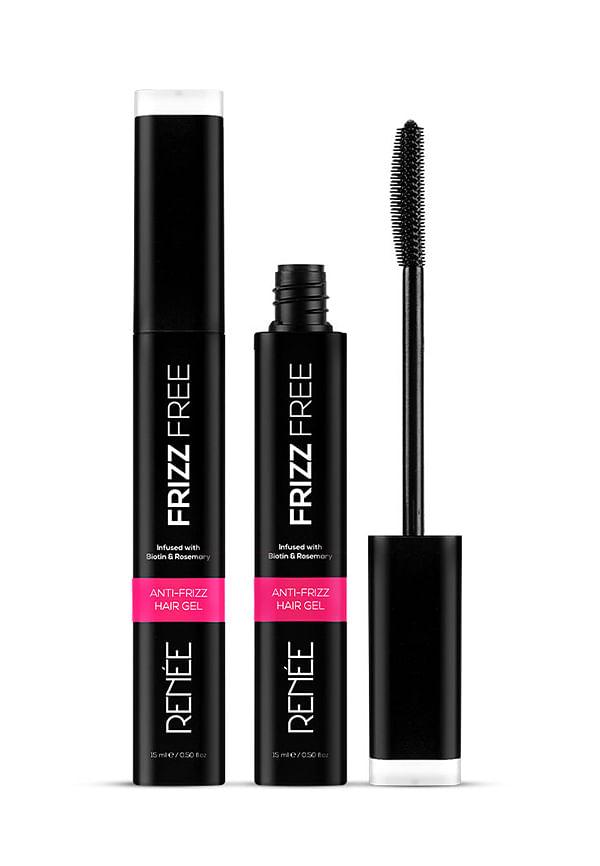
Frizz Free Anti Frizz Hair Gel
Helps set hair
 4
4“thik hai balo ko set krne me madad kr raha hai”
Helps set hair
4“thik hai balo ko set krne me madad kr raha hai”
Good Quality and Service
5“Quality is very good sarvise is very good 👍 e”
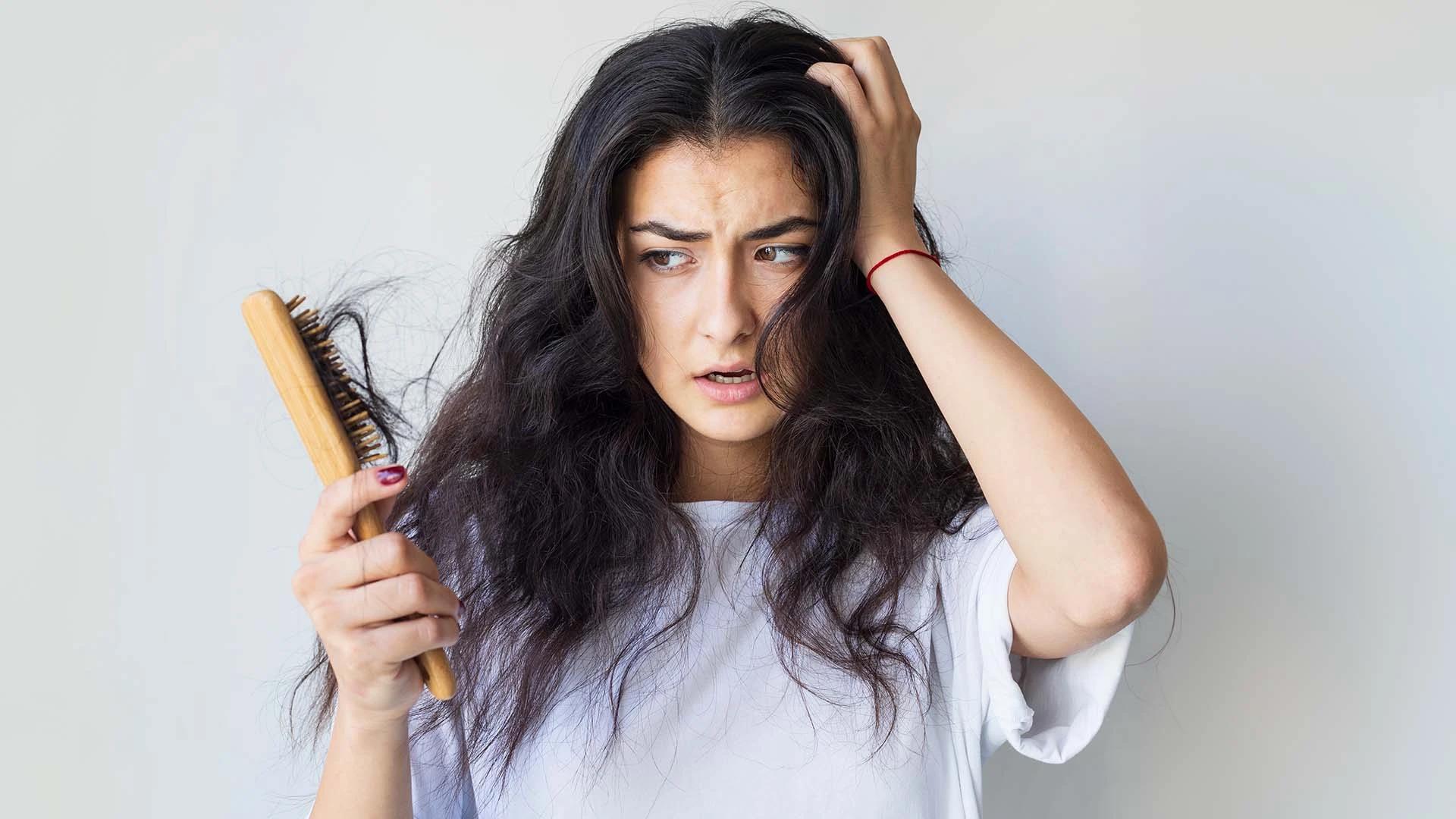
Picture this: you've just stepped out of the shower, hair looking perfectly smooth and sleek. Fast forward thirty minutes, and you're staring at a reflection that looks like you've been wrestling with a hairdryer in a wind tunnel. Sound familiar? If frizz has become your hair's default setting, you're definitely not alone. The good news is that understanding why it happens is the first step to finding anti frizz hair solutions that actually work for your hair type and lifestyle.
Let's get real about what's actually happening up there. Frizz isn't just bad luck or a sign that your hair hates you—it's all about science. Your hair cuticle, which is basically the outer protective layer, is made up of overlapping scales. When these scales lift up instead of lying flat, moisture from the air sneaks in and causes each strand to swell unevenly. The result? That lovely halo effect we're all trying to avoid.
Humidity is probably frizz's best friend, but it's not the only culprit. Heat damage from styling tools, chemical processing like colouring or perming, and even genetics play a role in how much your hair decides to rebel. Hair porosity—basically how easily your hair absorbs and releases moisture—is another major factor. High porosity hair tends to be more frizz-prone because it's constantly trying to balance its moisture levels with the environment around it.
Environmental factors like pollution and hard water can also mess with your hair's natural structure. Even something as simple as sleeping on a cotton pillowcase can create friction that leads to frizz. Understanding these triggers helps you choose the right approach to manage frizzy hair effectively.
Sometimes you need to call in the professionals, and there's absolutely no shame in that game. Professional treatments can give you months of smoother, more manageable hair—worth considering if you're tired of fighting the frizz battle every single day.
Keratin treatments are like giving your hair a protective shield that lasts anywhere from two to six months. The process involves applying a keratin solution to your hair, then sealing it in with heat. This fills in the gaps in your hair cuticle and creates a smoother surface that's naturally more resistant to humidity. Best candidates are those with moderately damaged or naturally frizzy hair—though it's worth noting that very curly hair might lose some of its natural texture.
Hair botox is the gentler cousin of traditional keratin treatments. Instead of using formaldehyde-based chemicals, it relies on proteins, vitamins, and amino acids to condition and smooth your hair from the inside out. The results aren't quite as dramatic as keratin, but they're perfect if you want frizz control without completely changing your hair's natural movement.
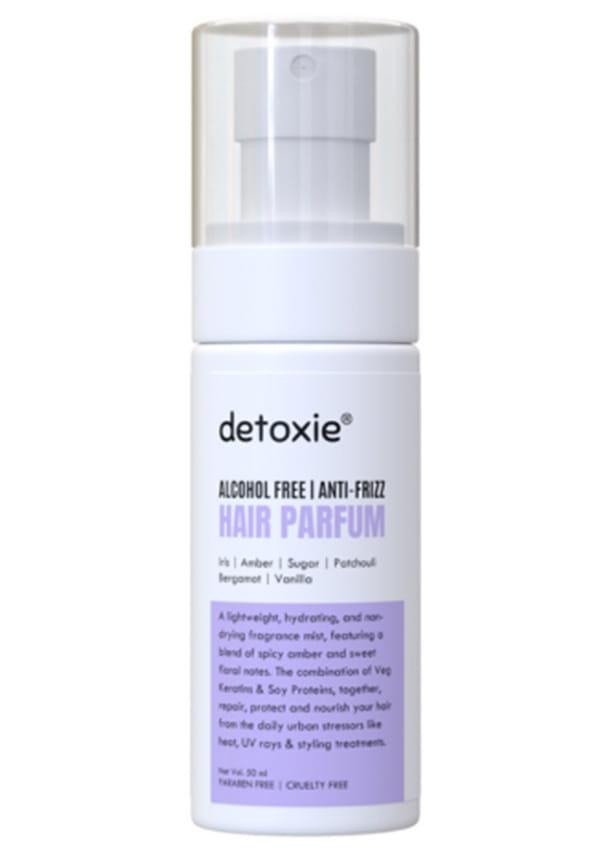
Alcohol Free Anti-Frizz Hair Parfum
Nice product with good fragrance
4“Its nice product with good fragrance”
Positive Product Review
5“good for use. smells nice. can order again.”
This newer treatment focuses on reconstructing your hair's cortex using organic ingredients. Nanoplastia gives you that glossy, smooth finish whilst being gentler on your hair than traditional chemical treatments. It's particularly good for damaged hair that needs both smoothing and repair. The results typically last three to four months, making it a solid middle ground between salon treatments and daily hair smoothing products.
Not everyone has the time or budget for regular salon visits, and that's completely fine. Building a solid at-home routine with the right products can work wonders for keeping frizz under control on a daily basis.
Anti-frizz serums are your daily defence against humidity and environmental damage. Silicone-based serums create a protective barrier around each strand, whilst oil-based formulas penetrate deeper to nourish and smooth from within. The key is applying them to damp hair, focusing on mid-lengths and ends, then distributing evenly with a wide-tooth comb. A little goes a long way—start with a pea-sized amount and build up if needed.
Your shampoo and conditioner choices matter more than you might think. Look for moisturising formulas with ingredients like glycerin, hyaluronic acid, or natural oils. These help maintain your hair's moisture balance so it's less likely to grab moisture from the air. Deep conditioning masks once or twice a week can also help strengthen your hair's structure, making it naturally more resistant to frizz. Hair taming products like leave-in conditioners and smoothing creams work best when applied to towel-dried hair before styling.
We've all been there—running late and suddenly noticing your hair has decided to stage a rebellion. Here are some quick fixes that actually work when you need smooth hair solutions in a pinch.
A tiny amount of hair oil or serum smoothed over dry hair can tame flyaways instantly. Focus on the surface layer and avoid the roots to prevent greasiness. If you've got a few extra minutes, try the "praying hands" method—apply a small amount of leave-in conditioner to your palms, rub them together, then smooth over your hair in a praying motion. This helps distribute the product evenly without disturbing your hair's natural pattern.
For really stubborn frizz, a light mist of water followed by a tiny amount of styling cream can help reset your hair's shape. Just scrunch gently and let it air dry for a few minutes. Keep a small bottle of diluted leave-in conditioner in your bag for touch-ups throughout the day—it's a game-changer for managing humidity-induced frizz.
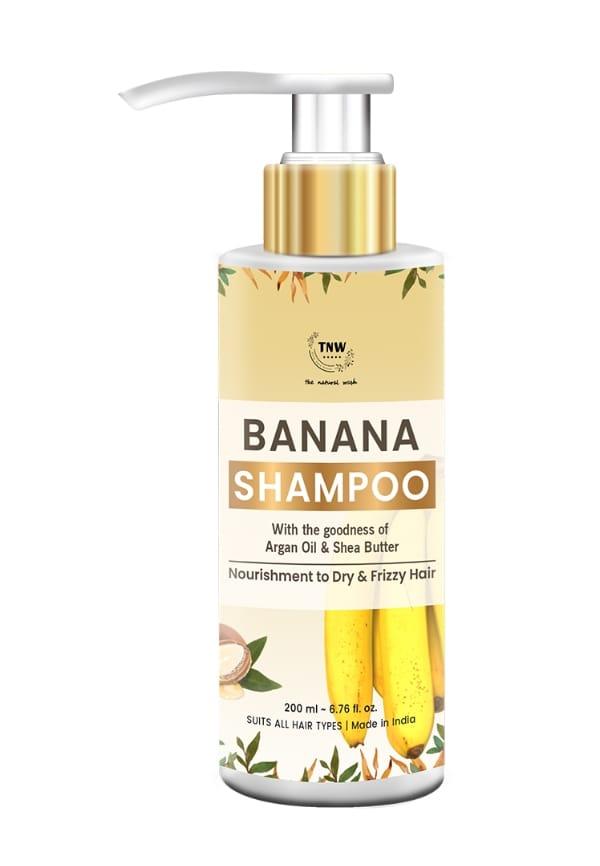
Banana Shampoo for Frizz | AntiFrizz Shampoo for All Hair Types | Banana Shampoo for Manageable Hair200ml
Excellent Product, Repurchased
5“Bahut hi accha hai maine repurchrs kia”
Great Value
4“Nice product value for the money”
Great Hair Product
5“awesome product for hair and very good in quality”
Sometimes the best solutions are sitting right in your kitchen. Natural remedies can be surprisingly effective for taming frizz, especially if you're dealing with dryness or damage from over-processing.
Apple cider vinegar rinses help balance your hair's pH and smooth the cuticle naturally. Mix one part ACV with three parts water and use it as a final rinse after shampooing. Coconut oil and argan oil treatments work brilliantly for dry, frizzy hair—apply to damp hair, leave for 30 minutes, then shampoo as usual. For protein-hungry hair, try mashing half an avocado with an egg yolk for a nourishing mask that adds strength and shine.
How you handle your hair matters just as much as what you put on it. Swap your regular towel for a microfiber one or even a cotton t-shirt—these create less friction and help prevent frizz from the start. Sleeping on a silk or satin pillowcase reduces overnight friction that can leave you waking up with a frizzy mess. When possible, let your hair air dry or use the lowest heat setting on your blow dryer with a heat protectant.
One size definitely doesn't fit all when it comes to frizz control. What works for your friend's fine, straight hair might be completely wrong for your thick, curly locks.
Men's hair care has come a long way, and there are now plenty of products designed specifically for shorter styles that tend to get frizzy. Lightweight pomades and styling creams work well for taming frizz without weighing hair down. The key is finding products that provide control without making your hair look greasy or overly styled.
Curly hair needs moisture and definition, so look for curl-enhancing creams and gels that work with your natural texture rather than against it. The "plopping" method—wrapping wet hair in a t-shirt to dry—can help maintain curl pattern whilst reducing frizz. Straight hair that's prone to frizz often benefits from smoothing serums and blow-drying with a round brush to seal the cuticle flat.
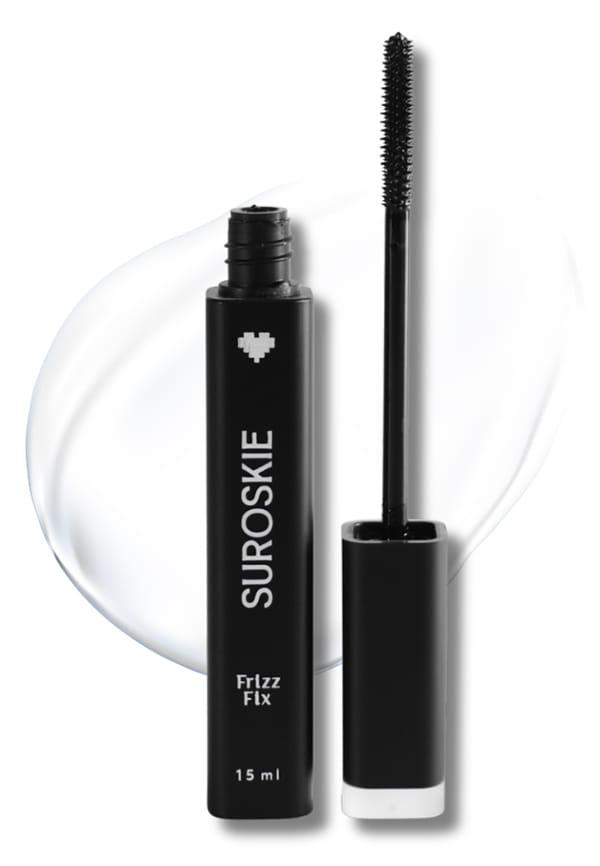
Anti Frizz Hair Stick
Start with a moisturising shampoo and conditioner, then apply a leave-in treatment to damp hair. Use a wide-tooth comb to detangle gently, apply a heat protectant if you're styling, and finish with a light anti-frizz serum. The key is layering products from thinnest to thickest consistency and always working with damp hair when possible.
For immediate fixes, try smoothing a tiny amount of hair oil over the surface of dry hair or using the praying hands method with leave-in conditioner. Long-term solutions include regular deep conditioning treatments, using silk pillowcases, and protecting your hair from heat and environmental damage. Professional treatments like keratin or hair botox can provide months of smoother hair if you're looking for more dramatic results.
The best treatment depends on your hair type, damage level, and lifestyle. For severely damaged hair, professional treatments like keratin or nanoplastia might be worth the investment. For daily maintenance, a good anti-frizz serum combined with proper hair care techniques often does the trick. Natural remedies like oil treatments can work well for those preferring gentler approaches.
Professional keratin treatments typically range from ₹3,000 to ₹8,000 depending on your location and hair length. Hair botox treatments are usually slightly less expensive, around ₹2,500 to ₹6,000. At-home products like serums and leave-in treatments range from ₹200 to ₹2,000, making them much more budget-friendly for regular use. DIY treatments using kitchen ingredients cost practically nothing but require more time and consistency.
Managing frizzy hair doesn't have to feel like an uphill battle. Whether you're dealing with humidity-induced chaos or genetic predisposition to frizz, there are solutions that can work for your hair type and budget. The key is understanding what's causing your frizz and choosing the right combination of products and techniques to address it.
From professional treatments that give you months of smoother hair to daily serums that tame flyaways, the world of anti frizz hair solutions has something for everyone. Remember that consistency is crucial—even the best products won't work miracles overnight, but with the right routine, you can definitely get your frizz under control.
Not sure which anti-frizz products might work best for your hair type? Smytten offers trial-size versions of many haircare products from trusted brands—a smart way to test different formulas before committing to full-size bottles. After all, finding your perfect frizz-fighting routine is all about discovering what works specifically for you.
