9 Ways to Tame Coarse, Frizz-Prone Hair with Cream


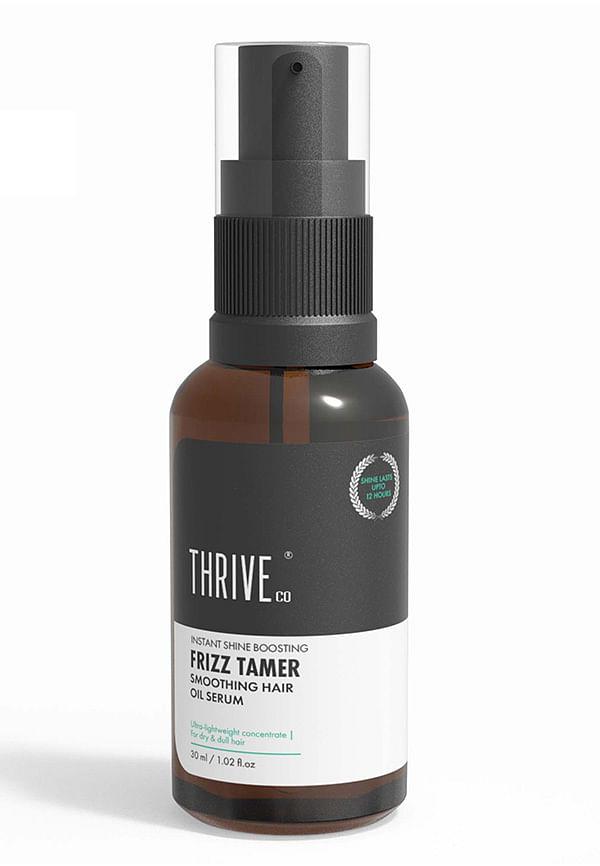
Frizz Tamer Smoothening Hair Oil
Nice & Worthy Product
 4
4“this one is acutually nice worthy spended money on”
Let's be real—coarse, frizz-prone hair has a mind of its own. One minute it's behaving, the next it's staging a full rebellion against humidity, heat, or just existing in general. If you've ever caught your reflection and wondered why your hair looks like you've been wrestling with a balloon, you're not alone. The thing is, coarse hair isn't actually damaged hair—it's just thicker and more porous, which means it drinks up moisture from the air faster than you can say "bad hair day." That's where the right taming cream for coarse frizz prone hair becomes your absolute lifesaver. Think of it as your hair's personal bodyguard against the elements. With the right techniques and products (hello, Smytten's curated collection of haircare minis!), you can transform your unruly mane into smooth, manageable locks that actually cooperate with your styling goals.
Coarse hair needs specific taming creams designed for its unique structure and porosity levels
Nine proven application methods can transform frizzy, unmanageable hair into smooth, controlled locks
Proper timing, sectioning, and layering techniques make all the difference in cream effectiveness
Understanding your hair's moisture needs helps you choose between anti-frizz cream, hair smoothing cream, and leave-in treatments
Consistency with the right products and methods delivers long-lasting frizz control results
Here's the science bit that'll change how you think about your hair. Coarse hair has a larger diameter than fine hair, and its cuticle layer is naturally more raised. This creates tiny gaps where moisture can escape and humidity can sneak in—basically turning your hair into a frizz magnet. Regular conditioners and styling products often slide right off coarse hair because they're formulated for finer textures.
The porosity factor is huge here. Coarse hair tends to be more porous, meaning it absorbs and loses moisture quickly. That's why your hair might feel dry even after conditioning, or why it puffs up the moment you step outside on a humid day. A quality coarse hair styling cream works differently—it's designed with heavier molecular weights that can actually penetrate and seal those cuticle gaps.
Ready to become your own hair whisperer? These nine methods will transform how you approach frizz control, giving you salon-worthy results without the salon price tag.
Start your frizz-fighting routine before you even touch water. Apply a lightweight oil (coconut, argan, or jojoba work brilliantly) to dry hair, focusing on the mid-lengths and ends. This creates a protective barrier that prevents your hair from absorbing too much water during washing—because over-saturated hair equals maximum frizz potential. Section your hair into four parts and work the oil through each section methodically.
This is where your anti-frizz cream really shines. After washing, gently squeeze out excess water with a microfibre towel—never rub or twist. Your hair should be damp, not dripping. Apply your hair smoothing cream section by section, starting from the ends and working upward. The key is even distribution: use a wide-tooth comb to ensure every strand gets coated. This method locks in moisture while your cuticles are still open and receptive.
For seriously stubborn frizz, layering is your friend. Start with a leave-in conditioner for frizz as your base layer—this provides hydration. Follow with your taming cream for hold and smoothing. The trick is using products with different molecular weights: lighter first, heavier second. This creates multiple barriers against humidity while ensuring your hair doesn't feel weighed down or greasy.
Perfect for anyone with natural texture who wants to enhance their curl pattern while controlling frizz. After applying your curly hair frizz reducer, flip your head upside down and lower your hair into a cotton t-shirt or microfibre towel. Wrap it up and leave for 10-20 minutes. This gentle method removes excess water without disturbing your curl pattern, allowing the cream to set properly and define your natural texture.
Your hair doesn't reset overnight, so why should your routine? Mix a small amount of your taming cream with water in a spray bottle (roughly 1:3 ratio). Lightly mist sections that need attention, then scrunch gently to reactivate the product. This flyaway tamer technique works especially well on the crown area where frizz tends to be most noticeable. Focus on problem zones rather than saturating your entire head.
When you need to use heat styling tools, your taming cream pulls double duty. Apply it to damp hair as usual, then add a dedicated heat protectant on top. The cream creates a moisture barrier while the heat protectant shields against thermal damage. Keep your blow dryer on medium heat and use a round brush to smooth the cuticle as you dry. This method gives you sleek results without sacrificing hair health.
Turn your beauty sleep into a frizz-fighting session. Apply a generous amount of taming cream to damp hair, focusing on the most problematic areas. Braid your hair loosely or twist it into a low bun to prevent tangling. The extended contact time allows the cream to deeply penetrate your hair shaft, while the protective styling prevents friction against your pillowcase. Wake up to smoother, more manageable hair.
This humidity resistant hair cream technique is perfect for monsoon season or tropical holidays. Apply your cream as usual, then seal it with a tiny amount of lightweight oil or serum. The oil creates an additional barrier that prevents atmospheric moisture from penetrating your hair shaft. Pay extra attention to your hairline and the nape of your neck—these areas are most susceptible to humidity-induced frizz.
Sometimes you need precision rather than an all-over approach. Keep a small amount of cream on hand for spot treatments throughout the day. Warm a pea-sized amount between your palms and gently smooth over specific frizzy sections. For extra stubborn areas, layer a drop of hair smoothing serum over the cream. This method is perfect for touching up your style without disturbing the rest of your hair.
Not all taming creams are created equal, and finding your perfect match requires understanding your hair's specific needs. The best taming cream for your coarse, frizz-prone hair depends on factors like porosity, density, and damage level.
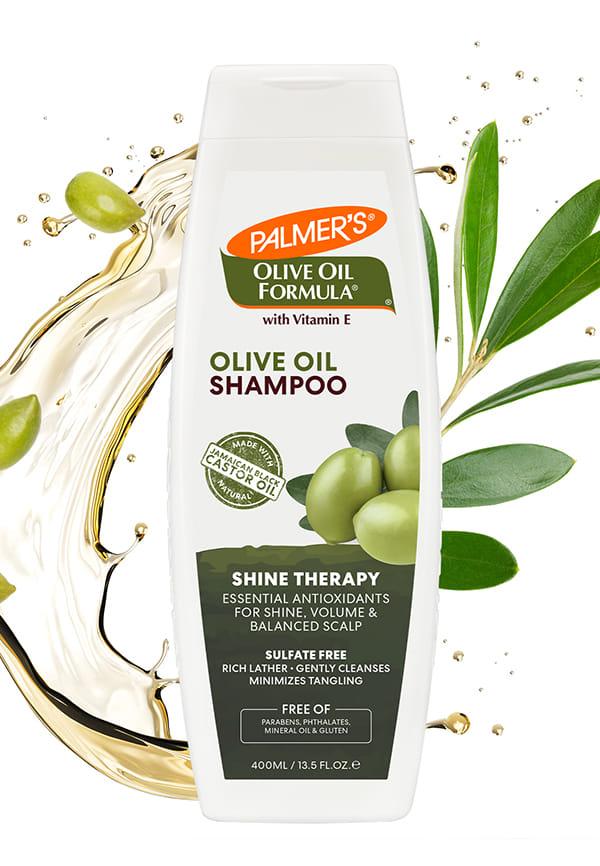
Olive Oil Smoothing Shampoo for frizz-prone hari 400ml
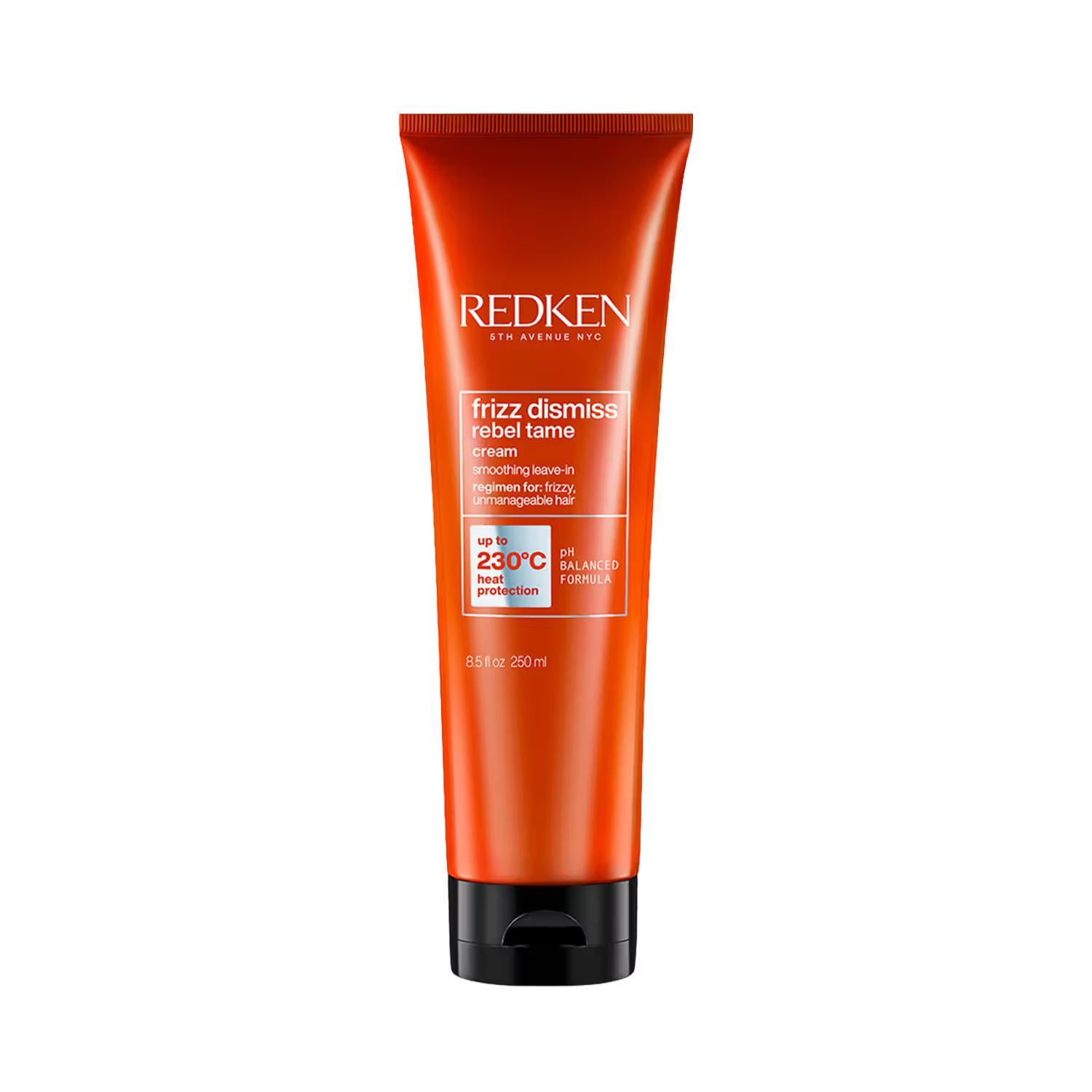
Look for ingredients like shea butter, coconut oil, and silicones in your cream formulation. Shea butter provides deep moisture, coconut oil penetrates the hair shaft, and silicones create a protective film. Avoid products with high alcohol content, which can be drying, and be cautious with protein-heavy formulas if your hair is already strong but just unruly. The Redken Frizz Dismiss Rebel Tame Leave-In Cream 250ml offers an excellent balance of smoothing agents and moisture-binding ingredients, making it particularly effective for coarse hair that needs both hydration and frizz control without weighing down your natural texture.
The way you apply your coarse hair styling cream can make or break your results. Temperature matters—slightly warm product spreads more evenly and penetrates better than cold cream straight from the tube. Rub the product between your palms first to activate it.
Sectioning is crucial for even coverage. Divide your hair into at least four sections: two at the front, two at the back. Work through each section systematically, ensuring every strand gets attention. For thick hair, you might need to create smaller subsections. The goal is thorough coverage without overloading any single area.
Even with the right product and technique, you might hit some bumps along the way. Product buildup is the most common issue with frizz control for thick hair. If your hair starts feeling heavy or looks dull, it's time for a clarifying shampoo. Use one weekly to reset your hair and remove accumulated product residue.
Seasonal adjustments are essential too. Your hair needs more moisture in winter and lighter formulations in summer. Don't be afraid to switch between different weights of taming cream based on the weather and your hair's changing needs throughout the year.
Salon professionals swear by the "less is more" approach when starting with a new hair smoothing cream. Begin with a smaller amount than you think you need—you can always add more. Overloading your hair with product on the first try can lead to greasy, weighed-down results that put you off the product entirely.
Consistency is key for long-term frizz management. Your hair has memory, and regular use of the right products trains it to behave better over time. Stick with your chosen routine for at least 4-6 weeks before deciding if a product works for you. Environmental factors like hard water, pollution, and seasonal changes all affect how your humidity resistant hair cream performs, so be patient with the process.
The best cream depends on your hair's porosity and thickness. Look for formulations with moisturising ingredients like shea butter and smoothing agents like silicones. Coarse hair typically needs heavier creams than fine hair.
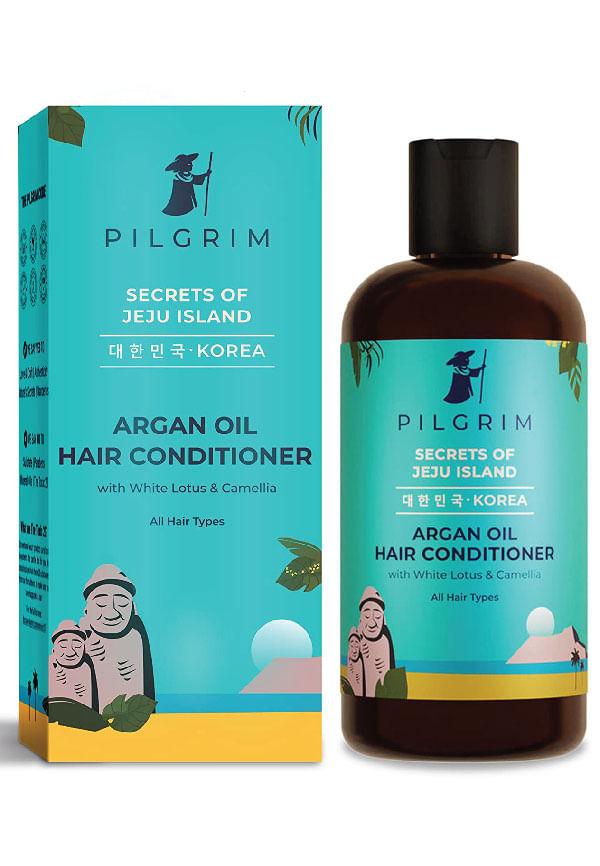
Frizz Smoothing & Moisturising Hair Conditioner With Argan Oil
Easy to Use, Nice Result
4“very nice easy to use gave nice result”
Great Smell & Shine
4“the smell is too good and it gives shine”
Neat Packaging, Great Quality
4“Received in neat packaging and the product looks great. Quality feels nice and overall satisfied with the purchase.”
Creams containing natural oils, butters, and humidity-blocking ingredients work well. Avoid products with drying alcohols and opt for those specifically labelled for coarse or thick hair types.
A combination approach works best: regular deep conditioning treatments, consistent use of leave-in products, and protective styling. Weekly protein treatments can also help if your hair is damaged.
Start with proper hydration through conditioning, use appropriate taming creams on damp hair, and avoid over-manipulation. Gentle handling and the right products are key to managing thick, frizzy textures.
Yes, most taming creams are designed for daily use. However, monitor your hair for signs of buildup and adjust the amount based on your hair's response and environmental factors.
Immediate smoothing effects are visible after application, but long-term frizz control improvements typically develop over 2-4 weeks of consistent use as your hair adapts to the routine.
Taming coarse, frizz-prone hair isn't about fighting your natural texture—it's about working with it intelligently. The right combination of products and techniques can transform your daily hair routine from a battle into a breeze. Remember that consistency beats perfection every time, and finding your ideal method might take some experimentation.
Your hair's needs will change with seasons, hormones, and lifestyle factors, so stay flexible with your approach. What works in humid summer might need tweaking for dry winter months. The key is understanding your hair's unique characteristics and responding accordingly.
Discovering the perfect taming cream for your coarse, frizz-prone hair doesn't have to involve expensive trial and error. Smytten's curated trial packs let you explore authentic brand-verified minis from trusted haircare brands before committing to full-size purchases. With over 28 million users and 100 million trial minis delivered across India, Smytten helps you make smarter, more confident choices about your haircare routine. Whether you're looking to try before you buy or explore India's largest minis collection, the platform offers 100% cashback on trials, making product discovery both affordable and rewarding. After all, why settle for 'maybe' when you can #TryItAll and find your perfect frizz-fighting formula!
