9 Ways to Tackle Top Itchy Flaky Scalp Issues

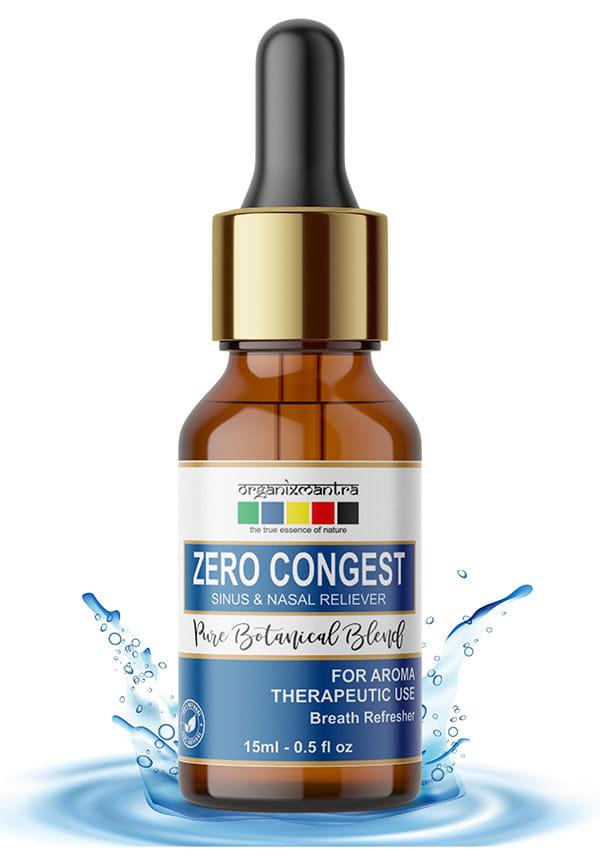
Zero Congest Pure Botanical Blend of Tea Tree, Lavender, Peppermint, Eucalyptus Oil, Breath Refresher
That constant urge to scratch your scalp isn't just annoying—it's your head's way of telling you something's up. Whether you're dealing with visible flakes falling onto your shoulders or that maddening itch that strikes at the worst moments, you're definitely not alone. Millions of people struggle with top itchy flaky scalp issues that can range from simple dryness to more complex conditions like seborrheic dermatitis. The good news? There are proven ways to tackle these problems and get back to feeling comfortable in your own skin (or scalp, rather). Let's dive into nine expert-backed methods that can help you find lasting relief and finally stop that scratching cycle.
Before jumping into solutions, it's worth understanding what's actually happening up there. Your scalp is basically an extension of your facial skin, but it's often hidden under hair and gets way less attention than it deserves. When things go wrong, the results can be pretty uncomfortable.
The most common culprit behind flaky scalp causes is seborrheic dermatitis scalp conditions—a fancy term for when your scalp gets inflamed and starts producing those telltale white or yellowish flakes. This happens when a yeast called Malassezia (which naturally lives on everyone's scalp) decides to throw a party and multiply rapidly. Your immune system isn't having it, so it responds with inflammation, redness, and flaking.
Then there's the classic dry scalp versus dandruff confusion. Dry scalp flakes are usually smaller, whiter, and come from lack of moisture. Dandruff flakes tend to be larger, more oily, and yellowish. Both can cause serious itching, but they need different approaches. Psoriasis on scalp is another possibility—this autoimmune condition creates thick, silvery scales and can be pretty stubborn to treat.
Ever notice how scalp irritation seems worse when you're trying to sleep? There's actually science behind this. Your body temperature rises slightly at night, which can make itching more noticeable. Plus, if you're using cotton pillowcases, the friction can irritate sensitive skin. Hormonal changes throughout the day also play a role—cortisol levels drop in the evening, which can make inflammatory conditions feel more intense.
Right, let's get to the good stuff. These nine methods are backed by dermatologists and have helped countless people find relief from persistent scalp issues. The key is finding what works for your specific situation and sticking with it long enough to see results.
This is often your first line of defence for dandruff treatment. Look for shampoos containing zinc pyrithione, which is brilliant at controlling the yeast that causes seborrheic dermatitis. Selenium sulfide is another powerhouse ingredient that slows down skin cell turnover, reducing flake production. For more stubborn fungal issues, ketoconazole-based shampoos can be game-changers. The trick is using these consistently—not just when your scalp is acting up. Most people see improvement within 2-4 weeks of regular use.
How you wash matters just as much as what you wash with. If you have an oily scalp, daily washing might be necessary. For dry or chemically treated hair, 2-3 times per week could be plenty. Water temperature is crucial too—hot water strips natural oils and can worsen scalp irritation. Stick to lukewarm water and always rinse thoroughly. Leftover product residue is a major trigger for sensitive scalp solutions.
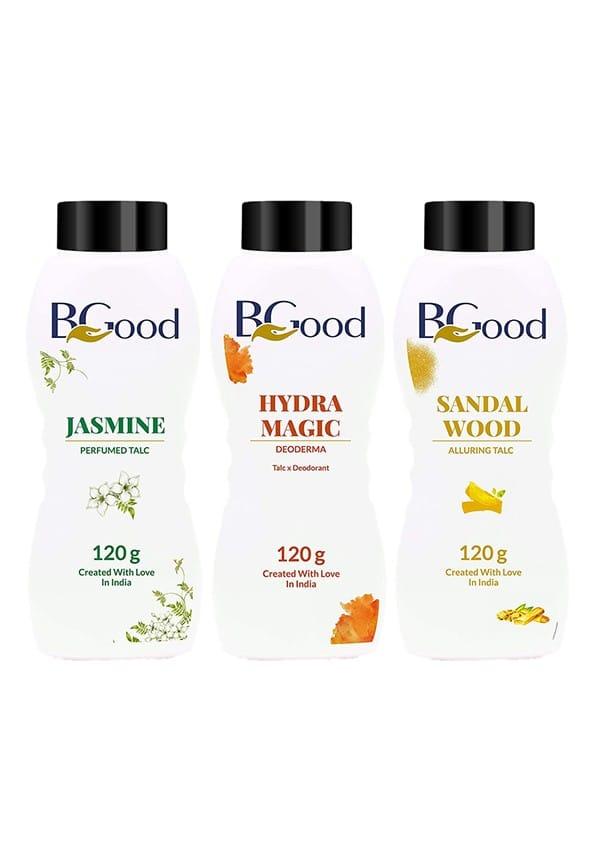
Body & Face Talcum Powder Combo Pack of 3 Fragrance - Hydra Magic, Sandal Wood, Mystic Blue
Sometimes the gentlest approaches work wonders. Apple cider vinegar rinses can help restore your scalp's natural pH balance—mix one part vinegar with four parts water and use it as a final rinse after shampooing. Tea tree oil has natural antifungal properties, but always dilute it (a few drops in your regular shampoo works well). Aloe vera gel straight from the plant can provide immediate cooling relief for inflamed areas. These remedies are particularly helpful for people who react poorly to stronger treatments.
If you've been diagnosed with seborrheic dermatitis, you'll need a more targeted approach. Anti-inflammatory ingredients like salicylic acid can help remove scales gently, while coal tar shampoos reduce inflammation and slow cell turnover. Some people find that reducing stress and getting enough sleep significantly improves their symptoms. This condition often flares during times of stress or hormonal changes, so lifestyle modifications can be surprisingly effective.
Scalp psoriasis requires patience and often professional guidance. Coal tar preparations are classic treatments that have been used for decades. Salicylic acid helps soften and remove thick scales. The key with psoriasis is never to pick or scratch aggressively—this can trigger more plaques to form. Many people find that gentle massage with natural oils like coconut or jojoba can help loosen scales before washing.
When your scalp itches constantly, you scratch. When you scratch, you can damage hair follicles and cause hair shedding itchy scalp cycles. Breaking this pattern requires conscious effort. Try stress reduction techniques like meditation or yoga, as stress hormones can worsen both itching and hair loss. Handle your hair gently—no aggressive brushing or tight hairstyles. Consider supplements like biotin or omega-3 fatty acids, which support overall scalp health.
If your scalp reacts to seemingly everything, you might have contact dermatitis. Start by switching to fragrance-free, hypoallergenic products. Always patch test new products on a small area before applying them to your entire scalp. Look for shampoos with minimal ingredients—sometimes less really is more. Avoid sulfates, which can be particularly harsh on sensitive skin.
Sometimes you get all the itching without visible flakes—frustrating, right? This could be contact dermatitis from hair products, environmental allergens, or even hormonal changes. Keep a diary of when itching occurs and what products you've used. Consider factors like new laundry detergents, hair accessories, or even changes in your diet. Sometimes the culprit is something completely unexpected.
Consistency is everything when it comes to scalp health. Develop a routine that includes gentle daily care, weekly deep treatments, and monthly assessments of how your scalp is responding. This might include using a medicated shampoo twice weekly, a gentle moisturising shampoo on other days, and a weekly oil treatment. Track what works and what doesn't—your scalp's needs might change with seasons, stress levels, or hormonal fluctuations.
When the itching hits hard and you need relief right now, there are several things you can try. These won't solve underlying issues, but they can provide temporary comfort while your main treatment plan kicks in.
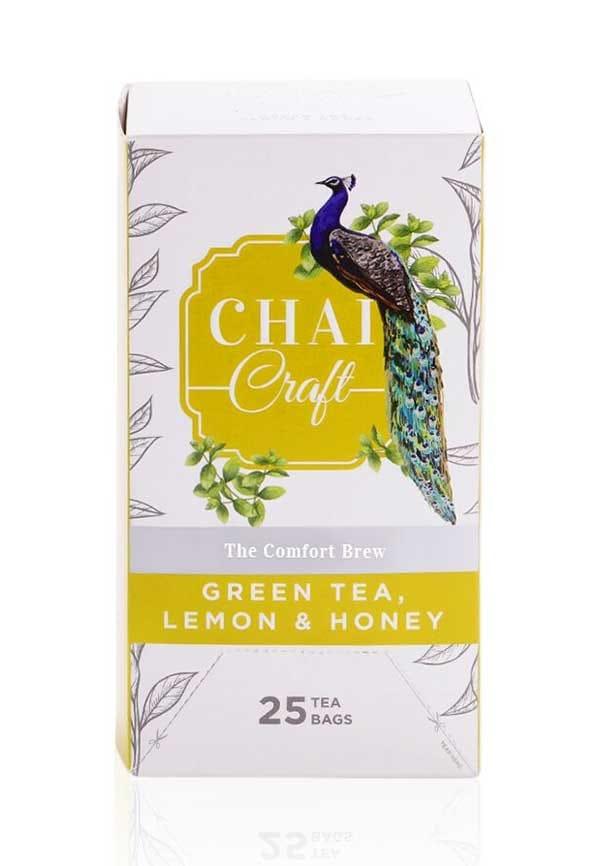
Green Tea Lemon and Honey, Antioxidant Rich Tea
A cold compress can provide immediate relief—wrap ice cubes in a thin towel and apply to the itchiest areas for 10-15 minutes. Menthol-based products create a cooling sensation that can temporarily numb the itch. Some people swear by oatmeal paste—blend plain oats with a little water to create a soothing paste, apply for 10 minutes, then rinse thoroughly. These methods work by temporarily overwhelming the nerve signals that create the itching sensation.
Scratching feels good in the moment but often makes things worse. Instead, try gentle patting or tapping the itchy area. Keep your nails short to minimise damage if you do scratch unconsciously. Distraction techniques like deep breathing or focusing on something else can help break the itch-scratch cycle. Some people find that applying gentle pressure with a clean cloth provides relief without causing damage.
Sometimes home remedies and over-the-counter products aren't enough. If you've been dealing with scalp issues for more than a few weeks without improvement, it might be time to call in the professionals.
Red flag symptoms include severe redness, bleeding from scratching, hair loss in patches, or symptoms that interfere with sleep. If over-the-counter treatments haven't helped after 4-6 weeks of consistent use, that's another sign you need professional help. Dermatologists can perform tests to identify specific conditions and prescribe stronger treatments that aren't available over the counter.
Topical corticosteroids can quickly reduce inflammation and itching, though they're usually used short-term. Prescription antifungal medications are stronger than what you can buy in shops and might be necessary for stubborn cases. For autoimmune conditions like psoriasis, immunomodulating treatments can help regulate your immune system's response. Your dermatologist might also recommend light therapy or other specialised treatments based on your specific condition.
Once you've got your current scalp situation under control, the goal is keeping it that way. Prevention is always easier than treatment, and there are several lifestyle factors that can support long-term scalp health.
Stress management isn't just good for your mental health—it directly impacts your scalp. Chronic stress can trigger inflammatory conditions and make existing problems worse. Regular exercise, adequate sleep, and stress-reduction techniques like meditation can all help. Your diet matters too. Omega-3 fatty acids, zinc, and B vitamins all support healthy skin and scalp function.
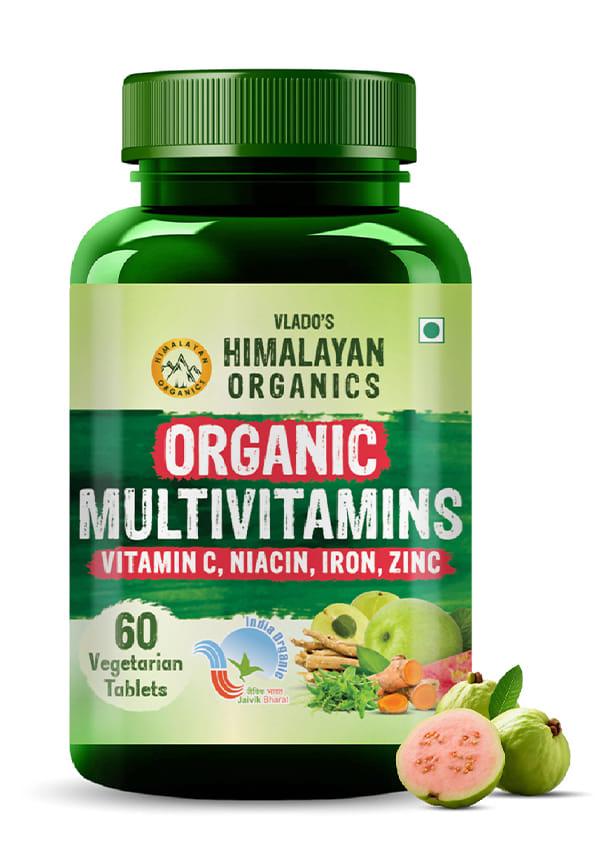
Organic Multivitamins with Iron, Zinc, Vitamin B3, C, Organic Ashwagandha, Tribulus & Turmeric
Learn to read ingredient lists and understand what works for your scalp type. Rotate between different active ingredients to prevent your scalp from becoming resistant to treatments. Quality matters more than quantity—it's better to have a few products that work well than a bathroom full of things that don't help. Always introduce new products gradually and one at a time so you can identify any that cause reactions.
Most people notice some improvement within 1-2 weeks of starting a consistent treatment routine, but significant changes typically take 4-6 weeks. Patience is key—your scalp needs time to heal and reset its natural balance.
Yes, but apply it only to the lengths and ends of your hair, avoiding the scalp area. Heavy conditioners can clog pores and worsen scalp irritation. Look for lightweight, non-comedogenic formulas if you must apply near the roots.
Sometimes, yes. When you start using active ingredients like salicylic acid or coal tar, your scalp might initially react with increased flaking as it sheds damaged skin cells. This usually settles within a week or two.
Absolutely. Cold, dry air can worsen dry scalp conditions, while hot, humid weather might trigger more oil production and fungal growth. Adjust your routine seasonally—you might need more moisturising products in winter and stronger antifungal treatments in summer.
No, but be extra gentle. Use lukewarm water, a mild shampoo, and avoid scrubbing. Clean hair and scalp actually heal faster than dirty ones, as bacteria and product buildup can worsen inflammation.
Dealing with top itchy flaky scalp issues can be frustrating, but remember that most conditions are manageable with the right approach and patience. The nine methods we've covered give you a comprehensive toolkit for tackling everything from simple dryness to more complex conditions like seborrheic dermatitis or psoriasis. The key is finding what works for your specific situation and sticking with it consistently.
Don't expect overnight miracles—scalp healing takes time. Start with gentler approaches and work your way up to stronger treatments if needed. If home remedies and over-the-counter products aren't cutting it after 4-6 weeks, don't hesitate to see a dermatologist. Your scalp health is worth the investment, and professional guidance can save you months of trial and error. Want to explore different scalp care products without committing to full sizes? Smytten offers trial-size versions of many scalp treatments and medicated shampoos—a smart way to test what works for your specific needs before investing in larger bottles.
