9 Ways to Tackle Top Dandruff Itch for Relief


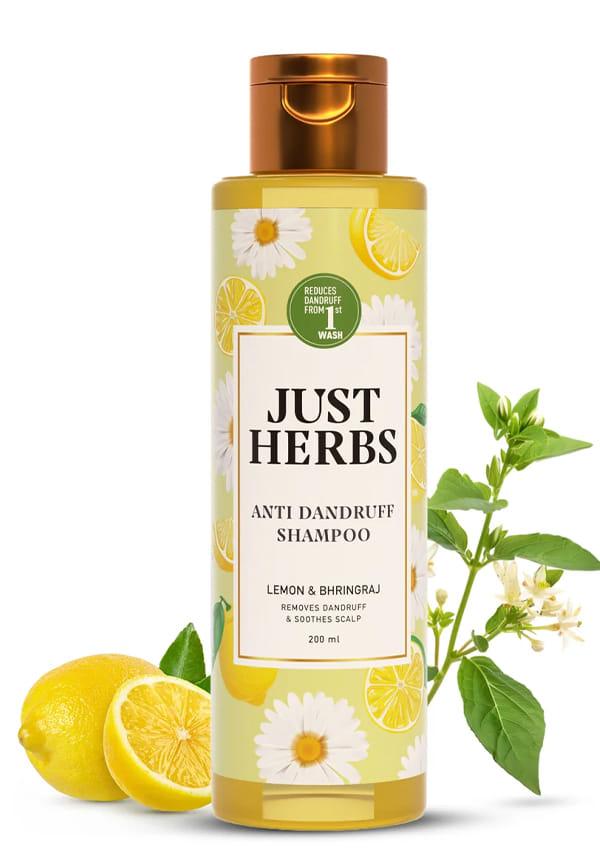
Anti Dandruff Shampoo | Lemon, Bhringraj & 12 Herbs
Favourite Product Ever
 5
5“this is my favourite product ever”
Affordable Favourite Shampoo
5“affordable and favourite shampoo”
Affordable Favourite Shampoo
5“affordable and favourite shampoo”
Picture this: you're in the middle of an important meeting, and suddenly that familiar itch starts creeping across your scalp. You try to resist, but the urge becomes unbearable. Before you know it, you're scratching away, and those telltale white flakes start appearing on your shoulders. Sound familiar? You're definitely not alone in this struggle. Top dandruff itch isn't just about the visible flakes—it's the relentless itching that can drive you absolutely mad and make you feel self-conscious in social situations.
Let's get real about what's actually happening on your scalp when dandruff strikes. The main culprit behind that annoying itch is usually a yeast called Malassezia, which naturally lives on everyone's scalp but can go into overdrive for some people. When this happens, your scalp becomes irritated and starts shedding skin cells faster than normal, creating those flaky patches we all dread.
Seborrheic dermatitis scalp conditions are another common cause, especially if you notice redness along with the flakes. This inflammatory condition affects areas rich in oil glands, making your scalp both itchy and flaky. The tricky part is that what looks like dandruff might actually be a dry scalp, which requires completely different treatment approaches.
Several factors can make your top dandruff itch worse. Stress, hormonal changes, cold weather, and even certain hair products can trigger flare-ups. If you've noticed your dandruff getting worse during exam season or after switching to a new shampoo, these connections aren't just in your head—they're real triggers that affect scalp health.
Ready to tackle that persistent itch? These nine methods have helped countless people find relief from top dandruff itch, and they might just become your new go-to solutions.
Not all anti-dandruff shampoos are created equal, and finding the right one can be a game-changer for dandruff control. Look for active ingredients like ketoconazole, which targets the fungal causes of dandruff, or zinc pyrithione, which helps reduce both flakes and itching. Selenium sulfide is another powerhouse ingredient that slows down skin cell turnover.
Here's the thing most people get wrong: you need to let the shampoo sit on your scalp for at least five minutes before rinsing. This gives the active ingredients time to work their magic. Start by using it every other day, then adjust based on how your scalp responds.
Sometimes the best itchy scalp remedies are sitting right in your kitchen. Apple cider vinegar can help restore your scalp's natural pH balance—mix one part vinegar with two parts water and apply it to your scalp before shampooing. Tea tree oil is another natural antifungal that can provide relief, but always dilute it with a carrier oil first.
Coconut oil might seem counterintuitive if you have an oily scalp, but it has antimicrobial properties that can help reduce the yeast overgrowth causing your dandruff. Apply it as a pre-shampoo treatment once a week.
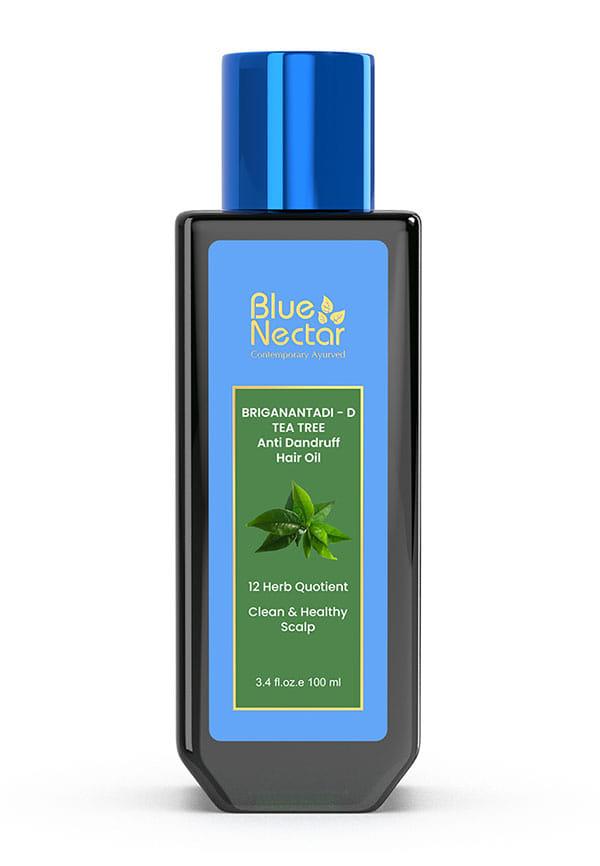
Tea Tree Anti Dandruff and Healthy Scalp Oil 12 Herbs
Your washing routine plays a huge role in managing scalp irritation. If you have an oily scalp, you might need to wash daily, while those with dry scalp should stick to every other day. The water temperature matters too—hot water can strip your scalp's natural oils and worsen irritation.
When washing, focus on massaging your scalp gently with your fingertips, not your nails. This helps remove flakes without causing additional irritation that could make the itching worse.
What you eat can actually impact your scalp health. Foods rich in omega-3 fatty acids, like salmon and walnuts, can help reduce inflammation. Zinc-rich foods such as pumpkin seeds and chickpeas support healthy skin cell production.
Stress management is equally important—chronic stress can trigger hormonal changes that worsen dandruff. Try incorporating meditation, yoga, or even just regular walks into your routine to keep stress levels in check.
When over-the-counter options aren't cutting it, it might be time to consider stronger treatments. Prescription shampoos containing higher concentrations of active ingredients can provide more effective dandruff relief. Some dermatologists also recommend topical corticosteroids for severe seborrheic dermatitis scalp conditions.
Don't feel defeated if you need medical intervention—some cases of dandruff are simply more stubborn and require professional-grade solutions.
Think of scalp exfoliation as a reset button for your flaky scalp. You can use a gentle scalp scrub once a week to remove buildup and dead skin cells. Make sure to choose products specifically designed for scalp use—regular body scrubs are too harsh.
Clarifying shampoos can also help remove product buildup that might be contributing to your scalp issues. Use them once a week, followed by a moisturising conditioner on your hair lengths.
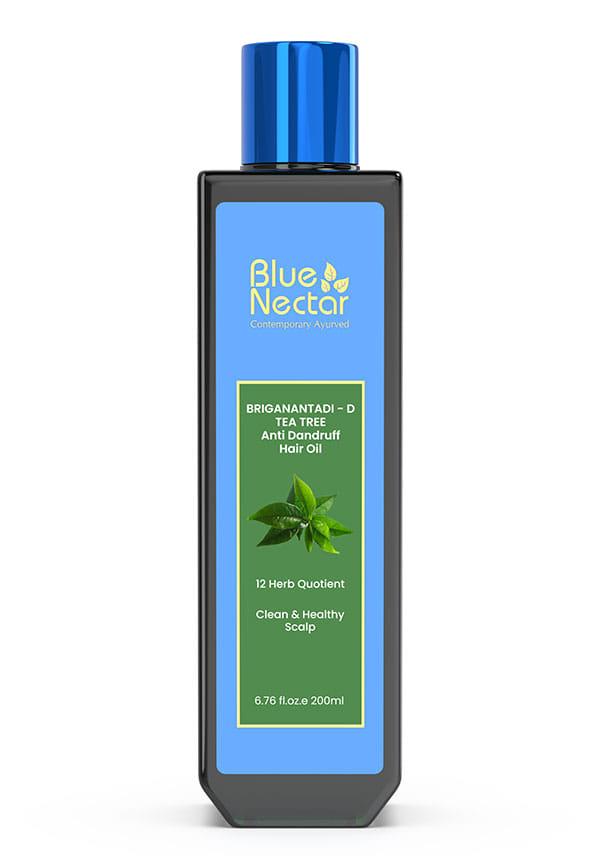
Tea Tree Anti Dandruff and Healthy Scalp Oil 12 Herbs
Sometimes the solution is as simple as switching your haircare for itchy scalp routine. Check your current products for potential irritants like sulfates, parabens, or strong fragrances. These can trigger sensitivity in some people and worsen scalp irritation.
Environmental factors matter too. Cold, dry air can worsen dandruff, so consider using a humidifier during winter months. If you live in a particularly humid climate, you might need to wash your hair more frequently.
Professional treatments can provide targeted relief that's hard to achieve at home. Dermatologists can perform in-office scalp treatments that combine multiple approaches, such as medicated washes followed by light therapy or steroid injections for severe cases.
Some salons also offer specialised scalp treatments that can complement your at-home routine, though these should never replace medical treatment for severe conditions.
The key to managing top dandruff itch long-term is consistency. Once you find a routine that works, stick with it even when your symptoms improve. Many people make the mistake of stopping treatment as soon as they see results, only to have the dandruff return.
Keep track of what triggers your flare-ups—whether it's stress, certain products, or seasonal changes—so you can adjust your routine accordingly.
Here's something that trips up loads of people: dry scalp and dandruff aren't the same thing, even though they can look similar. Dry scalp produces smaller, white flakes and is usually caused by lack of moisture. Dandruff flakes are typically larger, more yellow or oily, and are caused by excess oil and yeast overgrowth.
The treatment approaches are completely different too. Dry scalp treatment focuses on adding moisture back to your scalp, while dandruff treatment aims to control oil production and reduce yeast growth. Using the wrong approach can actually make your symptoms worse, so it's worth getting a proper diagnosis if you're unsure.
When that itch hits and you need relief right now, there are a few tricks that can help. Applying a cold compress to your scalp can temporarily numb the itching sensation. Aloe vera gel straight from the fridge can provide cooling relief and has anti-inflammatory properties.
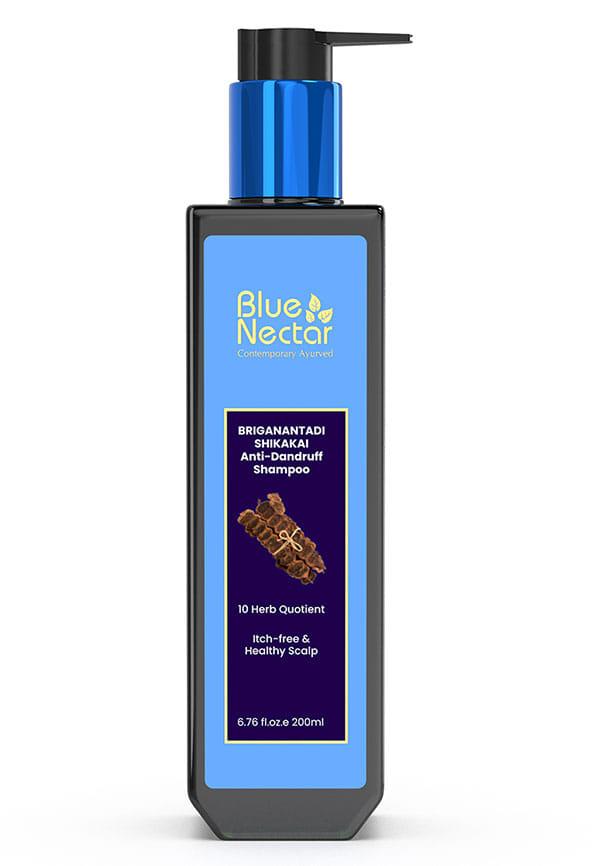
Anti Dandruff Shampoo with Bhringraj & Shikakai 10 Herbs
For emergency situations, even a gentle scalp massage with clean hands can help redistribute oils and provide temporary relief. Just remember these are quick fixes—you'll still need to address the underlying cause for long-term results.
The most effective approach to dandruff control combines multiple strategies rather than relying on just one method. Start with a good anti-dandruff shampoo as your foundation, then add in natural remedies or lifestyle changes as needed. Pay attention to how your scalp responds and adjust accordingly.
Remember that what works for your friend might not work for you—scalp conditions are highly individual. Be patient with the process and don't be afraid to try different combinations until you find your perfect routine.
For immediate relief, try applying a cold compress to your scalp or using aloe vera gel. Anti-dandruff shampoos with zinc pyrithione can provide quick itch relief when left on the scalp for 5-10 minutes before rinsing. Avoid scratching, as this can worsen irritation and potentially lead to secondary infections.
Yes, dandruff can definitely cause severe itching, especially in cases of seborrheic dermatitis or when there's significant yeast overgrowth. If your itching is so intense that it disrupts sleep or daily activities, or if you notice bleeding from scratching, it's time to see a dermatologist for stronger treatment options.
Ketoconazole-based shampoos are among the fastest-acting treatments for fungal dandruff, often showing results within a week. For immediate relief, selenium sulfide shampoos can quickly reduce flaking. However, 'killing' dandruff completely isn't realistic—it's more about managing the condition long-term with consistent care.
While there's no permanent cure for dandruff, you can achieve long-term control through consistent treatment and lifestyle management. This typically involves regular use of anti-dandruff products, stress management, proper scalp hygiene, and identifying personal triggers. Most people can maintain clear scalps with ongoing maintenance routines.
Dealing with top dandruff itch doesn't have to be a constant battle. With the right combination of treatments, lifestyle adjustments, and patience, you can find relief and regain confidence in your scalp health. Remember that everyone's scalp is different, so what works for others might need tweaking for your specific situation.
The key is consistency and not giving up when the first method doesn't work perfectly. Whether you're dealing with occasional flakes or persistent itching, there are solutions out there that can help you feel comfortable in your own skin again. If you're looking to try different anti-dandruff products without committing to full-size bottles, Smytten offers trial-size versions of many scalp care products from trusted brands—a practical way to test what works for your specific scalp needs before investing in larger quantities.
