9 Ways to Strengthen Damaged Hair for Better Resilience

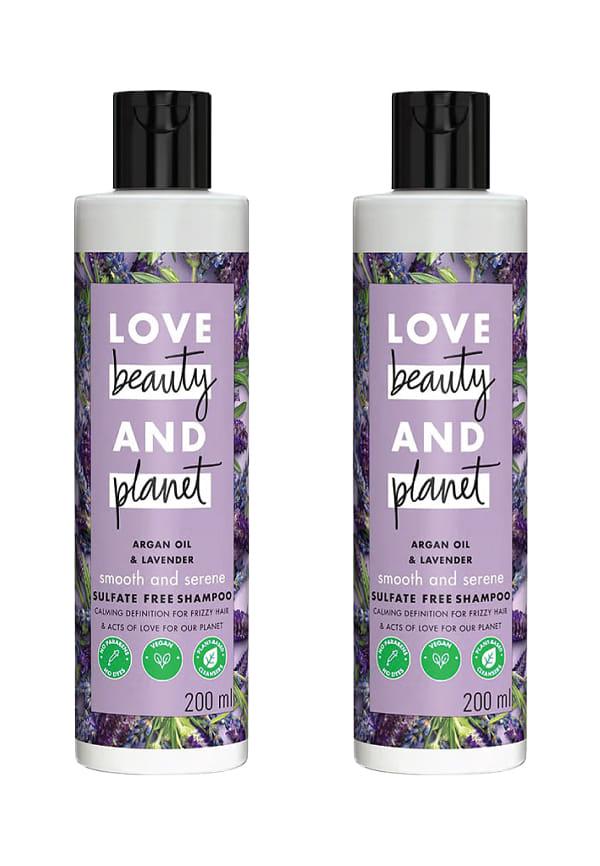
Argan Oil and Lavendar Sulfate Free Shampoo (Pack of 2)
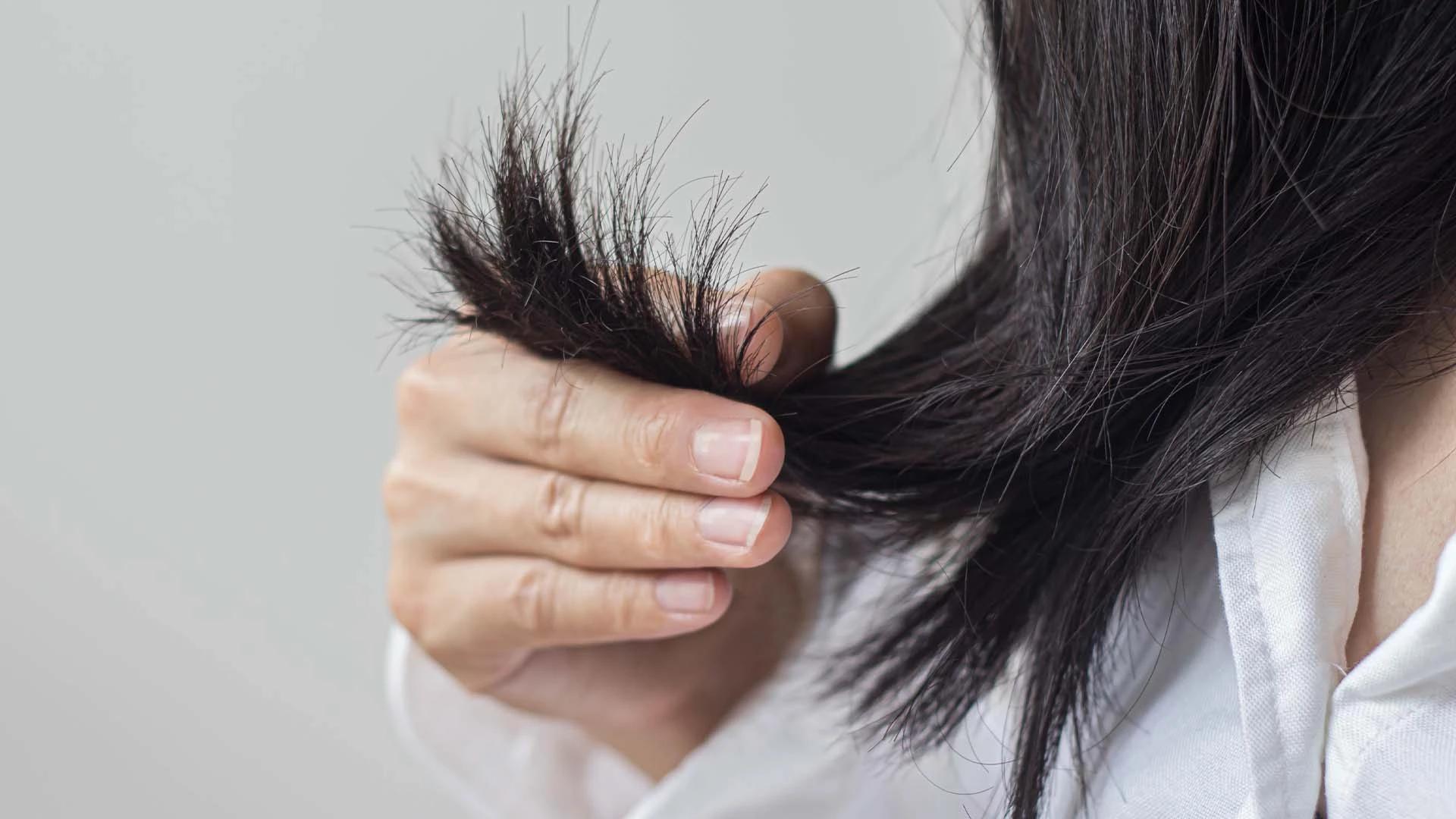
You know that sinking feeling when you run your fingers through your hair and find more strands on your hand than you'd like? Or when your hair feels like straw despite using every product in the beauty aisle? Hair damage creeps up slowly—heat styling here, chemical treatments there, maybe some stress-induced neglect—until one day you're staring at brittle, lifeless strands wondering where it all went wrong. The good news? Damaged hair isn't a life sentence. With the right hair strengthening routine, you can rebuild your hair's resilience and get back to those good hair days you've been missing.
Let's be real—hair damage doesn't happen overnight, and neither does recovery. Your hair is essentially dead protein (keratin) that can't heal itself like your skin does. When the protective cuticle layer gets compromised through heat, chemicals, or rough handling, the inner cortex becomes vulnerable. This leads to breakage, split ends, and that dreaded brittle texture that makes styling feel impossible.
The signs are pretty obvious once you know what to look for: excessive shedding (more than 100 strands daily), hair that snaps easily when wet, lack of shine, rough texture, and difficulty holding styles. Environmental factors like UV exposure, pollution, and even hard water can weaken your hair structure over time. Chemical treatments—colouring, perming, relaxing—strip away natural proteins and moisture, leaving hair vulnerable to further damage.
Here's where a consistent hair strengthening routine becomes your best friend. Think of it as physical therapy for your hair. You're not just treating existing damage; you're building resilience against future stress. Most people see initial improvements within 2-4 weeks of starting a proper routine, with significant changes becoming visible after 2-3 months. Complete recovery can take 6-12 months, depending on the severity of damage, but every week of consistent care moves you closer to stronger, healthier hair.
Your shampoo choice can make or break your hair strengthening efforts—literally. Sulfates, whilst effective at cleaning, can strip away essential oils and proteins that damaged hair desperately needs. Switch to sulfate-free formulas that cleanse without compromising your hair's natural protective barriers.
Frequency matters too. Damaged hair doesn't need daily washing; 2-3 times per week is usually sufficient. Over-washing can exacerbate dryness and lead to more breakage. When you do wash, use lukewarm water instead of hot—high temperatures open the cuticle too much, making hair more vulnerable to damage.
Consider pre-shampoo treatments as your secret weapon. Apply a lightweight oil (coconut, argan, or jojoba) to your lengths and ends before shampooing. This creates a protective barrier that prevents excessive moisture loss during cleansing. Focus your shampoo on the scalp rather than the lengths—your hair doesn't need aggressive cleansing from root to tip.
If gentle cleansing is the foundation, deep conditioning is the cornerstone of any effective hair breakage treatment. Damaged hair has gaps in its structure where proteins and moisture have been lost. Deep conditioning treatments work to temporarily fill these gaps, improving hair elasticity and reducing breakage.
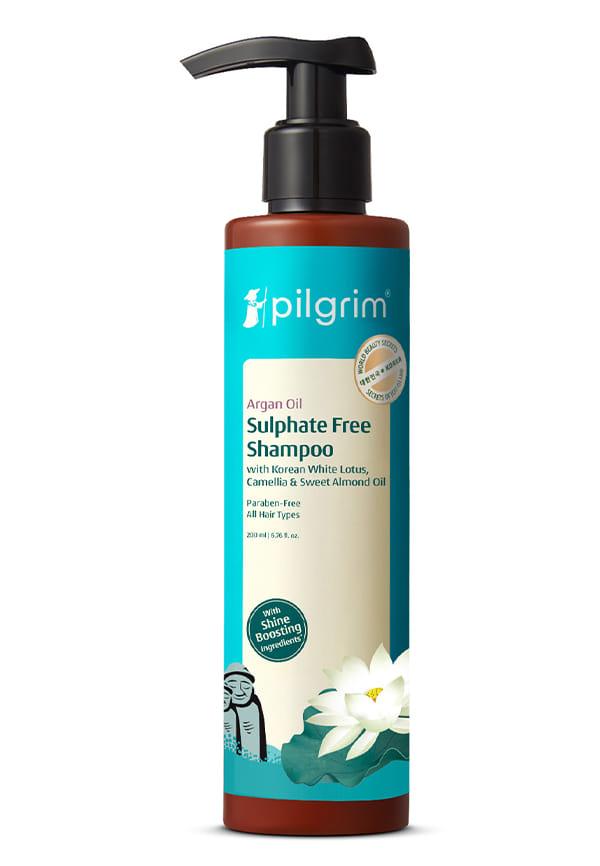
Argan Oil Sulphate Free Shampoo
Weekly deep conditioning should be non-negotiable in your routine. Look for treatments containing hydrolysed proteins (keratin, silk, wheat) that can penetrate the hair shaft. For DIY enthusiasts, protein-rich masks using ingredients like eggs, yoghurt, or mayonnaise can provide similar benefits. However, balance is key—too much protein can make hair stiff and prone to breakage.
Application technique matters as much as the product itself. Apply treatments to damp (not soaking) hair, focusing on mid-lengths and ends where damage is typically most severe. Use a wide-tooth comb to distribute evenly, then cover with a shower cap. Heat from a blow dryer (on low) for 10-15 minutes can help ingredients penetrate deeper. Always follow with a cool water rinse to seal the cuticle.
Strong hair starts with a healthy scalp, and scalp massage is one of the most underrated hair growth support techniques. A daily 4-minute massage increases blood circulation to hair follicles, delivering essential nutrients that support stronger hair growth from the roots.
Use your fingertips (not nails) to apply gentle pressure in circular motions, starting from your hairline and working towards the crown. The key is consistency rather than intensity—aggressive rubbing can actually cause more damage. Essential oils like rosemary and peppermint can amplify benefits; studies suggest rosemary oil may be as effective as minoxidil for promoting hair growth.
Invest in a scalp massage tool if manual massage feels tiring. Silicone scalp brushes or wooden massage tools can provide consistent pressure and make the process more enjoyable. The goal is to stimulate circulation without causing irritation or pulling on fragile strands.
Heat styling is often the biggest culprit behind hair damage, but you don't have to give up your styling tools entirely. The key is smart heat protection and temperature control. Never use heat tools on wet hair—the rapid moisture evaporation can literally boil your hair from the inside out.
Invest in a quality heat protectant that forms a barrier between your hair and styling tools. Apply it to damp hair before blow-drying, and again to dry hair before using flat irons or curling tools. Keep temperatures below 180°C for fine or damaged hair, and below 200°C for thick or coarse hair.
Embrace air-drying techniques that work with your natural texture rather than against it. Plopping for curly hair, braiding for waves, or using foam rollers for volume can give you styled looks without heat damage. When you do use heat tools, make sure they're clean—product buildup can create hot spots that damage hair unevenly.
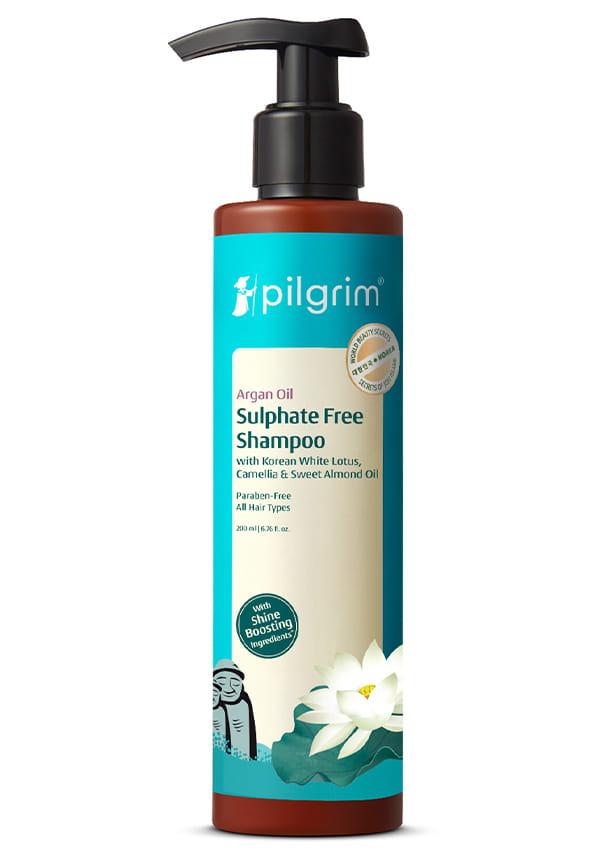
Hydrating Sulfate Free Shampoo With Argan Oil
Your hair is essentially a reflection of your overall health, and nutritional deficiencies often show up as weak, brittle strands. Protein is crucial since hair is primarily made of keratin—aim for lean meats, fish, eggs, legumes, and nuts in your daily diet.
Iron deficiency is particularly common in women and directly impacts hair strength. Include iron-rich foods like spinach, lentils, and lean red meat, paired with vitamin C sources to improve absorption. Biotin, whilst popular in hair supplements, is rarely deficient in people with balanced diets—focus on getting it naturally through eggs, nuts, and seeds.
Omega-3 fatty acids from fish, walnuts, and flaxseeds help maintain scalp health and add natural shine to hair. Zinc supports hair tissue growth and repair—find it in pumpkin seeds, chickpeas, and shellfish. Remember, supplements work best when addressing actual deficiencies, so consider getting blood work done before starting any new regimen.
Sometimes damaged hair needs professional intervention, especially if you're dealing with severe chemical damage or significant breakage. Salon treatments like Olaplex, K18, or protein reconstructors can provide intensive repair that's difficult to achieve at home.
Professional treatments typically use higher concentrations of active ingredients and may include techniques like steam processing or infrared heat that enhance penetration. However, they're also significantly more expensive—a single salon treatment can cost what you'd spend on several months of at-home care.
The sweet spot for most people is combining occasional professional treatments with consistent at-home maintenance. Use salon treatments for major damage control or seasonal tune-ups, whilst maintaining daily and weekly routines at home. This approach gives you professional-level results without the professional-level price tag.
Your ideal routine depends on your hair type, damage level, and lifestyle. Fine hair might need lighter products applied more frequently, whilst thick hair can handle richer treatments less often. Colour-treated hair requires extra protein support, whilst chemically relaxed hair needs more moisture focus.
Start with the basics: gentle cleansing 2-3 times weekly, deep conditioning once weekly, and daily scalp massage. Add treatments gradually—introducing everything at once can overwhelm damaged hair and make it difficult to identify what's actually helping.
Track your progress with photos and notes about texture, breakage, and manageability. This helps you adjust your routine based on what's working rather than guessing. Common mistakes include over-conditioning (which can make hair limp), using too much protein (causing stiffness), or expecting overnight results from long-term damage.
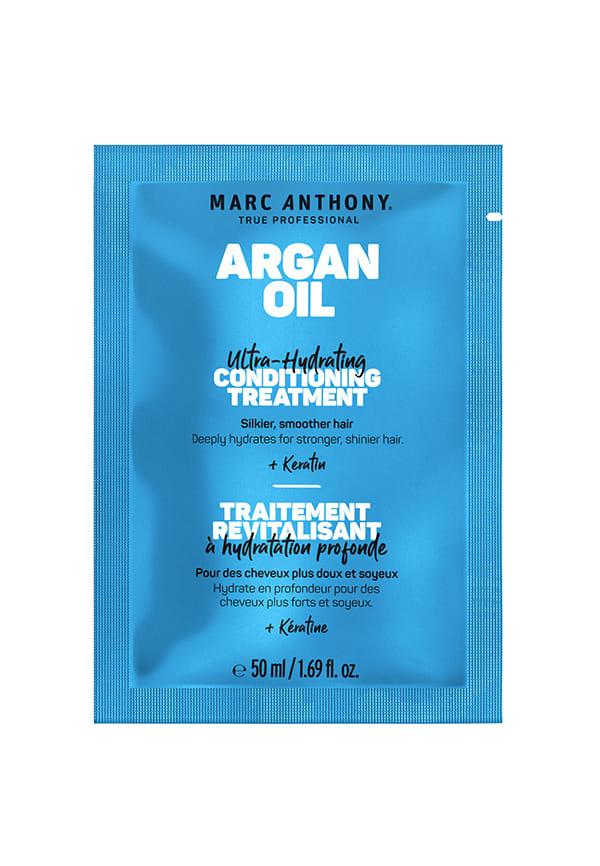
Nourishing Argan Oil Deep Hydrating Conditioning Treatment Mask
Start with a sulfate-free strengthening shampoo and incorporate weekly deep conditioning treatments. Add daily scalp massage to improve circulation and always use heat protection when styling. Focus on gentle handling—avoid tight hairstyles, rough towel drying, and aggressive brushing when hair is wet. Consistency is more important than using expensive products.
Regular scalp massage increases blood flow to hair follicles, promoting stronger growth. Natural oils like coconut, argan, and jojoba provide moisture and protection without chemicals. Maintain a protein-rich diet with plenty of iron, zinc, and omega-3 fatty acids. Stay hydrated and protect your hair from environmental damage with scarves or UV-protective products.
You might notice initial improvements in texture and manageability within 2-4 weeks of starting a consistent routine. Significant changes in strength and elasticity typically appear after 2-3 months. Complete recovery from severe damage can take 6-12 months, since you're essentially growing out damaged hair whilst protecting new growth.
A effective routine includes gentle cleansing 2-3 times weekly with sulfate-free products, weekly deep conditioning treatments, daily scalp massage, and consistent heat protection. Adjust frequency and product intensity based on your hair type—fine hair needs lighter products more often, whilst thick hair can handle richer treatments less frequently.
Building hair resilience isn't about finding one miracle product—it's about creating sustainable habits that support your hair's natural strength. The nine strategies we've covered work together to address different aspects of hair health, from the scalp environment to the hair shaft structure.
Remember that hair strengthening is a marathon, not a sprint. Damaged hair took time to get that way, and it'll take time to recover. The key is consistency with gentle, nourishing practices rather than harsh treatments that promise quick fixes.
Not sure which products might work best for your specific hair concerns? Smytten offers trial-size versions of many strengthening treatments and hair care products—a smart way to test different formulations before committing to full bottles. This way, you can build your perfect hair strengthening routine without the guesswork or waste of buying products that don't suit your hair's unique needs.
