9 Ways to Soothe Scalp Irritation & Redness
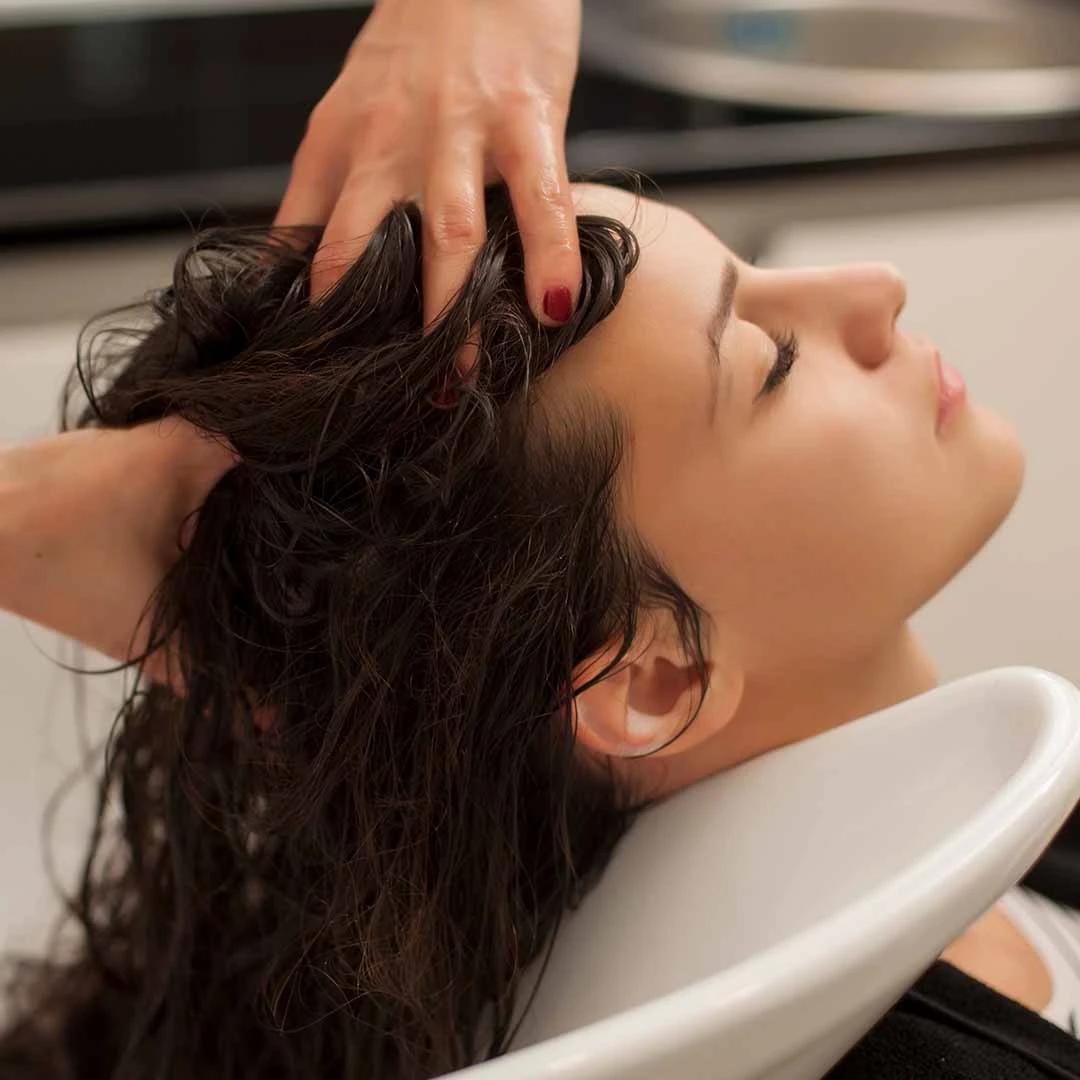

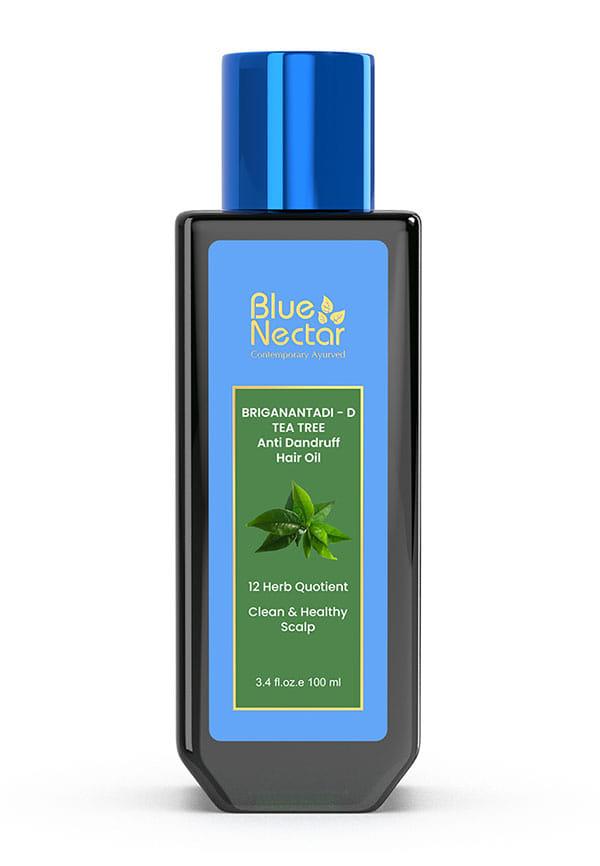
Tea Tree Anti Dandruff and Healthy Scalp Oil 12 Herbs
You know that moment when your scalp feels like it's staging a rebellion? The constant itching, the angry red patches, the way your head feels tender to touch — it's honestly the worst. Whether it's from trying a new product that didn't agree with you, stress wreaking havoc on your skin, or just one of those mysterious flare-ups that seem to come from nowhere, scalp irritation can turn even the simplest hair routine into a nightmare. The good news? You're not stuck dealing with this forever, and there are actually loads of ways to get your scalp back to its happy, comfortable self.
Let's be real — your scalp is basically an extension of your facial skin, just hidden under all that hair. When it gets irritated, it's usually trying to tell you something. Scalp sensitivity can show up as redness, itching, burning, or that tight, uncomfortable feeling that makes you want to scratch constantly. The tricky bit is figuring out what's actually causing the drama.
Product reactions top the list of scalp troublemakers. That new shampoo with the gorgeous packaging? It might contain sulfates or fragrances that your scalp absolutely hates. Chemical treatments like hair dyes, relaxers, or even heat styling can also trigger scalp inflammation. Then there's the environmental stuff — pollution, harsh weather, or even the chlorine from your weekend pool sessions can leave your scalp feeling raw and angry.
Most scalp discomfort is temporary and totally manageable with the right approach. But sometimes, persistent redness on scalp, severe flaking, or patches that won't heal might signal something that needs proper medical attention. If your symptoms stick around for more than a few weeks or get progressively worse, it's worth chatting with a dermatologist.
Ready to show your scalp some serious love? These methods have been tried, tested, and loved by people dealing with everything from mild sensitivity to full-blown scalp drama. The best part? Most of these ingredients are probably already sitting in your kitchen or bathroom cabinet.
Your scalp has a natural pH of around 4.5 to 5.5, but harsh products can throw this balance completely off. An apple cider vinegar rinse helps restore that sweet spot whilst gently removing product buildup. Mix one part ACV with three parts water, pour it over your scalp after shampooing, massage gently, and rinse thoroughly. Do this once or twice a week — any more and you might end up over-drying your scalp.
Tea tree oil is like that friend who's always got your back — it's antimicrobial, anti-inflammatory, and brilliant for calming angry scalps. But here's the thing: never use it neat. Always dilute it with a carrier oil like coconut or jojoba (about 5-10 drops per tablespoon of carrier oil). Massage it into your scalp, leave for 10-15 minutes, then shampoo as usual. Patch test first though — some people find it too intense for their sensitive scalp care routine.
Oatmeal isn't just for breakfast — it's actually a powerhouse for soothing irritated skin. Colloidal oatmeal (basically oats ground into a fine powder) contains compounds called avenanthramides that reduce inflammation and itching. Blend half a cup of oats into a fine powder, mix with enough water to make a paste, apply to your scalp, and leave for 15-20 minutes before rinsing. Your scalp will thank you for the gentle moisture boost.
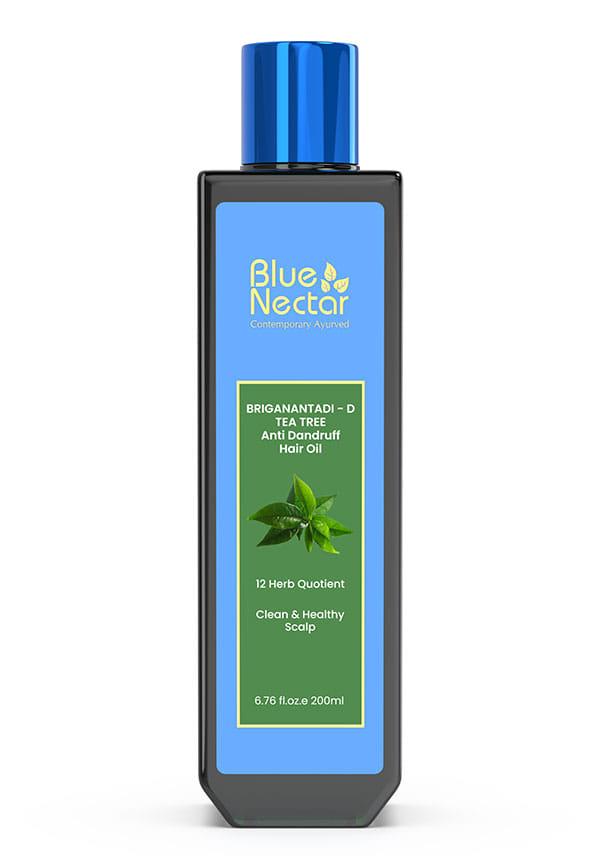
Tea Tree Anti Dandruff and Healthy Scalp Oil 12 Herbs
Coconut oil is having a moment for good reason — it's naturally antimicrobial and deeply moisturising. For scalp redness relief, warm a small amount between your palms and massage it into your scalp using gentle circular motions. Leave it on for at least 30 minutes (or overnight if you're feeling fancy), then shampoo twice to remove all the oil. Virgin, cold-pressed coconut oil works best for this.
Fresh aloe vera gel is like an instant ice pack for your scalp — it cools, soothes, and reduces inflammation almost immediately. If you've got an aloe plant, slice open a leaf and scoop out the gel. No plant? Look for 99% pure aloe vera gel without added fragrances or alcohols. Apply directly to irritated areas, leave for 20-30 minutes, then rinse with cool water. The relief is honestly instant.
Peppermint oil creates this amazing cooling sensation that can distract from itching whilst improving blood circulation to your scalp. Mix 3-5 drops with a tablespoon of carrier oil and massage into your scalp. The menthol provides immediate relief, but don't go overboard — too much can actually irritate sensitive skin. Start with less and work your way up.
Zinc pyrithione is the MVP ingredient in many anti-dandruff shampoos, but it's also brilliant for general scalp inflammation. It has antifungal and antibacterial properties that help calm irritated scalps. Use a zinc pyrithione shampoo 2-3 times a week, alternating with your regular gentle shampoo. Look for formulations with 1-2% zinc pyrithione for best results.
Sometimes scalp irritation comes from buildup of dead skin cells and product residue. Salicylic acid gently exfoliates without being too harsh on sensitive scalps. Look for scalp treatments with 0.5-2% salicylic acid, use once a week max, and always follow up with a moisturising treatment. This is particularly helpful for dry flaky scalp conditions.
Here's something most people don't realise — stress can absolutely trigger scalp irritation. When you're stressed, your body produces more cortisol, which can lead to inflammation everywhere, including your scalp. Regular meditation, yoga, or even just taking time for yourself can genuinely help reduce scalp sensitivity. It's not just hippie nonsense — there's actual science behind the mind-skin connection.
Once you've got your scalp feeling better, the next step is building a routine that keeps it happy long-term. This means being super picky about what you put on your head and learning to read ingredient lists like a pro.
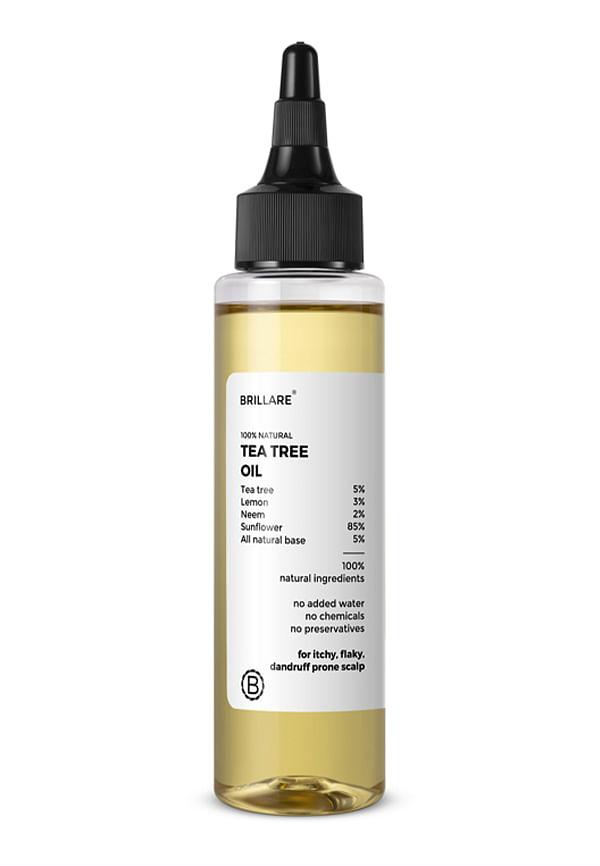
Tea Tree Hair Oil For Dandruff Control
When shopping for products, look for gentle, pH-balanced formulations that won't disrupt your scalp's natural barrier. Ingredients like ceramides, hyaluronic acid, and niacinamide are brilliant for maintaining moisture and reducing inflammation. Panthenol (pro-vitamin B5) is another winner — it's soothing and helps repair damaged skin.
Sulfates like sodium lauryl sulfate can be way too harsh for sensitive scalps, stripping away natural oils and causing irritation. Drying alcohols (anything ending in -ol like ethanol or isopropyl alcohol) can also trigger flare-ups. Fragrances and certain preservatives like methylisothiazolinone are common culprits too. When in doubt, go for fragrance-free, hypoallergenic options.
Less is definitely more when dealing with scalp irritation. Wash your hair every 2-3 days max, use lukewarm water instead of hot, and be gentle when massaging your scalp. Layer products carefully — if you're using multiple treatments, introduce them one at a time so you can figure out what works and what doesn't.
Sometimes, despite your best DIY efforts, your scalp needs a bit more help. That's totally normal and nothing to stress about — some conditions just require stronger treatments.
Hydrocortisone cream (0.5-1%) can be really effective for reducing scalp inflammation when used sparingly. Medicated shampoos containing ketoconazole, selenium sulfide, or coal tar can also help with more stubborn irritation. These are stronger than your typical gentle shampoos, so use them as directed and not more frequently than recommended.
If over-the-counter options aren't cutting it, a dermatologist might prescribe stronger topical corticosteroids or antifungal medications. These are much more potent and should only be used under medical supervision. Don't feel like you've failed if you need prescription help — some scalp conditions genuinely require professional treatment.
When you see a dermatologist, come prepared with details about when your symptoms started, what products you've been using, and what treatments you've already tried. Photos can be helpful too, especially if your symptoms come and go. The more information you can provide, the better they can help you find the right solution.
Once you've got your scalp back to its happy place, the goal is keeping it there. Prevention is honestly so much easier than dealing with flare-ups after they happen.
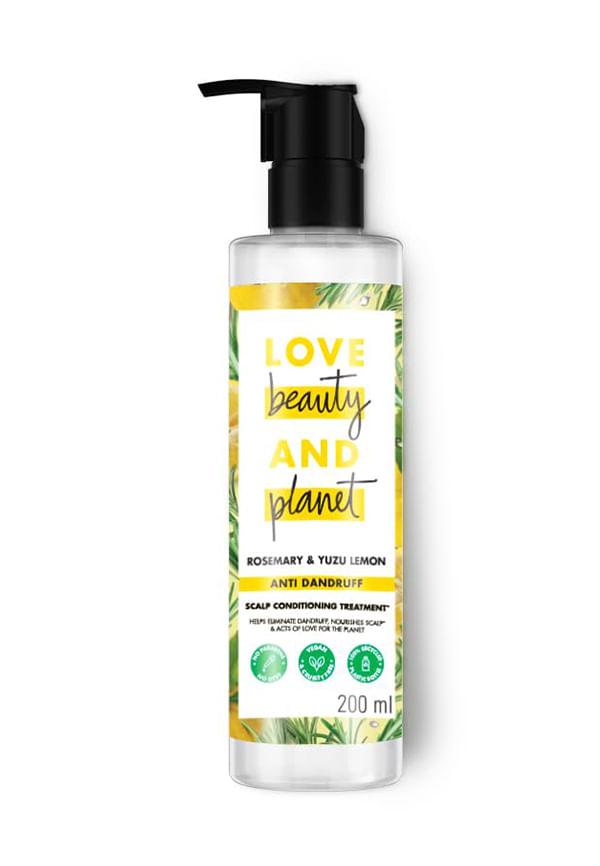
Rosemary & Yuzu Lemon Anti Dandruff Scalp Conditioning Treatment
Use a wide-tooth comb or soft-bristled brush to avoid scratching your scalp. Change your pillowcases regularly and consider switching to silk or satin if you haven't already — they're gentler on both your hair and scalp. Protect your scalp from sun exposure with hats or UV-protective hair products, especially if you have thinning hair or part your hair in the same place every day.
Your scalp's needs change with the weather. Winter often means more dryness and irritation from indoor heating, so you might need richer, more moisturising treatments. Summer brings its own challenges with increased sweating, sun exposure, and humidity. Adjust your routine seasonally rather than sticking to the same products year-round.
What you eat and how you live genuinely affects your scalp health. Omega-3 fatty acids from fish, nuts, and seeds help maintain healthy skin. Staying hydrated is crucial — dehydrated skin is more prone to irritation. Getting enough sleep and managing stress levels also play a huge role in keeping inflammation at bay.
Most people notice some relief within a few days of starting gentle treatments like aloe vera or oatmeal masks. For deeper issues like chronic scalp inflammation, it might take 2-4 weeks of consistent treatment to see significant improvement. The key is being patient and consistent rather than switching treatments every few days.
It's better to introduce one treatment at a time so you can figure out what's actually helping. Once you know what works, you can combine gentle treatments like coconut oil and aloe vera. However, avoid mixing active ingredients like salicylic acid and tea tree oil without testing first — sometimes less is more with sensitive scalps.
Nighttime scalp irritation often comes down to your bedding, sleeping position, or evening routine. Rough pillowcases can cause friction, and lying in one position for hours can increase pressure on certain areas. Try switching to silk pillowcases and make sure your hair is completely dry before bed to prevent bacterial growth.
Chronic scalp inflammation can potentially affect hair growth if left untreated, but temporary irritation usually doesn't cause permanent hair loss. The itching and scratching that comes with scalp discomfort can cause breakage, but this grows back once the irritation is resolved. If you're noticing significant hair loss alongside scalp issues, definitely chat with a dermatologist.
Dealing with scalp irritation can feel overwhelming, but remember that most cases are totally manageable with the right approach and a bit of patience. Start with gentle, natural remedies and work your way up to stronger treatments only if needed. Pay attention to what your scalp is telling you — it's usually pretty good at letting you know what it likes and what it definitely doesn't.
The key to finding the best scalp irritation relief is often about trial and error, which is where Smytten's curated selection of haircare products really comes in handy. With brands like WishCare, Love Beauty & Planet, and other trusted names, you can explore different formulations and find what works for your specific scalp needs. Not sure which treatment approach suits your scalp best? Smytten also offers trial-size versions of many scalp care products — a smart way to test before committing to full-size bottles.
