9 Ways to Repair Chemically Treated Hair with a Kit

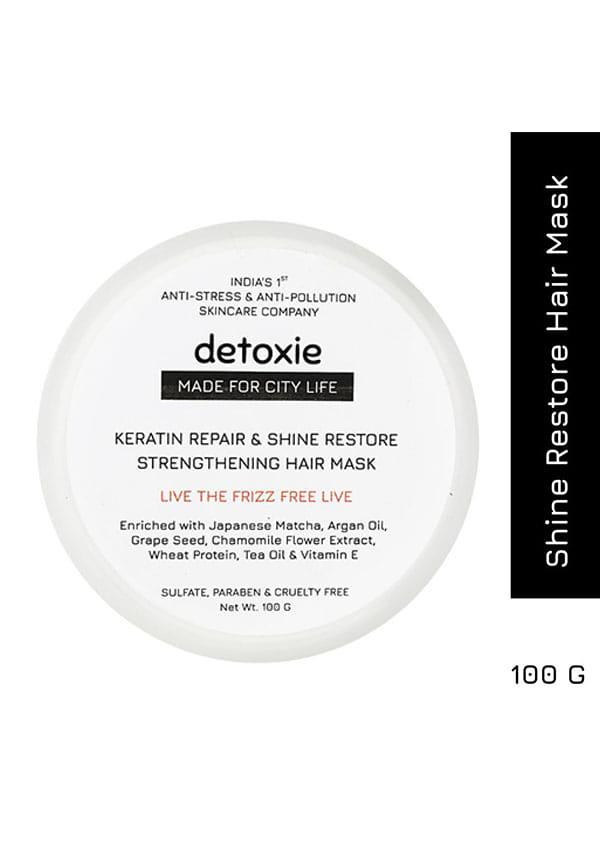
Keratin Repair & Shine Restore Strengthening Hair Mask
Chemical treatments like bleaching, colouring, relaxing, or perming can leave your hair feeling like straw—brittle, dry, and prone to breakage. If you've been there, you know the struggle of trying to bring your strands back to life with regular products that just don't cut it. The truth is, chemically treated hair needs a completely different approach to recovery. That's where a proper hair repair kit for chemically treated hair becomes your best mate. These specialised kits are designed to tackle the unique damage that chemical processes cause, working from the inside out to rebuild, strengthen, and restore your hair's natural health. Whether you're dealing with colour damage, over-processing, or just general brittleness, the right repair strategy can make all the difference. At Smytten, we've seen countless users transform their damaged hair using targeted repair kits—and trust us, the results are worth obsessing over.
TL;DR
Chemical treatments damage hair's protein structure, requiring specialised repair kits with protein treatments and reconstructive masks
Effective repair involves 9 key methods: protein treatments, deep conditioning, gentle cleansing, leave-in care, oil treatments, pH balancing, heat-free styling, progressive scheduling, and combination therapy
Different chemical treatments (colour, keratin, relaxers) need tailored aftercare approaches for optimal recovery
Consistency is key—visible results typically appear after 4-6 weeks of dedicated treatment
Avoid common mistakes like over-treating with protein or skipping moisture to prevent further damage
Let's be real—chemical treatments don't just change your hair's appearance; they fundamentally alter its structure. When you bleach, colour, or chemically straighten your hair, you're breaking down the protein bonds that give your strands their strength and elasticity. This process leaves your hair cuticles lifted and damaged, making it porous and vulnerable to further breakage.
The signs of chemically damaged hair are pretty obvious once you know what to look for. Your hair might feel rough to the touch, tangle easily, or snap when you brush it. You might notice excessive shedding, dullness, or that your hair just won't hold moisture no matter how much conditioner you slather on. This isn't just surface-level damage—it's deep structural trauma that requires targeted damaged hair treatment to properly address.
Regular drugstore products simply aren't formulated to handle this level of damage. They might provide temporary smoothness or shine, but they won't actually repair the broken protein bonds or restore your hair's structural integrity. That's why investing in a proper hair repair kit for chemically treated hair is absolutely essential for anyone serious about recovery.
Not all hair repair kits are created equal, and knowing what to look for can save you time, money, and further frustration. The most effective kits combine multiple treatment types to address different aspects of chemical damage.
Protein treatments are the backbone of any good repair kit. These treatments contain hydrolysed proteins that can temporarily fill in the gaps left by damaged protein bonds. Look for ingredients like keratin, wheat protein, or silk amino acids. A quality hair protein treatment should leave your hair feeling stronger and more elastic, not stiff or brittle.
Reconstructive hair masks work deeper than regular conditioners, delivering intensive moisture and nutrients to severely damaged strands. These typically contain a blend of proteins, ceramides, and natural oils that work together to rebuild your hair's structure from within.
Gentle, sulfate-free cleansing products are crucial because harsh detergents can strip away what little moisture your damaged hair has left. Your kit should include a mild shampoo that cleanses without further compromising your hair's integrity.
Leave-in treatments and heat protectants round out a comprehensive kit, providing daily protection and ongoing nourishment. These products help maintain the progress you make with your intensive treatments whilst protecting against environmental damage and styling stress.
Protein treatments are your first line of defence against structural damage. Start with a strand test to determine how much protein your hair can handle—over-processing with protein can actually make your hair more brittle. Apply the treatment to clean, damp hair, focusing on the mid-lengths and ends where damage is typically most severe. Leave on for the recommended time (usually 10-20 minutes), then rinse thoroughly. Most damaged hair benefits from weekly protein treatments initially, tapering to bi-weekly as your hair improves.
Your reconstructive hair mask should be used immediately after protein treatments to balance strength with moisture. Apply generously from mid-length to ends, avoiding the roots to prevent weighing down your hair. For enhanced penetration, cover with a shower cap and apply gentle heat with a blow dryer for 5-10 minutes. This helps the treatment penetrate deeper into damaged cuticles.
Damaged hair needs a completely different washing approach. Use lukewarm water instead of hot, which can further lift damaged cuticles. Apply shampoo primarily to your scalp, letting the suds gently cleanse your lengths as you rinse. Consider co-washing (conditioner-only washing) between shampoo sessions to maintain moisture levels whilst keeping your scalp clean.
Daily leave-in treatments are essential for ongoing protection and repair. Apply to damp hair before styling, focusing on the most damaged areas. The key is finding the right amount—too little won't provide adequate protection, whilst too much can weigh your hair down. Start with a small amount and build up as needed to strengthen chemically processed hair over time.
Natural oils can provide deep nourishment that water-based treatments sometimes can't reach. Argan, coconut, and jojoba oils are particularly beneficial for chemically treated hair. For a hot oil treatment, warm the oil slightly (test temperature on your wrist), apply to dry hair, and leave for 30 minutes to overnight before washing out. This method is especially effective for color treated hair repair as it helps seal the cuticles and lock in colour.
Chemical treatments often leave your hair's pH severely imbalanced, which can prevent proper moisture retention and make your hair feel rough. Apple cider vinegar rinses (1 part vinegar to 4 parts water) can help restore your hair's natural acidity. Use this treatment once weekly after shampooing but before conditioning.
During the recovery phase, your hair is particularly vulnerable to heat damage. Embrace air-drying techniques, protective styles, and heat-free methods to create texture and volume. When you must use heat, always apply a thermal protectant and use the lowest effective temperature. This approach provides crucial hair breakage solutions by eliminating additional stress on already compromised strands.
Recovery isn't linear, and your treatment schedule should reflect your hair's changing needs. Start with intensive treatments (protein and deep conditioning) twice weekly for the first month, then gradually reduce frequency as your hair improves. Keep a hair journal to track what works and adjust your routine accordingly.
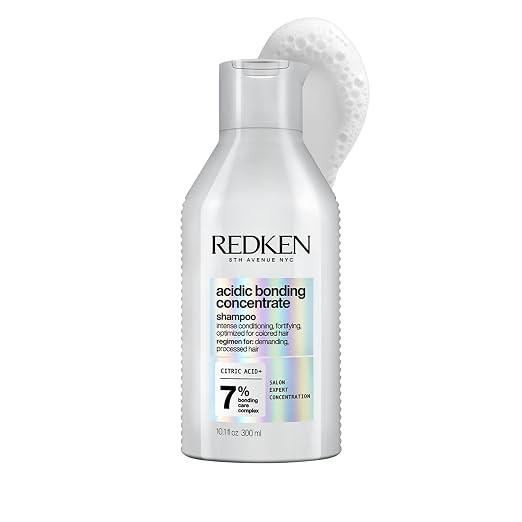
The most effective recovery happens when you combine different treatment types strategically. For example, alternate between protein treatments and moisturising masks, or layer a leave-in treatment under a styling cream for maximum protection. The Redken Acidic Bonding Concentrate Shampoo Conditioner Leave-In Combo 750ml exemplifies this approach, offering a complete system that works synergistically to rebuild bonds whilst providing daily care and protection for chemically treated hair.
Coloured hair faces unique challenges because you need to repair damage whilst preserving your colour investment. Use sulfate-free products exclusively, as sulfates can strip colour faster than anything else. Cold water rinses help seal the cuticles and lock in colour, whilst UV protection becomes crucial for preventing fade. Color treated hair repair often requires gentler protein treatments to avoid affecting colour molecules.
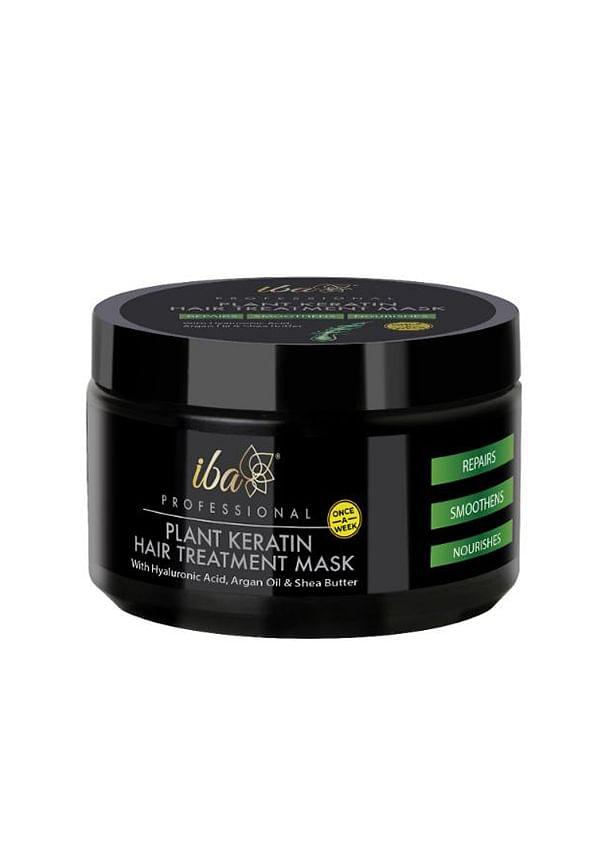
Professional Plant Keratin Hair Treatment Mask
Great Hair Care
 5
5“hair care range so nice product 💯”
If you've had a keratin treatment, your repair approach needs to be compatible with the treatment's chemistry. Avoid sulfates completely, as they can strip the keratin coating. Keratin treatment aftercare focuses more on moisture maintenance than protein addition, since the treatment itself provides structural support. Use gentle, pH-balanced products and avoid excessive manipulation during the first few weeks.
Relaxed hair is often the most fragile because the chemical process permanently alters the hair's structure. Focus heavily on moisture and gentle handling. Protein treatments should be used sparingly and always followed by intensive conditioning. The goal is to restore brittle hair without disrupting the straightening effects.
Your repair schedule should be based on your specific damage level and hair type. Assess your damage honestly—mild damage might show as slight dryness and occasional breakage, whilst severe damage involves significant breakage, extreme dryness, and possible elasticity loss.
For mild damage, start with weekly treatments and daily leave-in protection. Moderate damage requires twice-weekly intensive treatments for the first month, then weekly maintenance. Severe damage might need professional consultation alongside your at-home routine.
Create a weekly calendar that alternates between protein and moisture treatments, ensuring you never do both on the same day. Track your progress with photos and notes about how your hair feels and behaves. Most people see noticeable improvement after 4-6 weeks of consistent treatment.
Remember that hair recovery products work best when used as part of a complete system rather than random individual treatments. Consistency trumps intensity every time.
One of the biggest mistakes people make is over-treating with protein. Your hair needs a balance of protein and moisture, and too much protein can actually make your hair more brittle and prone to breakage. If your hair feels stiff or rough after a protein treatment, you've likely overdone it.
Skipping moisture treatments is equally damaging. Even the most protein-depleted hair needs regular conditioning to maintain flexibility and prevent further breakage. Never do a protein treatment without following up with a moisturising treatment.
Using incompatible products can sabotage your efforts. For example, using clarifying shampoos whilst trying to maintain a keratin treatment, or mixing products with conflicting pH levels. Stick to product lines designed to work together, or at least ensure compatibility.
Heat styling during the recovery phase is like picking at a scab—it prevents proper healing and can cause additional damage. If you must use heat, always use protection and the lowest effective temperature.
Finally, expecting overnight results will only lead to disappointment and potentially harmful over-treatment. Hair repair is a gradual process that requires patience and consistency.
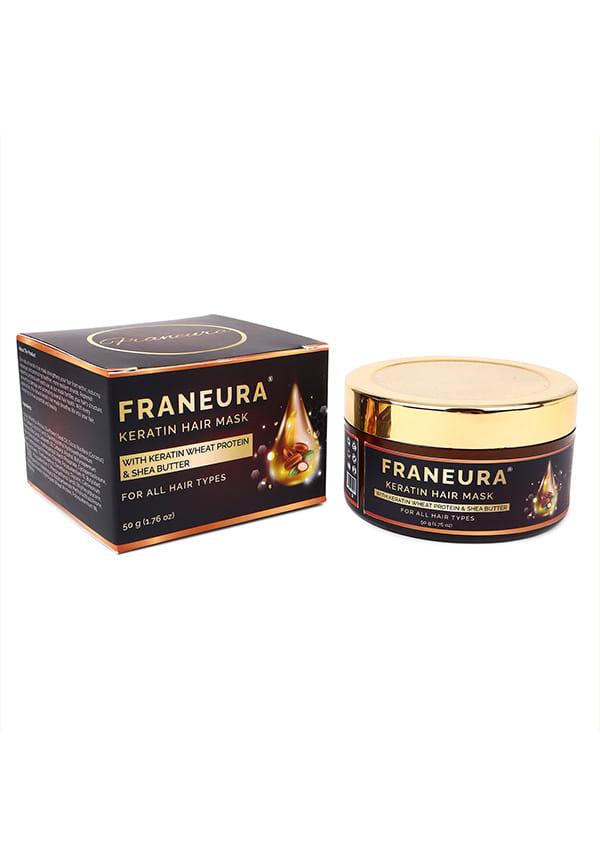
Keratin Hair Mask, Helps in Keratin Restoration and Shea Butter Nourishment
Positive Product Review
4“good product. nice 1. liked it.”
Visible improvement typically begins after 2-3 weeks of consistent treatment, with significant results appearing after 6-8 weeks. Complete recovery can take 3-6 months depending on the severity of damage and your hair's natural growth rate.
Regular conditioners provide surface smoothing but lack the concentrated proteins and nutrients needed for deep structural repair. Reconstructive hair masks are specifically formulated to penetrate damaged cuticles and rebuild protein bonds that regular conditioners simply can't address.
This depends on your damage level and hair type. Start with weekly treatments for severely damaged hair, bi-weekly for moderate damage, and monthly for maintenance. Always follow protein treatments with moisture to maintain balance.
This depends on the extent of damage. Hair that's severely compromised with significant breakage and split ends may need trimming to prevent further damage from travelling up the hair shaft. However, many types of chemical damage can be successfully repaired with proper treatment.
It's best to focus on repair first, then colour. However, if you must colour during repair, use gentle, ammonia-free formulas and ensure your hair has adequate protein and moisture before the chemical process. Always consult with a professional colourist who understands damaged hair.
Damaged hair treatment involves targeted repair ingredients like proteins, ceramides, and intensive conditioning agents that work to rebuild hair structure. Regular hair care focuses on maintenance and prevention rather than active repair of existing damage.
Repairing chemically treated hair requires a strategic, multi-faceted approach that addresses both protein loss and moisture depletion. The most effective hair repair kit for chemically treated hair will include protein treatments, reconstructive masks, gentle cleansing products, and leave-in protection.
Success depends on consistency, patience, and using the right combination of treatments for your specific type of chemical damage. Whether you're dealing with colour damage, relaxer damage, or general over-processing, the nine methods outlined here provide a comprehensive framework for recovery.
Remember that different chemical treatments require tailored approaches—what works for colour-treated hair might not be ideal for relaxed hair. Always assess your damage level honestly and adjust your treatment intensity accordingly.
Most importantly, avoid common pitfalls like protein overload, heat styling during recovery, and expecting instant results. With the right approach and products, even severely damaged hair can be restored to health and vitality.
Finding the right products to moisturize dry damaged hair and rebuild its strength doesn't have to be a guessing game. Smytten makes it easier than ever to discover effective hair repair solutions through our curated trial packs from trusted brands. With over 2,400 brands available, including professional haircare lines specifically designed for chemically treated hair, you can try before you buy to find what actually works for your unique damage. Our platform offers authentic brand-verified minis that let you test different protein treatments, reconstructive masks, and repair serums without the commitment of full-size purchases. Plus, with 100% cashback on trials, you can explore multiple repair options affordably. When you find your perfect hair repair kit, purchasing the full-size version is just a click away in our shop. With PAN-India delivery and over 28 million users trusting our platform, Smytten ensures you never have to settle for damaged hair when you can #TryItAll!
