9 Ways to Repair Brittle Hair with the Right Conditioner
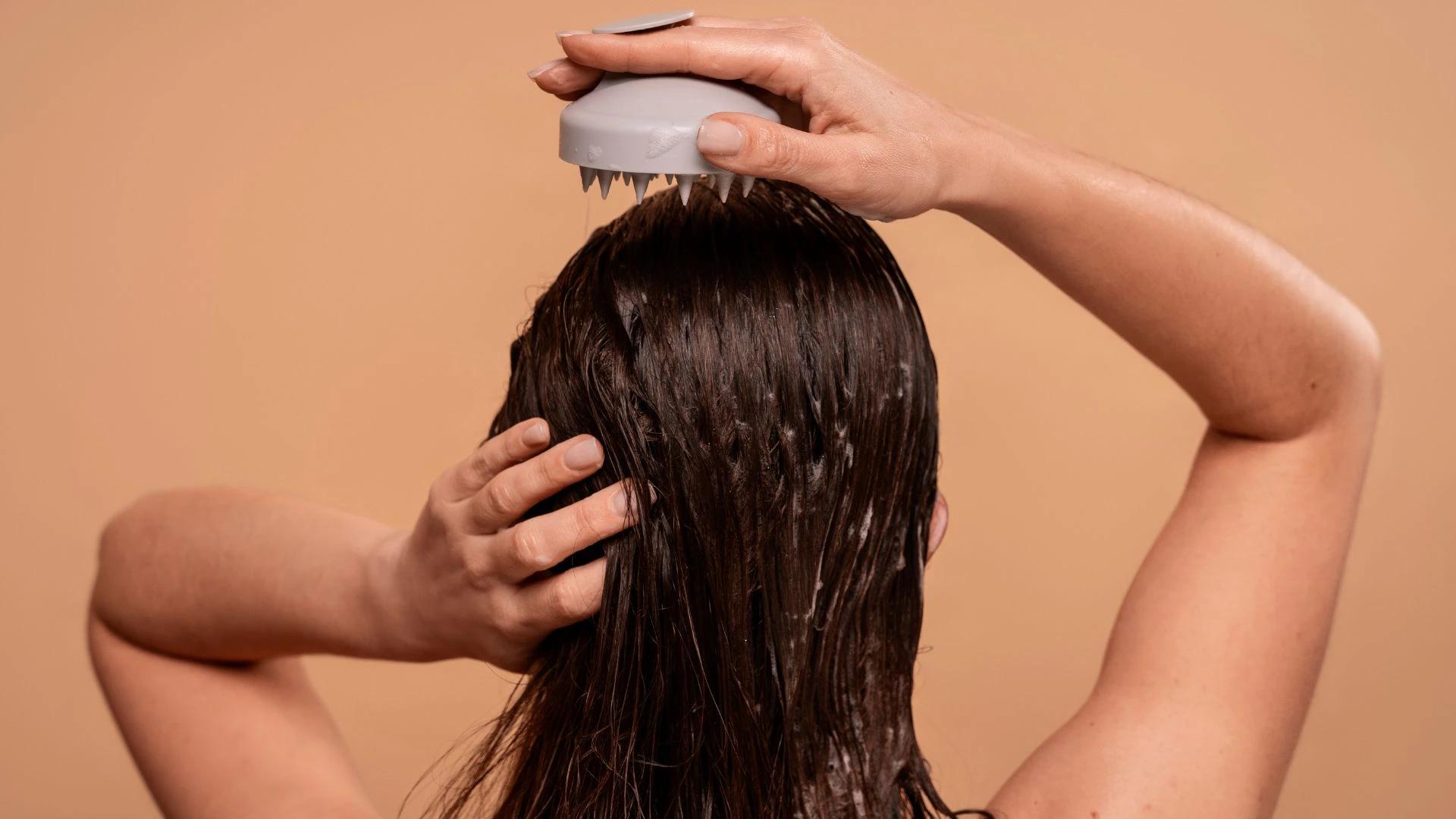

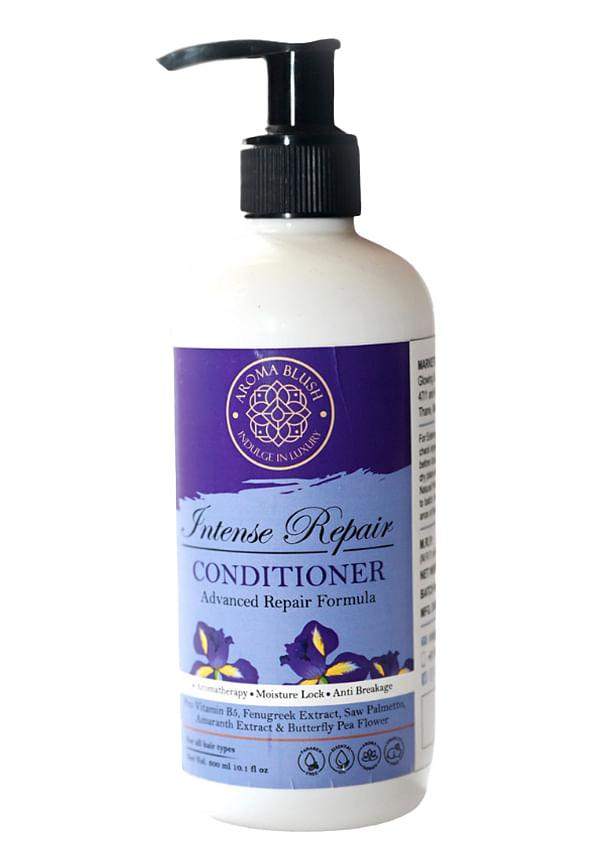
Intense Repair Conditioner
Good for frizz
 4
4“a decent conditioner which reduce the friz”
Effective, Lightweight Conditioner for Thin Hair
4“The conditioner does exactly what it syas without weighing my hair down, which are already thin in texture”
Let's be real—brittle, over-processed hair can feel like a lost cause. You've probably tried countless products, only to watch your strands snap and break with every brush stroke. But here's the thing: the right conditioner for over processed brittle hair prone to breakage can actually turn things around. It's not about finding a miracle cure overnight, but understanding how to work with your damaged hair instead of against it. Whether you've gone overboard with bleaching, heat styling, or chemical treatments, your hair isn't beyond repair. At Smytten, we've seen how the right conditioning routine can transform even the most damaged strands. The key is knowing which ingredients actually work, how to apply them properly, and being patient with the process. Your hair didn't get this way overnight, and it won't heal overnight either—but with the right approach, you might just be surprised by what's possible.
TL;DR
Brittle hair needs a combination of protein and moisture treatments, not just one or the other
The right application technique matters as much as the product itself—sectioning and saturation are key
Deep conditioning treatments should be done weekly, but daily leave-in protection is equally important
Look for ingredients like hydrolyzed proteins, ceramides, and natural oils that actually rebuild hair structure
Realistic timeline for visible improvement is 4-6 weeks with consistent use of proper conditioning methods
Before diving into solutions, let's talk about what you're actually dealing with. Over-processed hair isn't just "a bit dry"—it's structurally damaged at the cuticle and cortex level. You'll notice telltale signs like hair that snaps when wet, feels rough even after conditioning, and develops split ends faster than you can trim them.
The main culprits behind this damage include repeated chemical treatments (bleaching, perming, relaxing), excessive heat styling without protection, and environmental factors like sun exposure and pollution. When your hair cuticles are lifted and damaged, moisture escapes while harmful elements get in, creating a cycle of increasing brittleness.
Traditional conditioners often fail because they only provide surface-level moisture without addressing the underlying structural damage. Your hair needs more than just a quick moisture boost—it needs actual repair work. This is where understanding the difference between a regular moisturising conditioner and a true hair repair conditioner becomes crucial.
Real hair repair happens when you address both the protein structure and moisture balance of your strands. A proper strengthening conditioner works by filling in the gaps in your damaged hair cuticles with proteins small enough to penetrate the hair shaft. Think of it like patching holes in a wall—you need the right materials and the right technique.
The most effective ingredients include hydrolyzed proteins (keratin, silk, wheat), ceramides that help rebuild the hair's natural protective barrier, and amino acids that act as building blocks for new hair structure. Unlike surface conditioners that just coat the hair, these ingredients actually integrate into your hair's structure.
When shopping for an anti-breakage conditioner, your ingredient list is your best friend. Hydrolyzed proteins are non-negotiable—they're small enough to penetrate damaged cuticles and fill in structural gaps. Look for keratin, silk protein, or wheat protein high up on the ingredient list.
Natural oils like argan, coconut, and jojoba provide essential fatty acids that help restore elasticity, while shea butter and ceramides work to seal and protect the hair shaft. Avoid anything with high amounts of alcohol, sulfates, or silicones that can further dry out already compromised hair.
Now for the practical stuff—here are nine game-changing methods that can transform how your conditioner works on damaged hair. These aren't just tips; they're techniques that address the specific needs of brittle, over-processed strands.
This technique flips your routine on its head, and it's brilliant for brittle hair. Apply a generous amount of moisturizing conditioner for damaged hair to dry hair before shampooing. This creates a protective barrier that prevents your shampoo from stripping away what little moisture your hair has left.
Leave it on for 10-15 minutes, then shampoo as usual. You'll notice your hair feels less tangled and more manageable even before your regular conditioning step. This method is particularly effective if you're using clarifying shampoos or have very porous hair.
Here's where many people go wrong—they either overload on protein or moisture without considering balance. Damaged hair needs both, but in the right proportions. Start by doing a simple test: take a wet strand and gently stretch it. If it snaps immediately, you need protein. If it stretches too much without bouncing back, you need moisture.
Alternate between protein-rich treatments and moisture-heavy deep conditioning treatment for brittle hair sessions. A good rule of thumb is one protein treatment for every two moisture treatments, but adjust based on how your hair responds.
Your hair doesn't stop being damaged once you rinse out your conditioner. A quality leave-in nourishing conditioner for weak hair provides ongoing protection throughout the day. Apply it to damp hair, focusing on mid-lengths and ends where damage is typically worst.
The key is using just enough to provide protection without weighing your hair down. Start with a small amount and build up if needed. Look for leave-ins with heat protection if you style your hair regularly.
Weekly intensive treatments with a proper hair recovery mask can make a dramatic difference in hair texture and strength. Apply the mask to clean, damp hair and use a wide-tooth comb to distribute evenly. Cover with a shower cap and let your body heat help the ingredients penetrate deeper.
For extra intensity, sit under a hooded dryer or use a heated cap for 20-30 minutes. The combination of moisture, heat, and time allows the treatment to work on a deeper level than your daily conditioner can reach.
This one's simple but effective—always finish your conditioning routine with a cold water rinse. Cold water helps seal the hair cuticles, locking in all the goodness from your conditioning treatment. It might not be the most comfortable experience, but your hair will thank you.
The temperature shock also helps improve blood circulation to your scalp, which can support healthier hair growth over time. Aim for water that's cool but not shockingly cold—you want to close the cuticles without causing discomfort.
Proper application technique can make or break your conditioning routine. Divide your hair into 4-6 sections and apply your reconstruction conditioner methodically to each section. This ensures every strand gets adequate coverage, which is crucial for severely damaged hair.
Use your fingers or a wide-tooth comb to work the product through each section, making sure you're not missing any areas. Pay extra attention to the ends, which are typically the oldest and most damaged part of your hair.
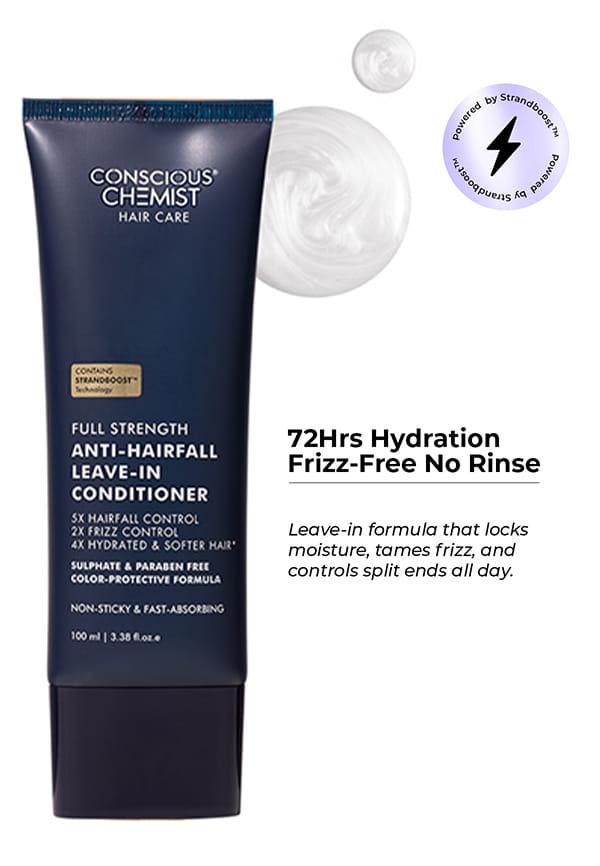
Full Strength Anti-Hairfall Leave-In Conditioner
Frizz-Free & Bouncy Hair
5“i like this leave in conditioner, my hair is frizz free and bouncy”
Frizz-Free & Bouncy Hair
5“i like this leave in conditioner, my hair is frizz free and bouncy”
Frizz-Free & Bouncy Hair
5“i like this leave in conditioner, my hair is frizz free and bouncy”
For severely damaged hair, sometimes you need to pull out all the stops. Overnight treatments allow maximum penetration time, but you need to do them safely. Use a lighter oil-based treatment rather than a heavy cream conditioner to avoid clogging your pores or staining your pillowcase.
Braid your hair loosely or put it in a silk scarf to protect your bedding. This method works best when done once or twice a month, not as a daily routine.
Patience is probably the hardest part of repairing damaged hair, but it's also the most important. Start with gentler treatments and gradually increase intensity as your hair gets stronger. Jumping straight into heavy protein treatments can actually make brittle hair more prone to breakage.
Begin with moisture-focused treatments for the first few weeks, then slowly introduce protein-based products. Track your progress by taking photos and noting how your hair feels and behaves over time.
Sometimes one conditioner isn't enough to address all your hair's needs. Layer a split end repair conditioner on your ends while using a different formula on your mid-lengths. This targeted approach allows you to address specific damage patterns more effectively.
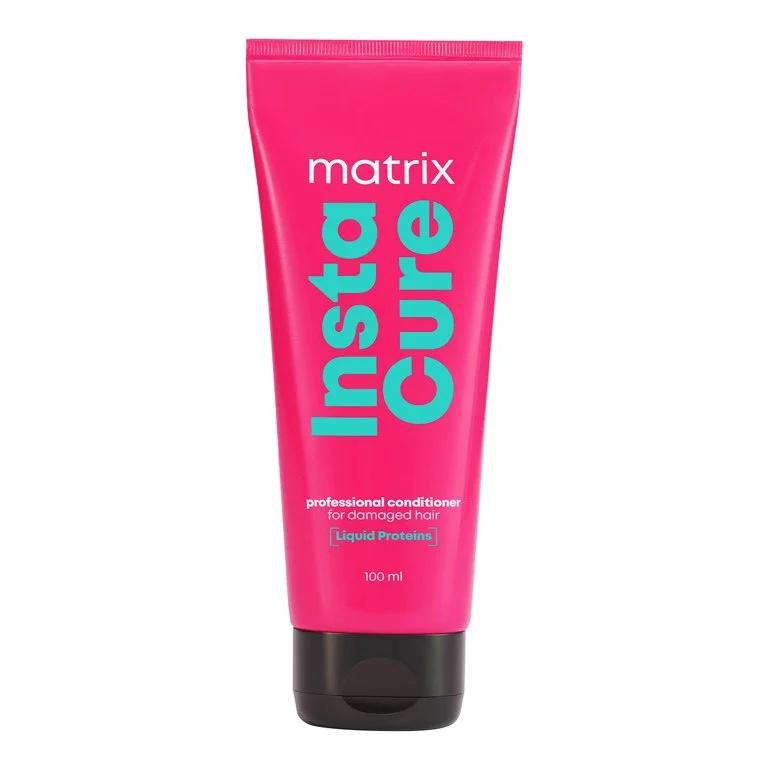
You might use a protein-rich conditioner on your most damaged areas while applying a moisture-heavy formula to sections that are less compromised. The Matrix InstaCure Liquid Protein Conditioner 100ml is particularly effective for this layering technique, as its liquid formula penetrates quickly without weighing hair down, making it perfect for targeting the most damaged sections while allowing you to use a different conditioner on healthier areas.
The natural vs. commercial debate gets heated, but the truth is both can work—it depends on your specific damage level and hair needs. Natural ingredients like coconut oil, shea butter, and aloe vera can provide excellent moisture and some protein, but they might not be concentrated enough for severely damaged hair.
Commercial formulations often contain scientifically-proven ingredients like hydrolyzed proteins and ceramides at concentrations that can actually rebuild hair structure. However, they may also contain ingredients that aren't ideal for sensitive scalps or those preferring clean beauty.
The best approach might be a combination—using natural ingredients for gentle daily care while incorporating targeted commercial treatments for intensive repair. DIY treatments using ingredients like egg whites (protein), honey (moisture), and avocado (healthy fats) can complement your regular routine without breaking the bank.
Even with the best intentions, it's easy to make mistakes that undo your conditioning efforts. Over-conditioning is a real thing—using too much product or conditioning too frequently can lead to limp, greasy hair that's actually more prone to breakage.
Another major mistake is aggressive towel drying after conditioning. Your hair is most vulnerable when wet, so gently squeeze out excess water with a microfibre towel or cotton t-shirt instead of rubbing vigorously. Similarly, brushing wet hair without a proper detangling spray can cause more breakage than you're trying to prevent.
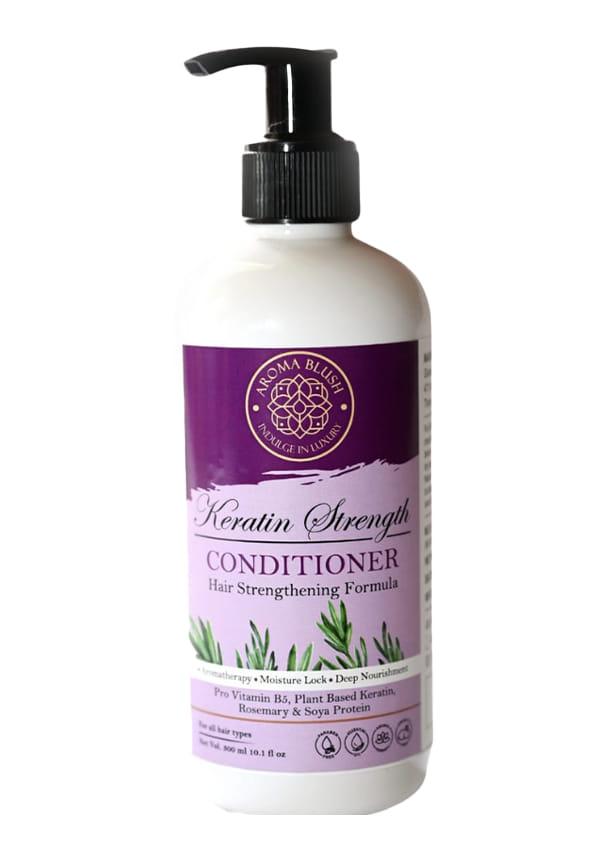
Keratin Strengthening Conditioner
Highly Recommended Product
5“Very soft loved it must buy product”
Heat styling immediately after conditioning without proper protection negates much of your repair work. Always use a heat protectant and keep temperatures below 300°F when possible. Chemical treatments should be spaced at least 6-8 weeks apart to allow your hair time to recover between sessions.
The best conditioner for over-processed hair contains a balance of hydrolyzed proteins and moisturising ingredients. Look for products with keratin, ceramides, and natural oils high up in the ingredient list. Avoid anything with sulfates or high alcohol content, as these can further dry out damaged hair.
Anti-breakage conditioners should focus on strengthening ingredients like protein complexes and bond-building technology. Products that specifically mention "reconstruction" or "repair" typically contain the concentrated ingredients needed for structural damage. Test how your hair responds—if it feels stronger and more elastic after use, you've found a winner.
Daily light conditioning is fine for damaged hair, but deep conditioning treatments should be limited to once or twice per week. Over-conditioning can lead to protein or moisture overload, making hair limp and more prone to breakage. Pay attention to how your hair feels and adjust frequency accordingly.
While conditioner is crucial for repairing chemical damage, it works best as part of a comprehensive hair care routine. You'll also need gentle shampoos, heat protection, regular trims, and possibly professional treatments for severe damage. Conditioner provides the daily maintenance, but complete repair requires a multi-pronged approach.
You might notice improved manageability within a few uses, but significant structural repair typically takes 4-6 weeks of consistent treatment. Hair grows slowly, so you're essentially growing out the damage while protecting new growth. Be patient and consistent with your routine for the best results.
Repairing brittle, over-processed hair isn't about finding one miracle product—it's about understanding your hair's specific needs and addressing them systematically. The right conditioner for over processed brittle hair prone to breakage should contain both protein and moisture in balanced proportions, and you need to apply it correctly to see real results.
Remember that technique matters as much as product choice. Sectioning your hair, using the right water temperature, and being gentle during application can dramatically improve your results. Most importantly, be patient with the process. Hair repair takes time, but with consistent care and the right products, even severely damaged hair can become healthy and manageable again.
Finding the right conditioning routine for damaged hair often involves some trial and error, which is where Smytten's trial packs become invaluable. Instead of committing to full-size products that might not work for your specific damage pattern, you can test different hair repair conditioners and strengthening treatments through Smytten's curated minis. With over 2,400 trusted brands available, including specialised haircare lines, you can explore various protein treatments, moisturising conditioners, and reconstruction formulas until you find your perfect match. The platform's 100% cashback on trial purchases means you can experiment with different conditioning approaches without the financial risk, making it easier to build an effective repair routine tailored to your hair's unique needs. After all, why settle for guessing when you can try it all and find what actually works for your brittle hair?
