9 Ways to Manage Frizzy Hair in Rain

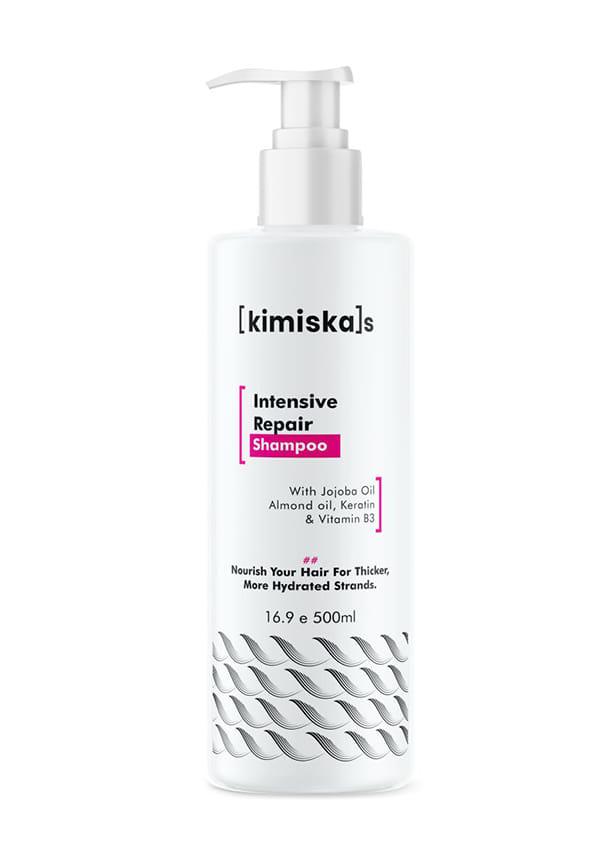
Intensive Hair Repair Shampoo for Dry and Frizzy Hair
You step outside, and within minutes, your carefully styled hair has transformed into a frizzy disaster. Sound familiar? Rain and humidity are basically your hair's worst enemies, turning sleek strands into an unruly mess faster than you can say "weather forecast." But here's the thing—you don't have to surrender to bad hair days every time the clouds roll in. With the right strategies and products, you can actually win the battle against frizz, even when the weather's working against you.
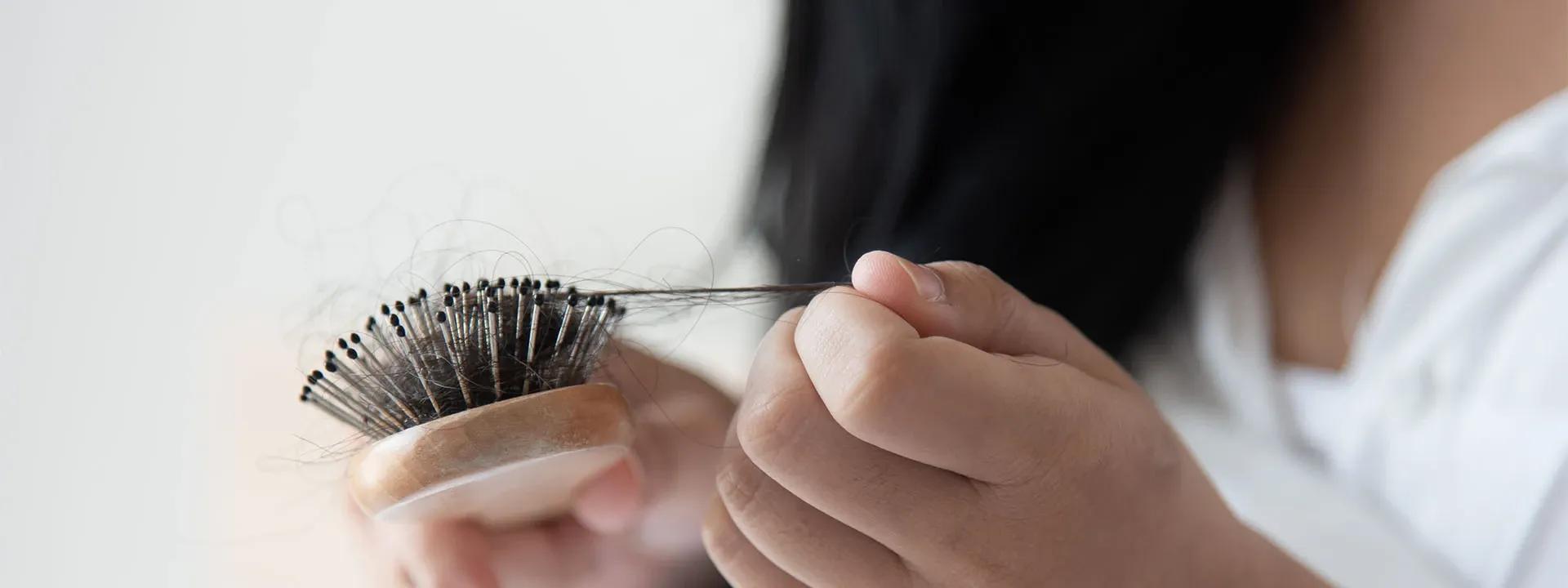
Let's get real about what's actually happening to your hair when humidity strikes. Your hair shaft is made up of overlapping cuticles, kind of like roof tiles. When these cuticles are smooth and flat, your hair looks shiny and feels soft. But when moisture from the air penetrates damaged or raised cuticles, your hair swells unevenly, creating that dreaded frizz effect.
Different hair types react differently to humid conditions. Fine hair tends to go limp and lose volume, while thick or curly hair often becomes a puffy, unmanageable cloud. If your hair is chemically treated, coloured, or heat-damaged, those cuticles are already compromised, making your strands even more vulnerable to moisture absorption. The higher the humidity level, the more dramatic the transformation—which explains why your hair might look perfect indoors but turn chaotic the moment you step outside.
Understanding your hair's porosity is key to managing frizz. High-porosity hair absorbs moisture quickly but also loses it just as fast, leading to constant texture changes throughout the day. Low-porosity hair resists moisture initially but once it's saturated, it stays that way for ages. Knowing where your hair falls on this spectrum helps you choose the right products and techniques for effective frizz control for humid weather.
Think of anti-humidity treatments as your hair's raincoat. These products work by creating a protective barrier that prevents external moisture from penetrating your hair shaft. The key is applying them to slightly damp hair before styling, so they can form an effective seal around each strand.
Salon keratin treatments offer long-lasting protection but come with a hefty price tag. At-home alternatives like smoothing creams and anti-humidity sprays can be surprisingly effective when used correctly. Look for products containing silicones, which create an excellent moisture barrier without weighing your hair down.
Apply your anti-humidity treatment to towel-dried hair, focusing on the mid-lengths and ends where damage is typically worst. Avoid the roots unless you have very thick hair, as this can lead to greasiness. Work the product through evenly with a wide-tooth comb for consistent coverage.
Finding the best hair serum for humidity isn't just about the product—it's about how you use it. Serums work by smoothing the hair cuticle and adding a protective layer, but too much can leave your hair looking greasy and flat.
Silicone-based serums provide excellent humidity protection and heat protection, making them perfect for styled looks. Oil-based serums offer nourishment along with protection but work better for naturally textured or curly hair that can handle the extra weight.
Start with just a few drops—seriously, less is more with serums. Warm the product between your palms, then gently press it into your hair from mid-length to ends. If you need more coverage, add another small amount rather than starting with too much.
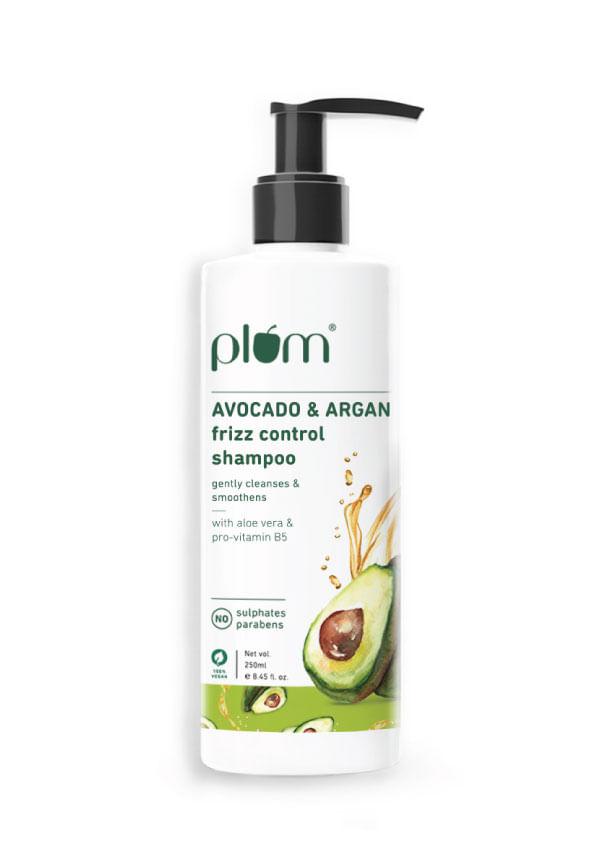
Avocado & Argan Frizz Control Shampoo For Curly, Wavy, Frizzy Hair
Sometimes the best defence against frizz is keeping your hair contained. Rainy day hairstyles for frizzy hair don't have to look boring or basic—they can actually be your most chic looks.
Smooth your hair back with a brush and some styling gel, then twist into a low bun at the nape of your neck. This keeps your hair completely protected from humidity while looking effortlessly elegant.
A loose side braid or French braid keeps your hair secure while adding texture and interest. The key is not braiding too tightly—you want it to look intentional, not like you're heading to the gym.
Pull the top section of your hair into a small ponytail or clip, leaving the bottom half down. This protects the most frizz-prone areas around your face while still showing off your length.
Curly hair solutions for rain require a completely different approach. Your natural texture is actually your friend here—you just need to work with it instead of against it.
After washing, apply your styling products to soaking wet hair, then wrap it in a microfibre towel or cotton t-shirt. This technique helps your curls set in their natural pattern while removing excess water without causing frizz.
Gels provide stronger hold and better humidity resistance, making them ideal for rainy days. Creams offer more moisture and flexibility but may not hold up as well in humid conditions. Many curly-haired people find success layering a cream under a gel for the best of both worlds.
Mix a small amount of leave-in conditioner with water in a spray bottle. Lightly mist your hair, then scrunch gently to reactivate your styling products and revive your curl pattern.
Sometimes despite your best efforts, you get caught in an unexpected downpour. Having a plan for hair care tips for wet conditions can save your style and prevent long-term damage.
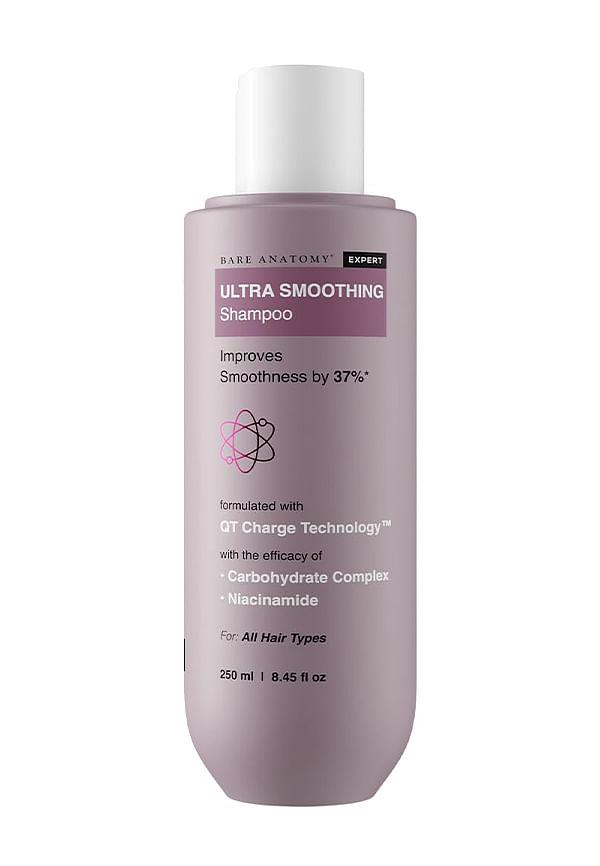
Ultra Smoothing Shampoo for Dry and Frizzy Hair
Don't panic and start rubbing your hair with whatever's available. Instead, gently squeeze out excess water with your hands, working from roots to ends. If you have a scarf or hat, use it to protect your hair until you can get somewhere to properly address the situation.
Skip the regular towel—it's too rough and will create more frizz. Use a microfibre towel or cotton t-shirt to gently press moisture out of your hair. Never rub or scrub, as this damages the cuticle and creates instant frizz.
If possible, let your hair air dry rather than using heat tools on soaking wet hair. If you must use a blow dryer, use the cool setting with a diffuser attachment to minimise damage and frizz formation.
Managing frizzy hair in rain isn't just about quick fixes—it's about building healthier hair that's naturally more resistant to humidity. Strong, well-moisturised hair with smooth cuticles is less likely to absorb excess moisture from the environment.
Use a deep conditioning mask once or twice a week to keep your hair properly moisturised. Well-hydrated hair is less likely to seek moisture from humid air, reducing frizz formation.
If your hair is damaged from heat styling or chemical treatments, regular protein treatments can help repair the cuticle layer. This creates a smoother surface that's more resistant to humidity penetration.
The secret to smooth hair in damp weather often lies in how you layer your products. Each product should serve a specific purpose in your anti-humidity arsenal.
Start with a leave-in conditioner on damp hair to provide moisture and initial protection. Follow with a heat protectant if you're using styling tools, then finish with a humidity-blocking serum or cream. The key is using thin layers of each product rather than heavy applications that can weigh your hair down.
Not all products play well together. Water-based and oil-based products can sometimes separate or create an uneven finish. Stick to products from the same line when possible, or test combinations on a small section first.
Your styling tools can make or break your anti-humidity efforts. Ionic blow dryers help seal the hair cuticle, creating a smoother surface that's more resistant to moisture. Ceramic or tourmaline styling tools distribute heat more evenly, reducing damage that can lead to increased porosity and frizz.
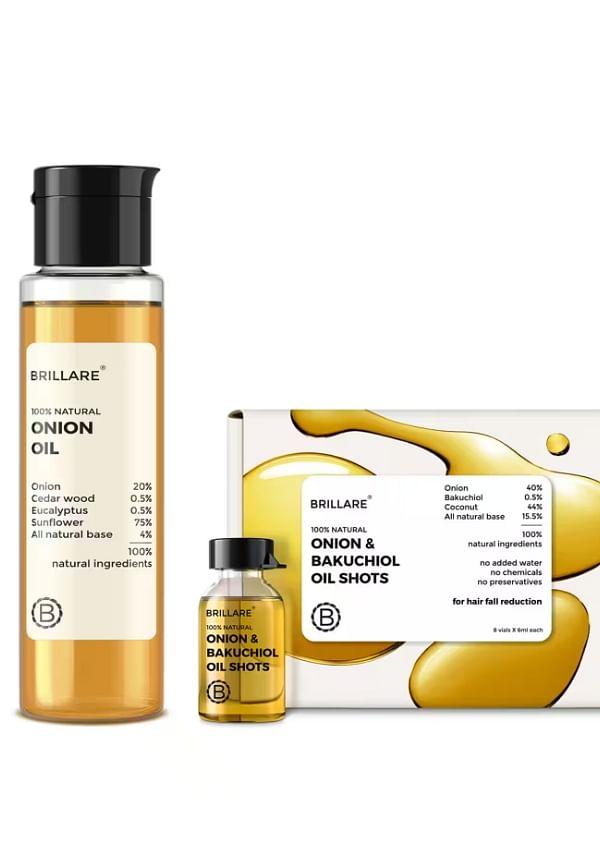
Hair & Scalp Treatment Duo for Dry, Frizzy & Hair Fall-Prone Hair
When straightening or curling, use lower heat settings and work in small sections for better results. Higher heat might seem more effective, but it often creates more damage, making your hair more susceptible to humidity in the long run.
What you do to your hair before bed can significantly impact how it looks the next morning, especially during humid weather. Sleeping on a silk or satin pillowcase reduces friction that can rough up the hair cuticle overnight.
For longer hair, try loosely braiding it or putting it in a very loose, high ponytail to prevent tangling and reduce surface area exposed to humidity while you sleep. Apply a small amount of anti-humidity serum to the ends before bed for extra protection.
If you act fast, you can often salvage your style within 10-15 minutes. The key is gently removing excess moisture with a microfibre towel, applying a small amount of anti-frizz serum, and either air-drying or using a blow dryer on cool setting. Don't try to restyle completely wet hair—you'll just create more damage and frizz.
Humidity damage happens gradually as your hair absorbs moisture from the air, causing slow swelling and frizz formation. Rain damage is more immediate and severe, as your hair becomes completely saturated quickly. Both require different approaches—humidity needs prevention, while rain damage needs immediate damage control.
While you can't eliminate frizz entirely in very humid conditions, you can significantly reduce it with the right products and techniques. The goal is management rather than complete prevention—making your hair look intentionally styled rather than chaotically frizzy.
This depends on your hair type, but generally, you might need to wash more frequently during humid weather as products can build up faster and your scalp may produce more oil. However, over-washing can strip natural oils that help protect against humidity, so find a balance that works for your hair.
Not always. While some premium products do contain superior ingredients and technology, many budget-friendly options work just as well. The key is finding products with the right ingredients for your hair type rather than focusing solely on price point.
Managing frizzy hair during rainy weather doesn't have to be a constant battle. With the right combination of protective products, strategic styling, and emergency techniques, you can maintain smooth, manageable hair even when the weather isn't cooperating. Remember that consistency is key—building healthy hair habits will make your strands naturally more resistant to humidity over time.
The solutions for rainy hair that work best are often the simplest ones: proper moisture balance, protective styling, and quality products applied correctly. Whether you're dealing with fine hair that goes limp or thick hair that turns into a frizzy cloud, there's a strategy that can work for your specific needs. Not sure which products might work best for your hair type? Smytten offers trial-size versions of many anti-humidity treatments and styling products—a smart way to test different formulas before committing to full-size bottles.
