9 Ways to Maintain Healthy Scalp in Monsoon

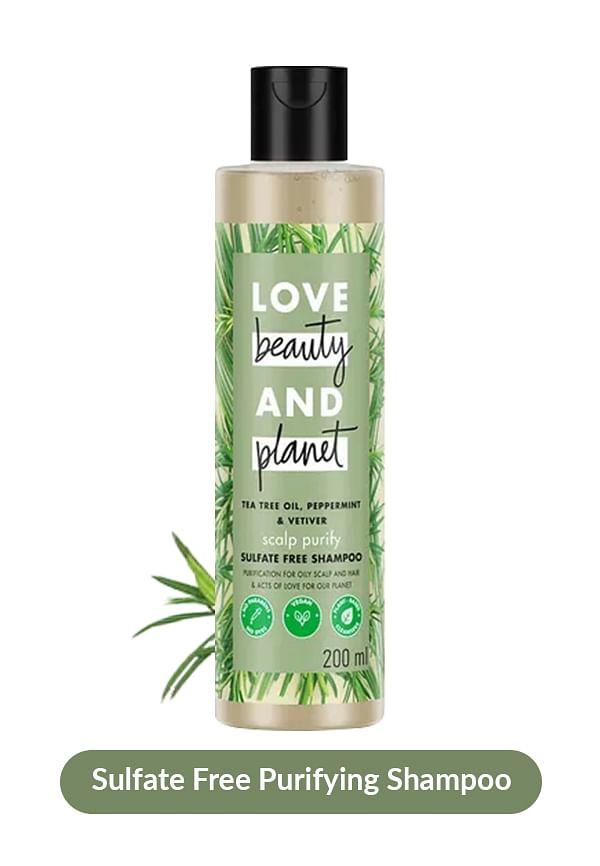
Tea Tree, Peppermint & Vetiver Sulfate Free Purifying Shampoo,
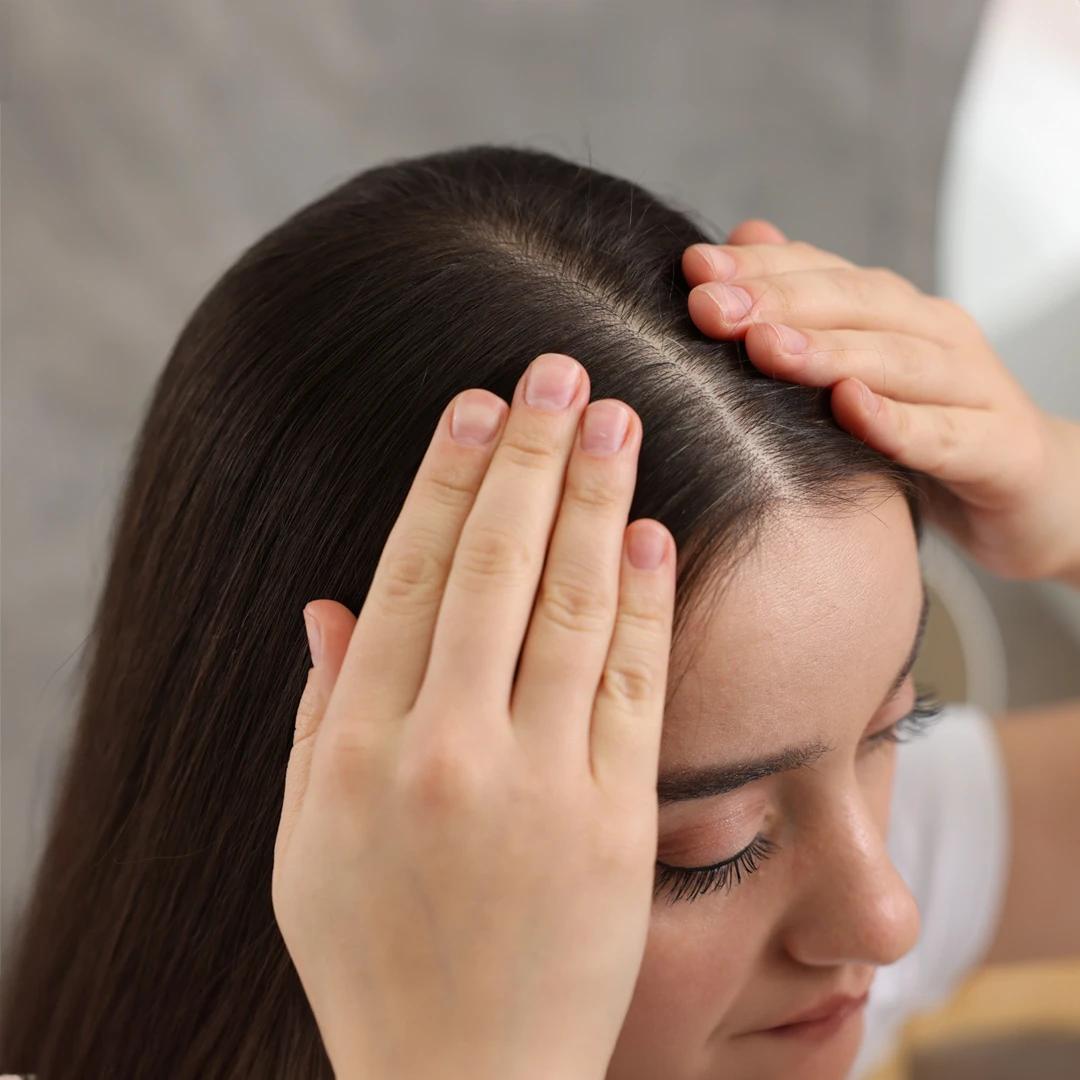
Picture this: you wake up to the sound of rain, and your first thought isn't about the lovely weather—it's about what your scalp will look like by evening. If you've ever dealt with an itchy, oily, or flaky scalp during monsoon, you're definitely not alone. The rainy season brings its own set of challenges for scalp health, from increased humidity that makes your roots greasy to fungal infections that seem to appear out of nowhere. But here's the thing—maintaining a healthy scalp in monsoon doesn't have to be a constant battle. With the right approach and some smart tweaks to your routine, you can actually enjoy the rains without worrying about what's happening up there.
Let's be real—monsoon weather is basically a perfect storm for scalp problems. The combination of high humidity, frequent temperature changes, and increased moisture creates an environment where bacteria and fungi absolutely thrive. Your scalp produces more oil to cope with the humidity, which then gets trapped against your skin, leading to clogged pores and that uncomfortable greasy feeling.
The science behind monsoon scalp problems is actually quite fascinating. When humidity levels spike above 60%, your scalp's natural pH balance gets disrupted. This creates an ideal breeding ground for Malassezia, the yeast responsible for dandruff and other fungal infections scalp monsoon season brings. Add polluted rainwater to the mix, and you've got a recipe for irritation, itching, and hair fall due to humidity that weakens your hair follicles.
Monsoon scalp problems typically include excessive oiliness, persistent dandruff, fungal infections, and increased hair fall. You might notice your scalp feeling itchier than usual, or developing small bumps and flakes that weren't there before. These issues often compound each other—oily scalp solutions rainy season requires become necessary when excess sebum production leads to clogged follicles and inflammation.
Getting your wash routine right is absolutely crucial for scalp health during rainy season. You'll want to wash your hair 2-3 times per week—any more and you'll strip away natural oils, causing your scalp to overcompensate with even more oil production. Choose a gentle, sulfate-free shampoo that won't irritate your scalp while still providing thorough cleansing.
When washing, focus on massaging your scalp with your fingertips (never your nails) in circular motions. This helps remove buildup and stimulates blood circulation. Rinse thoroughly with lukewarm water—hot water can actually increase oil production, which is the last thing you need during humid weather.
This might sound obvious, but preventing scalp issues monsoon season brings often comes down to one simple rule: never let your scalp stay damp for extended periods. After washing, gently towel-dry your hair and use a blow dryer on a cool setting to ensure your scalp is completely dry.
If you get caught in the rain, don't just let your hair air-dry. The combination of moisture and humidity creates the perfect environment for fungal growth. Always carry a small towel during monsoon season, and if possible, dry your hair as soon as you reach your destination.
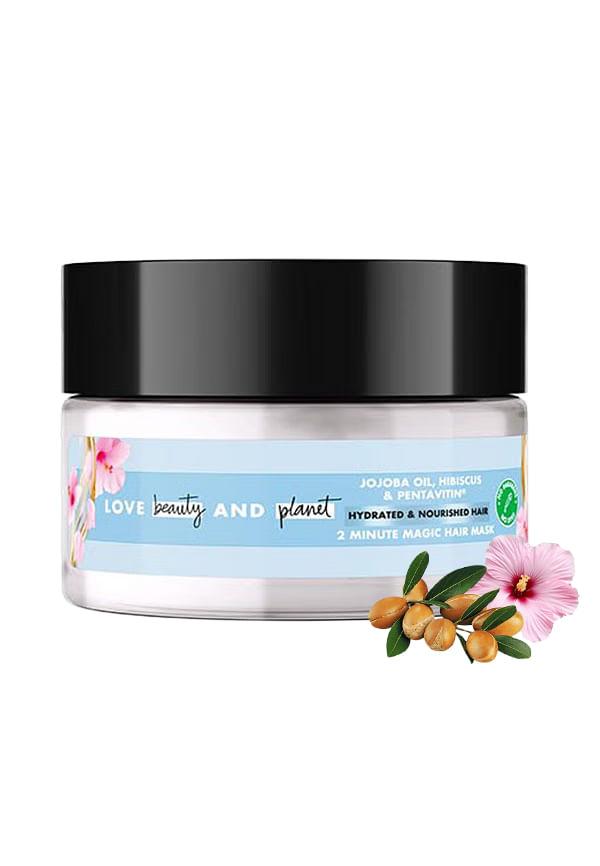
Jojoba oil , Hibiscus & Pentavitin Hydrate & Nourish Hair Mask
Natural scalp treatments monsoon season calls for should be lighter than your usual routine. Heavy oils like coconut or castor oil can feel too greasy in humid weather. Instead, opt for lighter options like jojoba oil, which closely mimics your scalp's natural sebum, or tea tree oil mixed with a carrier oil for its antifungal properties.
Apply oil treatments 30 minutes before washing, focusing on the scalp rather than the lengths of your hair. Neem oil is particularly effective during monsoon as it has natural antibacterial and antifungal properties that help combat the increased risk of infections.
Dandruff control in monsoon requires a targeted approach since the humid conditions can make flaking worse. Look for shampoos containing ketoconazole, zinc pyrithione, or selenium sulfide—these ingredients specifically target the fungal overgrowth that causes dandruff.
For a natural approach, try an apple cider vinegar rinse once a week. Mix one part ACV with three parts water and apply to your scalp after shampooing. The acidic nature helps restore your scalp's pH balance and reduces fungal growth. Just remember to rinse thoroughly afterwards.
When dealing with oily scalp solutions rainy season demands, clay masks can be your best friend. Bentonite or rhassoul clay applied to the scalp once a week helps absorb excess oil and unclog pores. Mix the clay with water or rose water to form a paste, apply to your scalp, and rinse off after 15-20 minutes.
Dry shampoo becomes essential during monsoon, but use it strategically. Apply it to clean, dry hair the night before to give it time to absorb oils overnight. This prevents the powdery buildup that can occur when applied to already oily hair.
Preventing fungal infections scalp monsoon season brings starts with maintaining proper hygiene. Change your pillowcases more frequently, avoid sharing hair tools, and ensure your combs and brushes are cleaned regularly with an antifungal solution.
If you notice early signs like persistent itching, unusual flaking, or small bumps, don't wait for them to worsen. A simple home remedy involves mixing a few drops of tea tree oil with your regular shampoo—its antifungal properties can help nip infections in the bud.
For itchy scalp remedies monsoon season requires, cooling ingredients work wonders. Aloe vera gel applied directly to the scalp provides immediate relief from itching and inflammation. You can also try a chamomile tea rinse—brew strong chamomile tea, let it cool, and use it as a final rinse after shampooing.
Avoid scratching at all costs, as this can lead to further irritation and potential infections. If the itching persists despite home remedies, it might be time to consult a dermatologist as it could indicate a more serious condition requiring professional treatment.
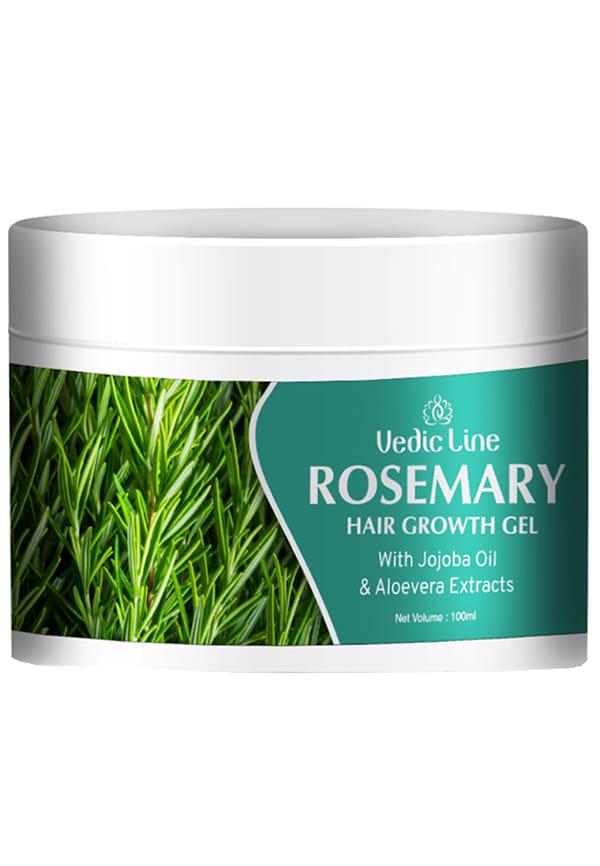
Rosemary Hair Growth Gel with Aloe Vera, Argan Oil & Jojoba Oil
Hair fall due to humidity often results from weakened hair follicles and increased scalp inflammation. Strengthen your hair with protein-rich masks made from ingredients like egg whites or yoghurt. These provide essential amino acids that help rebuild damaged hair structure.
Be extra gentle when detangling wet hair, as it's more vulnerable to breakage. Use a wide-toothed comb and start from the ends, working your way up to the roots. Consider protective hairstyles that keep your hair off your face and reduce manipulation during humid weather.
Haircare for humid weather requires products specifically formulated to combat frizz and maintain scalp health. Look for lightweight, water-based leave-in treatments that won't weigh your hair down. Anti-humidity serums can create a protective barrier against moisture while keeping your scalp comfortable.
Avoid heavy styling products that can build up on your scalp and attract more moisture. Instead, opt for gel-based or water-based formulations that provide hold without the grease. Remember, less is more during monsoon season.
Creating a consistent daily routine is key to maintaining scalp health during rainy season. Your morning routine should include a quick scalp check for any signs of irritation or excessive oiliness. If you're using any leave-in treatments, apply them to slightly damp hair to lock in moisture without creating a greasy feeling.
Evening care is equally important, especially if you've been exposed to rain or high humidity throughout the day. Gently brush your hair to distribute natural oils and remove any environmental pollutants. If your scalp feels particularly oily or itchy, a dry shampoo application before bed can help absorb excess oil overnight.
Once a week, treat your scalp to a deeper cleansing routine. This might include a clarifying shampoo to remove product buildup, followed by a targeted treatment based on your specific concerns. Whether it's a clay mask for oiliness or an antifungal treatment for dandruff, consistency is what makes these treatments effective.
While natural scalp treatments monsoon season offers can be effective, sometimes commercial products provide more targeted and potent solutions. DIY treatments using ingredients like neem, tea tree oil, and apple cider vinegar are great for maintenance and mild issues. However, persistent problems like severe dandruff or fungal infections might require medicated shampoos with active ingredients like ketoconazole or selenium sulfide.
The key is knowing when to escalate your treatment. If home remedies don't show improvement within 2-3 weeks, or if your symptoms worsen, it's time to consider professional products or consult a dermatologist. Sometimes, what seems like a simple scalp issue might actually be a condition requiring medical attention.
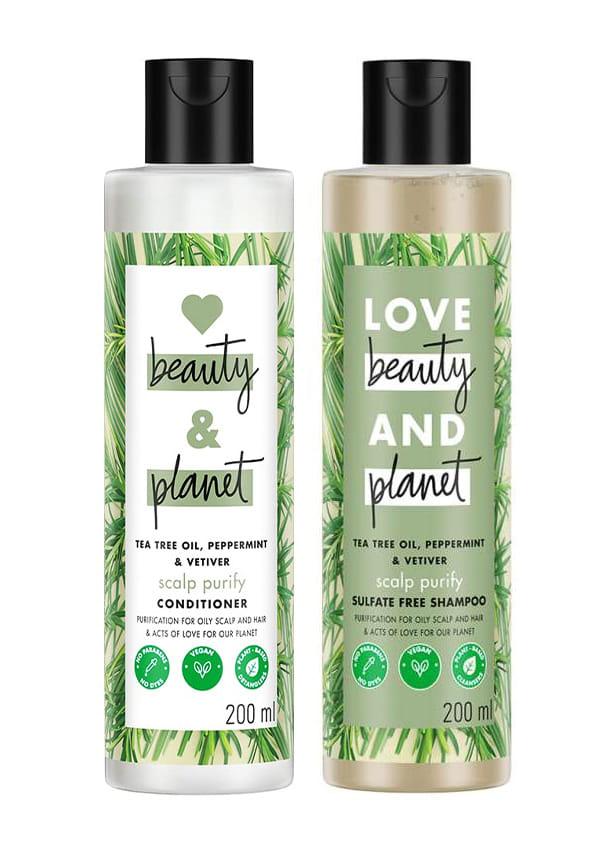
Tea Tree, Peppermint & Vetiver Sulfate Free Purifying Shampoo & Conditioner
Not all scalp types respond the same way to monsoon conditions. If you have a naturally oily scalp, you'll need more frequent cleansing and oil-control products. Those with dry or sensitive scalps might find that monsoon humidity actually helps, but they'll need to be careful about over-cleansing, which can lead to irritation.
For most people, washing 2-3 times per week is ideal during monsoon. This frequency helps control oil and buildup without stripping your scalp of natural oils. If you have very oily hair or exercise frequently, you might need to wash every other day, but use a gentle, sulfate-free shampoo to avoid over-drying.
Monsoon-related hair fall is typically temporary and related to increased scalp inflammation, fungal infections, or hormonal changes due to weather stress. With proper care and treatment of underlying scalp issues, hair growth usually returns to normal. However, if hair loss continues beyond the monsoon season, consult a dermatologist.
Avoid heavy oils like coconut oil in large quantities, sulfates that can over-dry your scalp, and alcohol-based products that can cause irritation. Also steer clear of products with too many silicones, as they can build up on your scalp in humid conditions and trap moisture and bacteria.
Yes, but choose lighter oils and use them sparingly. Jojoba, argan, or tea tree oil mixed with a carrier oil work well. Apply oil treatments 30 minutes to 1 hour before washing, focusing on the scalp. Avoid leaving oil on for extended periods as this can attract dirt and promote fungal growth in humid conditions.
Maintaining a healthy scalp in monsoon doesn't have to be complicated—it just requires the right approach and consistent care. The key is adapting your routine to work with the weather, not against it. Focus on keeping your scalp clean and dry, choose products that address your specific concerns, and don't ignore early warning signs of scalp issues.
Remember, what works for your friend might not work for you, so pay attention to how your scalp responds to different treatments and adjust accordingly. The monsoon season is temporary, but the healthy habits you build during this time can benefit your scalp health year-round.
If you're looking to experiment with different scalp treatments and products without committing to full sizes, Smytten offers trial packs from trusted brands that let you test what works best for your scalp during monsoon season. It's a smart way to find your perfect scalp care routine without the guesswork or waste of buying products that might not suit your needs.
