9 Ways to Get Smoother Hair with Keratin Treatment

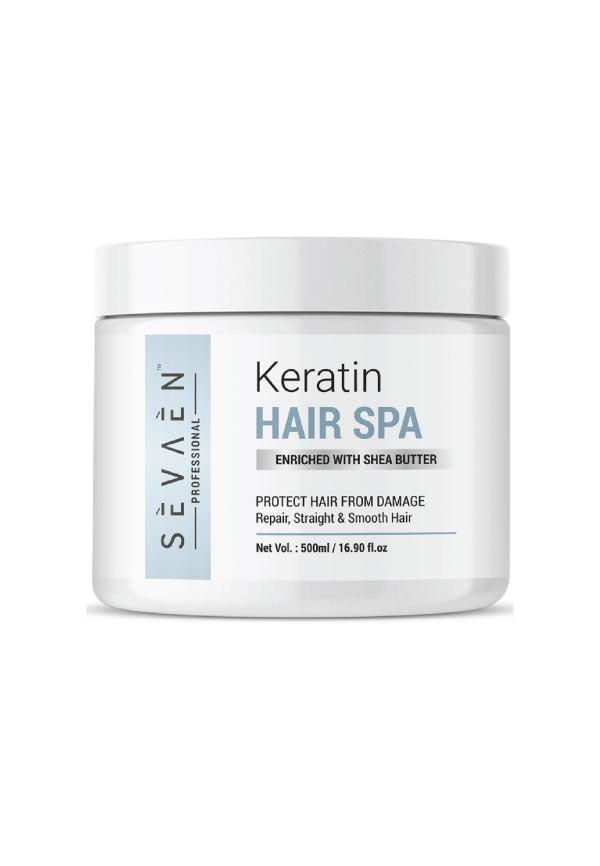
Keratin Hair Spa Cream For Hair Dry&Damage repair And strengthening&Smoothing Hair With Deep Conditioning Treatment
You know that feeling when you run your fingers through someone else's hair and it's impossibly smooth? Like, how is their hair so silky when yours feels like it's been through a blender? If you've been scrolling through endless hair tutorials wondering how to get that glass-hair effect, keratin treatments might just be your answer. These protein-packed treatments work by filling in the tiny gaps in damaged hair cuticles, creating that coveted smooth finish. Ready to transform your hair game? Here are nine proven ways to get the smoothest hair of your life with the best keratin treatment methods.
Let's get real about what keratin actually does to your hair. Keratin is a natural protein that makes up about 95% of your hair shaft, but daily styling, heat damage, and environmental factors can deplete these protein levels. A keratin hair treatment works by coating each strand with a protective layer of keratin proteins, essentially filling in the microscopic holes in damaged cuticles.
The process is pretty clever, actually. During treatment, the keratin formula penetrates your hair shaft and bonds with your natural keratin structure. When heat is applied, this creates a semi-permanent seal that smooths down the cuticle layer. The result? Hair that's noticeably smoother, shinier, and way more manageable.
There are different types of treatments to consider. A keratin smoothing treatment focuses on reducing frizz and adding shine without dramatically altering your hair's natural texture. Keratin hair straightening, on the other hand, provides more dramatic straightening results. The key difference often lies in the formulation strength and application technique.
Not all keratin treatments are created equal, and choosing the right one can make or break your results. Professional salon treatments typically use higher-quality formulations with better penetration capabilities. They also come with the expertise of a trained stylist who can assess your hair type and customise the treatment accordingly.
When selecting a professional treatment, look for formaldehyde-free keratin treatment options. These are safer for both you and your stylist, and they tend to produce more natural-looking results. Popular professional brands often use alternative aldehydes or completely aldehyde-free formulations that are gentler on your hair and scalp.
Cost-wise, professional treatments range from ₹3,000 to ₹15,000 depending on your hair length and the salon's location. While it's a significant investment, professional treatments typically last 3-4 months with proper care, making them quite cost-effective in the long run.
If salon visits aren't in your budget or schedule, at-home keratin treatment options have come a long way. The key to success lies in proper preparation and technique. Start with freshly washed hair using a clarifying shampoo to remove any product buildup that might interfere with keratin absorption.
Section your hair into manageable parts—about 1-inch sections work best. Apply the treatment from mid-length to ends, avoiding your roots to prevent that greasy look. Use a fine-tooth comb to distribute the product evenly, then blow-dry on medium heat while brushing your hair straight.
The final step involves sealing the treatment with a flat iron on medium-high heat. This heat activation is crucial for locking in the keratin proteins. Most at-home treatments require you to avoid washing your hair for 72 hours post-treatment, so plan accordingly.
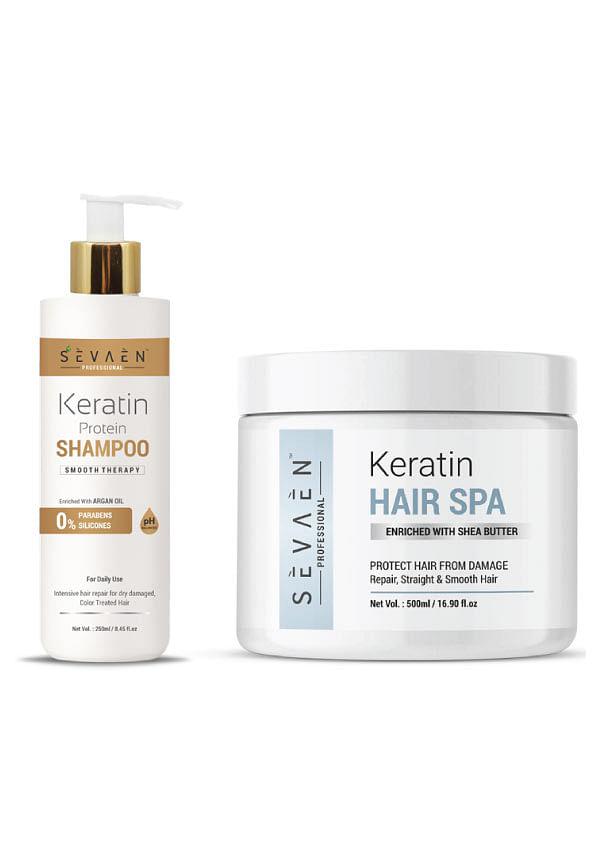
Keratin Shampoo And Hair Spa Cream For Hair Dry&Damage repair And strengthening&Smoothing Hair With Deep Conditioning Treatment
Your hair's condition before treatment significantly impacts the final results. Start with a clarifying shampoo session about a week before your treatment. This deep cleansing removes product buildup, excess oils, and mineral deposits that could create barriers to keratin absorption.
Assess your hair's porosity level by dropping a clean strand into a glass of water. If it sinks quickly, you have high porosity hair that will absorb the treatment faster. If it floats, you have low porosity hair that might need longer processing time or heat assistance for better penetration.
Avoid heavy conditioning treatments or hair masks for 2-3 days before your keratin treatment. These can create a barrier that prevents proper keratin absorption, leading to uneven results or shorter-lasting effects.
Your daily hair care routine plays a massive role in maintaining your keratin treatment results. Switch to a keratin shampoo and keratin conditioner specifically formulated to extend your treatment's lifespan. These products contain smaller keratin molecules that can penetrate your hair shaft and provide ongoing protein replenishment.
Look for sulfate-free formulations, as sulfates can strip away the keratin coating prematurely. Ingredients like hydrolysed keratin, amino acids, and natural oils work together to maintain smoothness between treatments.
Weekly keratin hair mask treatments are your secret weapon for maintaining that salon-fresh smoothness. These intensive treatments provide a concentrated dose of proteins and moisture, helping to repair any damage and extend your treatment's effectiveness. Apply from mid-length to ends, leave on for 10-15 minutes, then rinse thoroughly.
The first 72 hours after your keratin treatment are absolutely critical. During this time, the keratin is still setting and bonding with your hair structure. Avoid getting your hair wet, using hair ties, or sleeping on cotton pillowcases that might create creases.
Invest in a silk or satin pillowcase to reduce friction while you sleep. If you must tie your hair back, use a silk scrunchie and keep it very loose. Any dents or kinks during this period can become permanent, so treat your hair like it's made of glass.
Once the initial setting period is over, establish a maintenance routine that protects your investment. Use heat protectant sprays before styling, limit washing to 2-3 times per week, and always use lukewarm water instead of hot water, which can cause the keratin coating to break down faster.
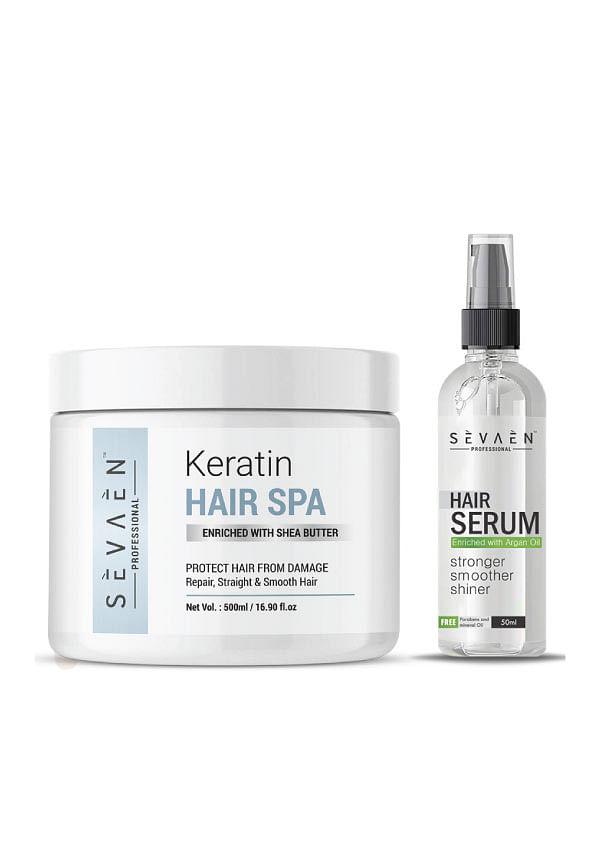
Keratin Hair Spa Cream And Hair Serum For Hair Dry&Damage repair And strengthening&Smoothing Hair With Deep Conditioning Treatment
Environmental factors can significantly impact your keratin treatment's longevity and effectiveness. Humidity is keratin's biggest enemy, so consider using anti-humidity hair products on particularly muggy days. A light coating of hair oil or serum can create an additional barrier against moisture.
UV exposure can also break down keratin proteins over time. Use hair products with UV protection, especially if you spend a lot of time outdoors. Wide-brimmed hats aren't just fashionable—they're functional hair protection too.
Swimming requires special consideration. Chlorine and salt water can strip keratin treatments, so always wet your hair with fresh water before swimming and apply a leave-in conditioner for protection. Consider wearing a swimming cap for extended pool sessions.
Most keratin treatments gradually fade over 3-4 months, but you don't have to wait until they're completely gone to refresh your results. Mini touch-up treatments every 6-8 weeks can maintain that smooth finish without the full commitment of a complete treatment.
Pay attention to your hair's behaviour as the treatment fades. When you start noticing increased frizz, longer drying times, or difficulty styling, it's time for a refresh. Some people prefer to alternate between full treatments and lighter maintenance treatments to keep costs manageable.
Keep a hair diary noting when you had your treatment, what products you used, and how your hair responded. This information helps you optimise timing for future treatments and identify which products work best for your hair type.
Layering compatible treatments can amplify your smoothness results. Consider combining your keratin treatment with a glossing service for extra shine, or follow up with a protein treatment a few weeks later to reinforce the keratin bonds.
Deep conditioning treatments using ingredients like argan oil, coconut oil, or shea butter can complement keratin by providing moisture balance. The key is timing—wait at least two weeks after your keratin treatment before introducing additional chemical processes.
Some people find success with alternating between keratin treatments and other smoothing services like Brazilian blowouts or Japanese straightening, depending on their hair goals and damage levels.
Your hair's needs can change based on seasons, hormones, stress levels, and other factors. What worked perfectly in winter might need adjustment for summer humidity. Stay flexible with your routine and products.
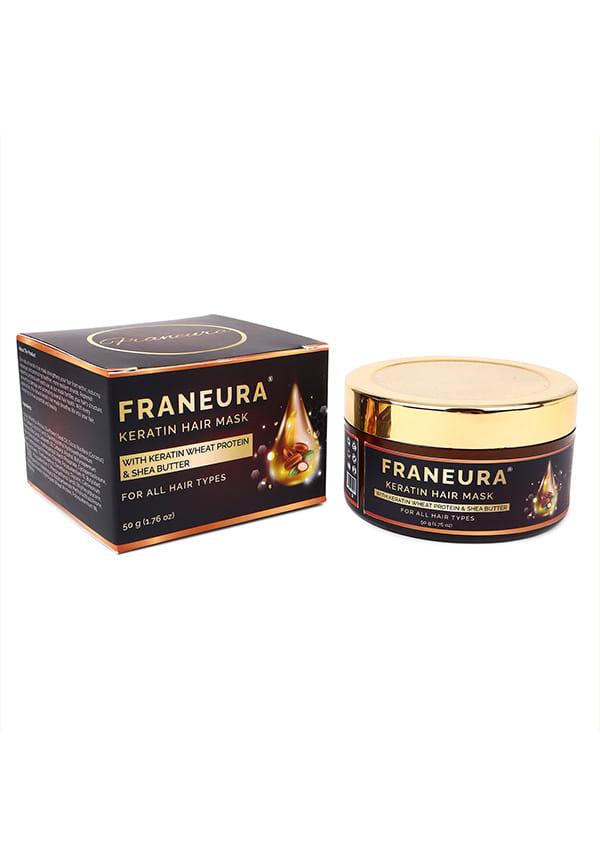
Keratin Hair Mask, Helps in Keratin Restoration and Shea Butter Nourishment
Keep track of how your hair responds to different keratin hair products and techniques. Some people find their hair becomes more responsive to treatments over time, while others need to adjust their approach as their hair texture changes.
Don't be afraid to experiment with different application techniques or product combinations. Your hair is unique, and finding your perfect keratin routine might take some trial and error.
The best keratin treatment depends on your hair type and goals. Formaldehyde-free options from brands like Cezanne, Keratin Complex, and Brazilian Blowout are popular choices. Professional-grade treatments typically offer better results than consumer versions, but at-home options have improved significantly in recent years.
For fine hair, lighter formulations work best to avoid weighing hair down. Thick, coarse hair can handle stronger treatments for maximum smoothing. Damaged hair benefits from treatments with added moisturising ingredients, while healthy hair can use standard formulations.
Professional salon treatments typically last 3-4 months, while at-home treatments last 6-8 weeks. Factors affecting longevity include your hair's porosity, how often you wash it, the products you use, and environmental exposure.
Yes, keratin treatments are excellent for high porosity hair because they fill in the gaps in damaged cuticles. However, high porosity hair may need more frequent touch-ups as it tends to release the treatment faster than low porosity hair.
Getting consistently smoother hair with keratin treatments isn't just about the treatment itself—it's about creating a comprehensive care routine that supports and extends your results. From choosing the right treatment type to perfecting your daily maintenance routine, each step plays a crucial role in achieving that coveted glass-hair effect.
Remember that keratin treatments are an investment in your hair's health and appearance. While the initial cost might seem significant, the time you'll save on daily styling and the confidence boost from having consistently smooth hair make it worthwhile for many people.
The key to success lies in understanding your hair's unique needs and being consistent with your care routine. Whether you choose professional treatments or master the at-home approach, patience and proper technique will give you the smoothest hair results. Not sure which keratin hair products work best for your hair type? Smytten offers trial-size versions of many keratin shampoos, conditioners, and masks—a smart way to test different formulations before committing to full-size bottles.
