9 Ways to Fix Severely Damaged Hair Fast

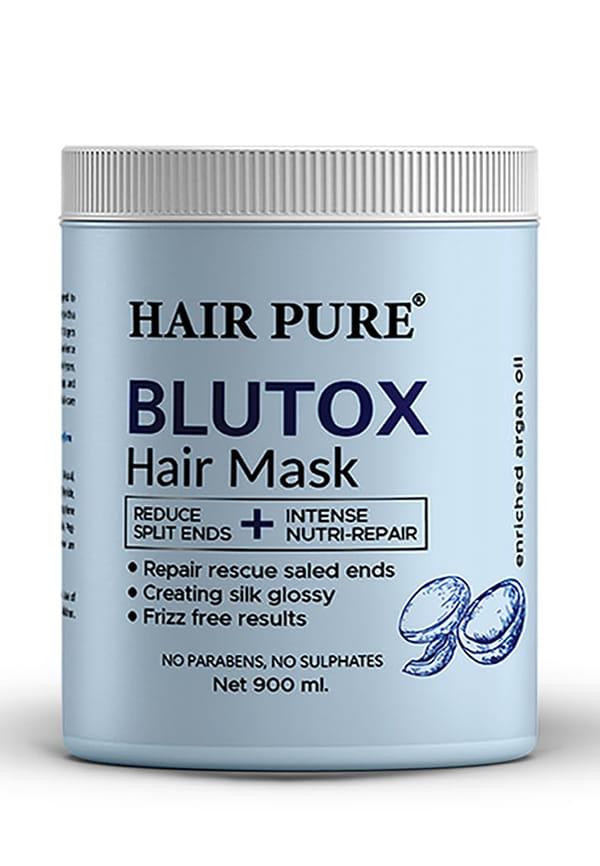
Blutox Hair Mask for Reduces Split Ends & Intense Nutri-Repair Treatment
Made my dry hair soft and silky
 5
5“I bought this one as a trial pack first omg it made my dry hair into sooo soft and silky guys its worth each penny”
Positive Product Review
5“smooth hair good smell and good”
Loved it, repurchasing
5“Love this product, repurchasing my favourite ”
Dealing with severely damaged hair can feel overwhelming, especially when split ends, breakage, and dryness seem to have taken over your once-healthy strands. Whether it's from heat styling, chemical treatments, or environmental stress, damaged hair needs immediate attention and the right approach to bounce back. The good news? You don't have to live with brittle, lifeless hair forever. With the right hair repair treatments and consistent care, you can restore your hair's strength, shine, and overall health faster than you might think. From deep conditioning for damaged hair to targeted protein treatments, there are proven methods that actually work. At Smytten, we've seen countless users transform their damaged hair by discovering the perfect products through trial packs, making it easier to find what truly works for your specific hair needs without the guesswork.
TL;DR
Severely damaged hair requires immediate intervention with deep conditioning treatments and protein-based repairs
A combination of reconstructive hair masks, gentle handling, and heat protection can restore brittle hair effectively
Professional treatments like bond-building therapies offer faster results for extensive damage
Consistent daily care routines with the right products are essential for long-term hair damage recovery
Nutritional support and proper hydration accelerate the healing process from within
Before diving into repair solutions, it's crucial to assess just how damaged your hair really is. Severely damaged hair typically shows multiple signs: excessive breakage when brushing, split ends that travel up the hair shaft, a rough texture that feels straw-like, and complete loss of natural shine. This level of damage often penetrates beyond the hair's outer cuticle layer, affecting the cortex where your hair's strength and elasticity live.
The most common culprits behind severe hair damage include frequent heat styling without protection, chemical processing like bleaching or perming, harsh brushing when wet, and environmental factors like sun exposure and pollution. Understanding what caused your damage helps you avoid repeating the same mistakes whilst working on repair.
Deep conditioning treatments are absolutely non-negotiable when you're dealing with severely damaged hair. Unlike regular conditioners that work on the surface, deep conditioning for damaged hair penetrates the hair shaft to restore moisture and repair internal damage. These treatments work by filling in the gaps in your hair's cuticle layer, essentially giving your strands a protective barrier whilst delivering intense hydration.
For severely damaged hair, aim for deep conditioning treatments 2-3 times per week initially, then scale back to once weekly as your hair improves. Look for treatments containing ceramides, natural oils like argan or coconut, and humectants that draw moisture from the environment into your hair.
Mix 2 tablespoons of coconut oil with 1 tablespoon of honey and apply from mid-length to ends. Leave on for 30 minutes under a shower cap, then shampoo as usual. This combination provides both protein and moisture balance.
When hair is severely damaged, it's often lacking protein – the building blocks that give hair its strength and elasticity. Hair protein treatments work by temporarily filling in the gaps in damaged hair cuticles with proteins like keratin, collagen, or silk amino acids. However, it's essential to understand the protein-moisture balance, as too much protein can make hair feel stiff and brittle.
Signs your hair needs protein include excessive stretchiness when wet, lack of curl pattern in naturally curly hair, and hair that feels mushy or gummy. If your hair feels dry and brittle, it likely needs moisture rather than protein.
Start with a protein treatment once every two weeks, alternating with deep moisturising treatments. Monitor how your hair responds and adjust accordingly – some hair types need protein weekly, whilst others only monthly.
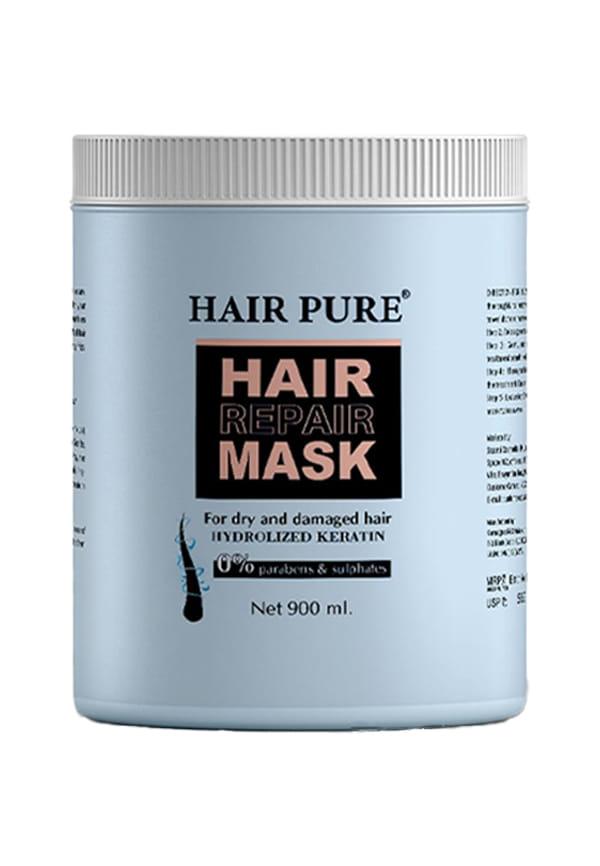
Hair Repair Mask Deep Conditioning
Amazing product, suited skin
5“the product was amazing and it suited my skin”
Reconstructive hair masks go beyond regular conditioning treatments by actually rebuilding damaged hair bonds. These intensive treatments typically contain a combination of proteins, amino acids, and bond-building complexes that work to restore your hair's internal structure. Unlike surface treatments, reconstructive masks penetrate deeply to repair damage at the molecular level.
Professional salon treatments like Olaplex or K18 are incredibly effective for severe damage, but there are also excellent at-home options. Look for masks containing hydrolyzed proteins, which are small enough to penetrate the hair shaft, and ingredients like bond-building complexes or amino acids.
Apply reconstructive masks to damp (not soaking) hair for better penetration. Use a wide-tooth comb to distribute evenly, then cover with a plastic cap and apply gentle heat for 15-20 minutes.
Hair breakage is often the most frustrating aspect of damaged hair, but it's entirely manageable with the right approach. The key to effective hair breakage solutions lies in both treating existing damage and preventing further breakage through gentle handling techniques.
Start by switching to a microfibre towel or cotton t-shirt for drying – regular towels create too much friction on damaged hair. When brushing, always start from the ends and work your way up, using a wide-tooth comb on wet hair. Sleep on a silk or satin pillowcase to reduce friction whilst you sleep.
Keep a leave-in conditioner, wide-tooth comb, silk scrunchies, and a protein-free deep conditioner on hand. These basics can prevent most breakage incidents when used consistently.
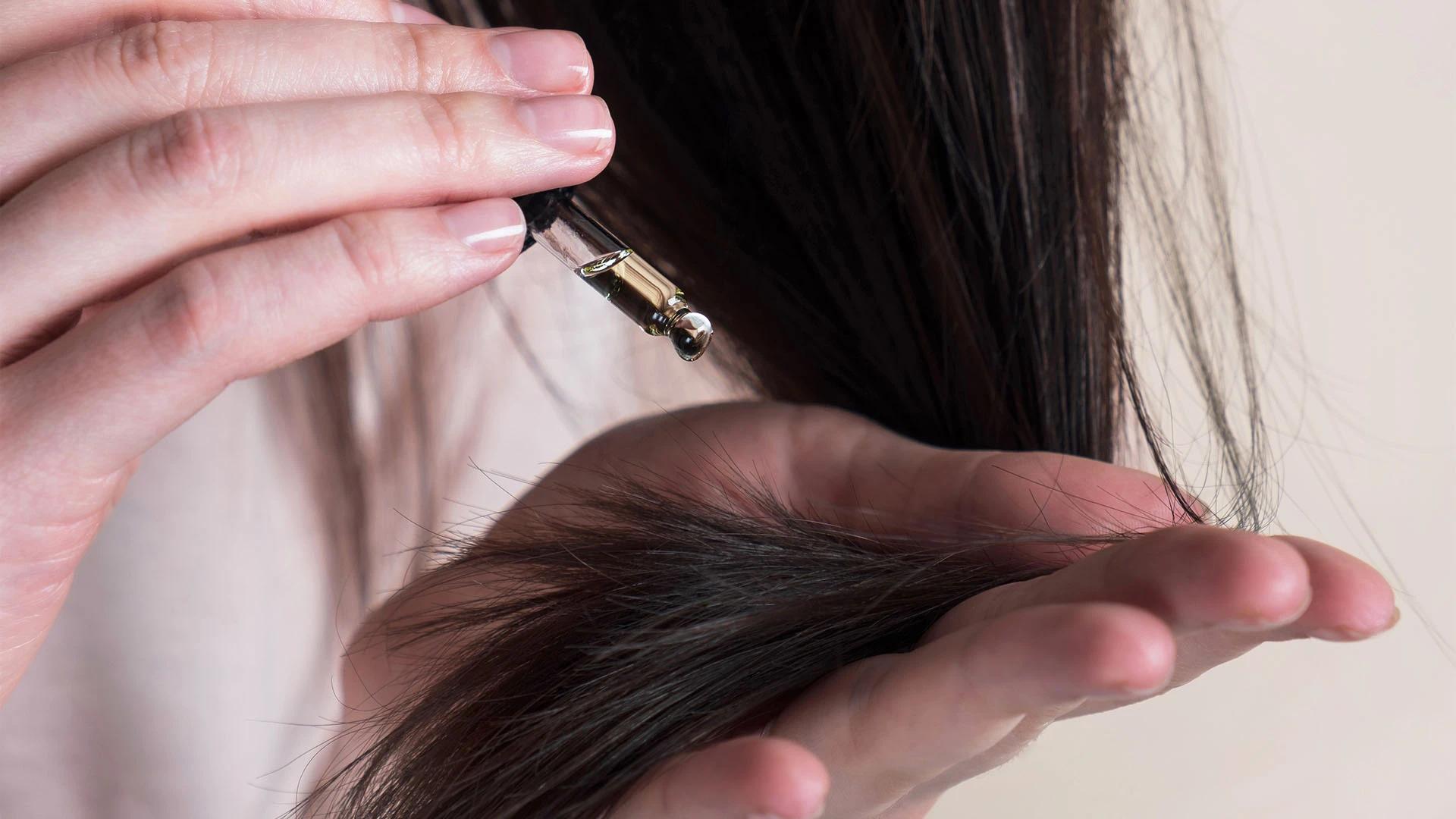
Let's be real – once you have split ends, the only permanent solution is cutting them off. However, there are effective remedies for split ends that can seal them temporarily and prevent them from travelling further up the hair shaft. Split end serums containing silicones can temporarily bind the split together, giving you time to grow out your hair before a trim.
Prevention is key here. Regular trims every 6-8 weeks, using heat protection religiously, and keeping your ends well-moisturised can prevent new splits from forming. When you do spot split ends, trim them immediately to prevent the split from travelling upward.
Apply a small amount of argan oil or a split-end serum to damp ends daily. This creates a protective barrier that can temporarily seal minor splits whilst you work on overall hair health.
If you're serious about repairing severely damaged hair, reducing heat styling is non-negotiable. However, we understand that going completely heat-free isn't realistic for everyone. The key is using proper heat protection and modifying your styling routine to minimise damage.
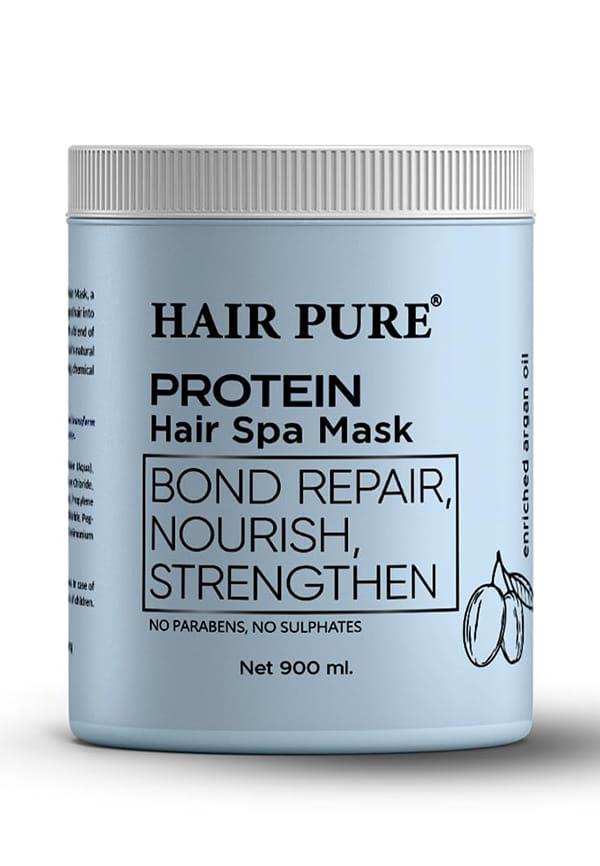
Protein Hair Spa Mask Bond Repair & Nourish
Improved Hair Quality
5“improved hair quality.nice and great”
Nice Product, Smells Good
4“nice product... smells good...”
Excellent Product!
5“it's a very nice product...it suits my skin perfectly...I totally love it, and definitely gonna recommend it to my friends and all the family members!!”
Invest in a high-quality heat protectant that contains both silicones for immediate protection and proteins for strengthening. Always apply to damp hair before any heat styling, and never exceed 180°C on damaged hair. Consider air-drying 2-3 times per week and using heat-free styling methods like braiding for waves.
Try overnight braids for natural waves, twist-outs for texture, or pin curls for vintage-inspired styles. These methods give you variety without compromising your hair repair progress.
Healthy hair starts from within, and nutritional deficiencies can significantly slow down your hair damage recovery. Focus on getting adequate protein (your hair is made of keratin, which is a protein), iron, biotin, and omega-3 fatty acids. These nutrients support hair growth and strength from the follicle level.
Consider incorporating foods like eggs, fatty fish, nuts, seeds, and leafy greens into your diet. Staying properly hydrated is equally important – aim for at least 8 glasses of water daily to keep your hair and scalp healthy.
Protein for building blocks, iron for circulation, biotin for growth, vitamin D for follicle health, and omega-3s for shine and flexibility. A balanced diet typically provides these, but supplements can help if you have deficiencies.
Sometimes severely damaged hair needs professional intervention to see real results. Salon treatments like Olaplex, Brazilian bond builders, or keratin treatments can provide dramatic improvements that are difficult to achieve at home. These treatments work by rebuilding broken disulfide bonds in your hair or coating the hair shaft with protective proteins.
Professional treatments are particularly worth considering if your damage is from chemical processing or if you've been struggling with at-home treatments for months without seeing improvement. The initial investment often pays off in reduced styling time and better hair health long-term.
Professional treatments typically cost ₹3,000-₹8,000 but can last 3-4 months. Compare this to the ongoing cost of multiple at-home products and the time investment required for daily treatments.
Consistency is everything when it comes to repairing severely damaged hair. Create a sustainable routine that includes daily leave-in protection, weekly deep conditioning, bi-weekly protein treatments (if needed), and monthly clarifying to remove product buildup. Track your progress with photos and notes about how your hair feels and looks.
Remember that hair grows approximately 1.5cm per month, so visible improvements in length will take time. However, you should notice improvements in texture, manageability, and breakage within 4-6 weeks of consistent care.
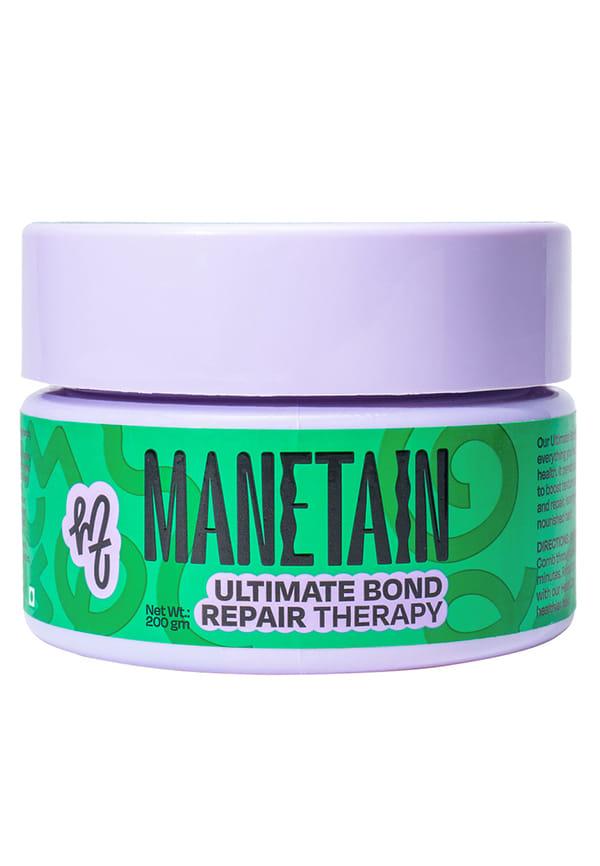
Ultimate Bond Repair Therapy For Deep Nourishment
Week 1-2: Focus on gentle cleansing and deep conditioning. Week 3-4: Introduce protein treatments if needed. Month 2: Establish your long-term routine and assess what's working best for your hair type.
With consistent care, you should see improvements in texture and manageability within 4-6 weeks. However, completely growing out severely damaged hair can take 6-12 months, depending on your hair length and growth rate. The key is patience and consistency with your repair routine.
Hair that's already grown out of your scalp cannot be permanently "healed" – it's essentially dead tissue. However, you can dramatically improve its appearance, strength, and manageability with the right treatments. The goal is to restore brittle hair to a healthier state whilst growing out new, undamaged hair.
Dry hair lacks moisture but has an intact structure, whilst damaged hair has actual structural damage to the cuticle or cortex. Dry hair typically responds well to moisturising treatments, whilst damaged hair needs both moisture and protein to restore its structure. You can have both conditions simultaneously.
Start with protein treatments every 2-3 weeks, alternating with deep moisturising treatments. Monitor how your hair responds – if it becomes stiff or brittle, reduce frequency. Some hair types need weekly protein, whilst others only need it monthly. Finding the right balance through trial and testing different products is key to success.
Professional treatments can provide faster, more dramatic results than at-home care alone, especially for severe damage. However, they're not always necessary. If you've been consistent with at-home treatments for 2-3 months without seeing improvement, a professional treatment might be worth the investment.
Repairing severely damaged hair requires a multi-faceted approach combining deep conditioning, protein treatments, gentle handling, and patience. The most effective strategy involves understanding your specific damage type and addressing it with targeted treatments rather than hoping one product will fix everything. Remember that consistency beats intensity – regular, gentle care will always outperform sporadic intensive treatments. Focus on preventing further damage whilst treating existing issues, and don't expect overnight miracles. With the right approach and realistic expectations, you can significantly improve your hair's health and appearance within a few months.
Transforming severely damaged hair into healthy, manageable strands is absolutely achievable with the right products and consistent care routine. The journey requires patience, but the results are worth every effort you put in. Smytten makes this process easier by offering trial packs from trusted haircare brands, allowing you to test different hair repair treatments, deep conditioning masks, and protein treatments before committing to full sizes. With over 2,400 brands available and 100% cashback on trial purchases, you can explore various solutions to find what works best for your specific hair damage without the financial risk. Whether you're looking for reconstructive hair masks, strengthening serums, or gentle cleansing options, Smytten's curated collection helps you discover your perfect hair recovery routine. After all, why settle for damaged hair when you can #TryItAll and find the products that truly restore your hair's health and beauty?
