9 Ways to Find Best Scalp Relief for Itchy Scalp

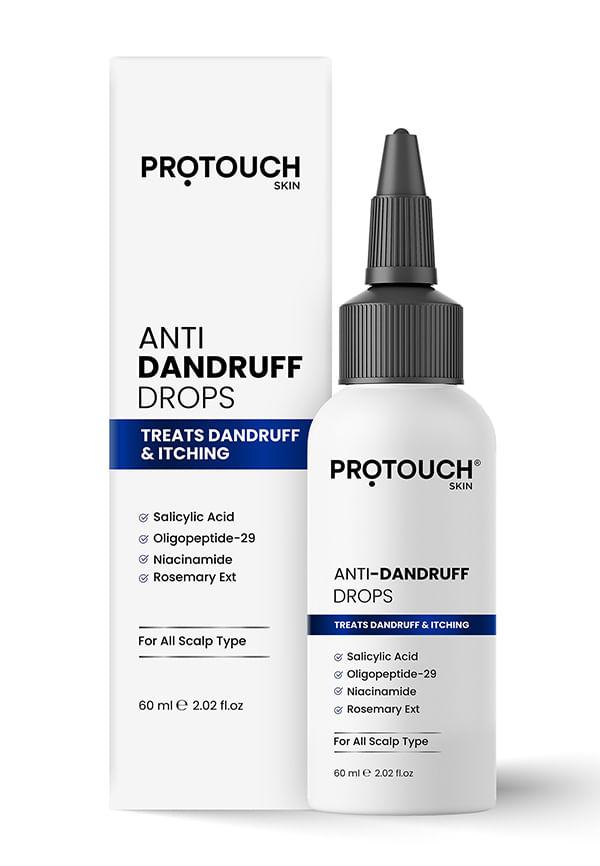
SKIN Anti Dandruff Drops Serum Soothes Itchy, Inflamed Scalp
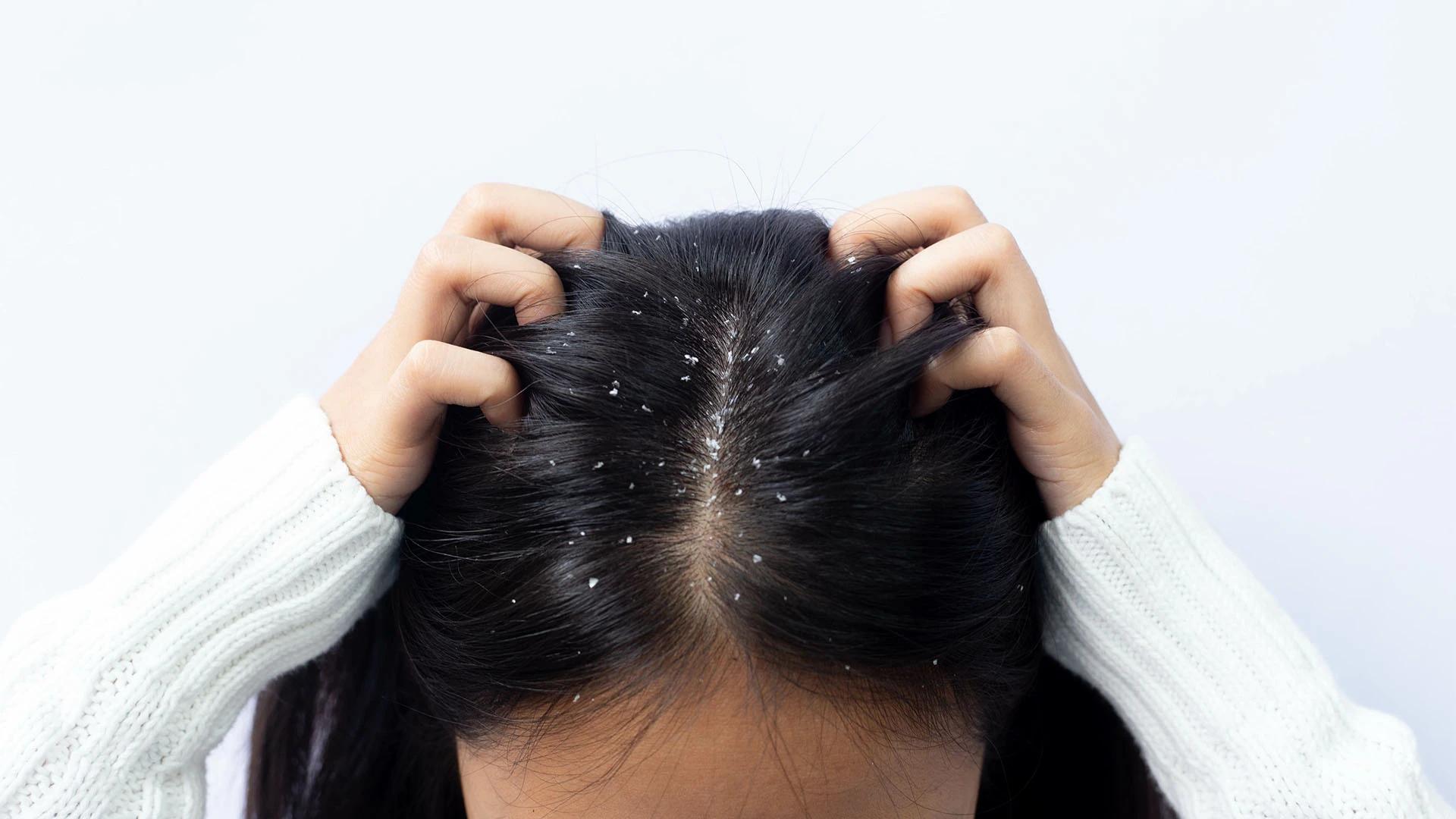
You know that feeling when your scalp starts tingling in the worst way possible? Not the good kind of tingle from a scalp massage, but that persistent, maddening itch that makes you want to scratch until you find relief. Whether it's happening during an important meeting or right before bed, an itchy scalp can seriously mess with your day. The thing is, finding the best scalp relief isn't always straightforward—what works for your mate might leave you still scratching. Let's dive into nine proven ways to get your scalp back to its happy, comfortable self.
Before jumping into solutions, let's get real about what's causing all that irritation. Your scalp might be sending you different signals, and knowing the difference can save you loads of time and frustration.
Dry scalp feels tight and flaky, often worse in winter when the air's drier. You'll notice small, white flakes that brush off easily. Dandruff, on the other hand, comes with larger, yellowish flakes that stick around and often bring along some oily patches. Then there's product buildup—when your favourite styling products start working against you, creating a layer that traps dirt and irritates your skin.
Sensitive scalp solutions often start with identifying triggers. Maybe it's that new shampoo with sulfates, or perhaps you've been washing too frequently. Sometimes stress shows up as scalp irritation, and other times it's something as simple as sleeping on rough pillowcases. The key is paying attention to when the itching gets worse and what might be causing it.
When you need serious scalp itch relief, professional-grade treatments can be game-changers. Dermatologists often recommend ingredients like ketoconazole, selenium sulfide, or zinc pyrithione—these aren't just fancy names, they're proven fighters against the fungi and bacteria that can cause persistent itching.
Clinical-strength treatments work faster than most over-the-counter options because they're formulated with higher concentrations of active ingredients. Think of them as the heavy artillery when gentle approaches aren't cutting it. Coal tar shampoos might sound intense, but they're incredibly effective for stubborn scalp irritation solutions, especially when dealing with conditions like seborrheic dermatitis.
The difference between professional and drugstore treatments often comes down to potency and targeted action. Professional treatments are designed to address specific scalp conditions rather than providing general relief. If you've been dealing with persistent itching for more than a few weeks, these stronger formulations might be worth considering.
Your shampoo choice can make or break your scalp comfort. Look for formulations with salicylic acid for gentle exfoliation, tea tree oil for its antimicrobial properties, or niacinamide for soothing inflammation. These ingredients work together to provide comprehensive dry scalp treatment.
Sulfate-free options are often gentler on sensitive scalps, but don't assume they're always the answer. Sometimes you need the deeper cleansing power of sulfates to remove buildup that's causing irritation. The trick is finding the right balance for your specific scalp needs.
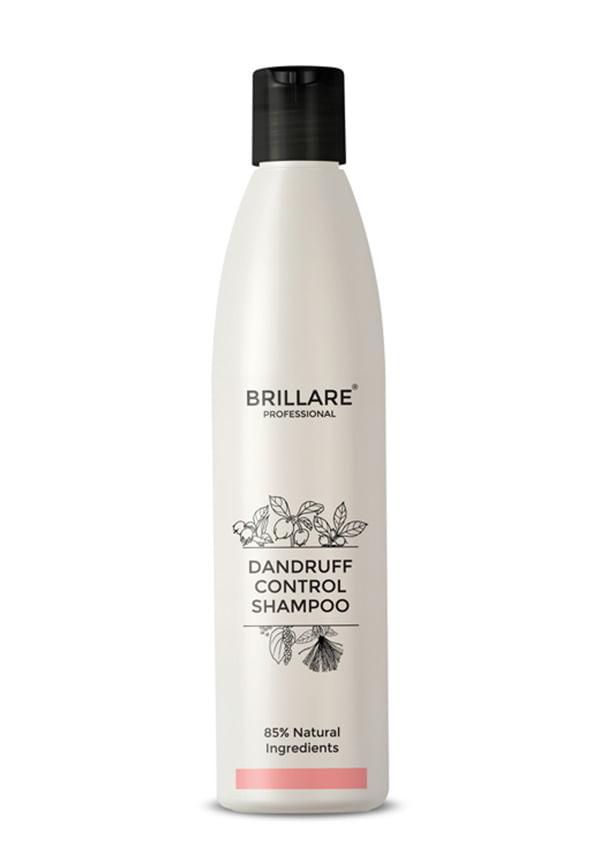
Dandruff Control Shampoo For Itchy, Flaky Scalp
When applying any scalp treatment, focus on your roots rather than your lengths. Massage gently with your fingertips—never your nails—and let medicated shampoos sit for a few minutes before rinsing. This gives the active ingredients time to work their magic.
Zinc pyrithione targets fungal overgrowth, whilst salicylic acid helps remove flaky buildup. Tea tree oil brings natural antimicrobial benefits, and ceramides help restore your scalp's protective barrier.
Sometimes the best scalp relief comes from your kitchen cupboard. Apple cider vinegar rinses can rebalance your scalp's pH, especially helpful if you've been using products that are too alkaline. Mix one part ACV with three parts water, apply after shampooing, and rinse thoroughly.
Essential oils offer powerful itchy scalp remedies, but they need to be diluted properly. Tea tree oil is brilliant for its antifungal properties, whilst peppermint oil provides cooling relief. Lavender oil can calm inflammation and add a lovely, relaxing scent to your routine. Always mix these with a carrier oil like jojoba or coconut oil before applying.
DIY oatmeal masks work wonders for calming itchy scalp conditions. Blend plain oats into a fine powder, mix with warm water to create a paste, and apply to damp scalp. The anti-inflammatory compounds in oats can provide immediate soothing relief.
Aloe vera gel straight from the plant offers cooling, anti-inflammatory benefits. It's particularly helpful for scalps that feel hot and irritated. Apply directly to affected areas and leave for 15-20 minutes before washing out.
Consistency beats intensity when it comes to scalp care for itching. Your routine doesn't need to be complicated, but it should be regular. Start with gentle cleansing—overwashing can actually make itching worse by stripping natural oils.
Morning scalp care might include a light massage with a few drops of diluted essential oil. This improves circulation and can help distribute natural oils. Evening routines could involve applying a leave-in scalp treatment or doing a gentle brush-through with a boar bristle brush to distribute oils from roots to ends.
Proper washing frequency varies by person, but most people with itchy scalps benefit from washing every other day rather than daily. This gives your scalp time to produce natural oils whilst preventing buildup. When you do wash, use lukewarm water—hot water can increase irritation.
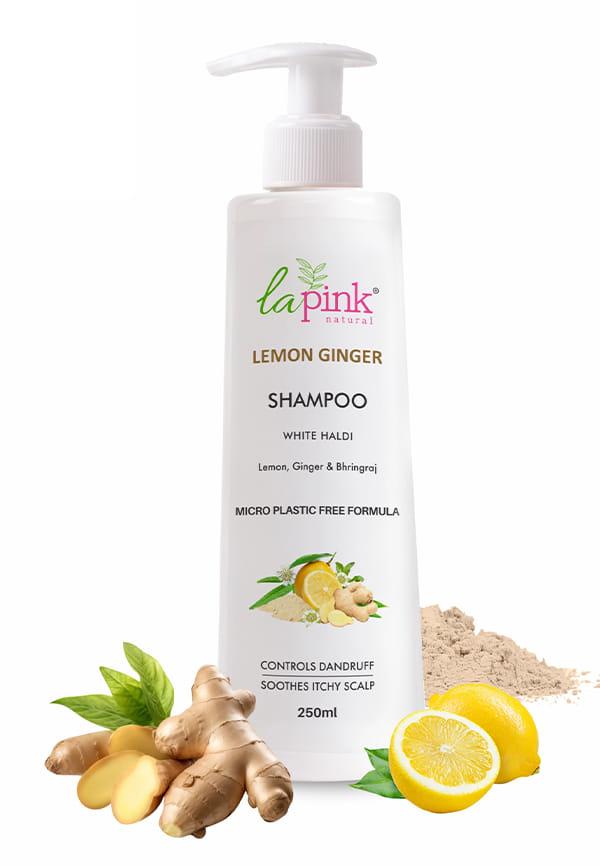
Lemon Ginger Shampoo with White Haldi to Control Dandruff & Soothe Itchy Scalp
Haircare for dry scalp often involves protecting your scalp between washes. Silk or satin pillowcases reduce friction, and avoiding tight hairstyles gives your scalp room to breathe.
What you eat and how you live affects your scalp more than you might think. Omega-3 fatty acids from fish, nuts, and seeds support skin health from the inside out. Zinc deficiency can contribute to scalp problems, so including zinc-rich foods like pumpkin seeds and chickpeas might help.
Stress management isn't just good for your mental health—it's crucial for sensitive scalp solutions. High stress levels can trigger inflammatory responses that show up as scalp irritation. Regular exercise, adequate sleep, and stress-reduction techniques can all contribute to better scalp health.
Environmental factors play a huge role too. Hard water can leave mineral deposits that irritate your scalp, whilst very dry air can worsen itching. Consider using a water filter or humidifier if these might be contributing to your scalp issues.
Hydration affects every part of your body, including your scalp. Drinking enough water helps maintain skin moisture and supports the natural healing processes that keep your scalp comfortable.
Sometimes DIY approaches aren't enough, and that's completely normal. If you've tried multiple soothing scalp treatments for several weeks without improvement, it might be time to see a dermatologist. Persistent itching, especially when accompanied by hair loss, severe flaking, or painful spots, needs professional attention.
Prescription treatments might include stronger antifungal medications, topical steroids for inflammation, or specialised shampoos with higher concentrations of active ingredients. These aren't necessarily scary—they're just more targeted tools for stubborn problems.
Before your appointment, keep a scalp diary noting when itching is worse, what products you're using, and any patterns you notice. This information helps dermatologists pinpoint the most effective treatment approach for your specific situation.
Chronic conditions like seborrheic dermatitis or psoriasis require ongoing management rather than quick fixes. Working with a professional ensures you get the right long-term strategy for maintaining scalp comfort.
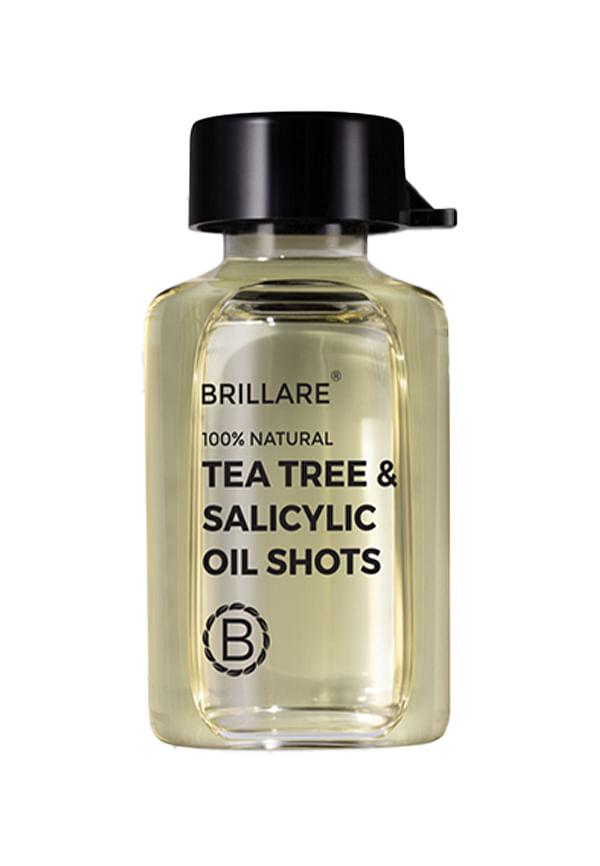
Tea Tree & Salicylic Oil Shots For Dry, Itchy Scalp to Fights Dandruff
For immediate relief, try a cool compress or aloe vera gel application. Avoid scratching, which can worsen irritation, and switch to a gentle, sulfate-free shampoo temporarily. Most people see improvement within 24-48 hours with proper care, though complete healing might take a week or two depending on the underlying cause.
Antifungal ingredients like ketoconazole or selenium sulfide are most effective for dandruff relief products. Use a medicated shampoo 2-3 times per week, leaving it on for 3-5 minutes before rinsing. You should notice improvement within a week, with significant reduction in 2-3 weeks of consistent use.
Absolutely. Stress triggers inflammatory responses that can manifest as scalp irritation. High cortisol levels can also disrupt your skin's natural barrier function, making your scalp more sensitive to irritants. Managing stress through exercise, meditation, or other relaxation techniques often helps reduce scalp itching.
This depends on the cause of your itching. For oily scalps with dandruff, daily washing might help. For dry, sensitive scalps, every other day or even twice a week might be better. Pay attention to how your scalp responds and adjust accordingly.
Finding the best scalp relief often involves trying different approaches until you discover what works for your specific situation. Start with gentle, natural remedies and work up to stronger treatments if needed. Remember that consistency matters more than intensity—gentle daily care often beats aggressive weekly treatments.
The most effective approach combines immediate relief strategies with long-term scalp health habits. Whether that's switching to a sulfate-free shampoo, incorporating scalp massages, or managing stress better, small changes can make a big difference in your comfort level.
If you're looking to try different scalp treatments without committing to full-size products, Smytten offers trial-size versions of many scalp care products from trusted brands. It's a practical way to test what works for your scalp before investing in larger bottles—because finding your perfect scalp relief routine shouldn't involve guesswork or wasted money.
