9 Ways to Achieve the Best Soothing Scalp

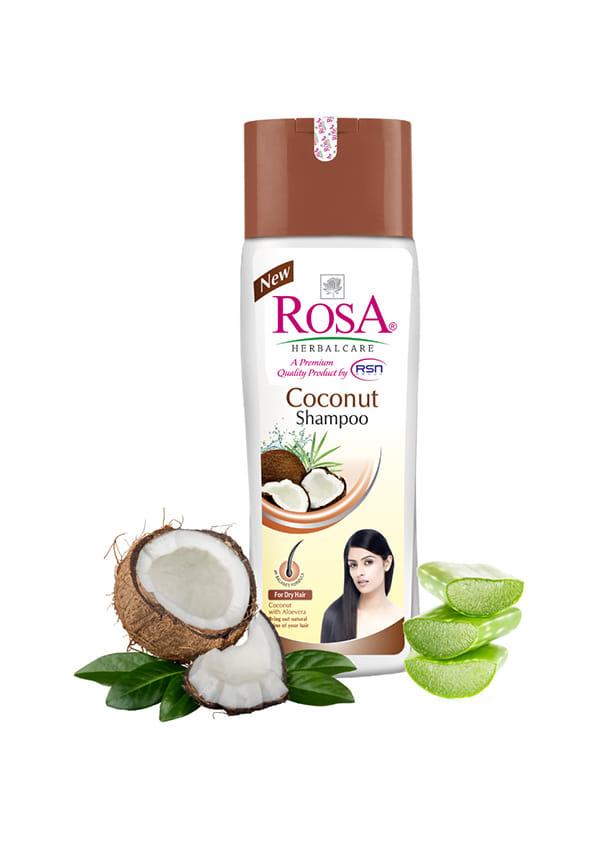
Coconut Shampoo With Coconut and Aloe Vera l Natural & Herbal ingredients
You know that moment when your scalp feels like it's staging a full rebellion? The itching, the tightness, maybe even some flaking that makes you want to hide under a hat forever. Real talk — an irritated scalp can turn even the best hair day into a nightmare. Whether it's from switching products, stress, or just your scalp being dramatic, finding the best soothing scalp solutions isn't just about comfort — it's about getting back to feeling like yourself again.
Let's get real about what's actually happening up there. Scalp irritation isn't just "sensitive skin being sensitive" — it's your scalp's way of telling you something's off. Environmental factors like pollution, hard water, and even that blast of cold air can throw your scalp's natural balance completely out of whack. Then there's product buildup from styling products, dry shampoo, or even using the wrong shampoo for your scalp type.
Stress is another major culprit that people don't talk about enough. When cortisol levels spike, your scalp can become more reactive and prone to irritation. Signs your scalp needs immediate attention include persistent itching, visible flaking, red patches, or that tight feeling like your scalp is too small for your head. The thing is, an irritated scalp doesn't just feel uncomfortable — it can actually impact hair growth since inflammation disrupts the hair follicle environment.
Your scalp is essentially the foundation for healthy hair, so when it's not happy, your hair won't be either. Understanding these triggers helps you tackle scalp irritation solutions more effectively rather than just treating symptoms.
This might sound obvious, but choosing the right gentle shampoo for scalp care is honestly game-changing. You want sulfate-free formulas that won't strip your scalp's natural oils while still getting rid of buildup and dirt. Look for pH-balanced shampoos (around 4.5-5.5) that match your scalp's natural acidity levels.
Ingredients to absolutely avoid when your scalp is acting up include sodium lauryl sulfate, parabens, and artificial fragrances that can trigger more irritation. Instead, look for soothing ingredients like chamomile, oat extract, or ceramides that help restore your scalp's barrier function.
Here's the thing about washing frequency — less is often more when dealing with sensitive scalp care. Over-washing can actually make irritation worse by disrupting your scalp's natural oil production. Try washing every other day or even every third day, depending on your hair type and lifestyle.
The technique matters too. Use lukewarm water (hot water is a no-go for irritated scalps), focus the shampoo on your scalp rather than your hair lengths, and massage gently with your fingertips — never your nails. Think of it as giving your scalp a gentle hug, not a vigorous scrub.
Calming scalp treatments are where the magic really happens for achieving the best soothing scalp results. You don't need to book expensive salon appointments — though professional treatments can be worth it for severe irritation. At-home treatments can be just as effective when done consistently.
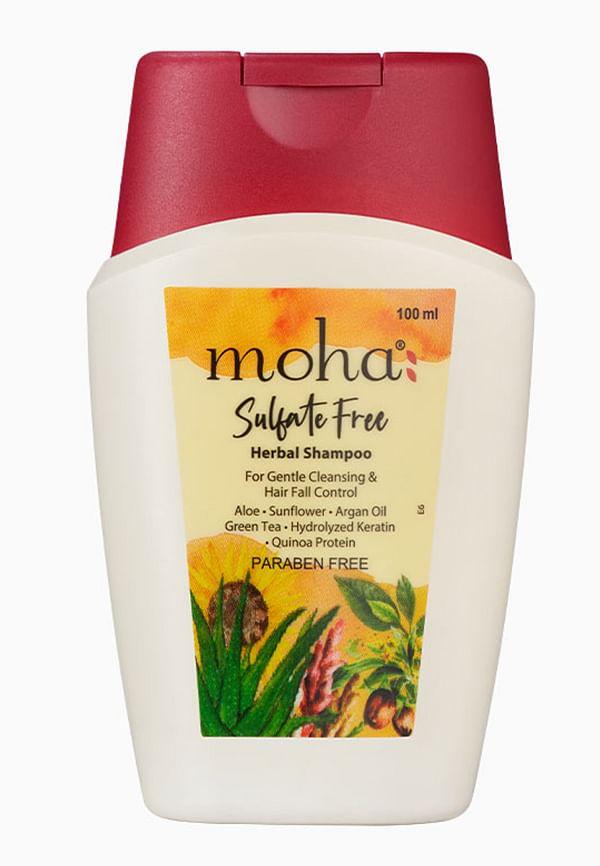
Sulfate Free Herbal Shampoo
Weekly scalp masks are your friend here. Look for treatments with scalp soothing ingredients like niacinamide, which reduces inflammation, or hyaluronic acid for deep hydration without heaviness. Apply these treatments to damp scalp, section by section, and let them work their magic for 10-15 minutes before rinsing.
Don't underestimate the power of scalp massage. Using your fingertips, gently massage in circular motions for 3-5 minutes before washing. This boosts circulation, helps distribute natural oils, and honestly just feels amazing when your scalp is stressed.
For severe irritation, dermatologist-recommended treatments might include medicated shampoos or topical treatments. There's no shame in getting professional help when DIY methods aren't cutting it.
Sometimes the best dry scalp remedies are sitting right in your kitchen. These natural scalp soothers have been used for ages because they genuinely work, not just because they're trendy.
Coconut oil mixed with a few drops of tea tree oil creates a powerful anti-inflammatory treatment. Warm the coconut oil slightly, add 2-3 drops of tea tree oil per tablespoon, and massage into your scalp. Leave it on for 30 minutes before washing out with your gentle shampoo.
Aloe vera gel straight from the plant (or pure store-bought gel) provides immediate cooling relief for irritated scalps. Apply it directly to problem areas and leave for 20 minutes. The anti-inflammatory properties help calm redness and itching almost instantly.
For a deeply nourishing treatment, mix equal parts honey and olive oil. Honey has antimicrobial properties while olive oil provides intense moisture. This combo works especially well for dry, flaky scalps that need serious hydration.
Apple cider vinegar rinses help restore your scalp's pH balance. Mix one part ACV with three parts water, pour over your scalp after shampooing, and rinse after a minute. This helps remove buildup and creates a balanced scalp environment.
Different scalp conditions need different approaches for effective itchy scalp relief. Dandruff, for instance, is often caused by an overgrowth of yeast, so antifungal ingredients like ketoconazole or zinc pyrithione work best.
Seborrheic dermatitis requires gentle but consistent care. Look for shampoos with selenium sulfide or coal tar, but use them sparingly — maybe twice a week — and always follow with a moisturising conditioner.
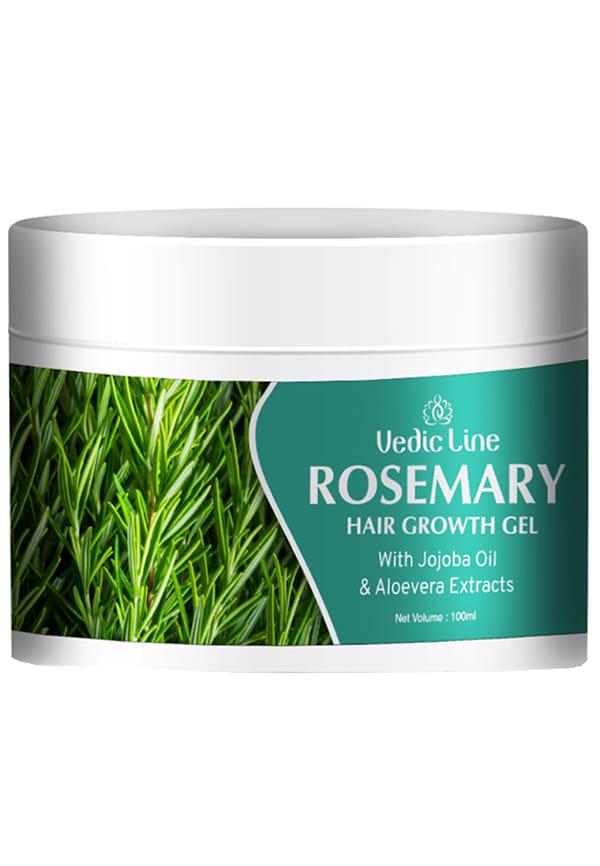
Rosemary Hair Growth Gel with Aloe Vera, Argan Oil & Jojoba Oil
If you're dealing with scalp psoriasis, salicylic acid can help remove scales, but you'll want to follow up with deeply moisturising treatments to prevent further irritation. The key is being gentle while still addressing the underlying condition.
For eczema-related scalp irritation solutions, fragrance-free everything is crucial. Your scalp is already hypersensitive, so even "natural" fragrances can trigger flare-ups. Stick to the most basic, gentle formulations possible.
Achieving the best soothing scalp results isn't just about treating problems — it's about creating a balanced scalp environment that prevents issues from happening in the first place. Your scalp's pH should naturally sit around 4.5-5.5, which is slightly acidic.
Hydration and oil production need to be in harmony. Over-moisturising can lead to buildup and clogged follicles, while under-moisturising leaves your scalp vulnerable to irritation. Pay attention to how your scalp feels throughout the day — it should feel comfortable, not tight or oily.
Environmental protection is huge but often overlooked. UV rays can damage your scalp just like your skin, so wear hats or use UV-protective hair products when spending time outdoors. In winter, protect your scalp from harsh winds and dry indoor heating.
Lifestyle factors play a bigger role than you might think. Getting enough sleep, managing stress, staying hydrated, and eating a balanced diet all contribute to scalp health. Your scalp reflects your overall wellness, so taking care of yourself shows up in your haircare for irritated scalp routine.
Sometimes you need to level up your scalp care game with more advanced techniques. Gentle scalp exfoliation once a week can help remove dead skin cells and product buildup that might be contributing to irritation. Use a soft-bristled brush or a scalp scrub with fine particles — nothing too abrasive.
Light therapy devices designed for scalp use can help reduce inflammation and promote healing. These aren't just fancy gadgets — red light therapy has actual science backing its anti-inflammatory effects.
Scalp massage tools like silicone brushes or jade rollers can enhance circulation without being too harsh on sensitive skin. Use these during your shampoo routine or when applying treatments for better product penetration.
Know when to call in the professionals. If you've tried multiple approaches for several weeks without improvement, or if you're experiencing severe symptoms like open sores or significant hair loss, it's time to see a dermatologist. Professional scalp analysis can identify underlying conditions that might need prescription treatment.
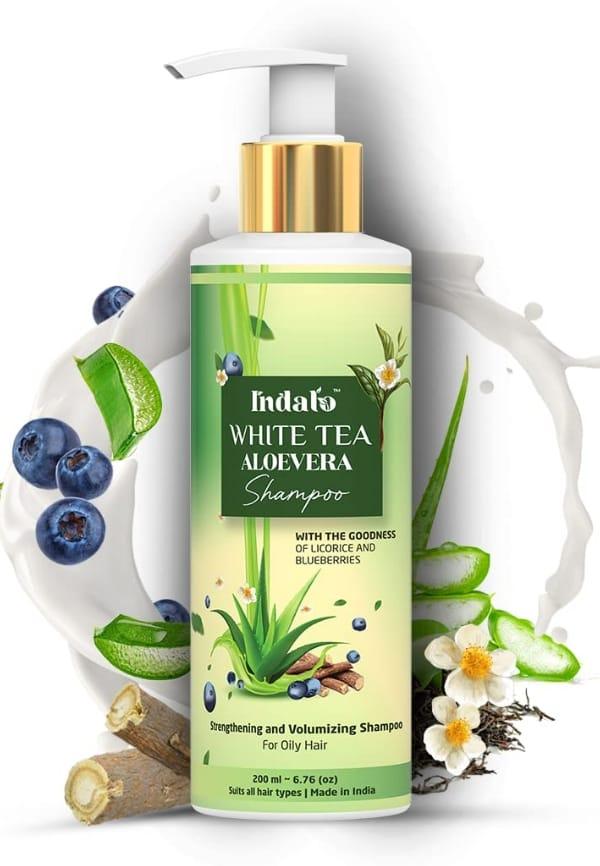
White Tea Aloe Vera Shampoo for Oily Hair
For instant relief, try a cold compress on the most irritated areas for 5-10 minutes. You can also mix a few drops of peppermint oil with a carrier oil like jojoba and gently massage it into your scalp — the cooling sensation provides immediate comfort. Avoid scratching, which only makes irritation worse, and rinse your scalp with cool water if you've been using any potentially irritating products.
Natural scalp soothers like aloe vera gel, chamomile tea rinses, and oatmeal masks work brilliantly without chemicals. Create an oatmeal paste with finely ground oats and water, apply to your scalp for 15 minutes, then rinse. Always patch test natural remedies first — just because something is natural doesn't mean it won't cause reactions in sensitive individuals.
Absolutely. Chronic stress and elevated cortisol levels can disrupt your scalp's natural barrier function, leading to dryness, irritation, and even hair loss. Stress management through meditation, exercise, or therapy isn't just good for your mental health — it's essential for maintaining a healthy scalp environment.
When your scalp is genuinely sore, treat it like you would any other inflamed skin. Use cool compresses, avoid all potential irritants including heat styling, and stick to the gentlest products possible. If soreness persists or is accompanied by swelling, pus, or significant hair loss, see a healthcare provider as this could indicate an infection or serious skin condition.
Creating the best soothing scalp routine isn't about using every product under the sun — it's about consistency and choosing the right products for your specific needs. Start with a gentle, sulfate-free shampoo and use it every 2-3 days depending on your scalp's oil production.
Your weekly routine should include one intensive treatment — whether that's a scalp mask, oil treatment, or gentle exfoliation. Listen to your scalp and adjust frequency based on how it responds. Some people need weekly treatments, others do better with bi-weekly care.
Product layering matters for sensitive scalp care. Apply treatments to damp (not soaking) scalp for better absorption, and always rinse thoroughly to prevent buildup. If you're using multiple treatments, space them out — don't overwhelm your scalp with too many active ingredients at once.
Track your progress by taking photos or keeping a simple diary of how your scalp feels day to day. This helps you identify what's working and what might be causing flare-ups. Remember, scalp healing takes time — you might not see dramatic results for 4-6 weeks of consistent care.
Not sure which gentle shampoo or scalp treatment works best for your specific concerns? Smytten offers trial-size versions of many scalp-soothing products from trusted brands — a smart way to test different formulations before committing to full-size bottles. After all, finding your perfect scalp care routine shouldn't involve guesswork or expensive mistakes.
