9 Ways to Achieve Best Dandruff Itch Relief

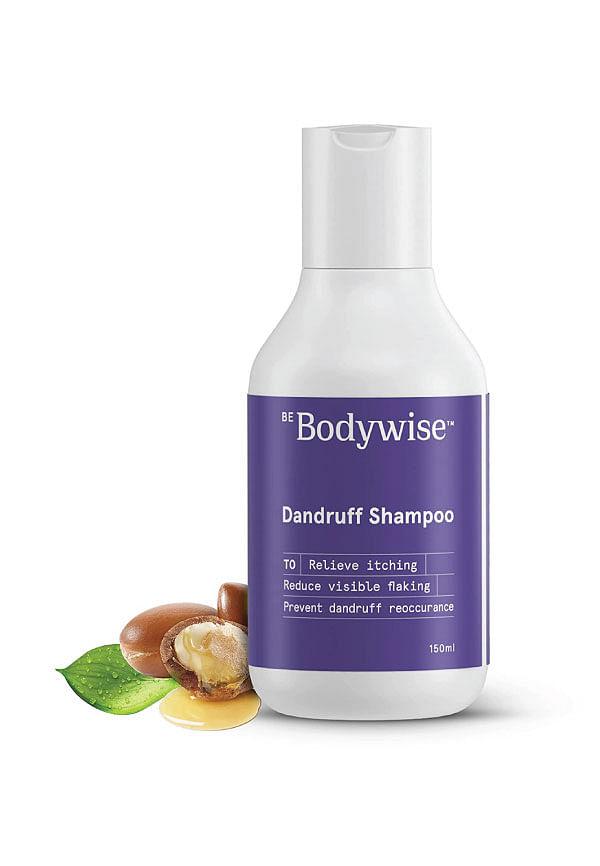
1% Ketoconazole Dandruff Shampoo
That moment when you're in the middle of an important meeting and your scalp decides to stage a full rebellion — the itch is so intense you can barely focus on anything else. We've all been there, frantically trying to scratch discreetly while those telltale white flakes make an unwelcome appearance on your shoulders. If you're dealing with persistent dandruff itch that's driving you absolutely mental, you're definitely not alone. The good news? There are actually proven ways to get real relief, and we're about to break down exactly what works.
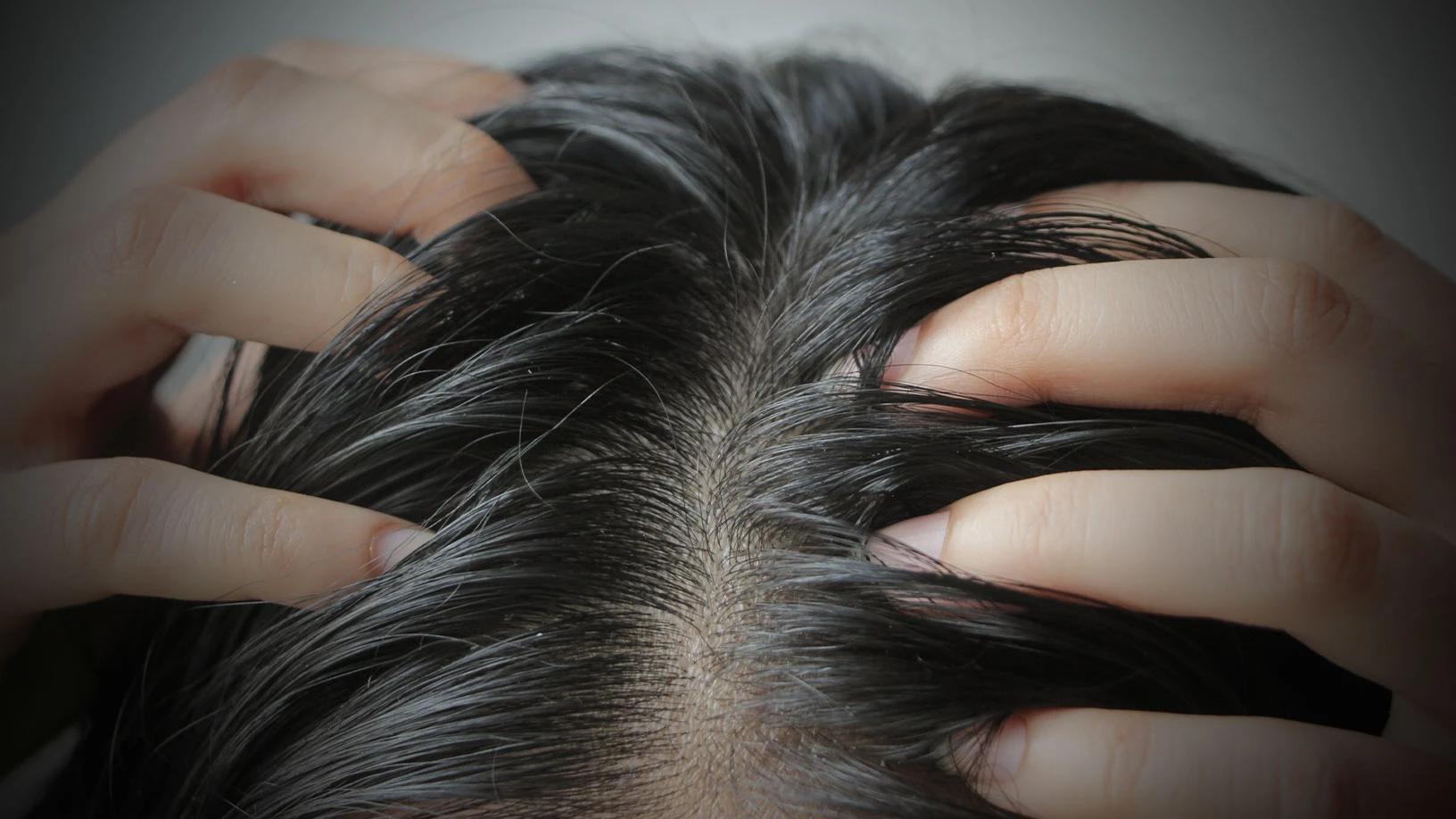
Let's get real about what's actually happening up there on your scalp. That relentless itching isn't just your imagination — it's your skin's way of telling you something's seriously off balance. The main culprit behind dandruff symptoms is a sneaky little yeast called Malassezia, which basically throws a party on your scalp using your natural oils as the main course.
When this yeast goes into overdrive, it breaks down the sebum (your scalp's natural oil) into irritating fatty acids. Your scalp doesn't appreciate this uninvited chemical reaction and responds with inflammation, which triggers that intense itching sensation. It's like your scalp is constantly sending SOS signals, and scratching feels like the only way to respond.
Here's where it gets tricky — many people confuse dry scalp with dandruff, but they're actually different beasts. Dry scalp flakes are usually smaller and less oily, while dandruff flakes tend to be larger, greasier, and often yellowish. Understanding which one you're dealing with is crucial for finding the right treatment approach.
The chronic itching becomes a real problem when it starts affecting your daily life. If you're losing sleep, feeling self-conscious, or noticing any redness or bleeding from excessive scratching, it's time to take action. These are warning signs that your scalp irritation has moved beyond a minor annoyance into something that needs proper attention.
Ready to reclaim your scalp's peace? These methods range from quick fixes for immediate relief to long-term strategies that tackle the root cause. The key is finding what works for your specific situation and sticking with it consistently.
Not all dandruff shampoos are created equal, and finding the right one can be a proper game-changer. Ketoconazole-based formulas are brilliant for tackling that yeast overgrowth head-on, while pyrithione zinc options work wonders for their antimicrobial properties. For stubborn cases, selenium sulfide treatments help regulate cell turnover, and coal tar shampoos are the heavy artillery for severe situations.
The trick with medicated shampoos is using them correctly — leave them on for at least 5 minutes before rinsing, and don't expect overnight miracles. Consistency is your best friend here.
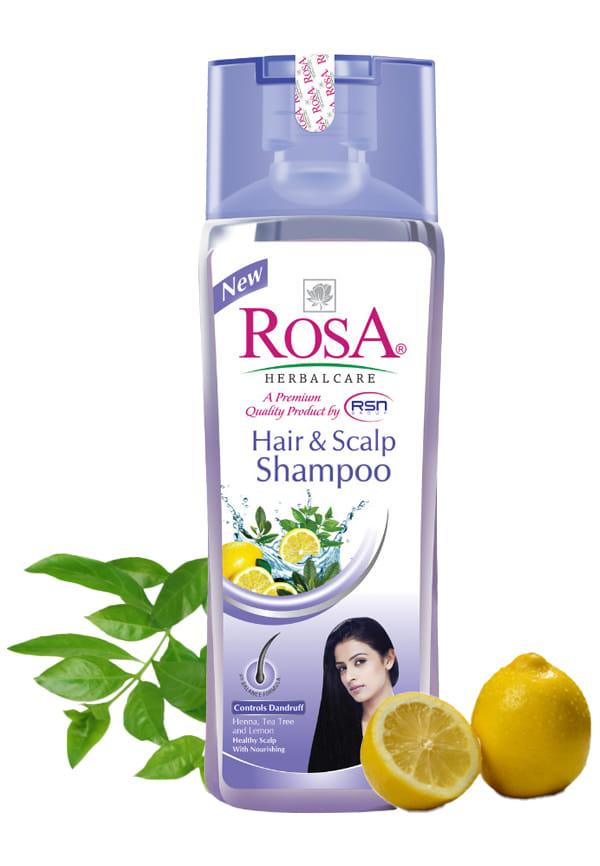
Hair & Scalp Shampoo with Tea Tree Oil and Lemon l Natural & Herbal ingredients
When the itch is absolutely unbearable, a cold compress can provide instant relief. Wrap some ice cubes in a clean cloth and gently press against the itchiest areas for 10-15 minutes. The cold numbs the itch sensation and reduces inflammation temporarily, giving you a much-needed break.
Your scalp's pH balance plays a huge role in dandruff control. Mix one part apple cider vinegar with three parts water, apply after shampooing, leave for a few minutes, then rinse thoroughly. The acidity helps restore your scalp's natural pH and creates an environment where that troublesome yeast can't thrive.
Here's the thing about scratching — it feels amazing in the moment but makes everything worse long-term. Instead, try gentle circular motions with your fingertips (never your nails) to stimulate blood flow and provide relief without causing damage. This technique for soothing itchy scalp actually helps distribute natural oils and can reduce inflammation.
Pure aloe vera gel is like a cooling drink for your irritated scalp. Its anti-inflammatory properties provide immediate relief while helping heal any damage from excessive scratching. Apply directly to affected areas, leave for 20 minutes, then rinse with cool water.
This natural powerhouse has serious antifungal properties that can help tackle the root cause of dandruff. Always dilute it properly — mix 5-10 drops with a carrier oil like coconut or jojoba oil before applying. Never use tea tree oil undiluted as it can cause severe irritation.
Your scalp can get used to the same treatment over time, so rotating between different anti-dandruff solutions keeps things effective. Use a ketoconazole shampoo for two weeks, then switch to a pyrithione zinc formula for the next two weeks. This prevents your scalp from building tolerance.
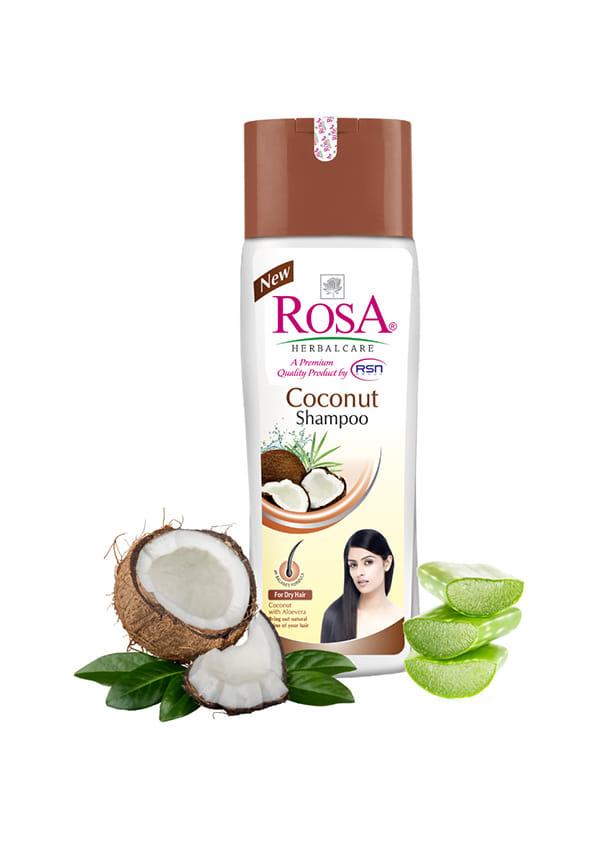
Coconut Shampoo With Coconut and Aloe Vera l Natural & Herbal ingredients
Mix a tablespoon of baking soda with enough water to make a paste, then gently massage into your scalp before shampooing. This helps remove dead skin cells and product buildup that can worsen dandruff. Don't overdo it — once a week is plenty.
For those dealing with both dandruff and dryness, coconut oil provides moisture while its antimicrobial properties help fight the underlying yeast. Apply to your scalp before bed, cover with a shower cap, and wash out in the morning with a gentle shampoo.
Sometimes home remedies and over-the-counter solutions just aren't enough, and that's completely normal. If you've been consistent with treatments for 6-8 weeks without seeing improvement, or if your symptoms are getting worse, it's time to chat with a dermatologist.
Professional scalp treatments can include prescription-strength antifungal medications, corticosteroid solutions for severe inflammation, or specialised in-office therapies. These aren't just stronger versions of what you can buy at the pharmacy — they're targeted treatments based on your specific scalp condition.
Red flags that definitely warrant professional attention include severe redness, bleeding, hair loss in patches, or if the itching is so intense it's affecting your sleep or daily activities. Your scalp health is worth investing in proper care when needed.
The best approach to dandruff control isn't just about treating symptoms when they flare up — it's about creating a routine that prevents them from coming back. Your morning routine should focus on gentle cleansing without over-stripping your scalp's natural oils.
Product layering matters too. If you're using a medicated shampoo, follow up with a lightweight, non-comedogenic conditioner applied only to your hair lengths, not your scalp. Leave-in treatments containing ingredients like salicylic acid or zinc pyrithione can provide ongoing protection throughout the day.
Weekly deep treatments become your secret weapon for maintaining scalp health. This might be an intensive oil treatment, a clarifying mask, or a professional-grade scalp serum. The key is consistency — your scalp responds better to regular, gentle care than sporadic intensive treatments.
Don't underestimate lifestyle factors either. Stress, poor diet, and lack of sleep can all trigger dandruff flare-ups. Managing these aspects of your life alongside your topical treatments creates a more comprehensive approach to scalp health.
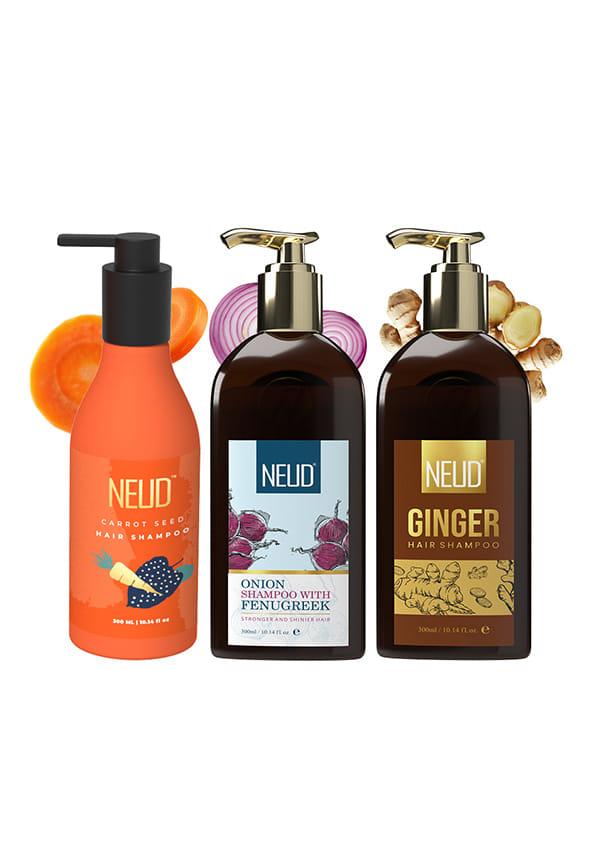
Herbal Shampoo – Onion with Fenugreek, Ginger & Carrot Seed
With the right treatment, you should notice some relief within 2-3 days, though complete control typically takes 2-4 weeks of consistent use. Immediate relief methods like cold compresses or aloe vera can provide temporary comfort while longer-term treatments take effect.
Regular shampoos won't address the underlying causes of dandruff and might even make itching worse if they're too harsh or contain irritating fragrances. Medicated formulas specifically designed for dandruff control are much more effective for managing symptoms.
Some people experience a temporary increase in flaking when starting new treatments as dead skin cells are shed more rapidly. This usually settles within a week. If symptoms worsen significantly or persist beyond two weeks, reassess your treatment approach.
This depends on your hair type and the severity of your condition. Generally, washing every other day with a medicated shampoo works well for most people. Those with very oily scalps might need daily washing, while those with dry hair might do better with 2-3 times per week.
Absolutely. Foods high in sugar and refined carbs can feed the yeast that contributes to dandruff. Incorporating omega-3 fatty acids, zinc, and B vitamins through diet or supplements may help support overall scalp health.
Finding the best dandruff itch relief often requires a combination approach rather than relying on a single solution. Start with identifying whether you're dealing with true dandruff or dry scalp, then choose treatments accordingly. Consistency beats intensity every time — gentle, regular care produces better results than aggressive sporadic treatments.
Remember that everyone's scalp is different, so what works brilliantly for your friend might not be your perfect match. Be patient with the process and don't hesitate to seek professional help if over-the-counter options aren't cutting it. Your scalp health directly impacts your confidence and comfort, making it worth the investment in finding the right solution.
Whether you're exploring medicated shampoos, natural remedies, or professional treatments, Smytten's curated selection includes trusted brands that specialise in scalp care and dandruff relief. Not sure which approach works best for your specific needs? Many of these products are available in trial sizes, letting you test different formulations before committing to full-size bottles — a smart way to find your perfect scalp care routine without the guesswork.
